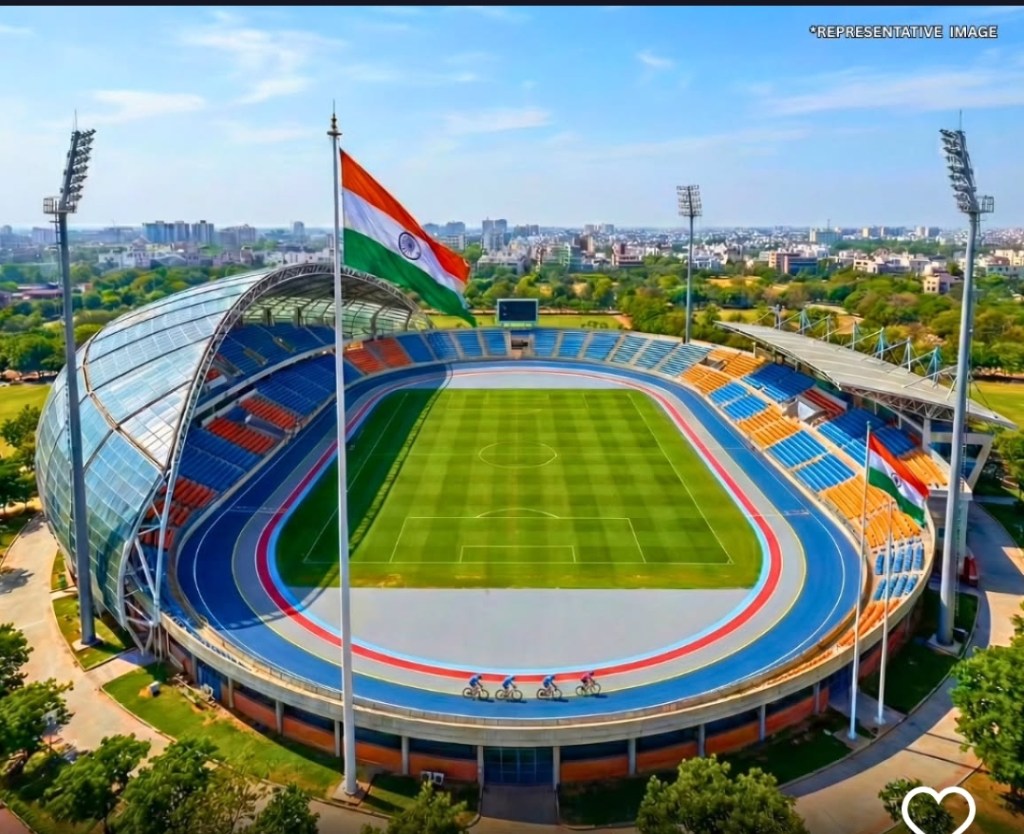
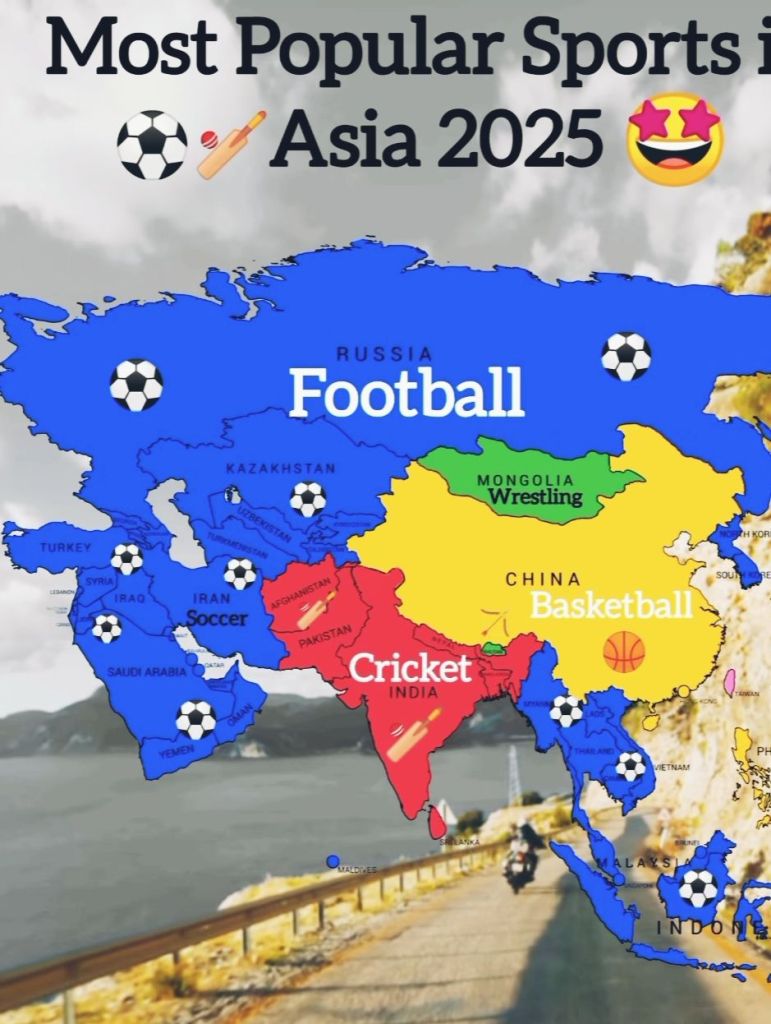
India’s sporting economy today resembles a lopsided empire masquerading as national pride. Cricket is no longer merely a sport; it has evolved into a financial civilisation, administered by the BCCI—the richest sporting body in the world—generating nearly ₹9,742 crore annually and holding reserves estimated at ₹30,000 crore. The IPL alone contributes close to 60% of this revenue, functioning as a corporate carnival of media rights, sponsorship monopolies, and advertising dominance. Yet beyond this glittering cricket metropolis lies another India: hockey grounds without turf, wrestling academies without modern equipment, boxing rings surviving on improvisation, and athletes who win medals not because institutions empower them, but because they endure institutional neglect. The paradox is not cricket’s triumph—it is the absence of a national mechanism to convert cricket’s wealth into a wider sporting renaissance.
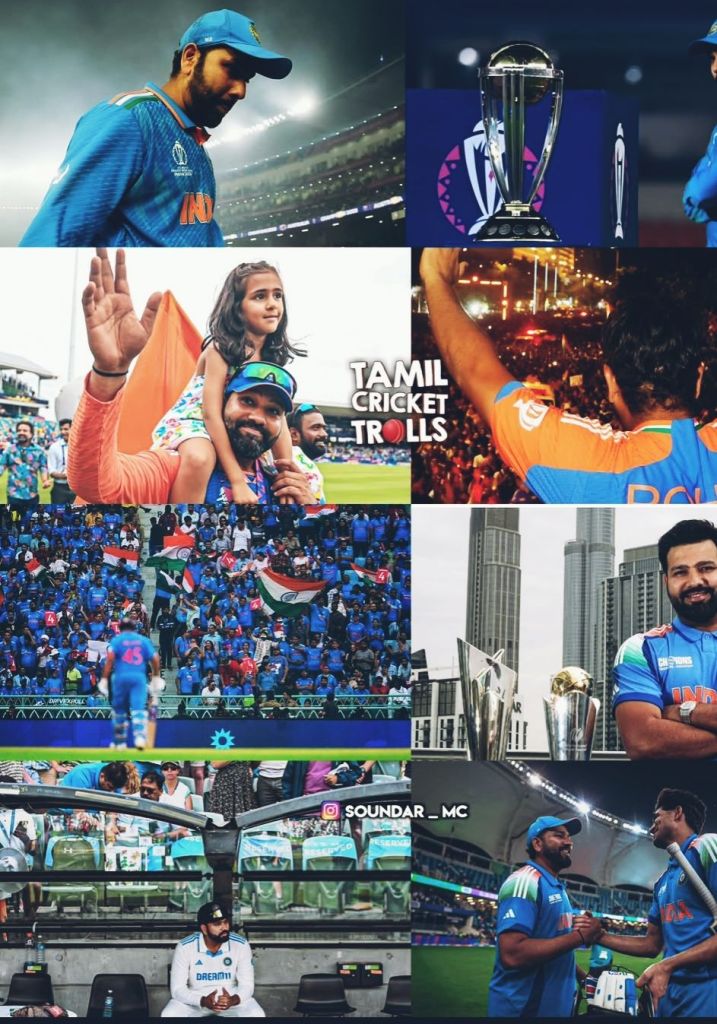
This imbalance is not merely emotional; it is structurally measurable. Cricket absorbs nearly 87% of India’s sports industry spending and captures around 94% of sports advertising expenditure. Historically, nearly 85% of total sports funding has flowed into cricket’s ecosystem, leaving other disciplines dependent on inconsistent grants, symbolic announcements, and political patronage. The BCCI’s dominance is so extensive that even the International Cricket Council operates like a dependent satellite, allocating nearly 38.5% of ICC revenues to India under the 2024–27 cycle. Such concentration is unprecedented in global sport. Yet within this imbalance lies a rare national opportunity: cricket’s wealth is not merely “BCCI money.” It is Indian money—generated by Indian audiences, Indian broadcasters, Indian sponsors, and the mass consumer attention of the Republic. If mineral royalties are treated as national assets, then cricket’s commercial surplus—extracted from national passion—must also be seen as a public resource carrying a wider developmental responsibility.
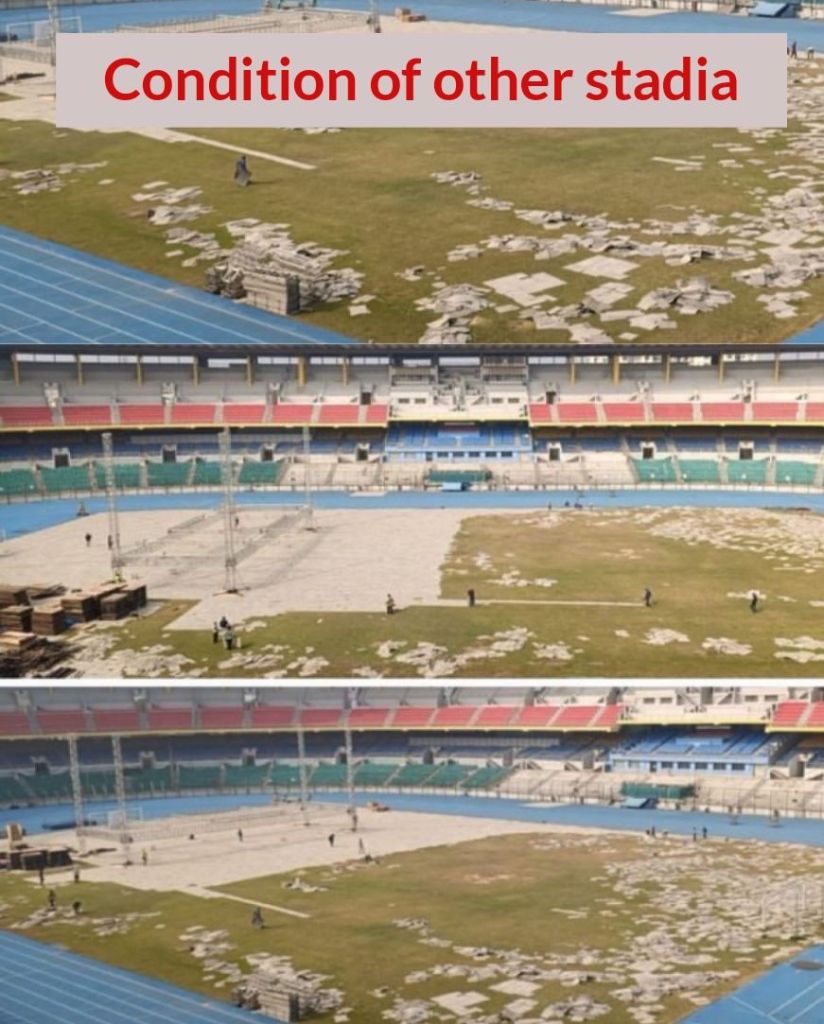
Meanwhile, India’s non-cricket federations often resemble institutions trapped in bureaucratic fatigue and political capture. Weak governance, opaque selection processes, entrenched administrators, limited athlete representation, and poor grievance mechanisms have historically turned many federations into power structures rather than performance institutions. The infrastructure deficit deepens this fragility. For decades, India had barely 30 functional astroturf hockey grounds nationwide—an embarrassing statistic for a country that once treated hockey as its Olympic identity. The National Sports Development Fund, established in 1998 to strengthen Indian sport, collected only ₹157.88 crore in 18 years—an almost absurd figure when compared with the economics of a single IPL season. Even more revealing is the fact that nearly one-third of this NSDF corpus came from BCCI contributions, proving that cricket has already, though sporadically, acknowledged its broader responsibility. The tragedy is that such contributions remain voluntary, episodic, and unpredictable—meaning India’s sporting future survives on occasional generosity rather than institutional design.
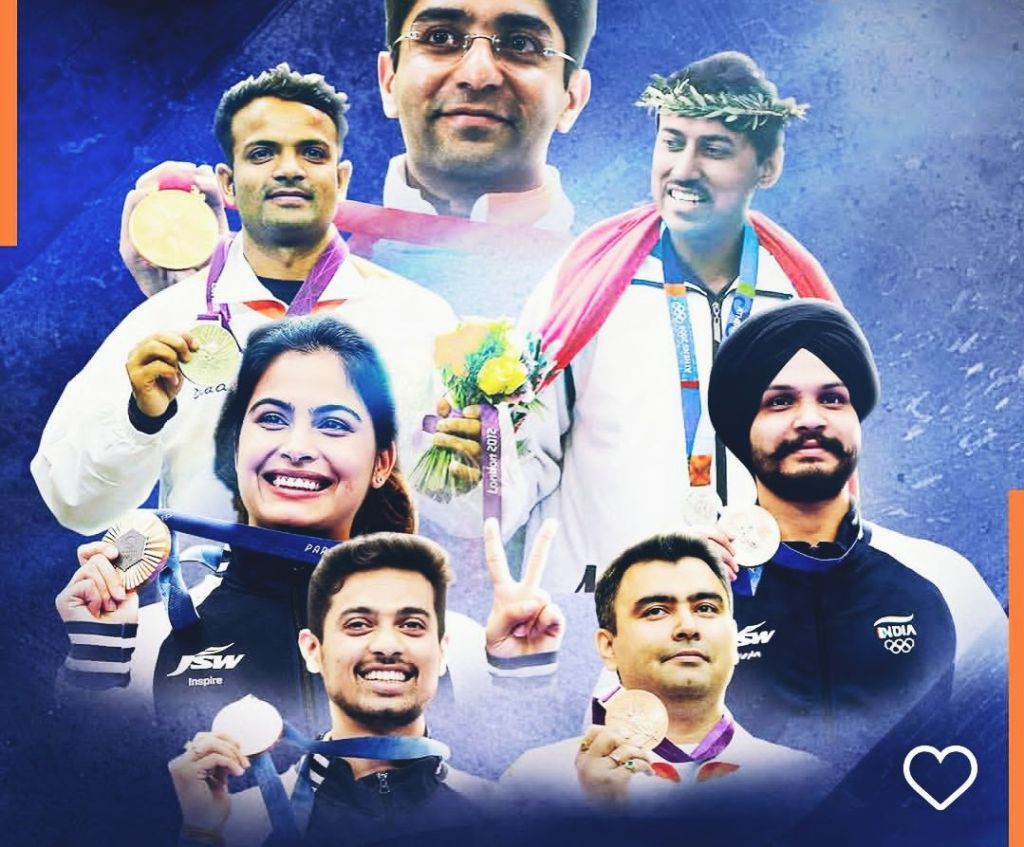
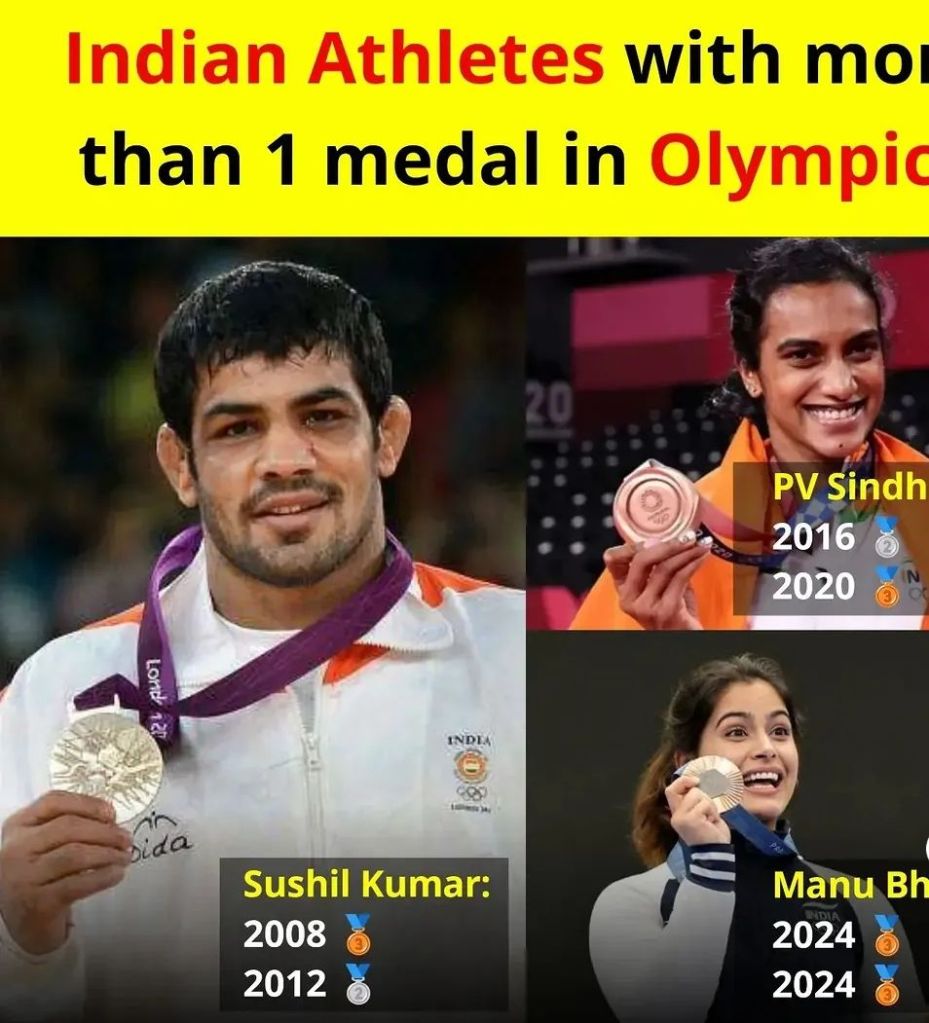
This is why redistribution is not charity; it is national strategy. In modern sport, medals are not accidents of talent but outputs of sustained investment in coaching, sports science, nutrition, infrastructure, international exposure, and competitive ecosystems. India’s Olympic record is not a mystery—it is a mirror. Cricket produces billionaires, but it produces no Olympic medals. Hockey, which once delivered eight Olympic golds, now survives in cycles of intermittent revival and recurring decline. The moral inversion is striking: India’s historical medal-producing sports remain chronically underfunded while its most commercially successful sport dominates every resource stream. The practical cost is even sharper. A one-sport economy cannot create broad-based sporting careers, cannot deepen grassroots culture, and cannot build national soft power through multi-sport excellence.
Restricting national sports development to cricket is equivalent to building one world-class university while leaving the rest without classrooms.
Predictably, critics argue that the BCCI is a private body and should not be burdened with national obligations. But this objection is intellectually fragile. Redistribution is not punishment; it is diversification. Cricket’s ecosystem is mature, commercially self-sustaining, and structurally secure. Even a modest allocation of 3–5% of annual BCCI revenues would not weaken cricket’s supremacy, but could transform the trajectory of multiple Olympic disciplines. The logic parallels the Corporate Social Responsibility doctrine under the Companies Act, 2013, which expects corporations to invest a portion of profits into public good—including sports development. If private companies are legally expected to contribute to national welfare, then a monopoly-like sporting institution benefiting from national infrastructure, state facilitation, tax advantages, and cultural legitimacy cannot reasonably claim exemption from a comparable responsibility. A small, predictable contribution would not diminish cricket—it would convert cricket’s success into India’s success.
The world already offers tested templates. The United Kingdom’s UK Sport framework allocates lottery and government funds based on future medal potential, ensuring excellence across disciplines rather than obsession with one popular sport. That is why Team GB wins medals across 18 sports—not because Britain loves all sports equally, but because its funding architecture is designed for breadth. The International Olympic Committee’s Olympic Solidarity model redistributes broadcast revenues to support under-resourced National Olympic Committees, guided by principles of equity and need. France channels taxes from betting and broadcasting into grassroots and Olympic sports development. These models are not moral lectures; they are institutional mathematics. They recognise sport as a public good and build redistribution frameworks accordingly. India can adopt similar logic through a statutory or negotiated mechanism where a fixed percentage of BCCI revenues flows into a professionally managed National Sports Development Fund, governed by strict transparency, CAG audits, RTI coverage, and athlete-led monitoring.

The timing for such reform is historically ripe. The National Sports Governance Act, 2025 has already created a regulatory backbone through term limits, athlete representation, gender mandates, and enforceable transparency standards. That reform repairs governance; now funding must follow. India needs a national sports redistribution doctrine—a predictable annual stream of ₹350–500 crore from cricket revenues linked to performance benchmarks and compliance requirements. Such funding could build high-performance centres, strengthen coaching pipelines, expand sports science infrastructure, finance grassroots leagues, and provide international competition exposure. India does not lack athletic talent; it lacks a coherent system that treats athletes as national assets rather than occasional miracles produced by adversity.
Ultimately, this is not a debate about cricket versus other sports. It is a debate about whether India wants to remain a one-sport civilisation with global viewership but limited Olympic relevance, or evolve into a multi-sport republic where cricket’s wealth becomes the locomotive pulling the entire sporting train. A nation of 1.4 billion cannot afford to outsource its sporting identity to one bat and one ball. Cricket will remain India’s cultural crown—but a crown must not become a cage. If cricket’s billions are engineered into a national sports endowment, India will not merely win more medals; it will build a fairer sporting future where every child has a field to run on, not just a pitch to watch.
VISIT ARJASRIKANTH.IN FOR MORE INSIGHTS
 SOCIAL PERSPECTIVES