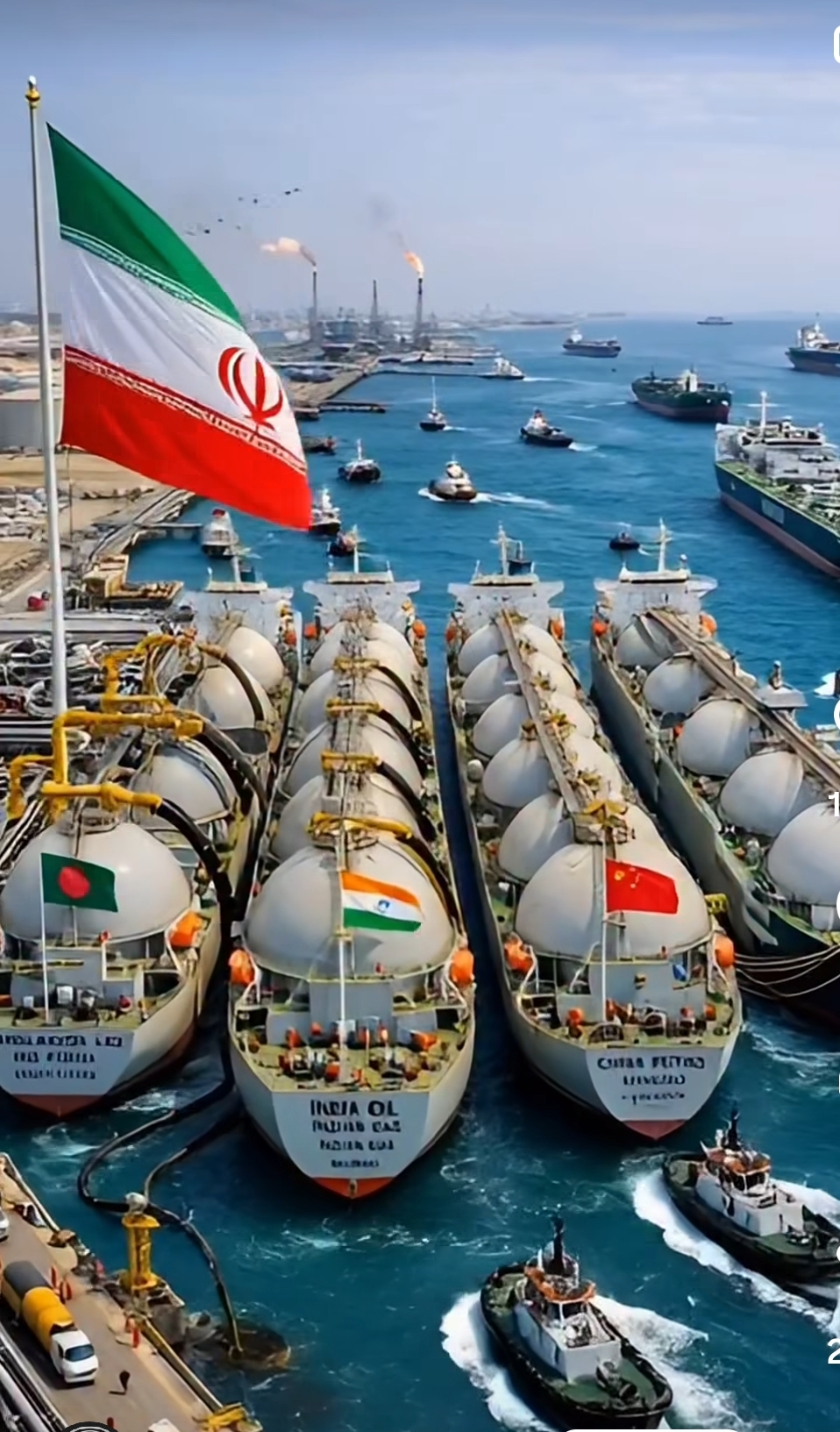
A drone strike in the Strait of Hormuz is not merely an act of war; it is a macroeconomic earthquake disguised as a tactical headline. The blast may occur in a narrow maritime corridor thousands of kilometres away, but its shockwaves travel with frightening efficiency—through shipping lanes, insurance markets, refinery schedules, currency outflows, and ultimately into the most politically sensitive space in any country: the domestic kitchen. In a world where energy flows are the bloodstream of civilisation, Hormuz is not a strait; it is a global switchboard. And when that switchboard sparks, India’s urban middle class begins to understand what geopolitics tastes like: uncertainty, rationing anxiety, and the bitter smell of improvised fuel.
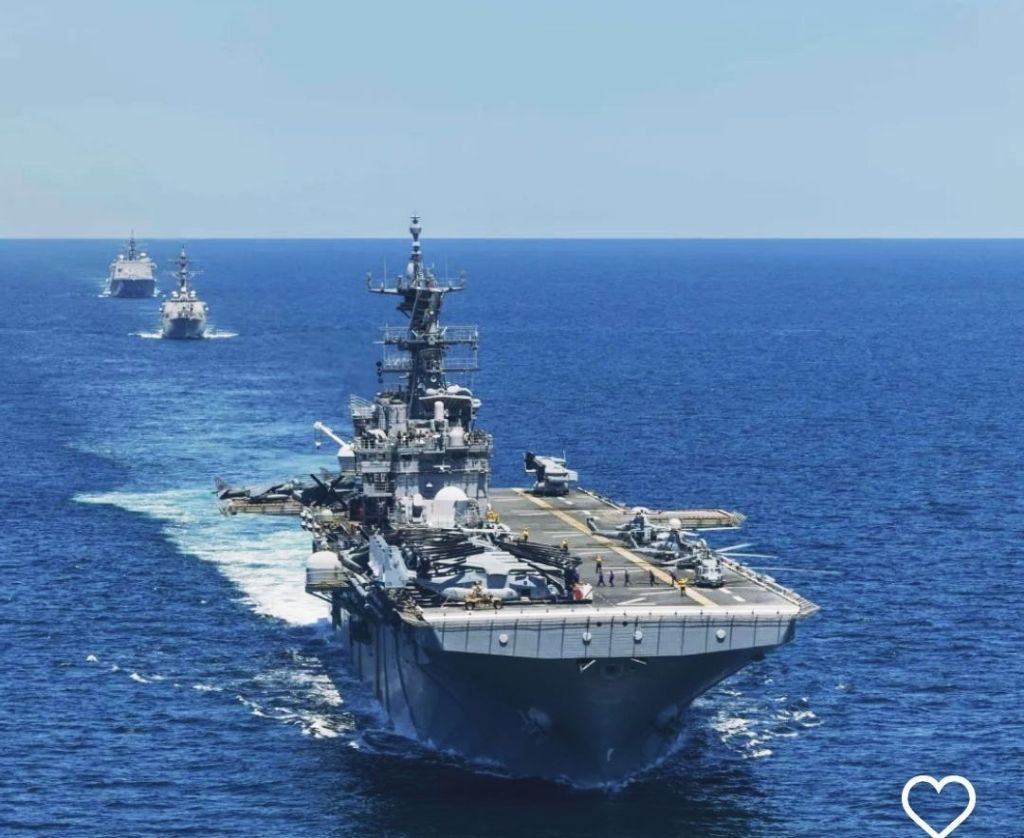
The current West Asia crisis, compounded by disruptions in Qatari-linked gas infrastructure and destabilised shipping logistics, has forced India into a response best described as infrastructural aggression. This is not reform as a gradual policy adjustment; it is the state exploiting an emergency window to reshape consumption behaviour, distribution architecture, and the legal framework of fuel access. The Ministry of Petroleum and Natural Gas, invoking the Essential Commodities Act, issued the Natural Gas and Petroleum Product Distribution Order 2026—an administrative title dull enough to sound routine, yet powerful enough to rewrite the rhythm of urban India. It signals a new era where energy policy is no longer merely economic planning, but crisis-driven statecraft.

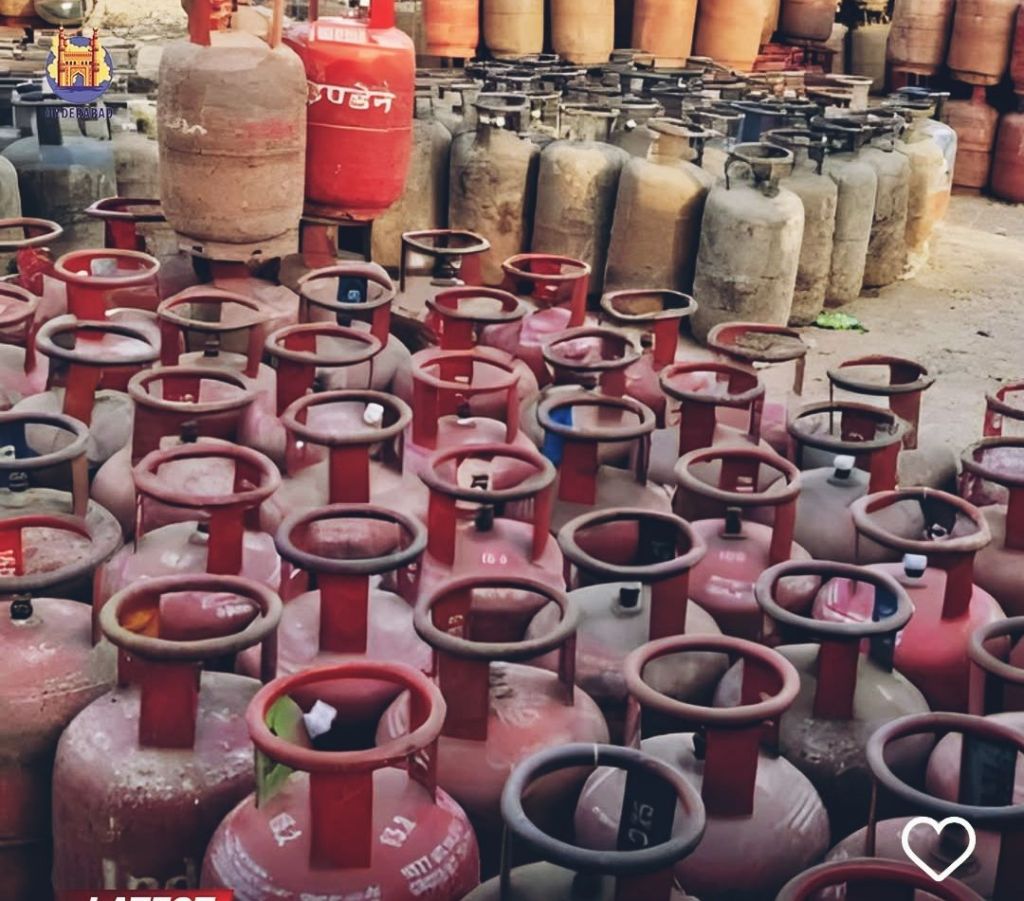
At the centre of this transformation stands a quiet symbol: the LPG cylinder. That steel object resting in millions of Indian kitchens is more than fuel storage; it is the state’s most visible contract with the citizen. It represents stability, predictability, and the promise that cooking will never become a crisis. But when Hormuz becomes unstable, that promise becomes expensive, logistically fragile, and strategically dangerous. The cylinder suddenly turns into a vulnerability—because every refill depends on shipping confidence, port certainty, bottling continuity, and transport coordination. When the world trembles, the cylinder becomes a liability that the state can no longer afford to subsidise as an urban habit.
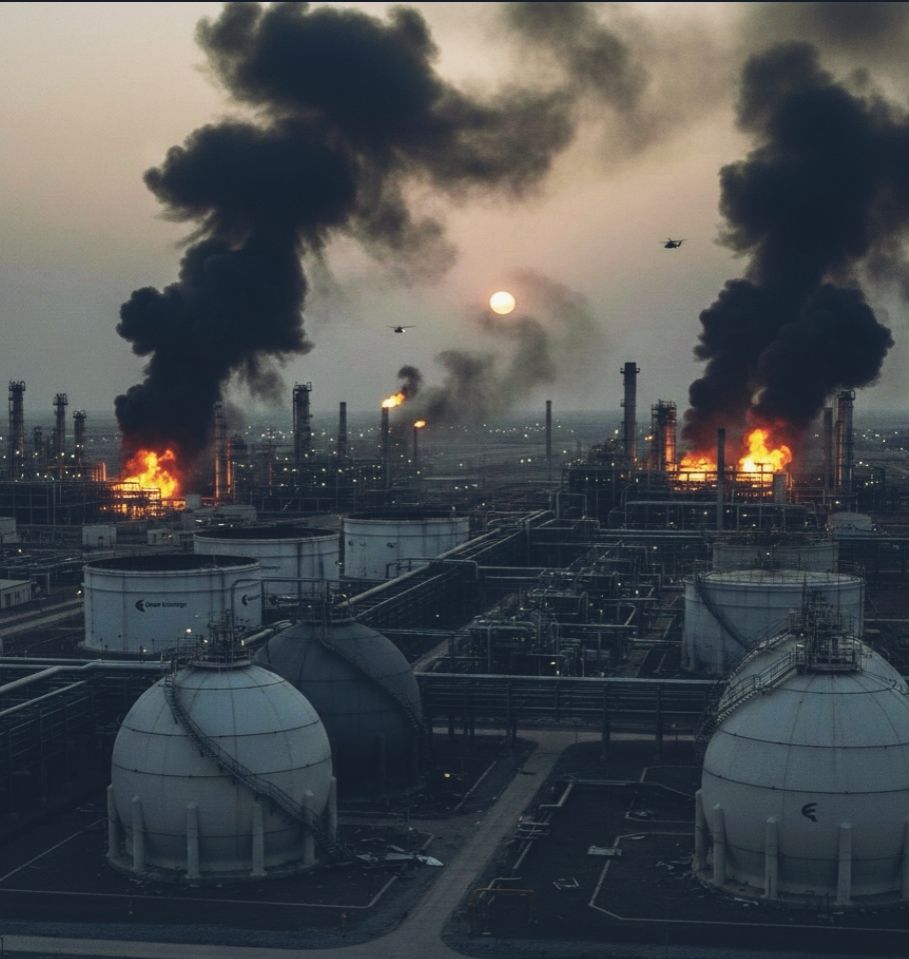
Hormuz functions like a geopolitical choke valve. Even minor disruptions trigger cascading panic because global energy trade is built not on abundance, but on predictability. A drone strike, even if it causes limited physical damage, injects risk into the corridor. Insurance premiums rise instantly, shipping routes are reconsidered, tanker schedules stall, and traders begin pricing fear faster than governments can issue reassurance. The energy market is not governed only by barrels and cargo—it is governed by psychology, speculation, and the invisible mathematics of risk premium. The result is a chain reaction where perceived danger becomes real scarcity.
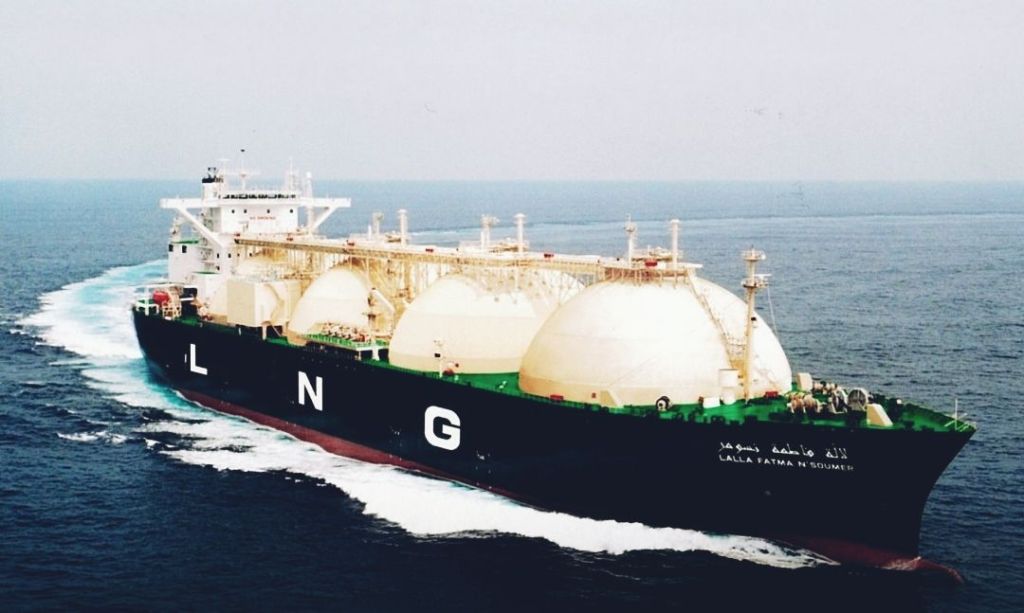
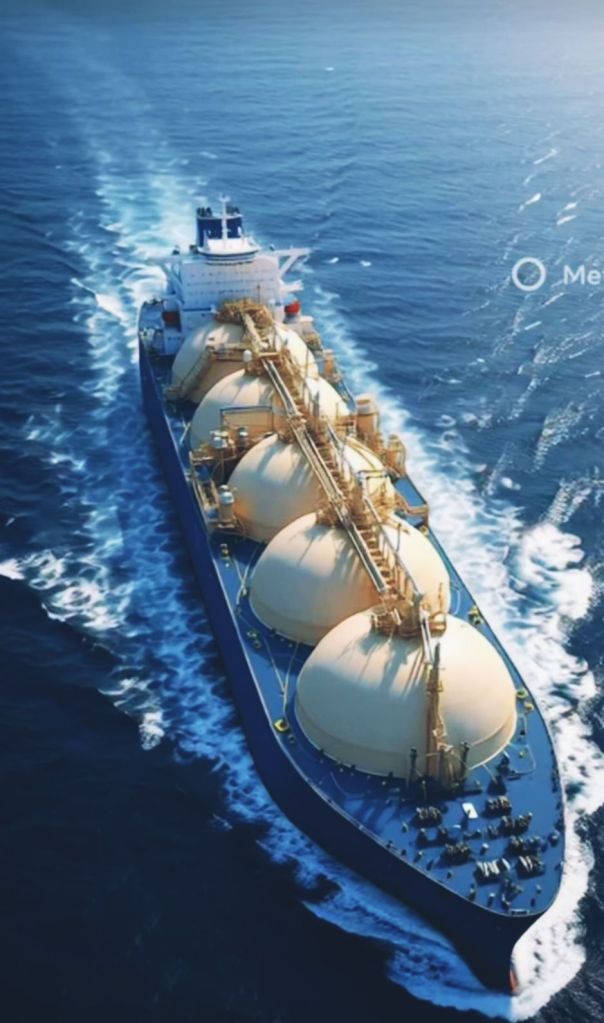
For India, this is particularly lethal because gas cannot be improvised. LNG is not coal that can be stockpiled in mountains; it is a cold-chain product with fragile logistical dependence. Once tankers are delayed, supply becomes staggered; once supply is staggered, distribution becomes triage; once triage begins, politics enters the kitchen. This is the brutally linear logic of energy vulnerability: disruption abroad becomes scarcity at home, and scarcity at home becomes administrative coercion. Under the 2026 order, households and housing societies with access to Piped Natural Gas are given a legal ultimatum: migrate to PNG within 90 days and abandon LPG permanently, or face complete discontinuation of cylinder supply.
The strategy is cold, unsentimental, and deeply strategic. LPG cylinders are logistically expensive—bottling plants, cylinder maintenance, fleets, last-mile delivery networks, and administrative supervision. PNG, once installed, converts gas into a utility like electricity: continuous, predictable, and far less vulnerable to maritime disruption. If Hormuz remains unstable, the state cannot allow urban India to remain dependent on a fuel system that requires constant physical refilling. Cities must move to pipelines so that cylinders can be reserved for rural and remote regions where pipelines cannot reach. Yet the true radicalism lies not in the objective, but in the speed: the government is attempting in 90 days what infrastructure normally achieves in five years.
This is where crisis governance reveals its most revolutionary weapon: “deemed approval.” If municipal corporations or road departments delay permissions for digging, approval is automatically assumed. This reverses the DNA of Indian bureaucracy. Under normal governance, paperwork strangles infrastructure; under crisis governance, law strangles delay. Even gated housing societies—urban India’s private micro-republics—have been stripped of veto power, with only three working days to grant access to authorised crews. Simultaneously, companies are compelled to deliver: failure to commence work within four months invites penalties severe enough to include loss of exclusive rights. It is dual-sided enforcement—citizens are compelled to accept, and corporations are compelled to execute—monitored centrally through the Petroleum and Natural Gas Regulatory Board.
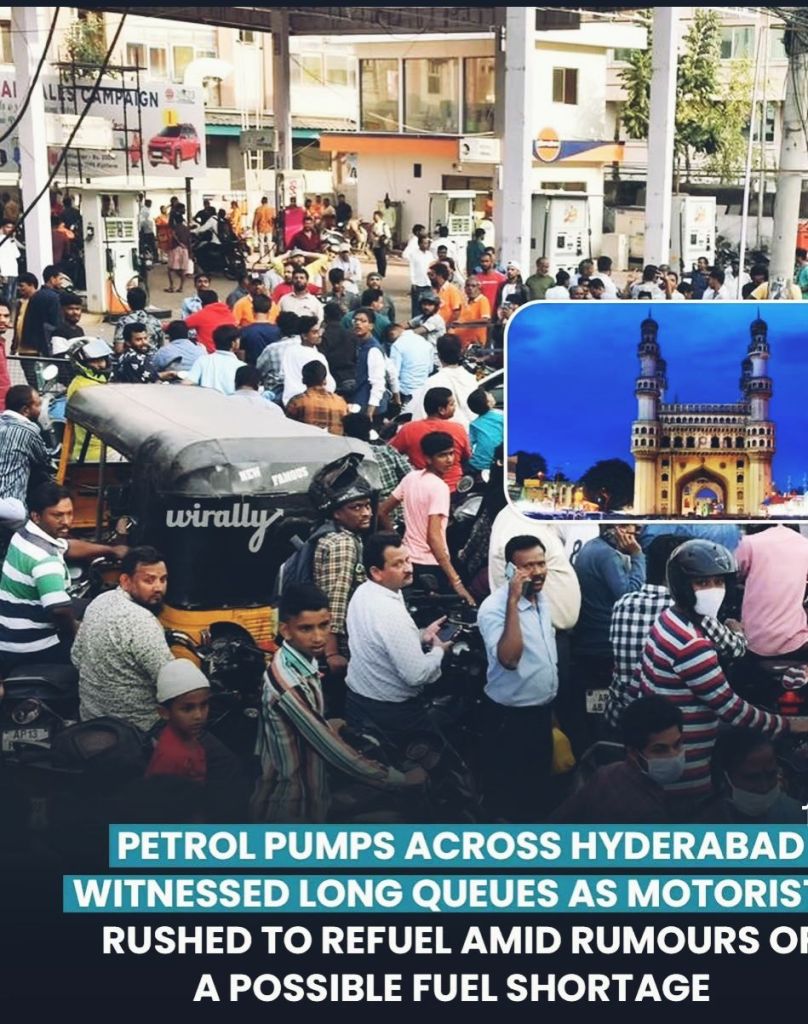
The same crisis logic surfaced dramatically in Hyderabad, where panic buying created chaotic queues and near breakdown at fuel stations. Consumption surged abnormally, forcing the system to push 22,127 KL in a single day against an average of 13,231 KL. Official reassurances followed: there is no shortage. Yet the deeper truth was more unsettling. The crisis was not of physical scarcity, but of liquidity. Nearly 40% of diesel sales function on informal credit—fuel today, payment later. When oil marketing companies tightened cash discipline and demanded upfront payment, dealers were paralysed because their working capital was trapped in unpaid credit cycles. Fuel existed in depots, but it could not reach pumps because the financial handshake collapsed. The economy did not run out of diesel; it ran out of trust.
That is the real lesson of Hormuz to Hyderabad: India’s energy system is half steel and half psychology. Refineries, pipelines, tankers, and depots form the skeleton. But credit cycles, trust networks, permissions, compliance behaviour, and government credibility form the nervous system. When the nervous system fails, the body convulses. In this new geopolitical era, national security is not only about missiles and armies. It is about whether a household stove can ignite tomorrow morning. And disturbingly, that flame is now connected to the next drone that flies over Hormuz.
VISIT ARJASRIKANTH.IN FOR MORE INSIGHTS
 SOCIAL PERSPECTIVES