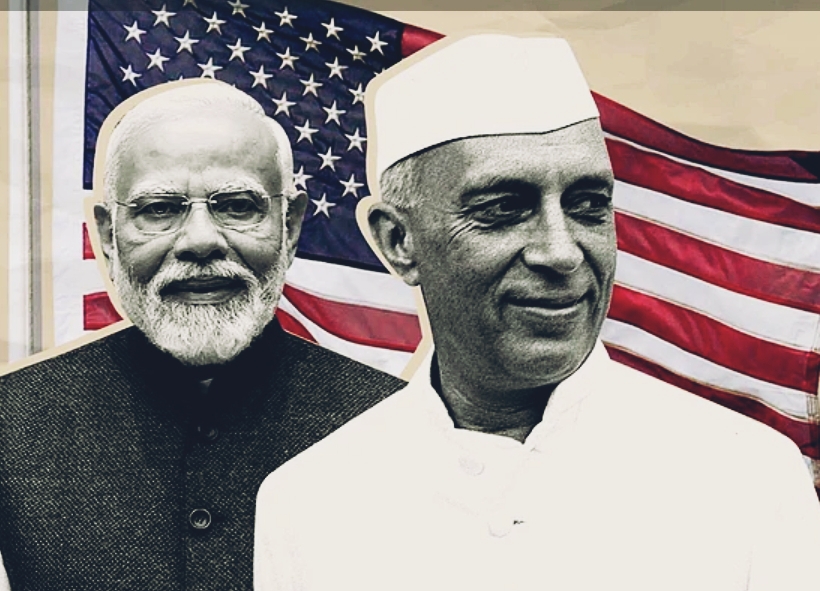
In the long arc of India’s strategic evolution, certain episodes transcend their immediate context to become enduring metaphors of statecraft. The 1953 thorium nitrate episode under Jawaharlal Nehru and the contemporary oil diplomacy choices under Narendra Modi belong to this rare category. Separated by seven decades, divergent global orders, and contrasting political idioms, both moments converge upon a single, persistent dilemma: how does India remain sovereign in a world structurally inclined to constrain its choices? The answer, in both instances, lies not in theatrical defiance or passive compliance, but in the subtle craft of calibrated autonomy—where resistance is measured, alignment is selective, and survival depends on preserving strategic manoeuvrability.
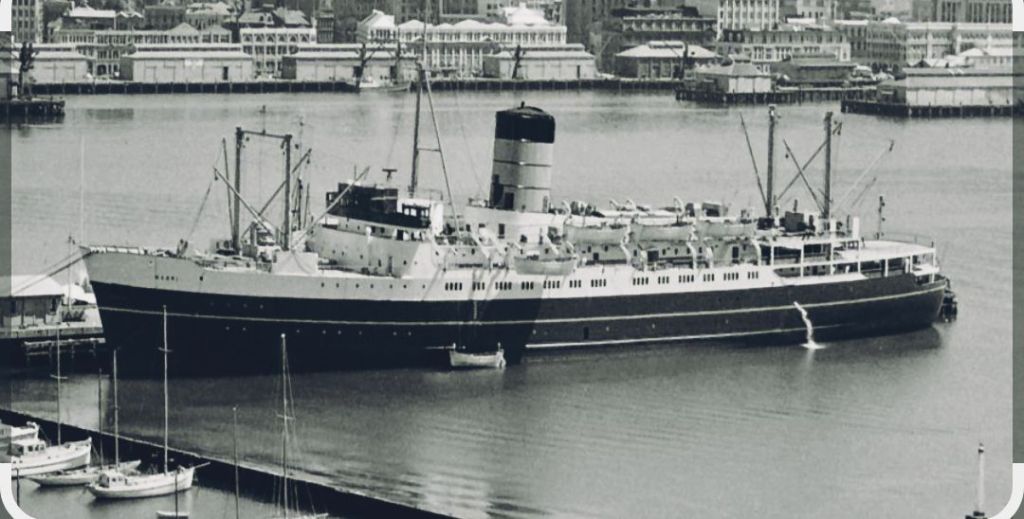
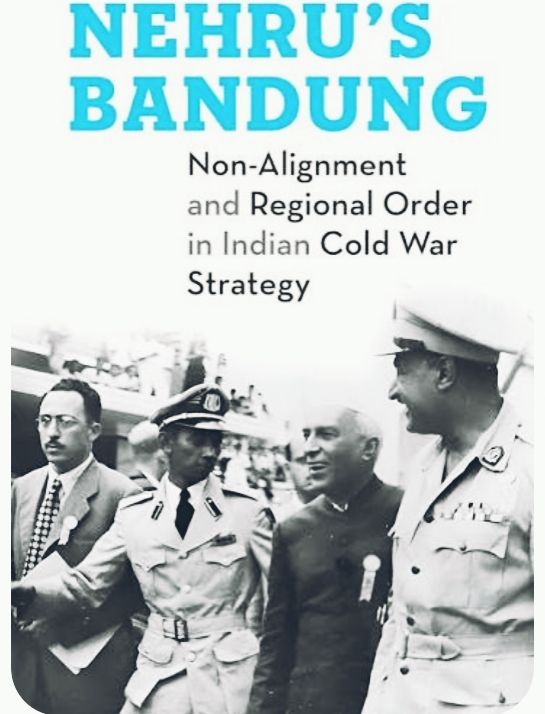
The thorium nitrate episode of 1953 was not merely a technical dispute over the shipment of a strategic material; it was an early test of India’s philosophical commitment to sovereignty. The United States, guided by Cold War export control regimes, sought to discipline the flow of sensitive resources within the rigid logic of bloc politics. For a newly independent and economically fragile India, acquiescence would have been expedient. Yet Nehru’s refusal to yield was neither rhetorical nationalism nor abstract idealism. It was a carefully calibrated assertion that political independence without economic and strategic autonomy would remain incomplete. His doctrine of non-alignment, often misunderstood as passive neutrality, was in fact an active strategy designed to resist binary geopolitical choices in a deeply polarized world.
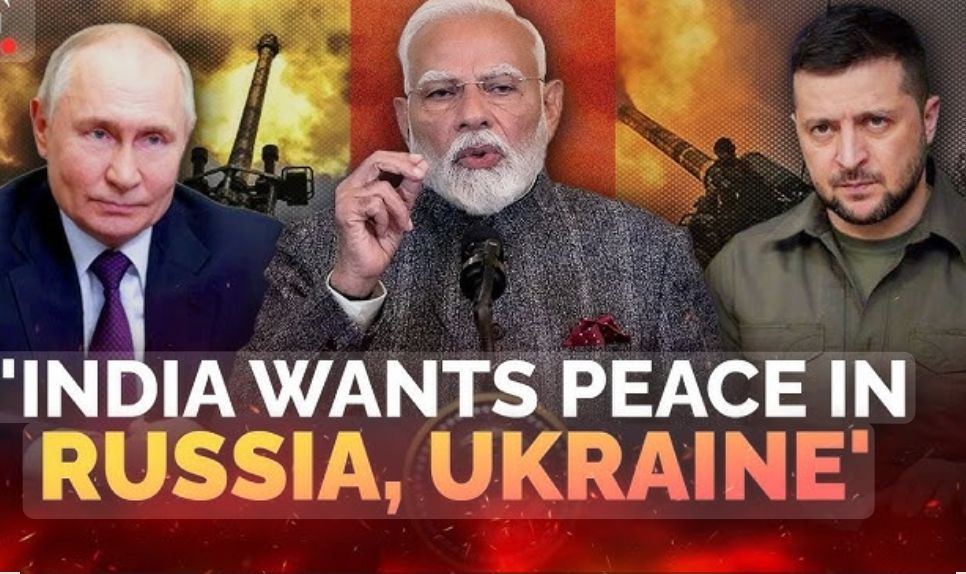
Fast forward to the twenty-first century, and the contours of the dilemma remain strikingly familiar, even as the vocabulary has evolved. During the Iran oil crisis and more sharply amid the Ukraine conflict, India encountered sustained pressure from Western powers to align its energy and diplomatic postures with a broader geopolitical consensus. Modi’s decision to continue—and indeed expand—imports of Russian oil while maintaining formal neutrality drew criticism framed in moral and strategic terms. Yet, much like Nehru’s earlier stance, this was not an act of defiance for its own sake, but an exercise in strategic calibration. In an unevenly multipolar world, India’s choices are shaped by intersecting compulsions—energy security, economic stability, and the enduring challenge of managing an assertive China.
What binds these two leaders across time is not ideological similarity but structural constraint. Nehru operated within a rigid bipolar order defined by the United States and the Soviet Union; Modi navigates a more complex geometry involving Washington, Moscow, and Beijing. Yet in both eras, India occupies an intermediate position—too consequential to be ignored, yet insufficiently dominant to dictate outcomes. This asymmetry produces a recurring strategic posture: resist alignment without inviting isolation, engage multiple centres of power without surrendering agency. Non-alignment in Nehru’s era and multi-alignment in Modi’s are thus not divergent doctrines but contextual adaptations of the same underlying principle—strategic autonomy as a continuous negotiation.
Geography sharpens this continuity into compulsion. Both leaders confronted a volatile neighbourhood that constrained their strategic latitude. For Nehru, the rise of China and unresolved border tensions imposed caution even as he articulated expansive internationalist ideals. For Modi, the post-Galwan environment and an assertive Beijing necessitate a delicate balancing act—deepening partnerships with the West while avoiding escalatory confrontation. In both contexts, foreign policy is not an abstract exercise in principle but a pragmatic response shaped by immediate territorial and security realities. Ideological purity, however desirable, remains a luxury that geography seldom permits.
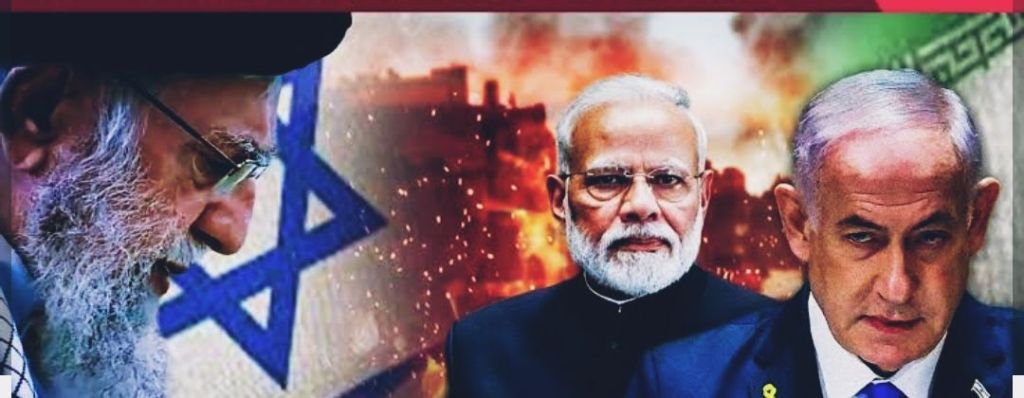
Equally consequential is the domestic dimension that underwrites these external choices. Nehru faced critics who alternately accused him of excessive idealism and insufficient assertiveness; Modi confronts a similarly polarized discourse that oscillates between charges of pragmatism and compromise. Yet both operate within the same structural tension: reconciling domestic political expectations with external strategic pressures. Economic imperatives—whether the scarcity of industrial inputs in the 1950s or contemporary concerns of energy security and inflation—further compress the space for moral absolutism. Foreign policy, in such circumstances, becomes less about choosing between right and wrong than about navigating between competing necessities.
The deeper philosophical insight that emerges from this parallel is both sobering and instructive: sovereignty in the modern world is not an absolute condition but a negotiated practice. Nehru’s decision to allow the thorium shipment to proceed was not an isolated act of defiance; it was part of a broader effort to carve out strategic space within systemic constraints.
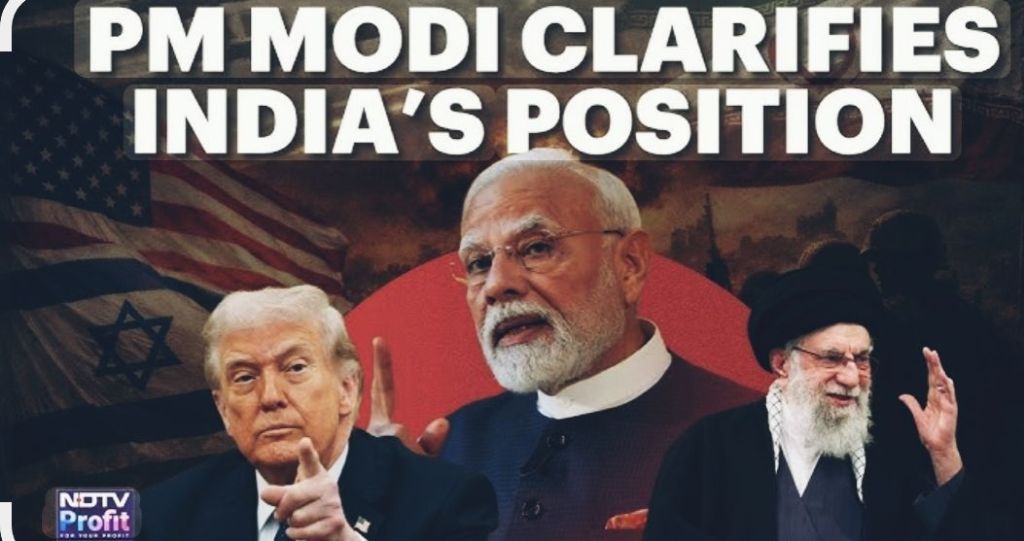
Similarly, Modi’s oil diplomacy is not merely transactional economics; it is a mechanism to preserve flexibility in a world where rigid alignments can rapidly become liabilities. In both cases, the objective is not immediate victory in a singular diplomatic contest, but the preservation of long-term strategic choice.
Yet, divergences matter as much as continuities. India today is not the India of 1953. It is a nuclear-armed state with a significantly larger economy, deeper global integration, and greater diplomatic leverage. This expanded capability allows for a more confident articulation of autonomy, even as it introduces new vulnerabilities rooted in interdependence. Where Nehru’s challenge was to build capacity from scarcity, Modi’s is to manage complexity amid abundance. The instruments of policy have evolved, but the discipline required to deploy them judiciously remains constant.
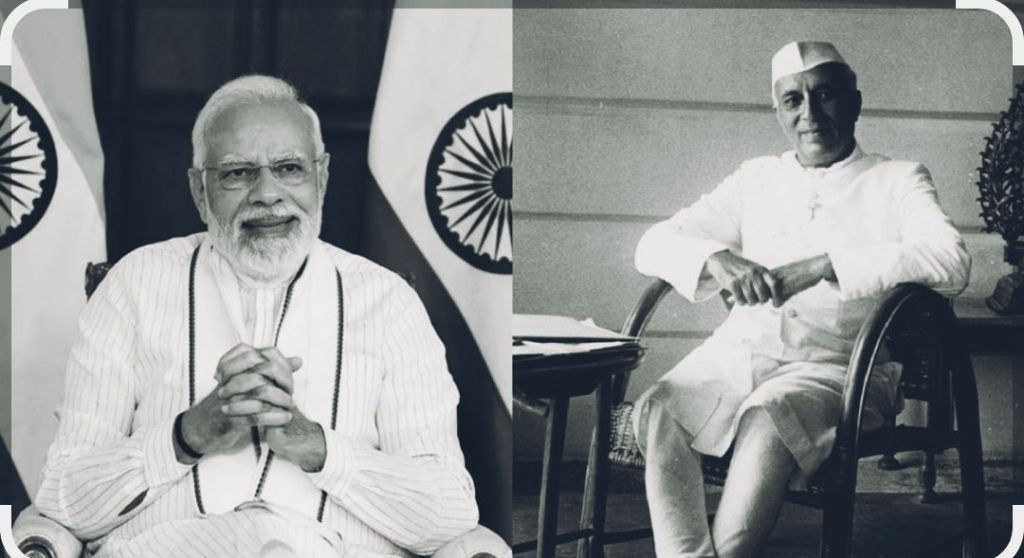
Ultimately, the enduring lesson from this historical echo is that strategic autonomy is not secured through singular acts of defiance but through consistent, disciplined navigation of constraints. It demands diversification of partnerships, investment in domestic capabilities, and institutional resilience that outlasts individual leadership. Above all, it requires the political will to absorb short-term criticism in pursuit of long-term flexibility. The image of a thorium-laden ship in 1953 and oil tankers in the 2020s are not isolated घटनाएँ but enduring symbols of India’s statecraft—a nation perpetually negotiating its place in a hierarchical world, refusing subordination while avoiding unnecessary confrontation. Between principle and pragmatism, India’s foreign policy remains an intricate balancing act—an ongoing voyage where every decision is both a compromise and a quiet, deliberate assertion of sovereignty.
VISIT ARJASRIKANTH.IN FOR MORE INSIGHTS
 SOCIAL PERSPECTIVES