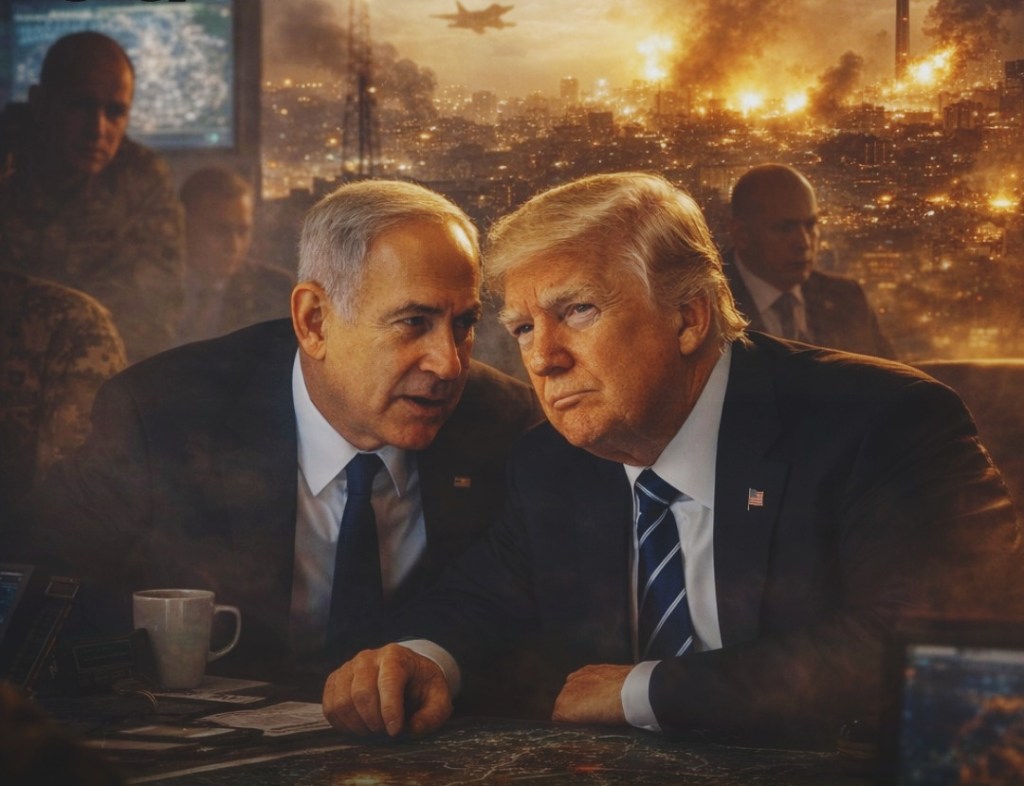
In the contemporary architecture of geopolitics, wars are no longer merely the by-products of material contestations over territory, resources, or ideology; they are increasingly shaped by the psychological imprints of those who command power. The trajectories of Benjamin Netanyahu and Donald Trump illuminate a disquieting transformation: global instability today often originates as much in the interior worlds of leaders as in the external structure of international relations. When institutional guardrails weaken, personality escapes its private confines and acquires geopolitical consequence. Escalation, in such a setting, ceases to be purely strategic—it becomes expressive, an extension of cognition, insecurity, and self-conception projected onto the global stage.
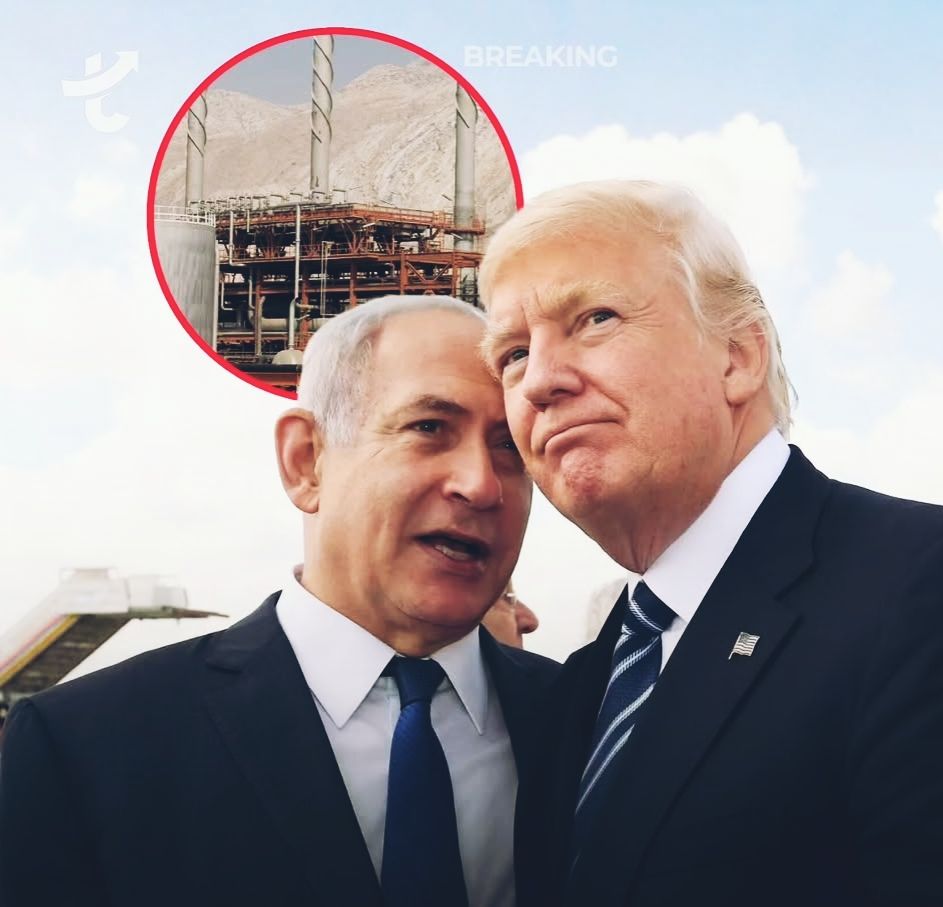
Netanyahu’s psychological architecture is anchored in a deeply internalized grammar of historical vulnerability and existential vigilance. Shaped by an austere intellectual inheritance and a civilizational memory of survival, his worldview converts uncertainty into threat and compromise into strategic risk. This is not mere ideological posture but a cognitive discipline that privileges pre-emption over patience. In moments of domestic fragility—legal scrutiny, coalition fractures, or political dissent—this inner tension frequently finds external release. Conflict becomes not an aberration but a stabilizing instrument, a mechanism through which internal disequilibrium is translated into external assertion, binding domestic constituencies through the unifying force of perceived existential peril.
From this emerges a doctrine of calibrated escalation. Netanyahu does not indulge in chaos; he orchestrates pressure with precision. Military signalling, strategic offensives, and rhetorical intensification are deployed within a framework of calculated risk, often synchronized with the contours of international tolerance, particularly that of the United States. Yet beneath this strategic rationality lies a deeper psychological continuity: conflict as a sustaining equilibrium. The Iranian question, for instance, operates simultaneously as geopolitical concern and narrative necessity—an enduring axis around which political legitimacy, historical identity, and leadership authority are consolidated.
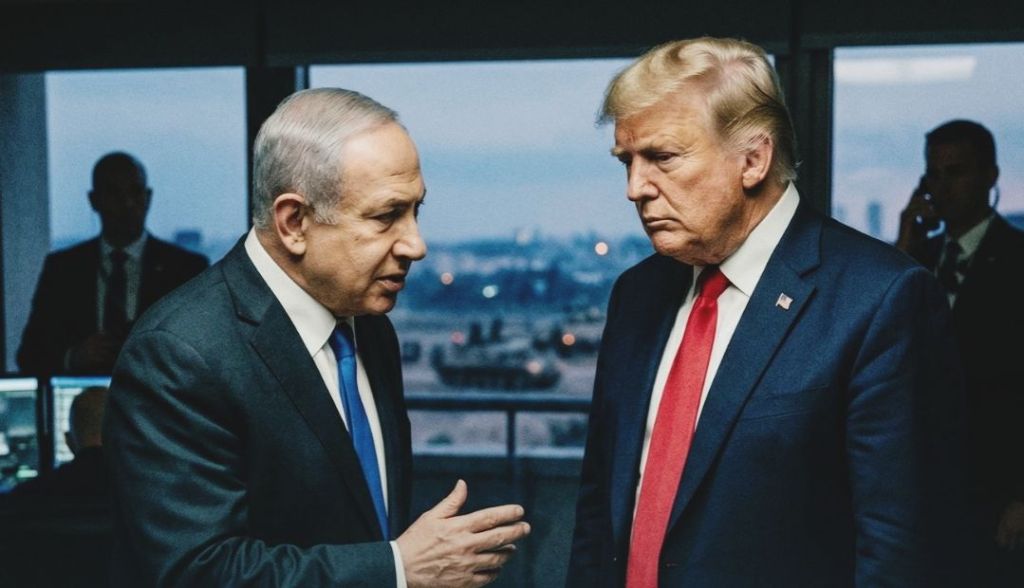
In contrast, Trump’s psychological imprint is less structured by historical anxiety and more by performative assertion. His leadership style converts unpredictability into currency, transforming volatility into a negotiating tool through what is often described as the “madman theory.” However, this is not merely tactical innovation; it is rooted in a cognitive disposition that privileges immediacy over deliberation and perception over institutional process. Decision-making becomes intensely personalized, frequently bypassing expert systems in favour of instinct, loyalty, and spectacle. Contradictions are not resolved but enacted, reinforcing a performative narrative of dominance where disruption itself becomes proof of authority.
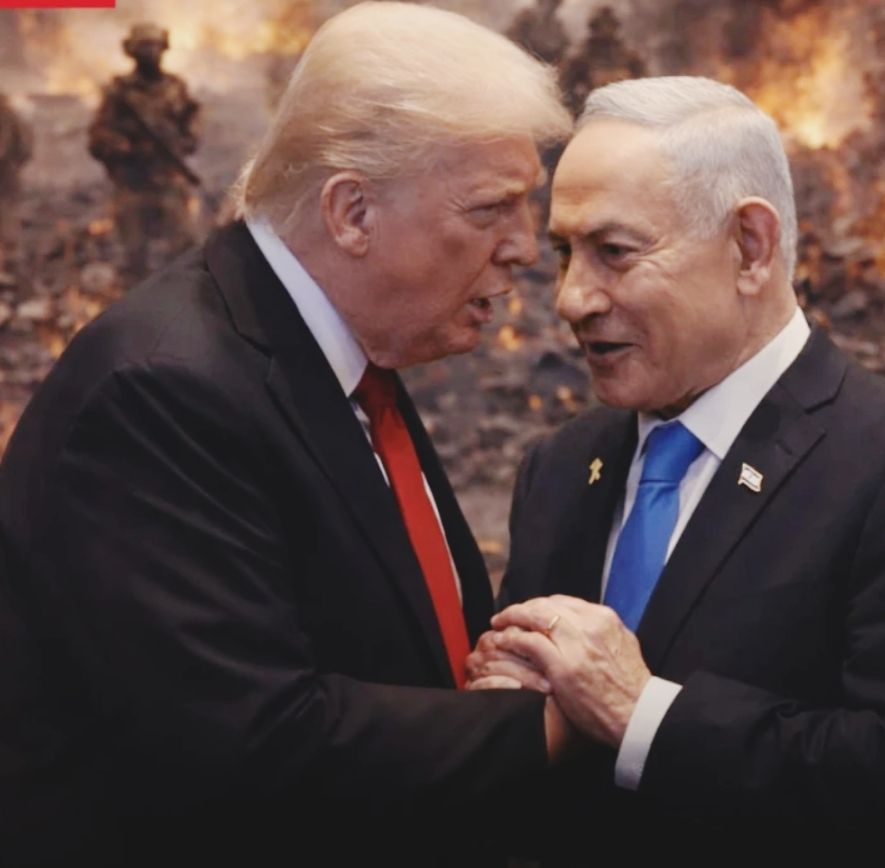
Trump’s withdrawal from the Iran nuclear agreement exemplifies this psychological modality. The act was not simply a recalibration of policy but a symbolic rupture—of multilateralism, institutional continuity, and inherited consensus. Foreign policy, in this frame, becomes an extension of personal will, shaped as much by repudiation as by strategy. Escalation thus emerges less as a carefully sequenced objective and more as an incidental outcome of the need to project strength. The paradox is stark: unpredictability, initially leveraged as leverage, gradually erodes credibility, converting strategic ambiguity into systemic instability.
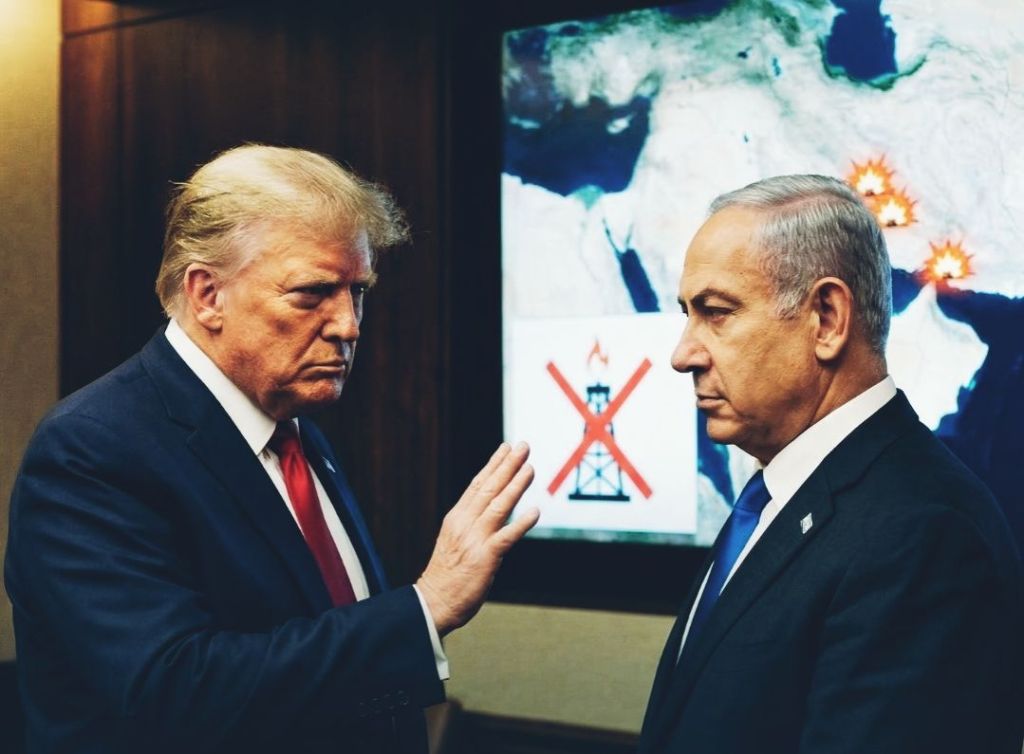
What is most consequential, however, is the convergence of these divergent psychologies. Netanyahu’s calculated externalization of internal pressures and Trump’s impulsive performativity intersect in a shared reliance on escalation as an instrument of control. One seeks stability through managed confrontation; the other asserts authority through disruption. Together, they generate a reinforcing feedback loop in which provocation and unpredictability amplify each other, particularly in theatres such as Iran where strategic anxieties and performative impulses collide. The result is not episodic tension but a sustained condition of volatility, where crisis becomes normalized and diplomacy increasingly subordinated to the theatre of personality.
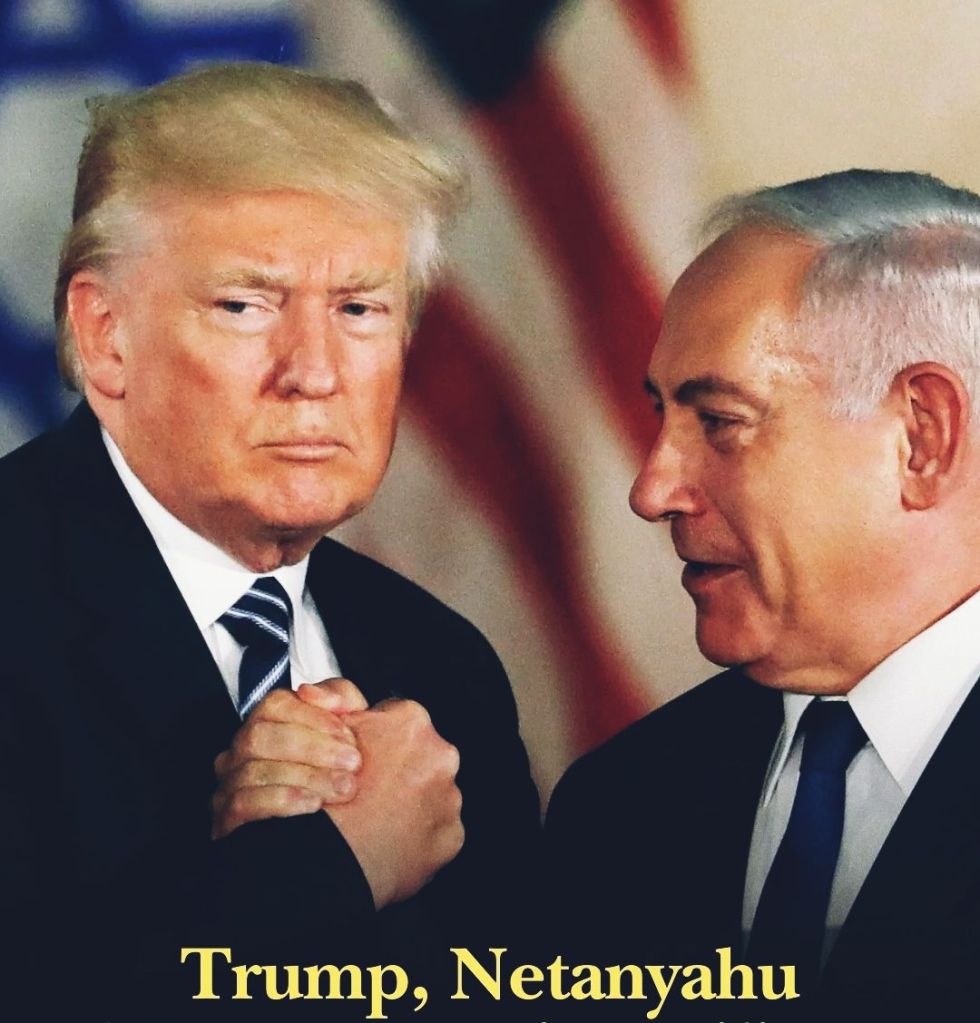
The broader implication is a profound structural vulnerability in contemporary governance: the resurgence of personality as a primary driver of geopolitical outcomes. Democracies are architected to mediate individual temperament through institutions—legislative oversight, judicial restraint, bureaucratic expertise, and normative accountability. When these mediating structures erode, governance regresses toward a more primordial state, where decisions reflect impulse rather than deliberation. The imperative, therefore, is not the impossible quest for psychologically infallible leaders, but the construction of resilient systems that can absorb, channel, and constrain human fallibility. For in an age where the inner lives of leaders can redraw the outer boundaries of conflict, the ultimate safeguard of peace lies not in personality, but in the enduring discipline of institutions.
VISIT ARJASRIKANTH.IN FOR MORE INSIGHTS
 SOCIAL PERSPECTIVES