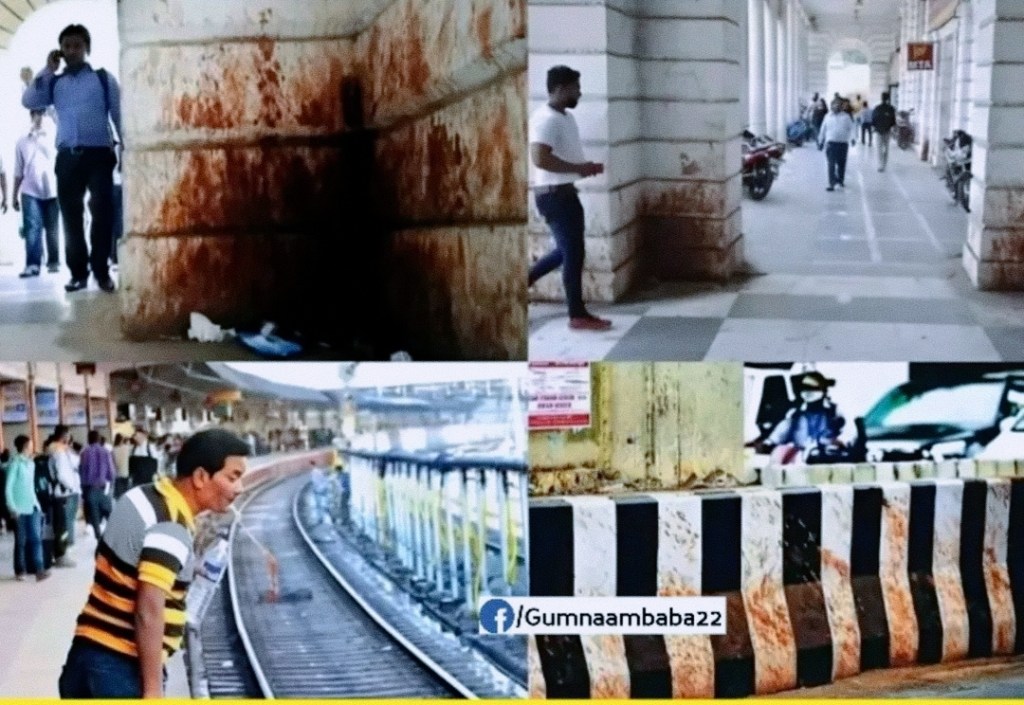
For decades, tobacco has remained India’s most predictable public health catastrophe, claiming nearly 1.35 million lives every year through diseases ranging from oral cancer to cardiovascular failure. For a time, policymakers believed the tide was turning. Major surveys such as the Global Adult Tobacco Survey and the National Family Health Survey indicated that tobacco consumption among men declined from about 43 percent in 2015–16 to nearly 29 percent by 2019–21. The numbers appeared reassuring, suggesting that awareness campaigns and regulatory measures were beginning to work.
Yet beneath this surface optimism, a more complex and unsettling reality was slowly unfolding—one that only recently emerged through the Household Consumption Expenditure Survey (HCES) 2023–24.
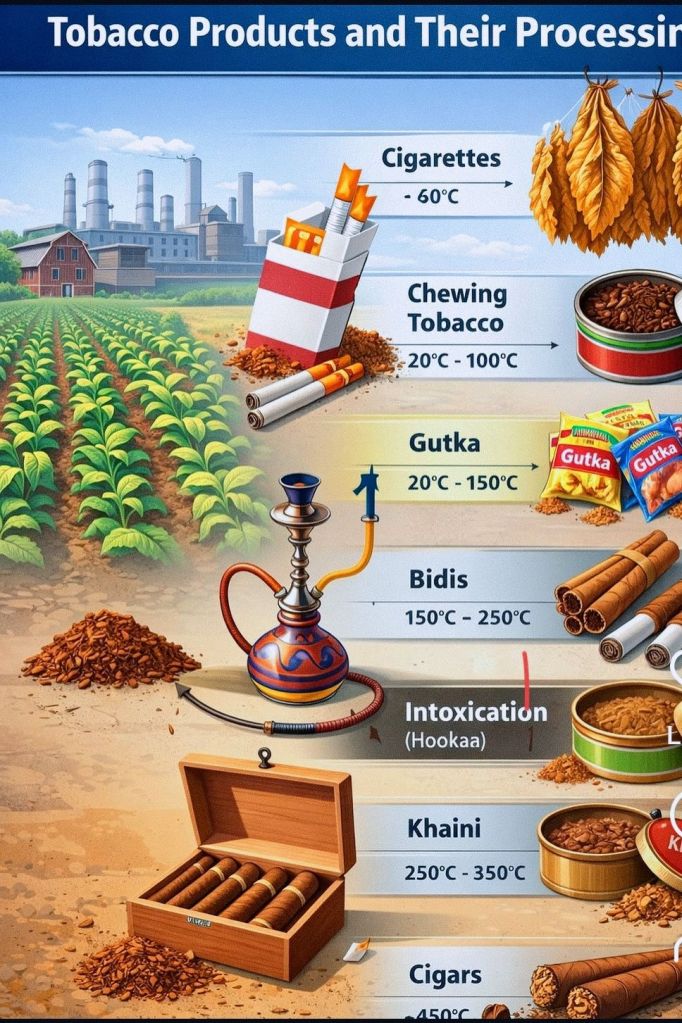
The paradox lies in how tobacco consumption is measured. Health surveys rely on self-reported behavior, asking individuals whether they personally use tobacco. Such questions are vulnerable to social stigma and underreporting, especially in a society where public health messaging has strongly condemned tobacco use. The HCES, however, examines household purchasing behavior—what families actually buy. This subtle methodological shift reveals a stark contrast.
Inflation-adjusted per capita spending on tobacco rose by about 58 percent in rural India and 77 percent in urban areas over the past decade. Even more troubling, the number of tobacco-purchasing rural households has expanded dramatically, now exceeding 130 million households, indicating that tobacco’s economic footprint is growing even as its social acceptability declines.
Improved survey design partly explains this revelation. Earlier consumption surveys relied on long, single interviews where sensitive questions such as tobacco purchases appeared toward the end, when respondents were fatigued. Researchers have long categorized tobacco as a “shame good,” prone to underreporting in hurried surveys. The new HCES addressed this flaw through multiple household visits, digital data collection, validation checks, and expanded product categories, increasing the total items recorded from 347 to 405. In effect, the new methodology did not simply measure consumption—it illuminated patterns that had previously remained hidden in statistical shadows.
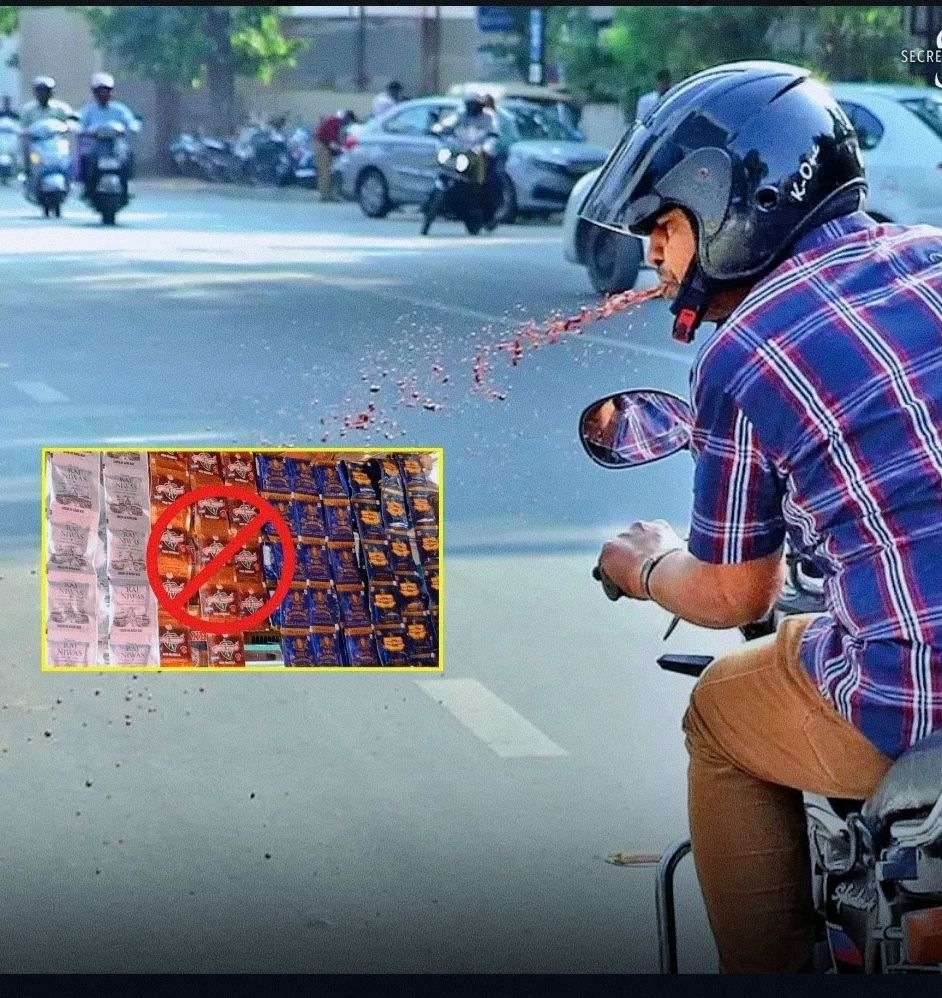
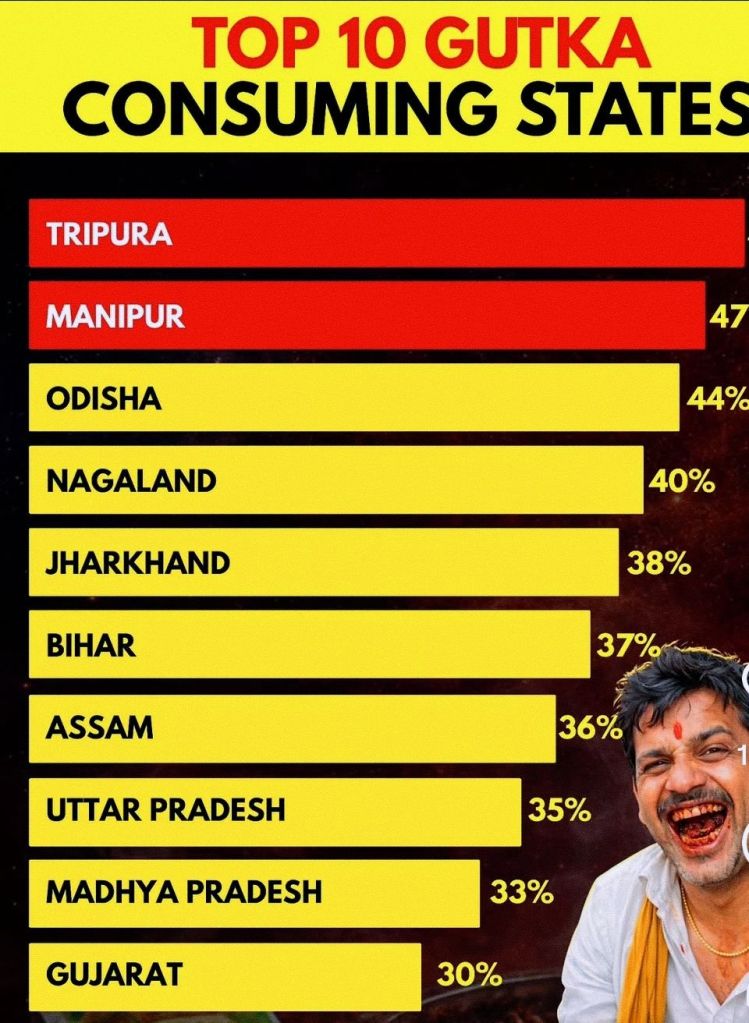
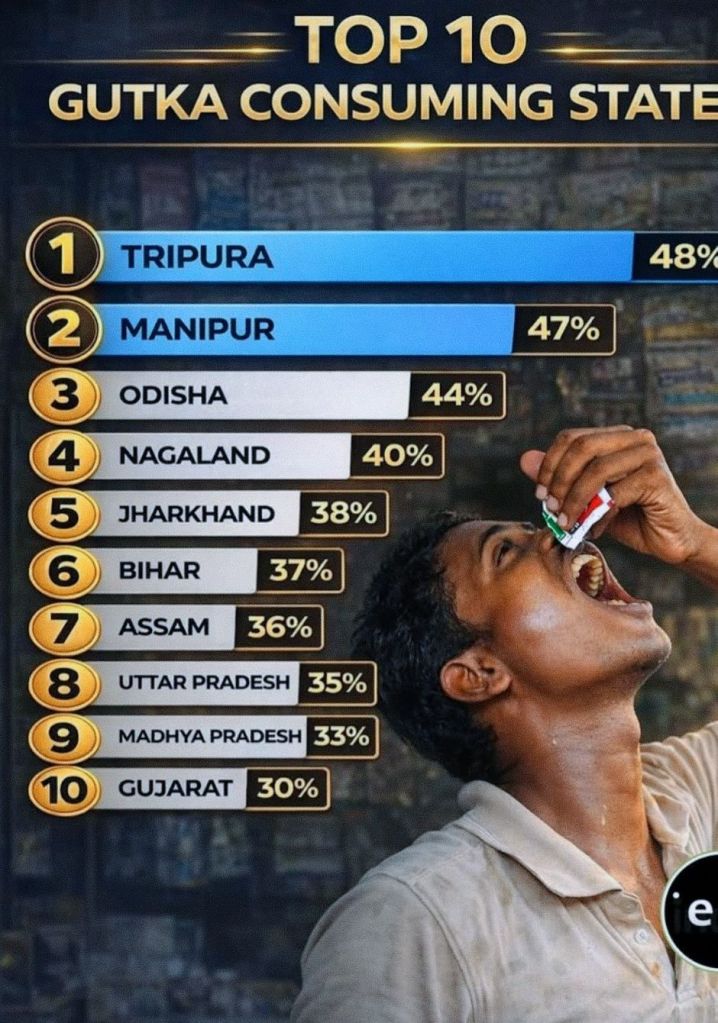
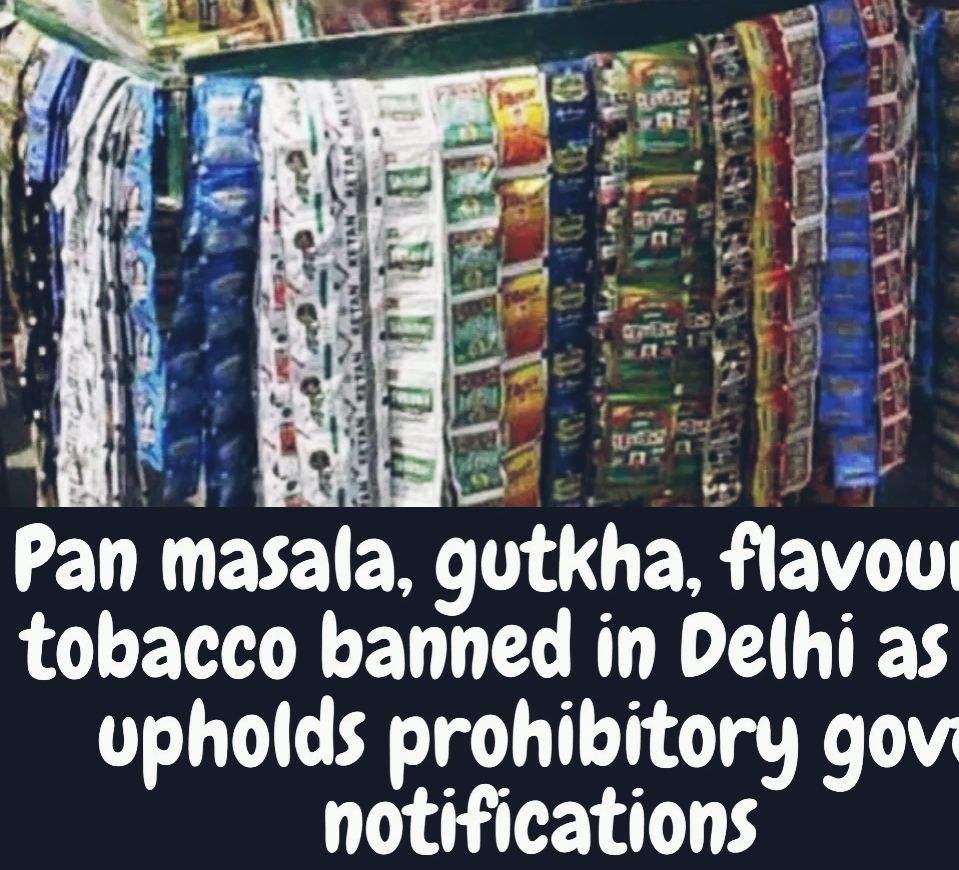
Nowhere is this transformation clearer than in the spread of smokeless tobacco products, particularly gutkha and related mixtures. Despite bans introduced in many states after 2012, consumption has continued to surge across rural India. In Madhya Pradesh, rural household usage reportedly jumped from around 5 percent to nearly 30 percent, while in Uttar Pradesh more than 60 percent of rural households report purchasing such products. The explanation lies less in consumer defiance than in regulatory adaptation. When pre-mixed gutkha was banned, manufacturers simply divided the product into two sachets—one containing pan masala and the other tobacco—allowing consumers to mix them themselves. This “twin-pouch economy”, acknowledged even in judicial observations, has become a thriving workaround across India’s roadside markets.
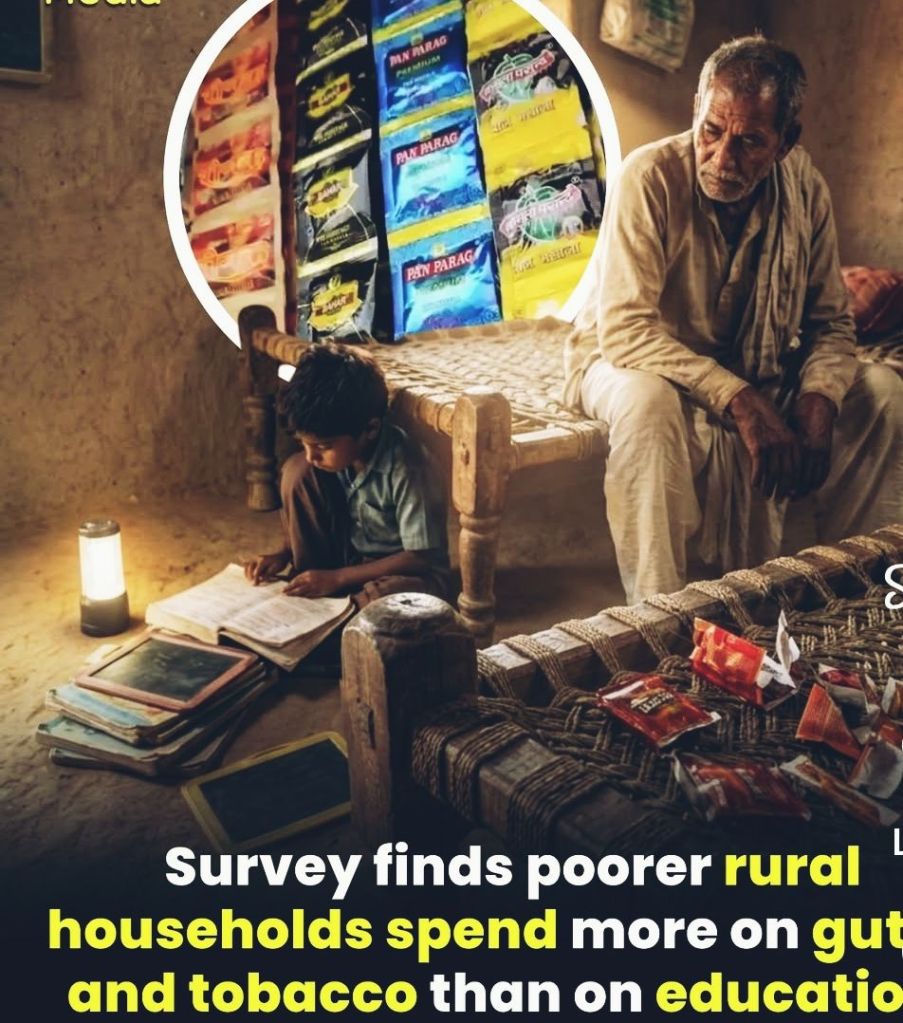
Taxation policies have inadvertently strengthened this system. For years, small tobacco sachets weighing less than ten grams were exempt from declaring a retail sale price, complicating tax enforcement. Manufacturers exploited this loophole by flooding markets with five-rupee pouches, making tobacco affordable even for daily wage labourers. The result is a stark socioeconomic pattern: while cigarettes remain heavily taxed, smokeless tobacco—used disproportionately by poorer populations—has faced weaker fiscal controls. Consequently, more than 70 percent of households in the bottom 40 percent of India’s consumption distribution report regular tobacco purchases, with figures exceeding 85 percent in states such as Uttar Pradesh, Bihar, and Madhya Pradesh.
The consequences extend far beyond health statistics. Tobacco spending is subtly reshaping household priorities in poorer communities. Among the lowest-income families, roughly 4 percent of monthly expenditure goes toward tobacco and intoxicants, compared with about 2.5 percent spent on education. This imbalance reveals how addiction diverts scarce financial resources away from long-term human development. Researchers estimate that reallocating tobacco expenditure toward food alone could significantly improve nutritional intake for millions of children, while tobacco-related healthcare costs already push an estimated 15 million Indians below the poverty line each year.
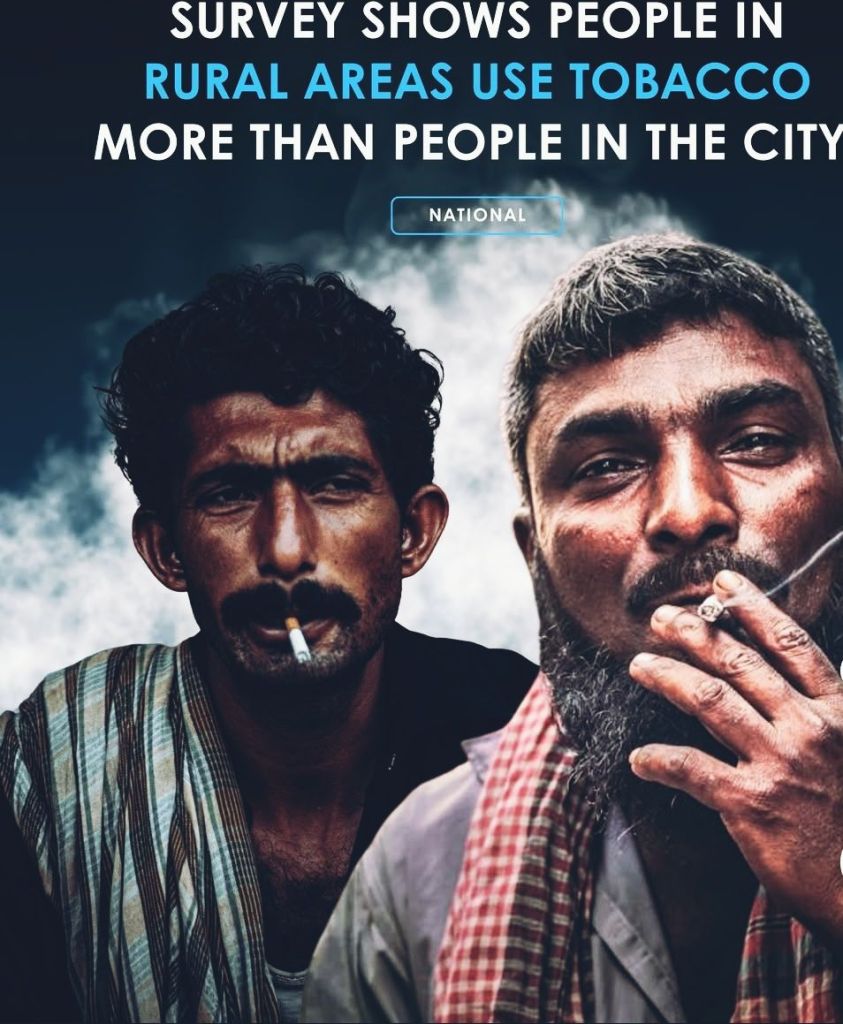
Yet the persistence of tobacco cannot be explained solely through addiction. For millions of agricultural labourers, migrant workers, and construction hands, tobacco functions as a cheap stimulant that suppresses hunger and fatigue during physically exhausting workdays. A five-rupee sachet often substitutes for a meal that cannot be afforded. In this sense, tobacco is embedded not merely in consumer culture but in the survival strategies of the working poor. Policies focused exclusively on taxation risk overlooking the structural poverty that sustains demand.
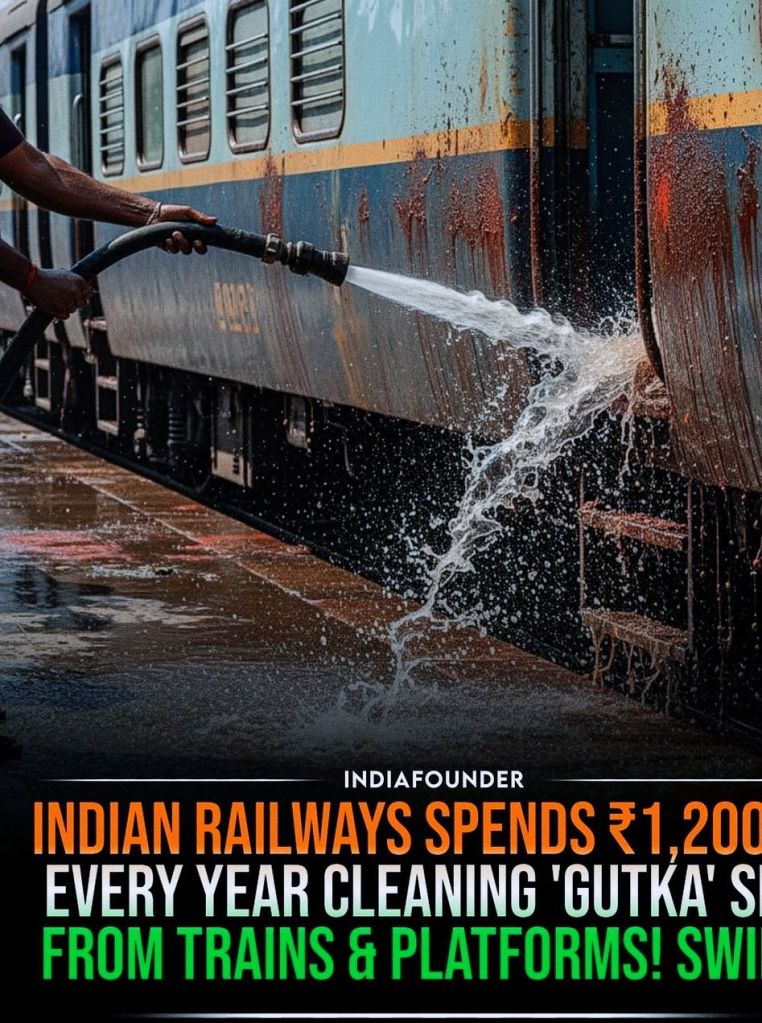
India therefore faces a profound policy paradox. Tobacco-related diseases impose an estimated economic burden of ₹1.3 trillion annually—roughly one percent of GDP, far exceeding the revenue generated through tobacco taxation. Yet the tobacco economy also supports nearly 45 million livelihoods, including millions of small farmers and around five million beedi rollers, many of them rural women with few employment alternatives. The nation is thus caught between two competing realities: tobacco is simultaneously a public health poison and an economic ecosystem.
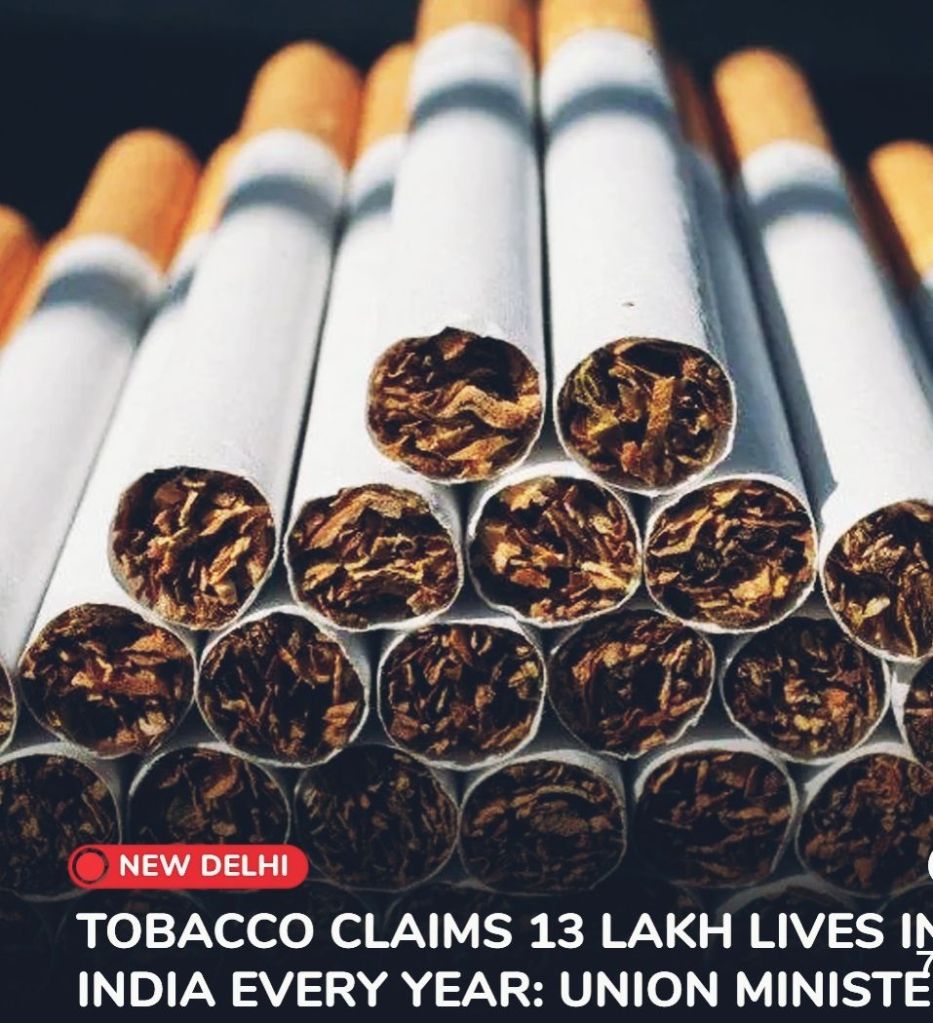
The real question confronting India is no longer whether tobacco is harmful—that debate ended decades ago. The deeper challenge is whether a developing economy struggling with poverty can realistically finance healthcare for tobacco-related diseases while allowing the socioeconomic conditions that sustain tobacco consumption to persist. Until policy addresses this contradiction through stronger regulation, equitable taxation, alternative livelihoods, and poverty reduction, the humble five-rupee sachet will continue its silent journey through India’s villages—leaving behind a trail of cancer, debt, and diminished human potential.
VISIT ARJASRIKANTH.IN FOR MORE INSIGHTS
 SOCIAL PERSPECTIVES