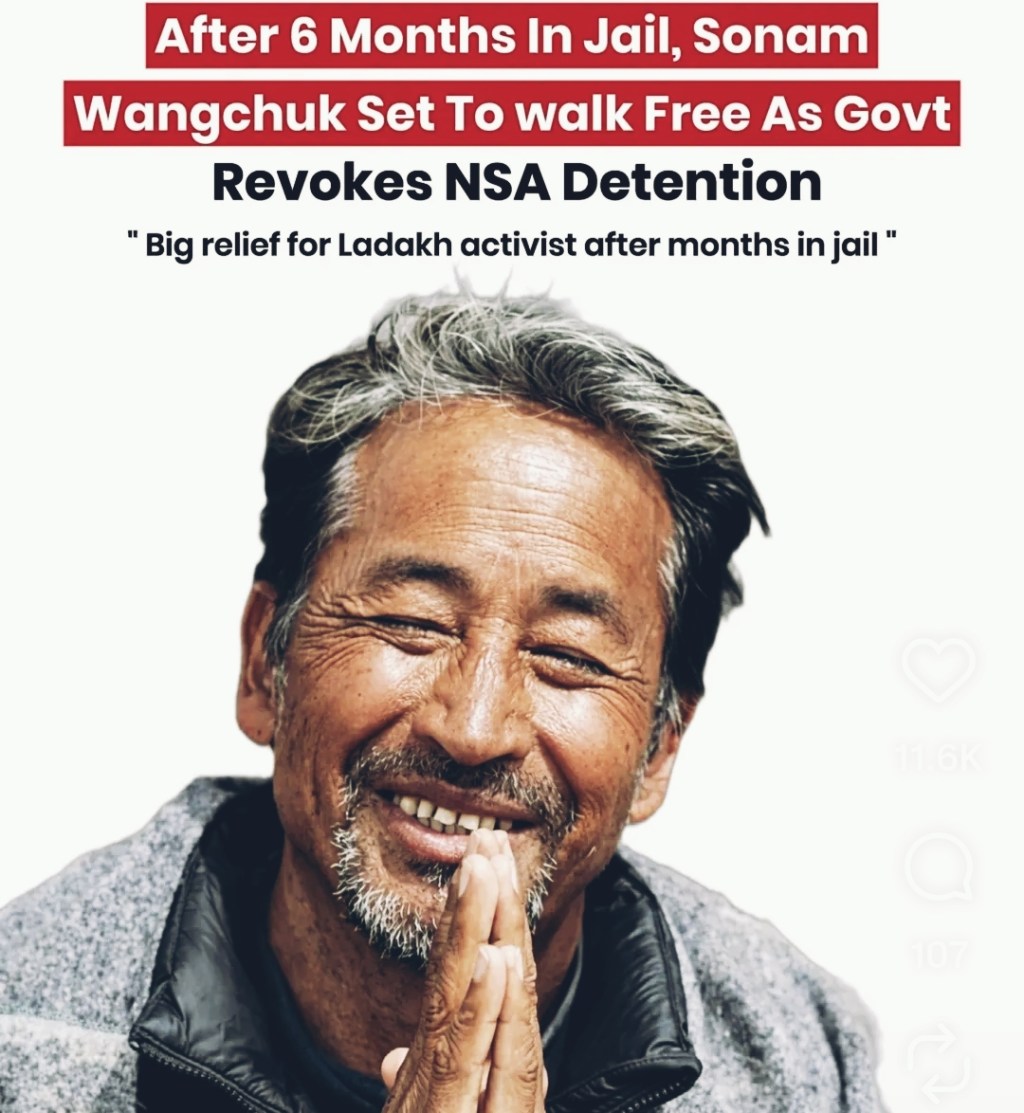
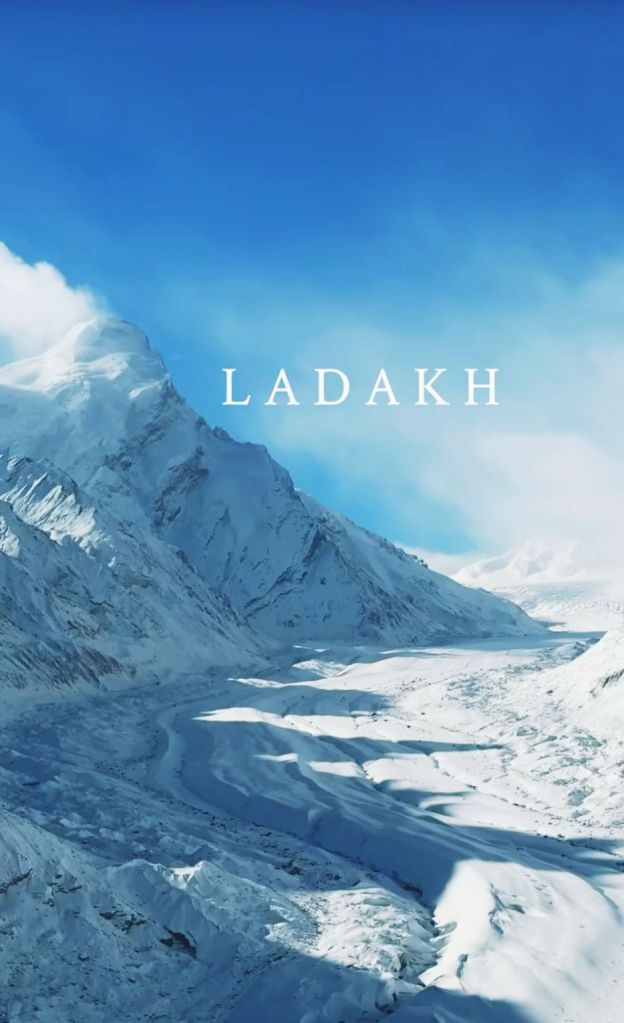
In the vast, contemplative silence of the Himalayas—where glaciers shape civilizations and fragile ecosystems sustain ancient cultures—an extraordinary political moment has unfolded in India’s northern frontier. The recent release of Sonam Wangchuk after nearly six months of detention under the National Security Act has reignited a profound national debate on the balance between security, dissent, and regional identity. Yet his release is not a conclusion; it is a continuation. The deeper questions raised by the episode suggest that the voice of the mountains has not been silenced—it has only grown more assertive.
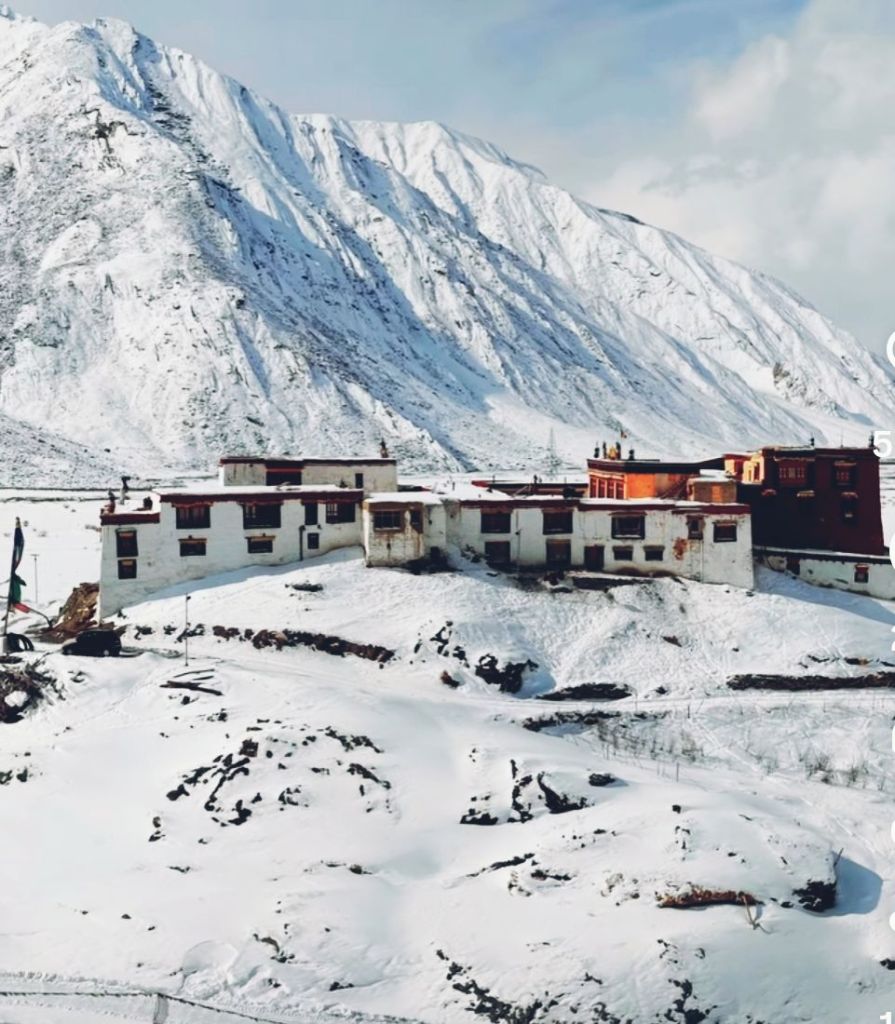
The origins of the crisis lie in the protests that erupted in Ladakh in September 2025, marked by violence, casualties, and widespread unrest. Civil society platforms such as the Leh Apex Body and the Kargil Democratic Alliance mobilized communities around long-standing political concerns. These anxieties trace back to the abrogation of Article 370 in 2019, which led to Ladakh’s transformation into a Union Territory governed directly by the Union government. What was initially seen as an administrative opportunity gradually revealed itself as a political rupture.
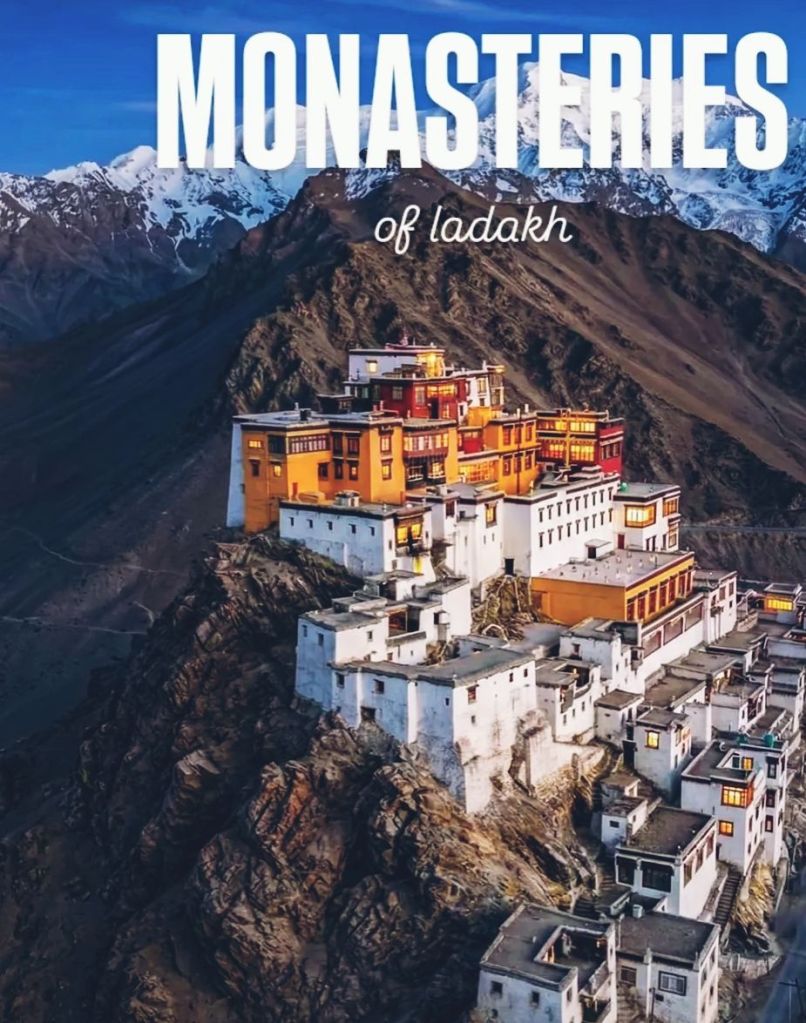
In the immediate aftermath of the reorganization, many residents—particularly in Leh—welcomed the promise of accelerated development and direct central support. However, this optimism soon gave way to an unexpected democratic vacuum. As a Union Territory without a legislature, Ladakh’s governance shifted to an unelected administrative structure, with key decisions on land, employment, and environmental management taken far from the region itself. This distance between decision-making and lived reality created a growing sense of political alienation.
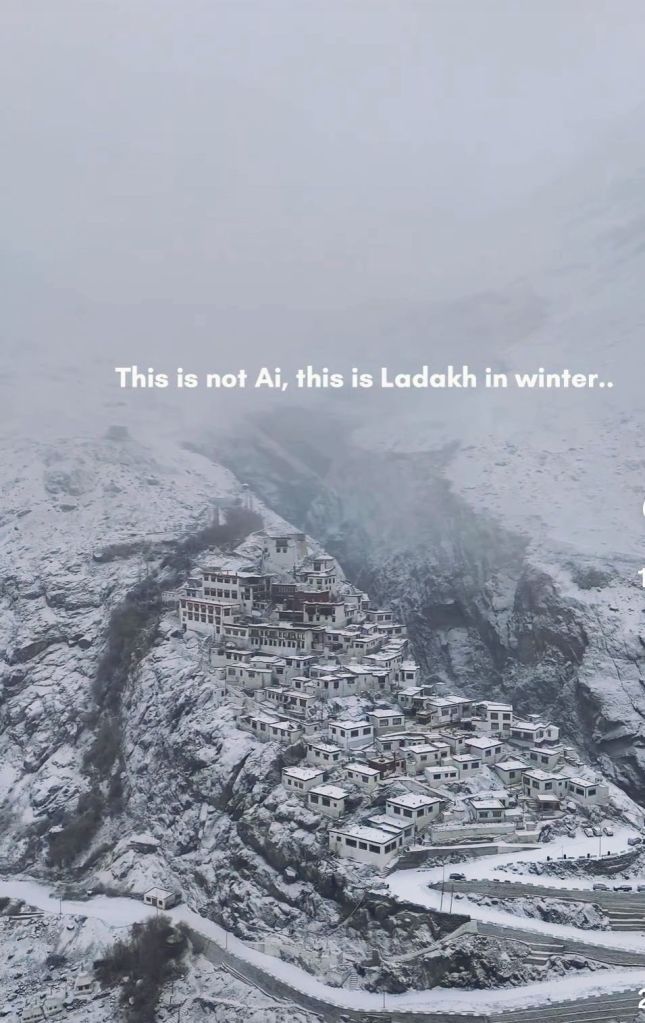
A remarkable political convergence followed. Historically distinct regions—Leh and Kargil—found common ground in their shared demand for constitutional safeguards. Their movement now centres on two key demands: full statehood and inclusion under the Sixth Schedule, which would empower local institutions to regulate land use, protect cultural identity, and manage natural resources. For Ladakh’s communities, these are not abstract political aspirations but essential protections for a region facing ecological fragility and rapid, often unregulated, development pressures.
The controversy surrounding Wangchuk’s detention further intensified this movement. A globally respected innovator and recipient of the Ramon Magsaysay Award, known for pioneering ecological solutions such as artificial glaciers, his arrest created a powerful symbolic contradiction. While authorities justified the action as necessary to maintain public order, critics argued that it blurred the line between legitimate dissent and national security concerns. The use of preventive detention in such a context raised broader questions about proportionality, institutional restraint, and the space available for civil society voices in democratic discourse.
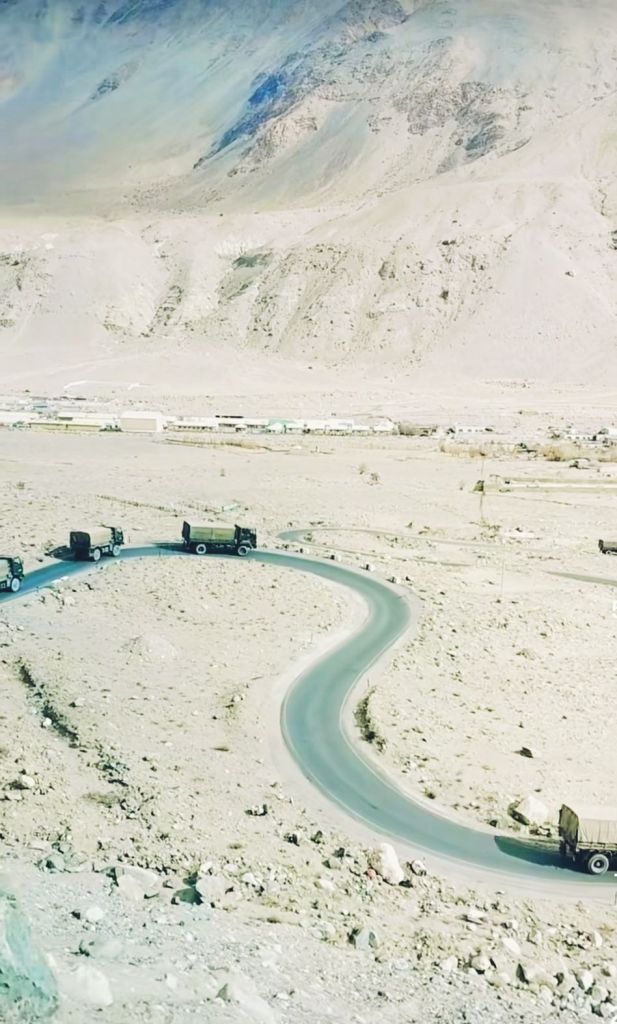
Although the Union government revoked the detention order in March 2026—just ahead of proceedings in the Supreme Court of India—the underlying tensions remain unresolved. Protests continue, even at significant economic cost, as local communities prioritize political voice over immediate financial stability. The Ladakh movement thus transcends regional politics; it speaks to a larger evolution within Indian federalism. It highlights the delicate balance between centralized governance and local autonomy, reminding policymakers that durable stability in sensitive regions cannot be achieved through administration alone—it requires participation, trust, and a willingness to listen.
Ultimately, the episode underscores a timeless truth about governance in complex societies. The state may seek order in a geopolitically sensitive frontier, but citizens seek dignity, representation, and ecological security. Between these imperatives lies the true test of democracy. In giving voice to these concerns, Ladakh is not resisting the nation—it is redefining the terms of its belonging.
VISIT ARJA SRIKANTH.IN FOR MORE INSIGHTS
 SOCIAL PERSPECTIVES