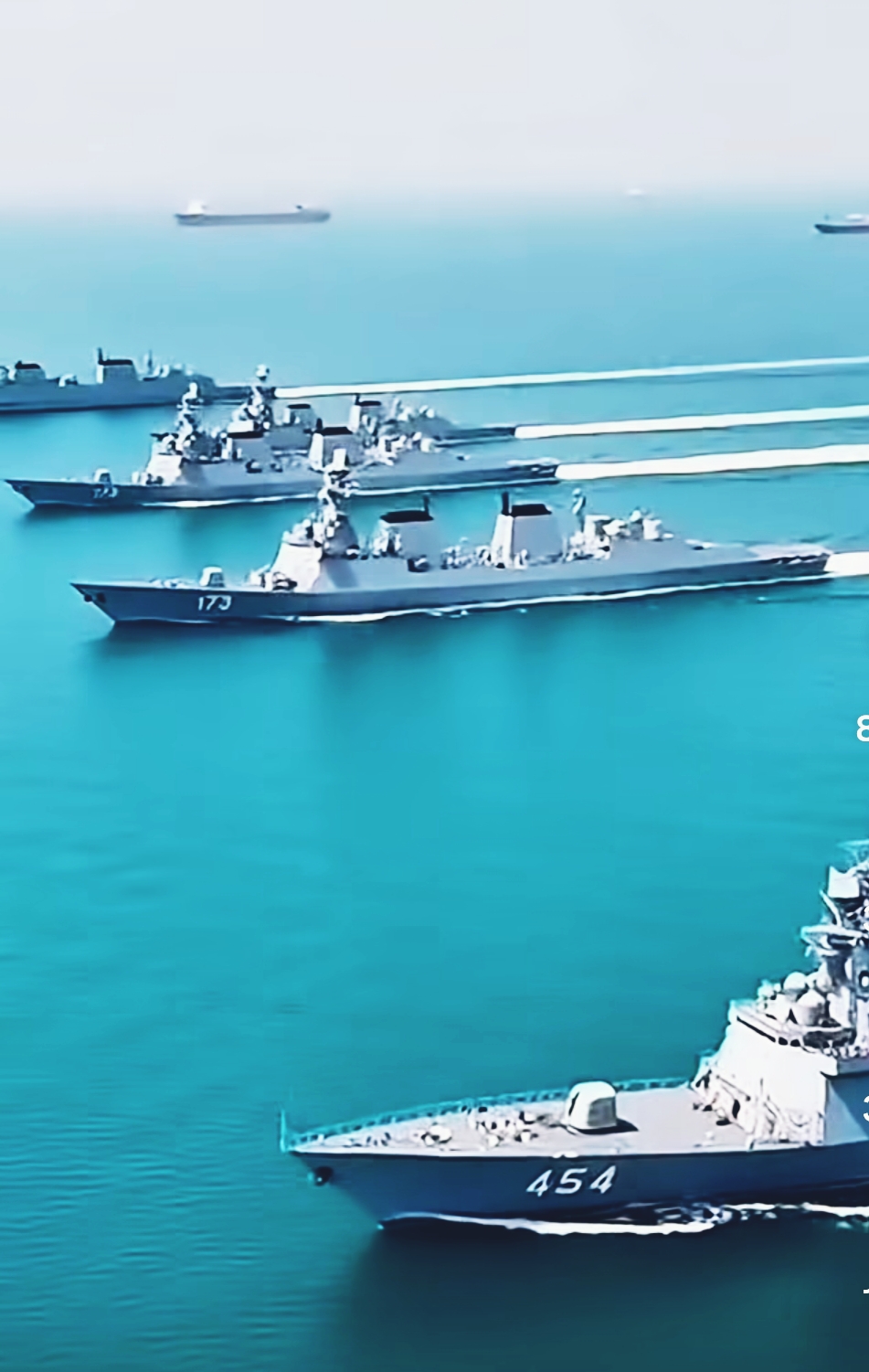
History has an unforgiving habit of auditing the moral arithmetic of power. Empires often assume that strength grants them exemption from consequences, yet geopolitics rarely offers such immunity. The unfolding tensions around the Strait of Hormuz illustrate this truth with striking clarity. What began as a unilateral escalation led by the United States against Iran has evolved into a global stress test for the philosophy of America First. In attempting to project power without consensus, Washington may have triggered a moment where the consequences of unilateralism are returning with amplified force.
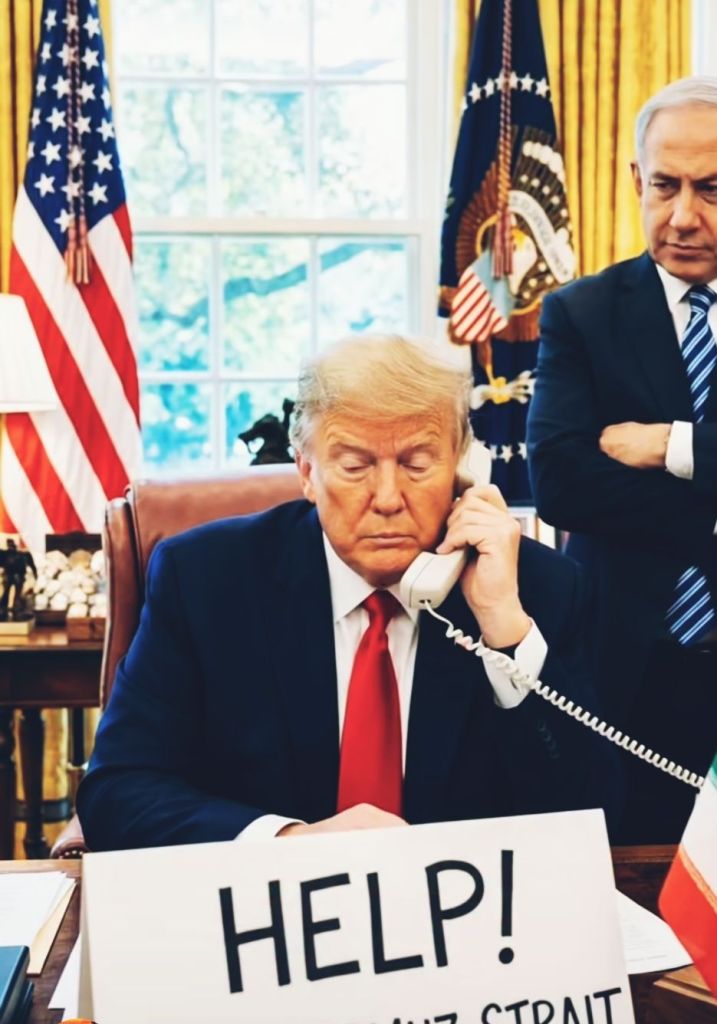
The origins of the crisis lie in the strategic posture adopted during the administration of Donald Trump, which emphasized assertive action without multilateral legitimacy. Unlike earlier interventions framed within broad coalitions, this phase was distinctly unilateral. The implicit assumption was that American naval supremacy, coupled with the technological confidence symbolized by systems like Iron Dome, would deter any meaningful retaliation. Yet the evolving battlefield reality suggests otherwise. Iran’s hybrid response—combining missile strikes, drone warfare, and asymmetric naval tactics—has demonstrated that modern conflict is no longer dictated solely by technological superiority. The mythology of deterrence is increasingly colliding with the physics of resistance.
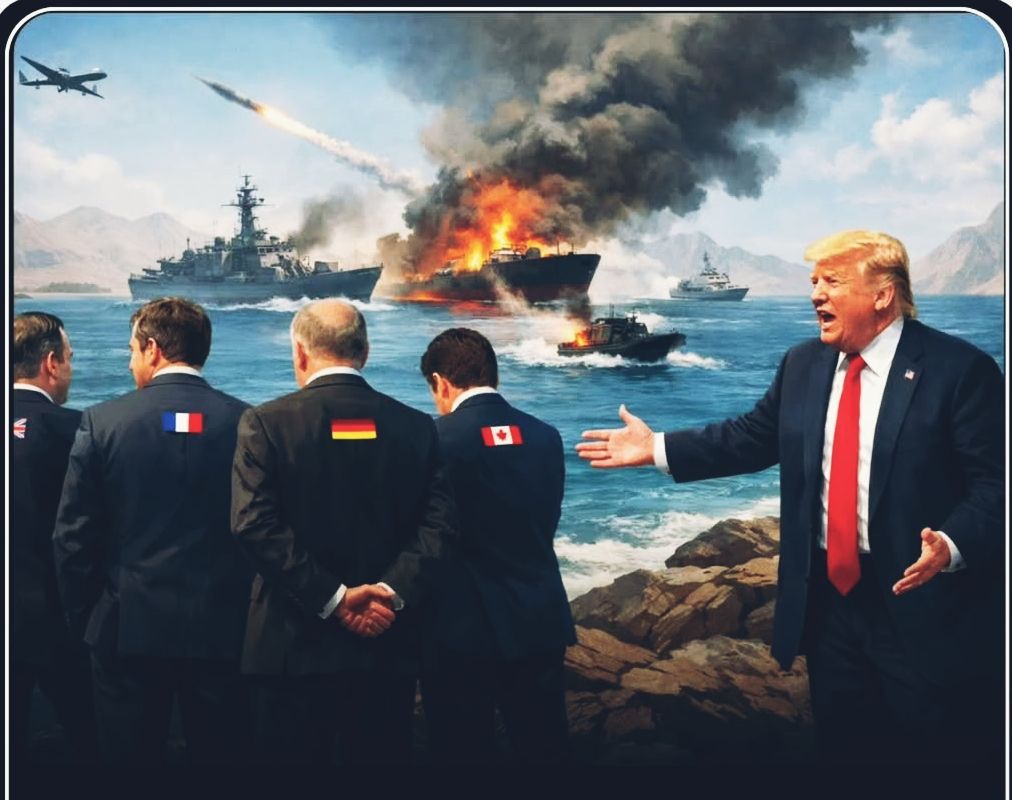
This moment exposes a deep geopolitical irony. The doctrine of “America First” prioritizes national interest above global obligation. Yet as maritime security deteriorated, the United States began urging other powers to deploy naval assets to secure international shipping lanes. The contradiction is unmistakable: a strategy rooted in unilateral nationalism now seeks collective responsibility to manage its fallout. Countries such as the United Kingdom, France, Japan, and China are being asked to stabilize a corridor destabilized by decisions they neither initiated nor endorsed.
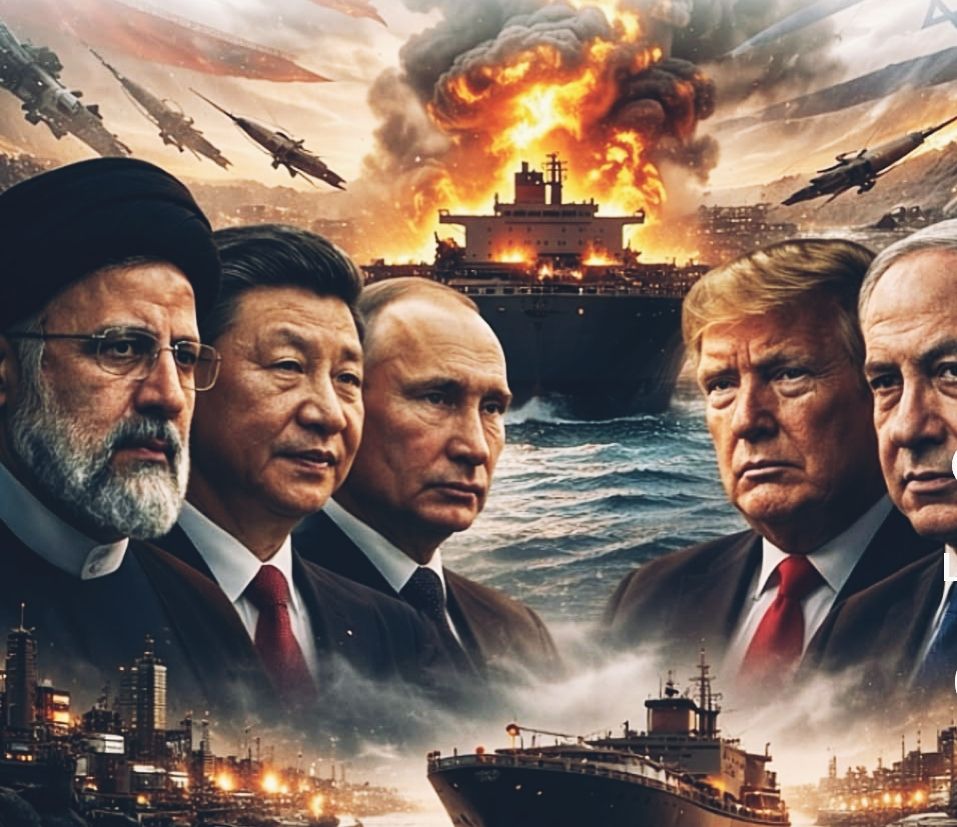
At the heart of this confrontation lies the Strait itself—a narrow maritime artery through which nearly one-fifth of the world’s energy supplies transit daily. By transforming this corridor into a theater of confrontation, the crisis has effectively placed the global energy system under strategic duress. The consequences are not confined to geopolitics; they reverberate through domestic economies, including that of the United States. Rising fuel prices, supply disruptions, and inflationary pressures reveal the double-edged nature of strategic escalation. In weaponizing geography, the initiator risks becoming equally vulnerable to its consequences.
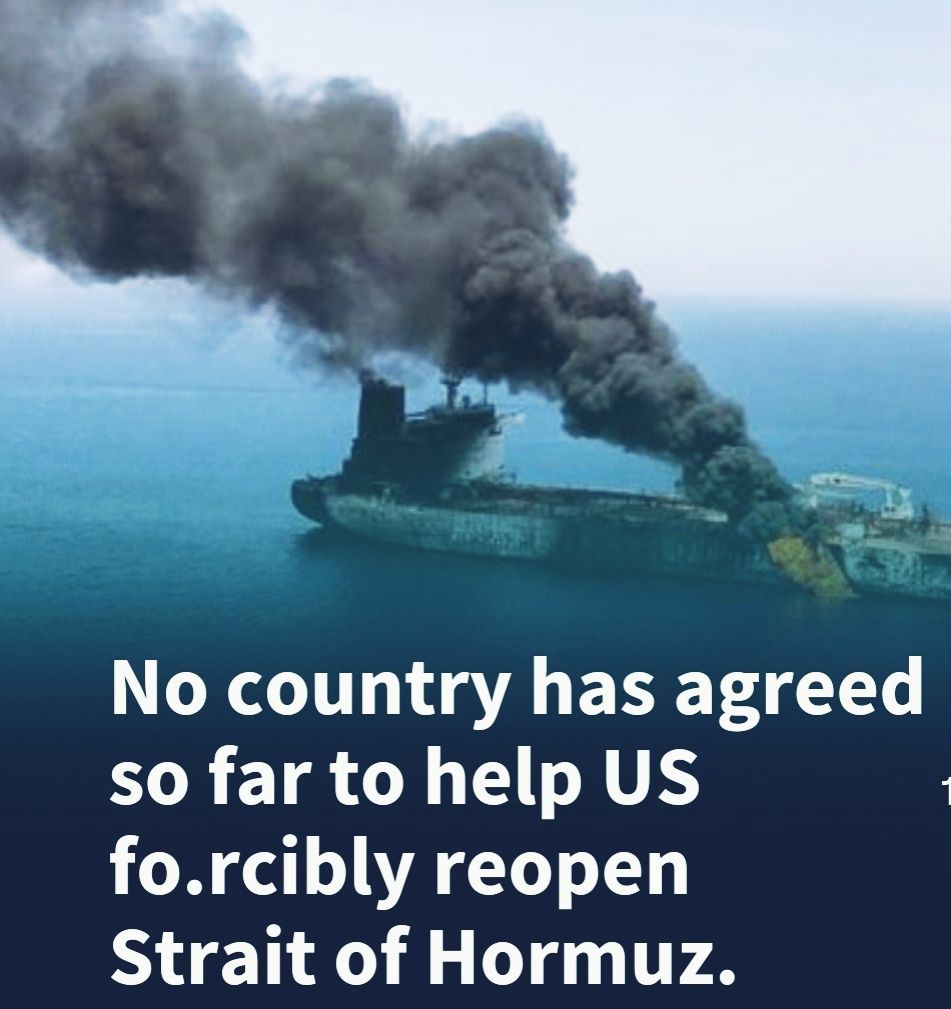
The international response has been notably cautious. Rather than rallying behind an American-led initiative, major powers are adopting calibrated distance.
European states are weighing participation but remain wary of deeper entanglement. Japan faces constitutional constraints that limit overseas military engagement, while China has responded with deliberate ambiguity, avoiding commitments that could draw it into a conflict shaped by external decisions. Even traditional allies are reassessing the cost-benefit calculus of alignment, recognizing that strategic participation now carries greater risks than automatic loyalty once did.
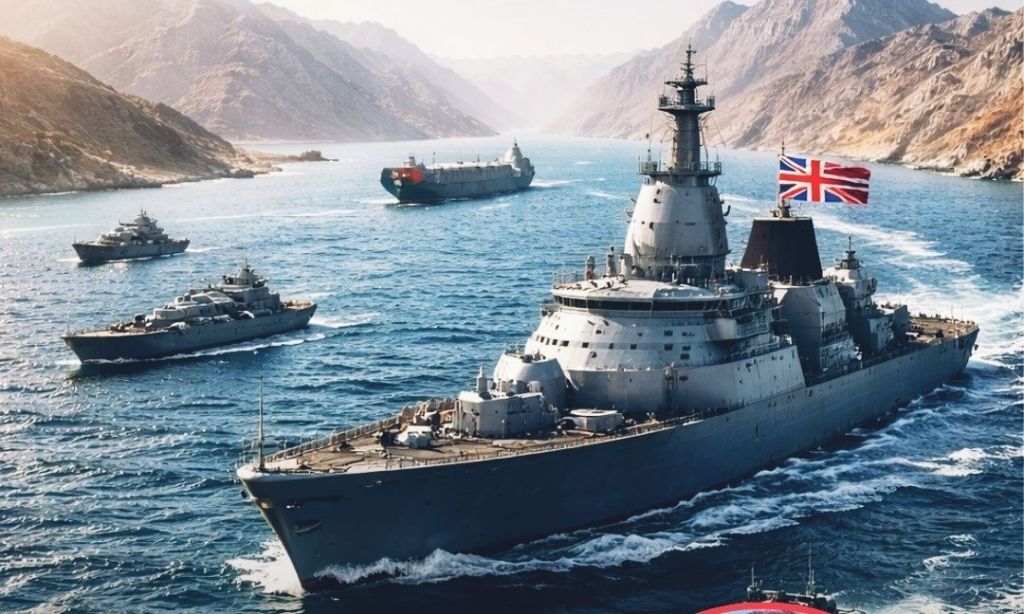
This hesitation reflects a broader transformation in global power dynamics. For decades, American leadership combined military dominance with diplomatic persuasion, ensuring that alliances operated on a foundation of trust and shared interest. Today, that equation is shifting. Nations are increasingly guided by strategic autonomy, evaluating conflicts through the prism of national interest rather than inherited alliances. What was once a doctrine of non-alignment is now evolving into a mainstream principle among major powers, signaling a more fragmented and multipolar global order.
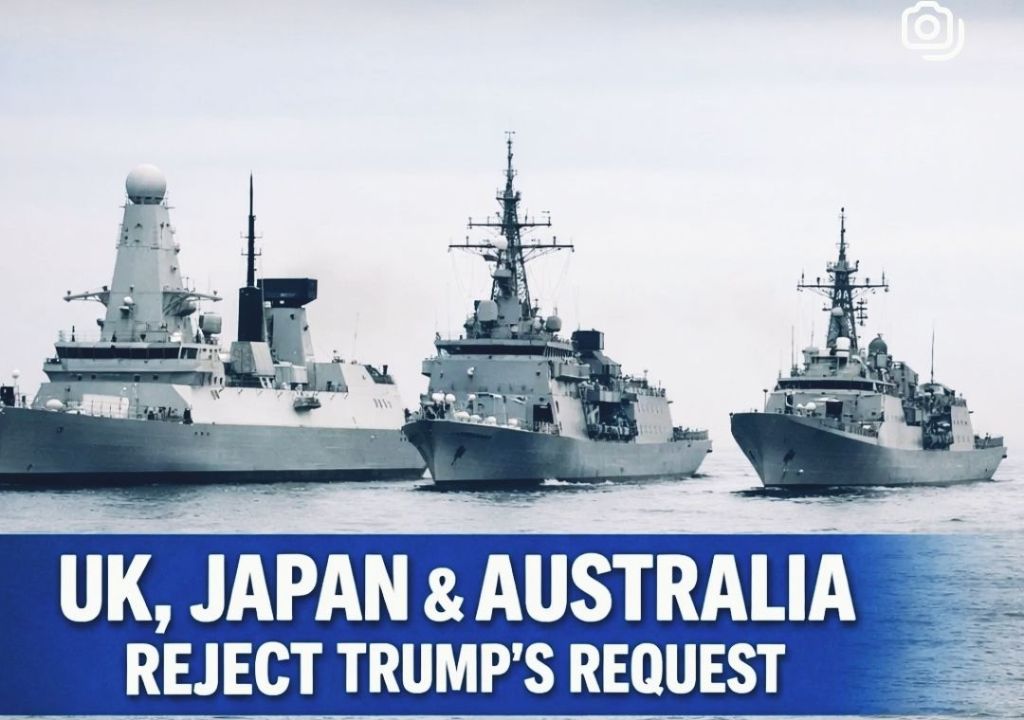
The deeper issue at stake is the credibility of hegemonic authority itself. Power exercised without consultation inevitably invites resistance, while demands for collective support without shared decision-making erode trust. As skepticism toward American intentions grows, alliances risk becoming transactional and cooperation conditional. Beyond diplomacy, the implications extend to public perception: when a nation’s global image shifts from leadership to unilateralism, the intangible currency of goodwill begins to erode. The crisis in the Strait of Hormuz, therefore, is more than a regional flashpoint—it is a defining moment in the evolution of global order, where the echoes of unilateral decisions are beginning to return from every direction, reshaping the very idea of power in the twenty-first century.
VISIT ARJASRIKANTH.IN FOR MORE INSIGHTS
 SOCIAL PERSPECTIVES