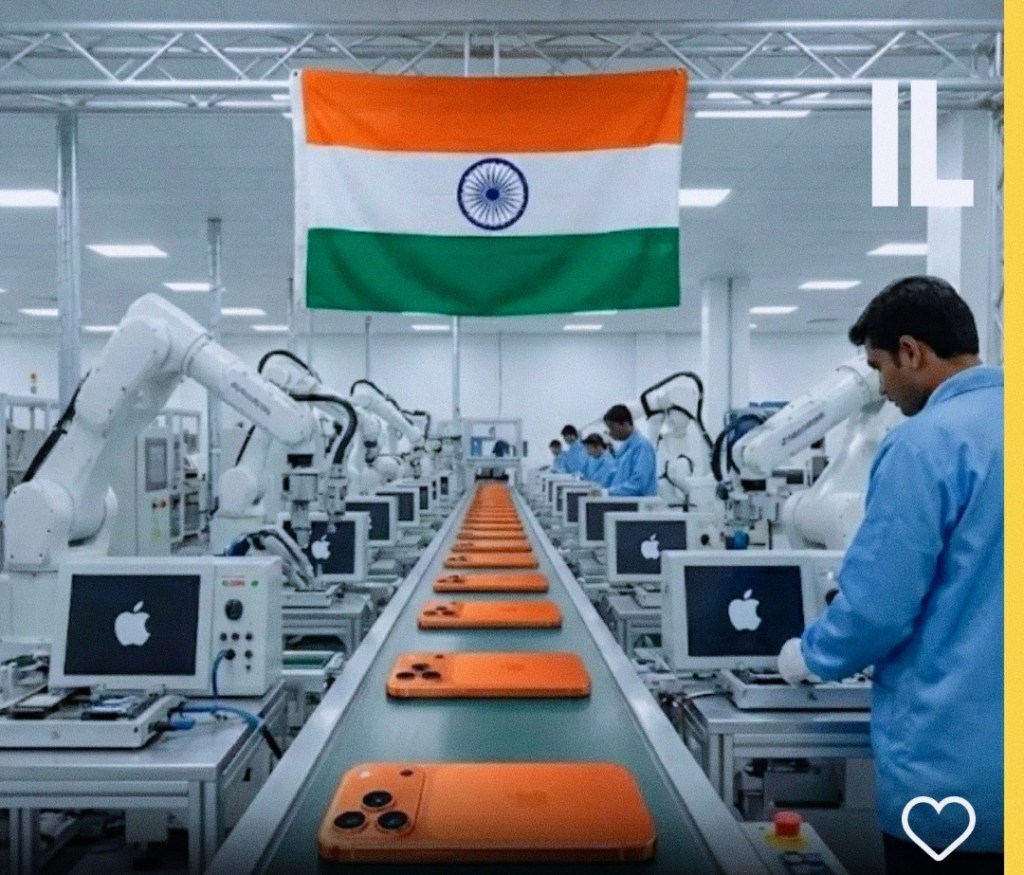
In 2020, at a moment when the global economy was trembling under broken supply chains and geopolitical anxieties, the Government of India launched the Production Linked Incentive (PLI) scheme with the confidence of a nation determined to redraw the industrial map of the twenty-first century. With an ambitious fiscal commitment of nearly ₹1.97 lakh crore—roughly $23–24 billion—spread across fourteen sectors including electronics, automobiles, pharmaceuticals, textiles, and solar modules, the programme was presented not merely as a subsidy package but as an industrial doctrine. Incentives of 4–6 percent on incremental sales were expected to attract multinational supply chains seeking alternatives to China, ignite export-led growth, and expand manufacturing’s share in India’s GDP from around 15 percent to a bold 25 percent by 2025. It was, in essence, an attempt to convert India’s demographic energy into industrial muscle and transform the country from a services powerhouse into a global manufacturing hub.

Four years later, however, the numbers narrate a more complicated story—one where aspiration runs faster than execution. Instead of rising toward the targeted quarter of the economy, manufacturing’s share in GDP has slipped to roughly 14.3 percent, down from about 15.4 percent when the scheme was launched. By October 2024, companies participating in the programme had achieved only about 37 percent of the intended production targets, roughly $152 billion in incremental output. Even more revealing is the fiscal trail: less than eight percent of the promised incentives—around $1.73 billion—had actually been disbursed. The contrast between grand design and modest delivery reflects a recurring pattern in public policy, where visionary frameworks encounter the stubborn realities of institutions, regulation, and economic structure.
A closer examination reveals that part of the difficulty lies within the architecture of the scheme itself. The PLI framework, while elegant in theory, tends to favour established industrial incumbents rather than emerging innovators. Eligibility thresholds in many sectors require massive revenue bases and large upfront investments, often running into thousands of crores. Such conditions effectively exclude nimble startups and deep-technology enterprises that typically pioneer breakthrough innovations. In sectors like electric mobility, critics argue that incentives disproportionately reward legacy manufacturers who might have transitioned to new technologies regardless of state support. The paradox is striking: a programme designed to catalyse industrial disruption risks reinforcing the very hierarchies it intended to challenge.

Rigidity within the programme has compounded this structural imbalance. The primary application window closed in 2021, effectively freezing the competitive landscape at a moment when many of the targeted industries were still evolving. New entrants in fields such as advanced batteries, electric vehicles, or semiconductor components find themselves outside the incentive ecosystem. Additionally, the scheme prescribes annual growth thresholds—often exceeding ten percent—that assume a smooth, linear expansion in industries that are inherently cyclical and capital intensive. When companies fall short of these targets, mechanisms for reallocating unused incentives remain weak, allowing fiscal resources to remain locked within underperforming investments. Industrial policy, ideally, must behave like a living organism—adaptive, responsive, and evolutionary—but the PLI framework has sometimes resembled a rigid blueprint.
Implementation dynamics have also slowed the momentum the scheme hoped to generate. Many participating companies designed investment plans on the expectation of predictable and timely incentive flows. Yet bureaucratic caution, multiple layers of verification, and complex approval processes have delayed disbursements. For industries where projects require billions in capital and several years to reach scale, such delays can significantly alter the financial calculus. The irony is evident: a policy conceived to accelerate manufacturing occasionally finds itself restrained by the administrative gravity of the very system meant to implement it.
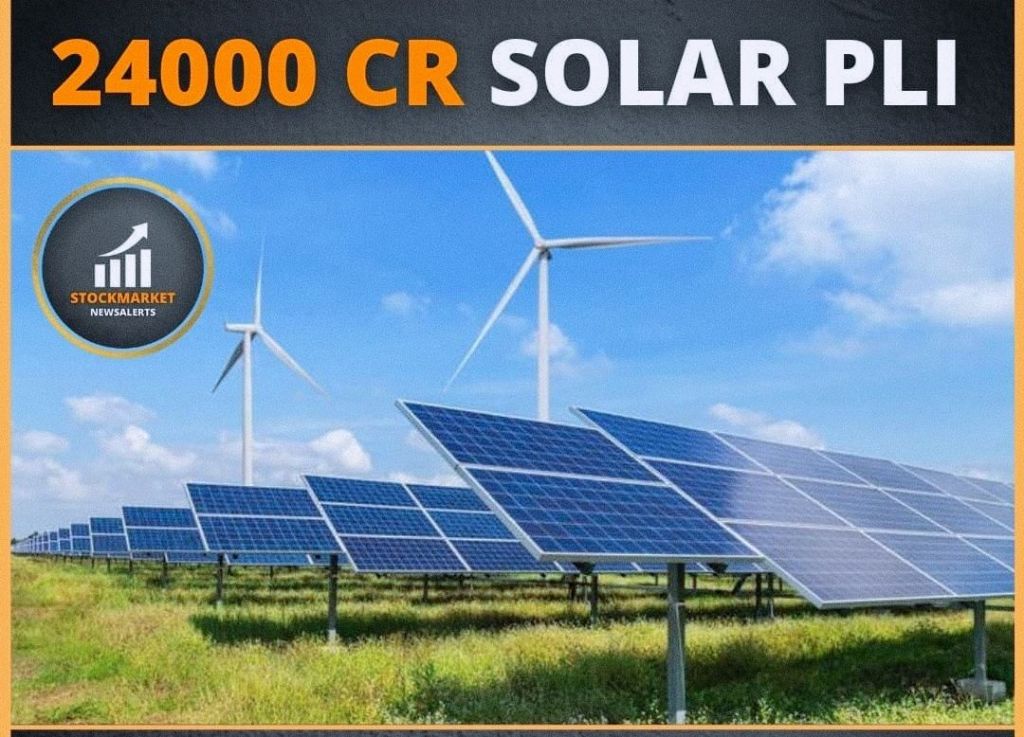
Policy inconsistency in certain sectors has further unsettled investor confidence. The solar manufacturing segment offers a telling example. Domestic producers initially committed capital under the assumption that the incentive structure would provide a stable protective environment while they built scale. Yet intermittent relaxations allowing imports of cheaper solar components diluted the competitive advantage domestic firms expected under the scheme. Industrial strategy relies on harmony between promotion, protection, and procurement. When these policy instruments move in divergent directions, they create uncertainty that discourages long-term industrial commitments.
Beyond the policy framework lies a deeper structural challenge embedded within India’s manufacturing ecosystem. Compared with East Asian competitors, Indian firms often face higher costs of capital, fragmented logistics networks, and underdeveloped supply chains for critical inputs. Semiconductor wafers, advanced battery cells, and polysilicon continue to be heavily imported—often from China, the very dependence the PLI scheme aimed to reduce. Operational frictions, including visa delays for specialised technicians or sudden global commodity price fluctuations, further complicate industrial planning. The dramatic fall in solar cell prices between 2023 and 2024, for instance, rapidly altered the economics of domestic manufacturing projects, reminding policymakers that industrial strategy must constantly adapt to global market forces.
Yet the narrative is not entirely pessimistic. Certain sectors demonstrate that the PLI model can succeed when supported by an existing industrial ecosystem.
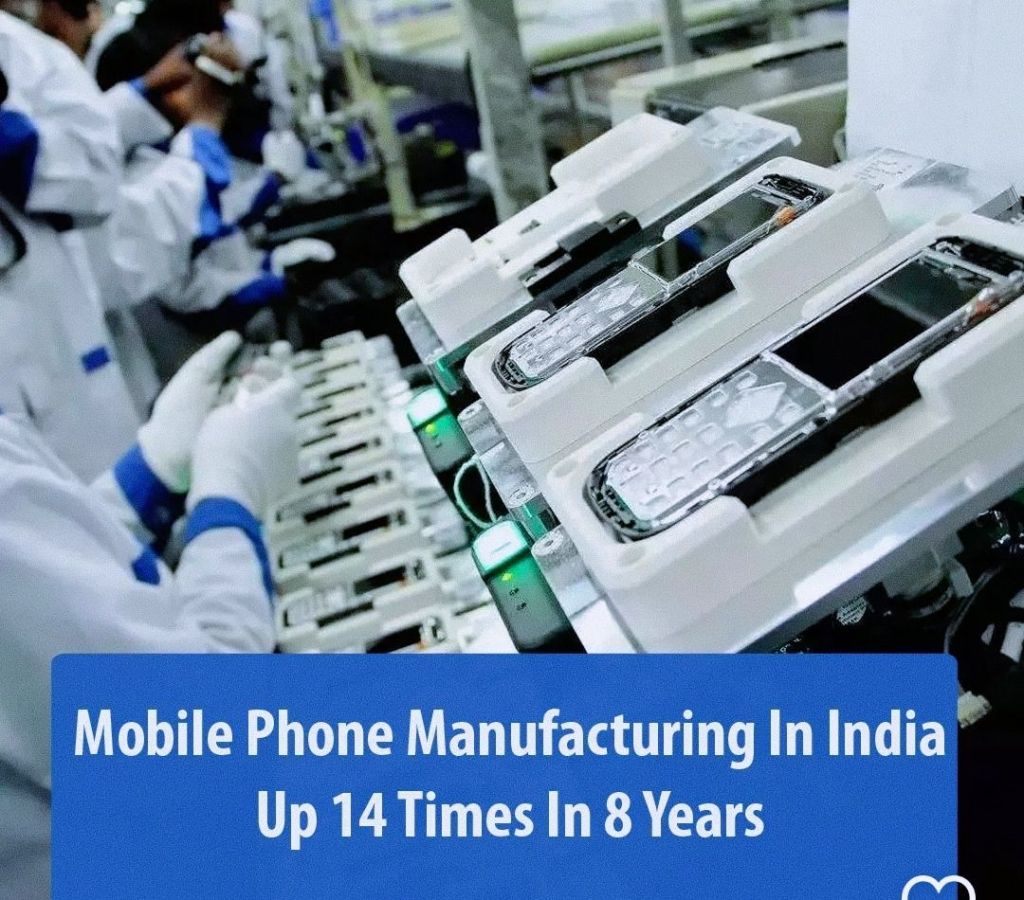
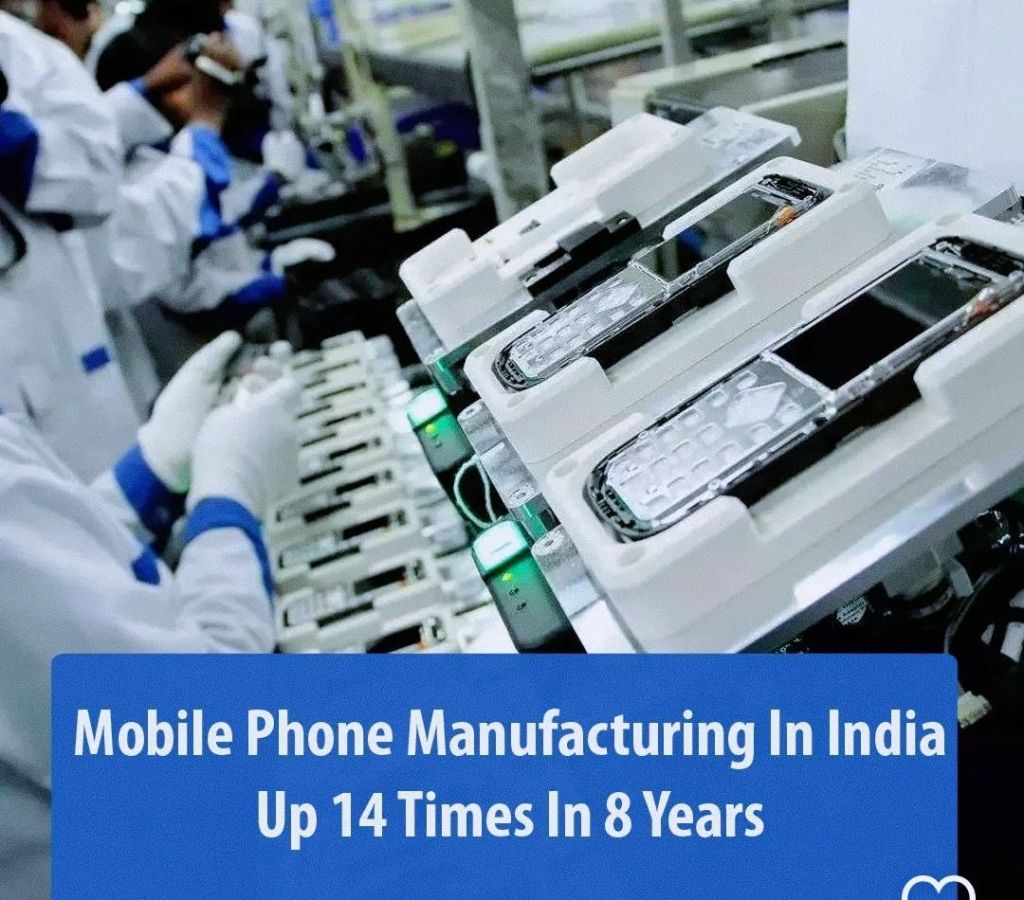
Electronics manufacturing—particularly smartphone assembly—has emerged as a striking example. Exports have surged, global technology firms have expanded their manufacturing presence, and India has begun to carve a visible space within global electronics supply chains. The lesson is subtle but profound: incentives can amplify existing strengths, but they rarely create industrial ecosystems from scratch.
The future of the PLI experiment therefore lies not in abandonment but in intelligent recalibration. Eligibility norms may need to become more inclusive, allowing startups and innovation-driven enterprises to participate. Incentive structures could evolve beyond mere sales volumes to include research intensity, patent creation, and domestic value addition. Equally important is the development of flexible mechanisms that redirect incentives toward firms demonstrating genuine performance rather than those merely meeting initial eligibility thresholds.

Ultimately, the PLI scheme represents both an ambitious gamble and an unavoidable necessity in an era of resurgent industrial policy across the world. From the United States’ massive clean-energy subsidies to Europe’s strategic industrial packages and China’s state-backed manufacturing expansion, governments everywhere are shaping markets through fiscal intervention. India cannot afford to remain a passive observer. But subsidies alone cannot build an industrial superpower. They must be woven into a broader strategy that lowers the cost of capital, deepens supply chains, nurtures technological innovation, and ensures policy stability. If the PLI programme evolves from a sales-linked subsidy into a comprehensive industrial ecosystem, it may yet convert its early turbulence into a genuine manufacturing renaissance—and transform India from a hopeful participant into a decisive architect of the next global production order.
VISIT ARJASRIKANTH.IN FOR MORE INSIGHTS
 SOCIAL PERSPECTIVES