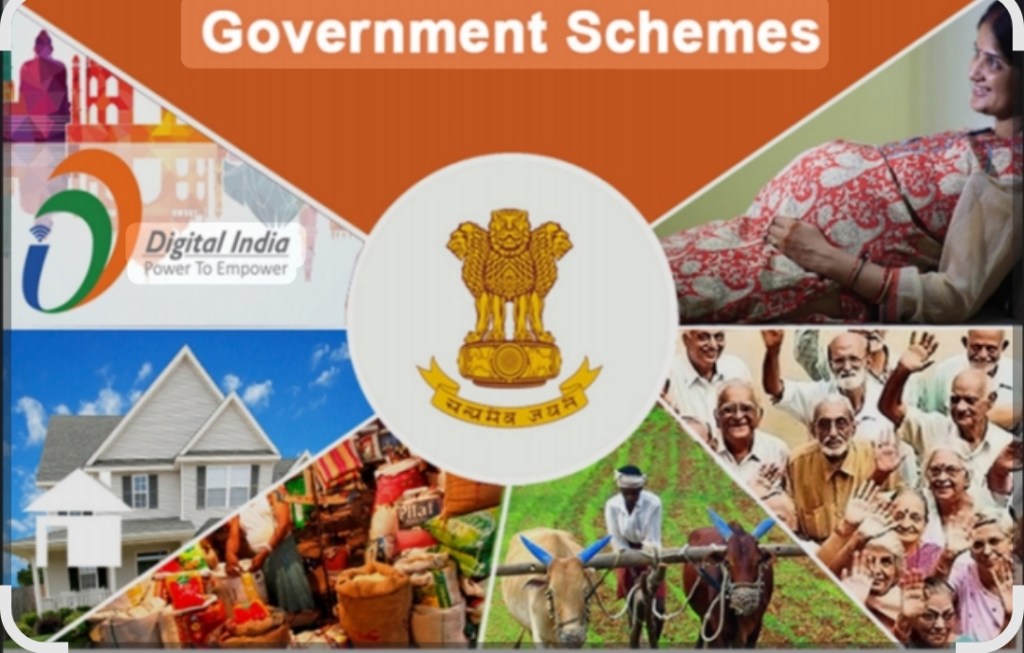
Modern India increasingly governs through schemes. Nearly every social challenge—poverty, unemployment, agricultural distress, financial exclusion, housing shortages, and healthcare insecurity—has been met with a carefully designed government programme accompanied by an acronym and a promise of transformation. Over the past decade, the Indian policy landscape has witnessed an unprecedented proliferation of welfare and development initiatives aimed at reshaping economic opportunity for hundreds of millions of citizens. Yet a closer examination reveals a recurring paradox: while these programmes begin with ambitious objectives and impressive scale, their impact on the ground often remains partial, uneven, or slower than anticipated.
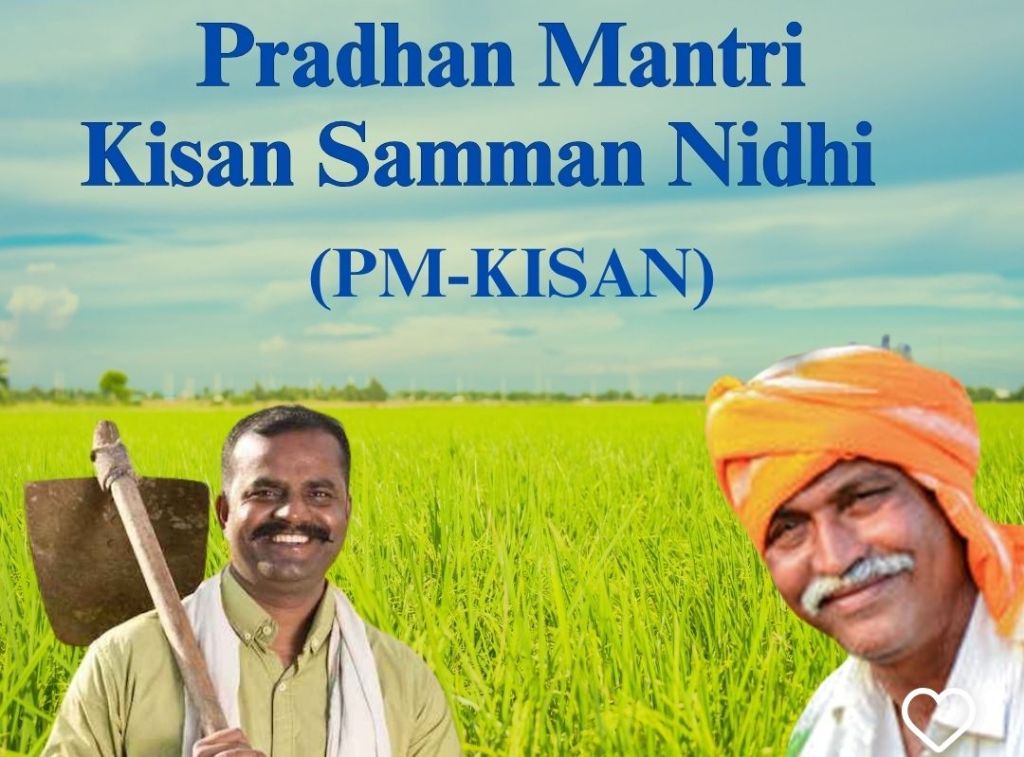
The architecture of India’s welfare state rests upon a wide constellation of flagship initiatives. In agriculture, programmes such as Pradhan Mantri Kisan Samman Nidhi attempt to provide direct income support of ₹6,000 annually to landholding farmers, while Pradhan Mantri Fasal Bima Yojana offers crop insurance against climatic risks and natural disasters. Complementing these is Pradhan Mantri Kisan Maandhan Yojana, a contributory pension programme promising ₹3,000 monthly after the age of sixty for small and marginal farmers. Collectively, these initiatives appear to create a comprehensive safety net encompassing income support, risk protection, and retirement security. However, structural limitations persist. Income transfers under PM-KISAN exclude tenant farmers and landless cultivators, crop insurance under PMFBY has faced criticism over delayed claim settlements and insurer profitability, and enrolment in PM-KMY remains modest due to limited awareness and financial capacity among vulnerable farmers.
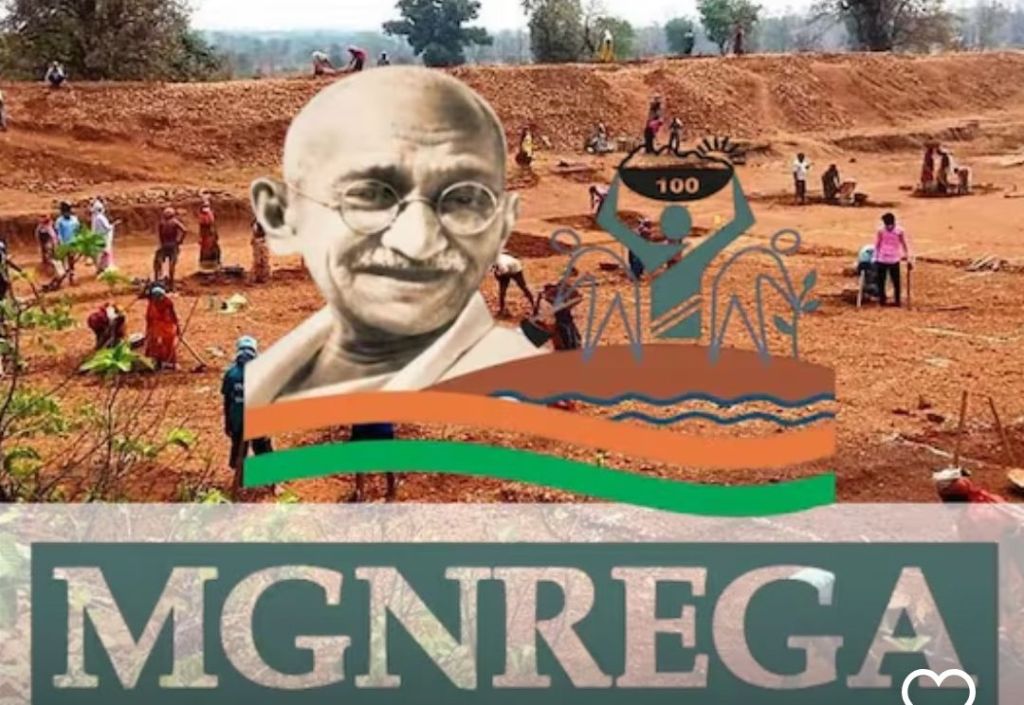
Rural development programmes reflect similar ambitions and limitations. The cornerstone employment initiative, Mahatma Gandhi National Rural Employment Guarantee Act, guarantees up to 100 days of wage employment per rural household. Complementing it is Deendayal Antyodaya Yojana – National Rural Livelihoods Mission, which seeks to reduce poverty through women’s self-help groups and community institutions. Skill-oriented initiatives such as Deen Dayal Upadhyaya Grameen Kaushalya Yojana aim to integrate rural youth into modern labour markets. Yet these programmes frequently encounter operational bottlenecks. Wage payments under MGNREGA are sometimes delayed, skill development initiatives struggle to align training with real labour market demand, and livelihood programmes vary widely in effectiveness across states. Employment created under public works often remains temporary rather than contributing to long-term productivity.
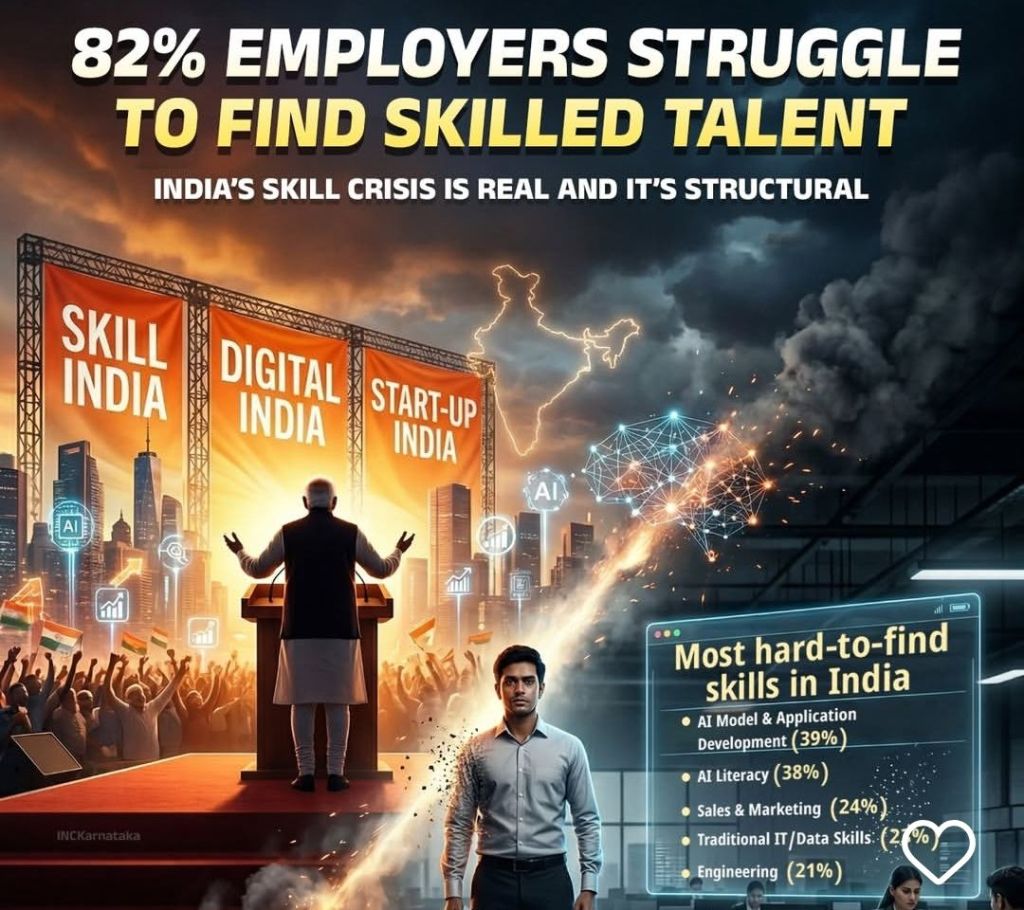
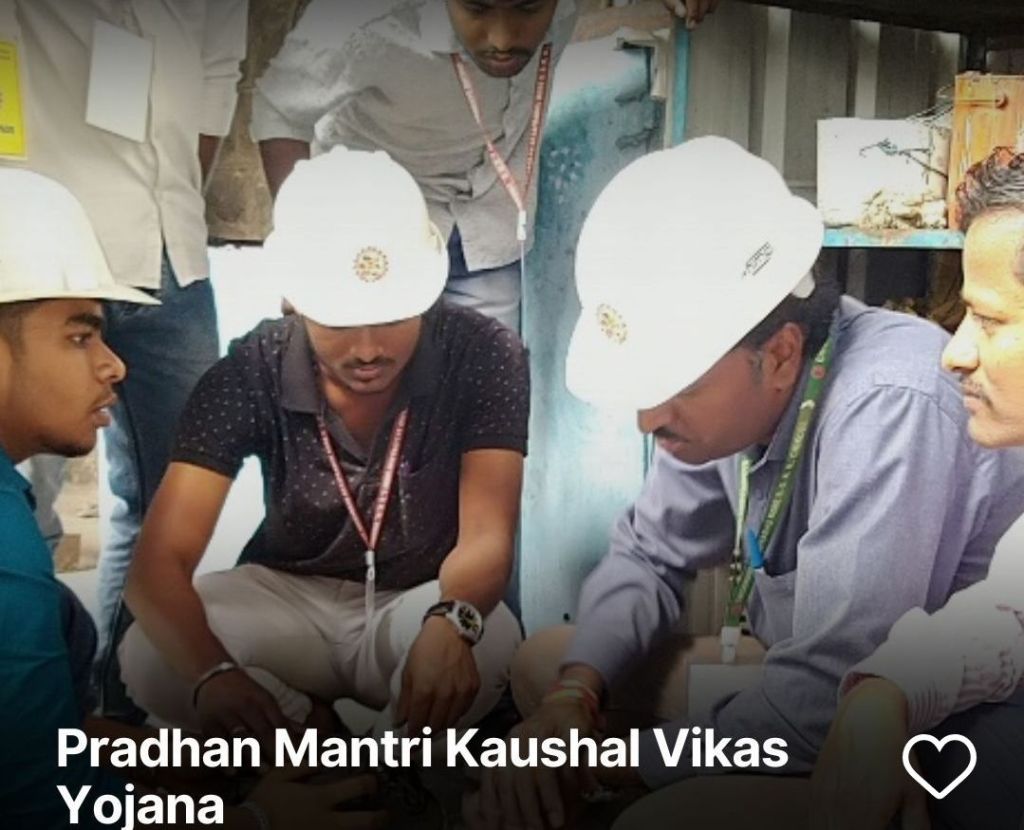
India’s effort to harness its demographic advantage has also relied heavily on skill development strategies. The flagship programme Pradhan Mantri Kaushal Vikas Yojana was designed to train millions of young people in industry-relevant skills and improve employability. Despite its scale, several evaluations indicate that training quality, industry linkages, and placement outcomes remain inconsistent. Many trainees complete certification courses without securing stable employment, exposing a structural gap between skill statistics and actual labour market absorption. This mismatch illustrates a broader challenge in development policy: generating skills is easier than generating jobs.
Health and social protection programmes represent another pillar of India’s welfare architecture. The landmark health insurance initiative Ayushman Bharat – Pradhan Mantri Jan Arogya Yojana provides hospitalisation coverage of up to ₹5 lakh annually for millions of low-income families. Complementing it are pension initiatives such as Pradhan Mantri Shram Yogi Maan‑dhan for informal workers and the long-standing National Social Assistance Programme supporting elderly, widowed, and disabled citizens. These initiatives have significantly expanded India’s social protection framework. However, challenges remain in hospital infrastructure capacity, beneficiary awareness, and efficient claim processing. Insurance coverage alone cannot guarantee healthcare access without corresponding improvements in service delivery systems.
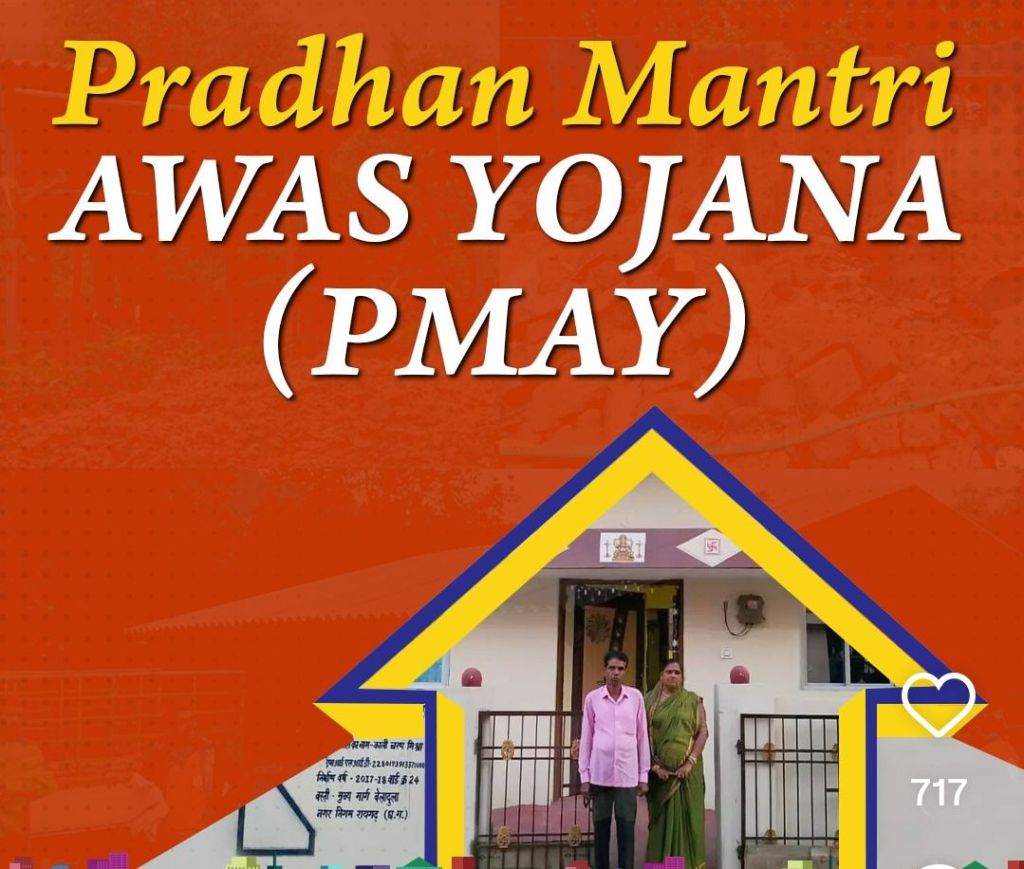
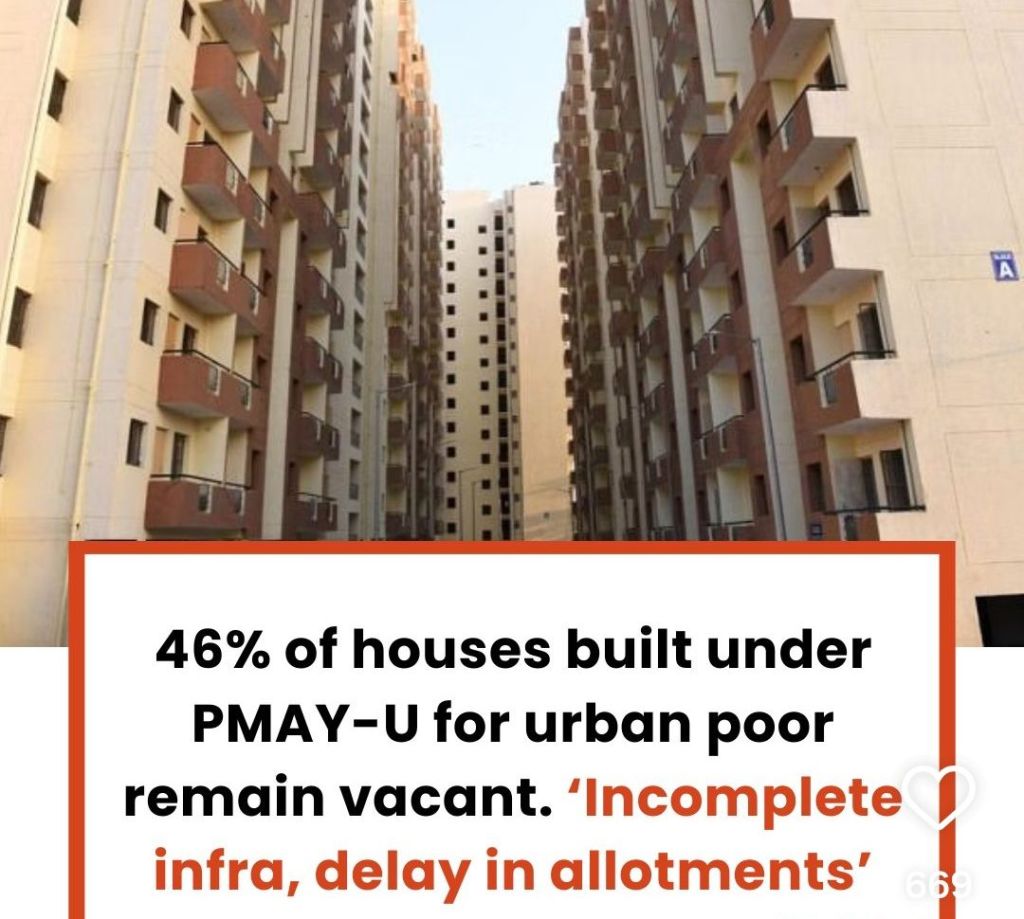
Urban development and energy transition policies reveal similar patterns of ambition moderated by implementation realities. Housing programmes such as Pradhan Mantri Awas Yojana – Urban aim to provide affordable housing to economically weaker sections and low-income households. Meanwhile, renewable energy initiatives like PM Surya Ghar: Muft Bijli Yojana promote rooftop solar installations to reduce electricity costs for households. Both initiatives reflect India’s attempt to combine social welfare with sustainability goals. Yet practical constraints—land availability, financing mechanisms, bureaucratic approvals, and urban planning complexities—often slow the pace of implementation.
Economic empowerment schemes further demonstrate the scale of India’s policy experimentation. The industrial initiative Production Linked Incentive Scheme seeks to transform India into a global manufacturing hub by incentivizing domestic production in strategic sectors such as electronics and pharmaceuticals. Financial inclusion programmes like Pradhan Mantri MUDRA Yojana provide collateral-free loans to micro-enterprises, while PM Street Vendor’s Atmanirbhar Nidhi supports urban street vendors with working capital credit.
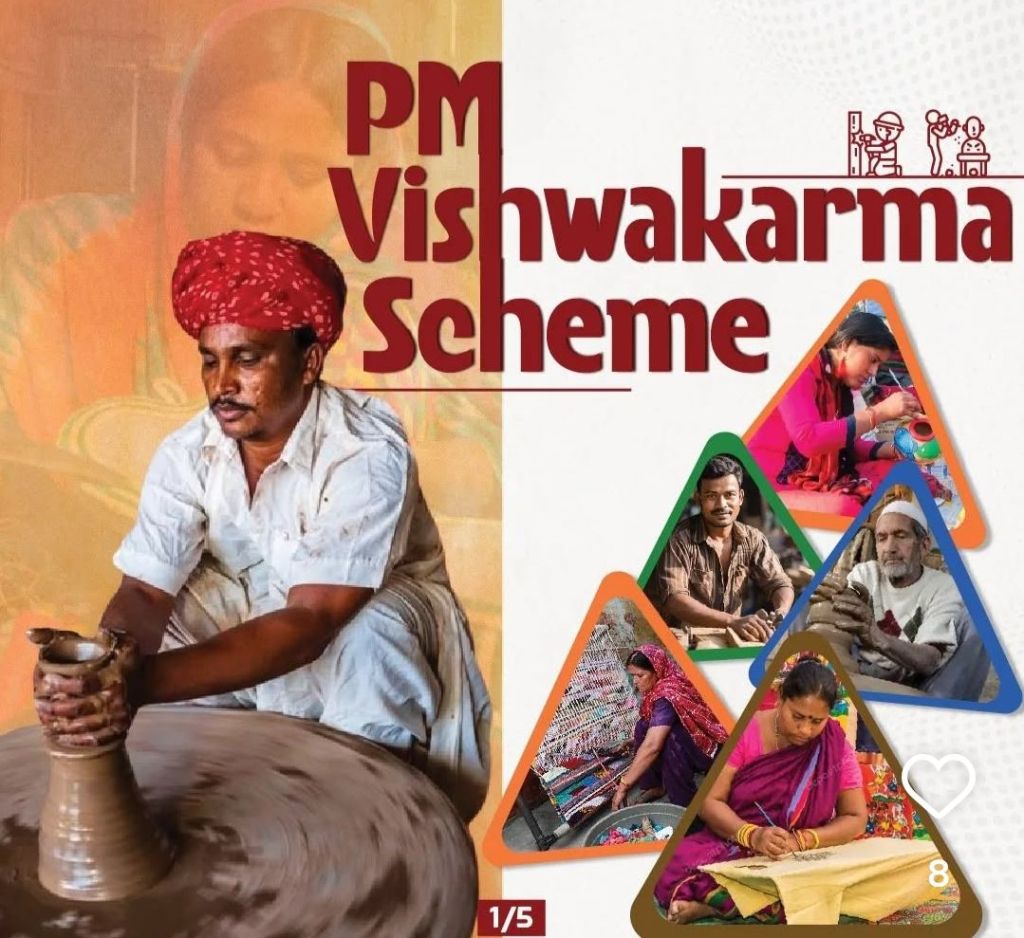
Complementing these is PM Vishwakarma Scheme, designed to revive traditional crafts through credit access, skill upgrades, and market support. While these programmes have generated economic activity, their outcomes remain uneven due to credit risk concerns, repayment challenges, and weak integration with larger market ecosystems.

Taken together, this vast landscape of schemes does not represent policy failure but rather partial realization. Many initiatives have delivered tangible benefits—expanded financial inclusion, improved welfare coverage, and increased economic opportunity. Yet their outcomes rarely match the scale of their original aspirations. The reasons are structural: fragmented governance, bureaucratic complexity, administrative capacity constraints, and the difficulty of implementing uniform policies across a country as vast and diverse as India.
India’s development journey is therefore defined by a curious paradox. The nation has mastered the art of designing ambitious programmes, but it is still refining the equally difficult craft of ensuring their consistent effectiveness. The future of governance may depend less on launching new schemes and more on strengthening institutions, improving data-driven monitoring, and empowering local administrations to deliver results. Ultimately, true transformation will occur not when policies multiply, but when policy ambition aligns with administrative capability—turning the republic of acronyms into a republic of outcomes.
VISIT ARJASRIKANTH.IN FOR MORE INSIGHTS
 SOCIAL PERSPECTIVES