
For generations, the Indian imagination of prosperity has revolved around a single milestone—owning a home. Families saved patiently for decades, convinced that property ownership guaranteed financial security, stability, and social respectability. Even today, nearly 50–55 percent of Indian household wealth is tied to real estate, making it the largest asset class in the country. Yet beneath this cultural consensus lies a financial paradox. Much of this wealth is locked inside residential property that functions more as consumption than investment.
A house undoubtedly provides emotional comfort and social identity, but financially it often delivers modest returns. Quietly, another segment of the property market—commercial real estate—is beginning to reshape how wealth is created and sustained in modern India.
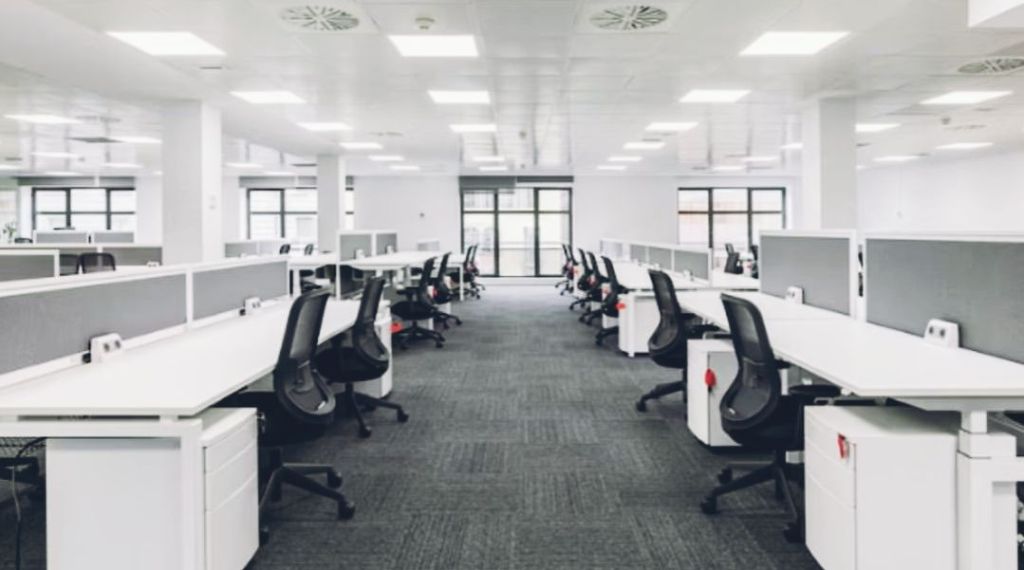
The contrast between residential and commercial property begins with the economics of rental yield. In most Indian cities, residential properties typically generate annual yields of only 2–3 percent of their market value. After accounting for maintenance, taxes, and loan interest, the effective income often becomes negligible. Commercial properties present a different financial reality. Office spaces, retail outlets, and warehouses commonly produce 6–7 percent yields, while prime business districts may generate 8–9 percent returns. The gap is not simply numerical; it reflects the structural differences in how these markets function. Residential property is often held for long-term appreciation, whereas commercial real estate is primarily designed to generate steady income.
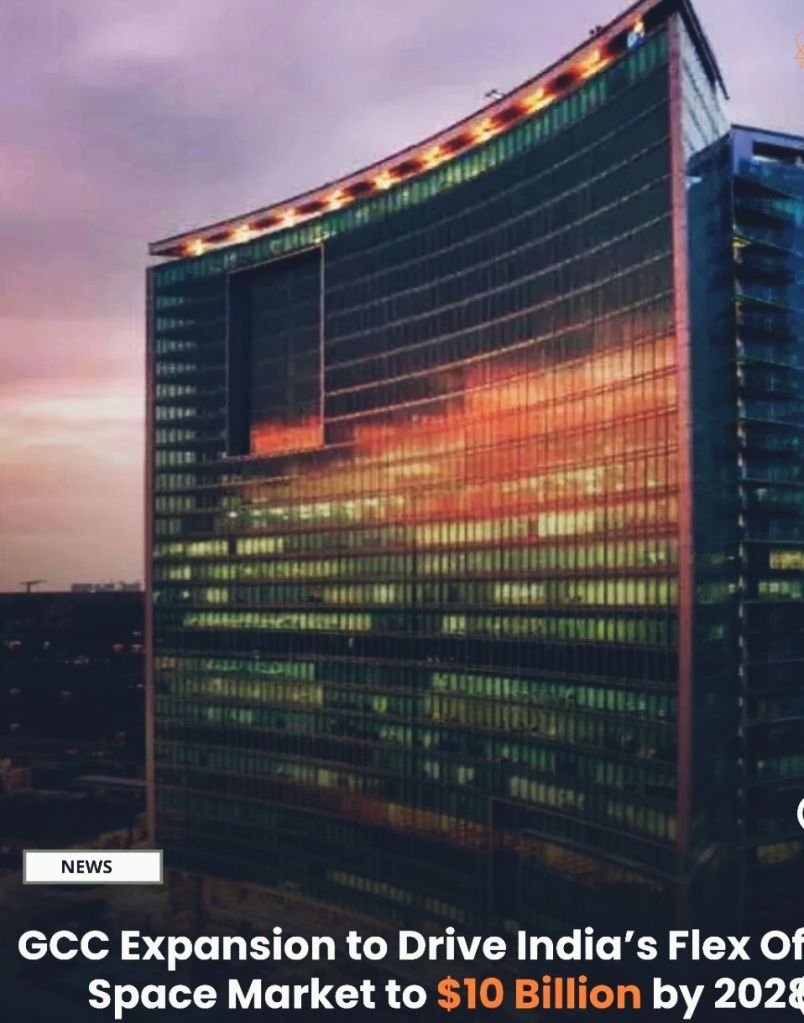
Lease structures further deepen this divergence. Residential rental agreements in India are usually short-term, frequently renewed every eleven months, with tenants moving frequently and leaving properties vacant for extended periods. Commercial leasing, by contrast, revolves around long-term contracts with corporate tenants. Companies often sign leases spanning five to ten years, with built-in annual escalation clauses of 5–10 percent. For investors, this creates a predictable and steadily rising stream of income. Such contractual stability transforms commercial property into a structured financial asset rather than merely a physical possession.
Economic cycles also reveal important differences between the two sectors.
Residential property markets can experience prolonged stagnation; between 2013 and 2019, housing prices in several Indian cities remained flat or even declined in real terms despite inflation. While the post-pandemic years have witnessed renewed momentum in housing demand, the episode highlighted a structural limitation: residential property depends heavily on capital appreciation, which may take years to materialise.
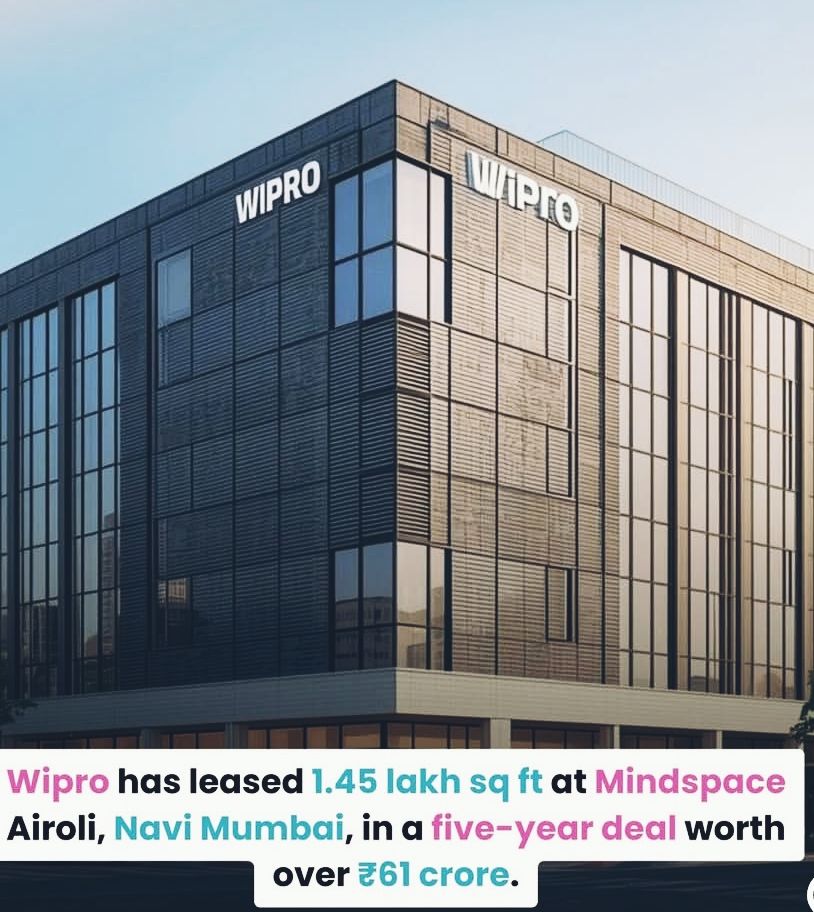
Commercial real estate, however, generates income regardless of price fluctuations. Even when valuations fluctuate, rental streams continue, making commercial assets behave somewhat like a hybrid between equity and fixed-income investments.

Historically, access to commercial real estate was restricted to large investors because purchasing office buildings or retail complexes required enormous capital. This barrier has begun to dissolve with the emergence of Real Estate Investment Trusts (REITs) in India since 2019. REITs allow investors to buy units in professionally managed portfolios of income-generating properties such as technology parks, corporate offices, malls, and logistics hubs. By regulation, these trusts must invest at least 80 percent of their assets in completed properties and distribute 90 percent of their cash flows to investors. India now has five listed REITs managing assets exceeding ₹2.5 lakh crore, and in the December 2025 quarter alone they distributed over ₹2,450 crore to more than 3.8 lakh investors, signalling the growing institutionalisation of commercial property investments.
The broader implication is philosophical as much as financial. As India’s economy formalises and corporate activity expands, demand for high-quality commercial spaces—from technology parks and global capability centres to organised retail and logistics hubs—continues to rise. Residential real estate will always hold cultural and emotional significance, but its financial role is gradually being reassessed. Increasingly, wealth advisors urge investors to distinguish between emotional assets and productive assets. A home may symbolise stability, but commercial property generates economic productivity and recurring income. In the evolving architecture of Indian wealth, prosperity may no longer be measured by the number of houses owned, but by the offices, malls, and warehouses quietly producing cash flows behind the glass skylines of India’s growing cities.
VISIT ARJASRIKANTH.IN FOR MORE INSIGHTS
 SOCIAL PERSPECTIVES