
Indian agriculture is animated by a profound paradox: millions who cultivate the soil are not legally recognized as farmers. Tenant cultivators operate in the penumbra of ownership, generating output from land they do not possess and investing labour and capital on the fragile assurance of informal arrangements. A substantial proportion of operational holdings are believed to be cultivated under tenancy—far exceeding what official statistics reveal—yet these cultivators remain institutionally invisible. This invisibility is not incidental; it is structurally embedded in a fragmented legal framework that privileges title over toil and ownership over actual cultivation.
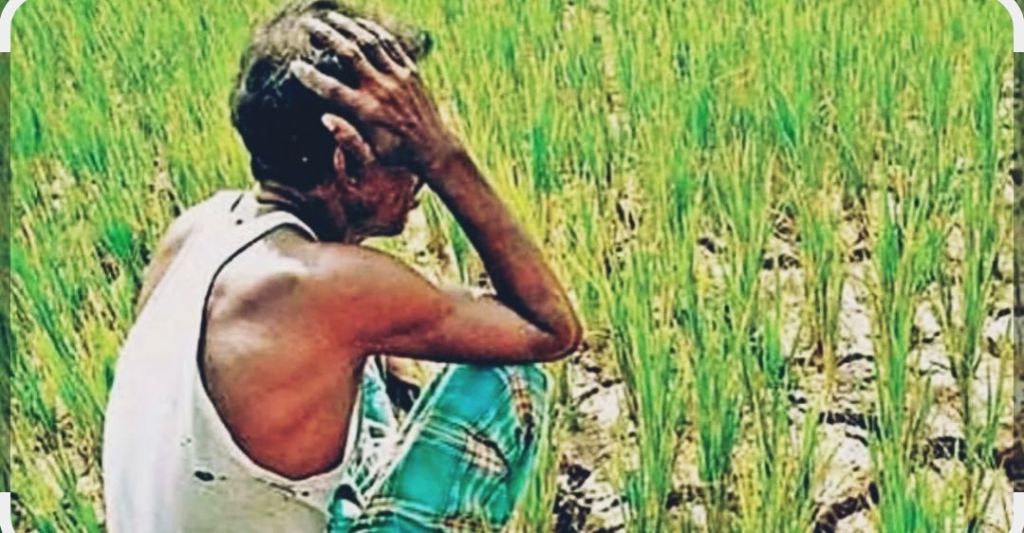
Tenancy in India is predominantly informal, sustained through oral agreements and deliberately excluded from formal land records. The roots of this informality lie in post-independence land reforms that sought to protect tenants but, in some instances, conferred ownership rights upon long-standing cultivators. Over time, apprehensions among landowners about potential loss of title incentivized concealment of lease arrangements. The result has been a system where land is leased in practice but denied in law. Without documentary recognition, tenant farmers are deprived of eligibility for institutional credit, crop insurance, disaster compensation, and input subsidies, effectively excluding them from the protective architecture of the state.
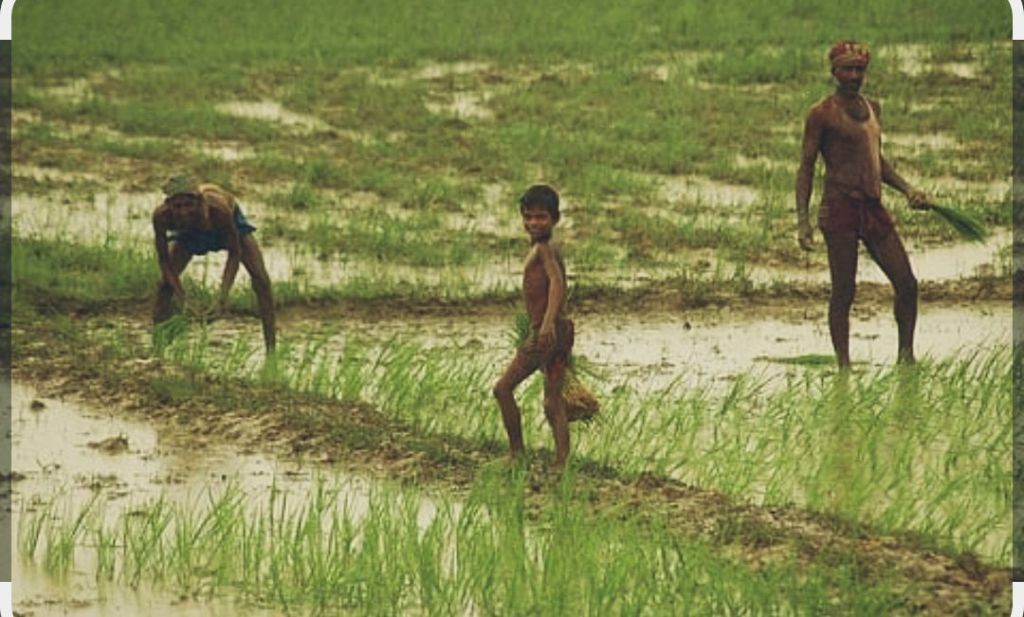
The economic consequences of this legal vacuum are severe. Formal financial institutions generally require land records as collateral for crop loans and Kisan Credit Cards. In the absence of recognized tenancy, cultivators are compelled to rely on informal lenders at onerous interest rates, eroding already thin margins. Insurance schemes frequently compensate the recorded landowner rather than the actual cultivator, leaving tenants exposed to climatic shocks and market volatility. Subsidy regimes linked to ownership databases similarly bypass them. Thus, the cultivator assumes production risk while the institutional safety net remains tethered to titleholders.
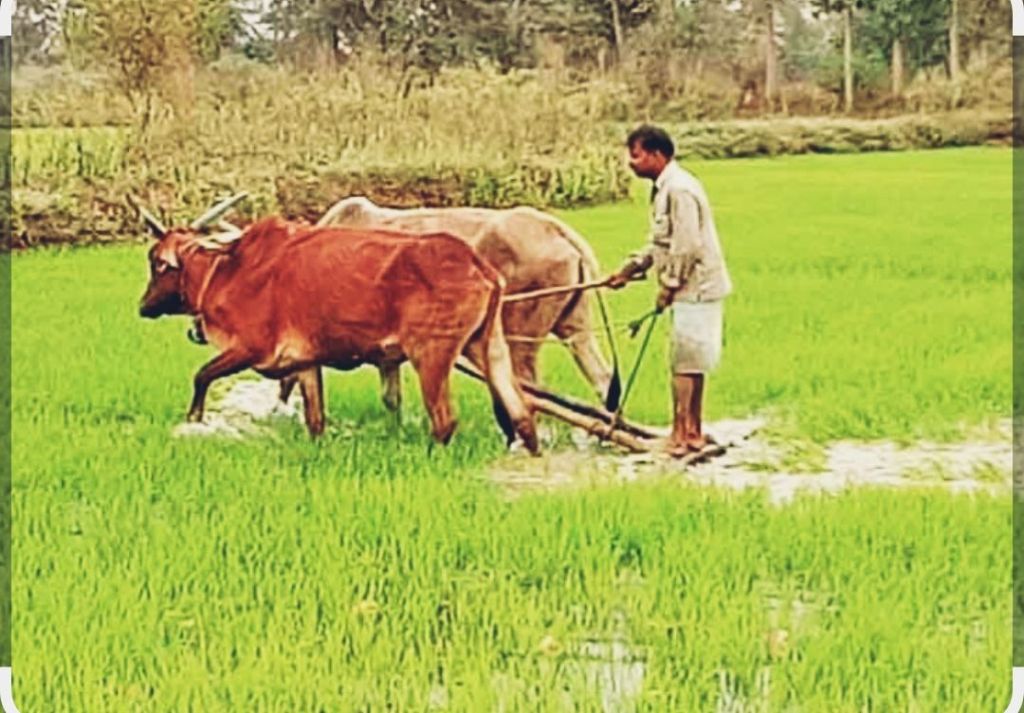
Tenure insecurity further amplifies vulnerability. Seasonal and unwritten agreements render tenants susceptible to eviction without recourse, discouraging long-term investments in soil health, irrigation, or productivity-enhancing technologies. Fixed rents, often detached from actual yields, compress returns and transfer disproportionate risk to the tenant. In adverse seasons marked by crop failure or price crashes, losses are internalized by the cultivator alone. Such a framework incentivizes short-term extraction rather than sustainable stewardship, constraining agricultural modernization and undermining national productivity. Policy responses have historically oscillated between restrictive prohibition and cautious liberalization. In several states, leasing was either banned or heavily regulated to prevent exploitation, inadvertently driving the practice underground.
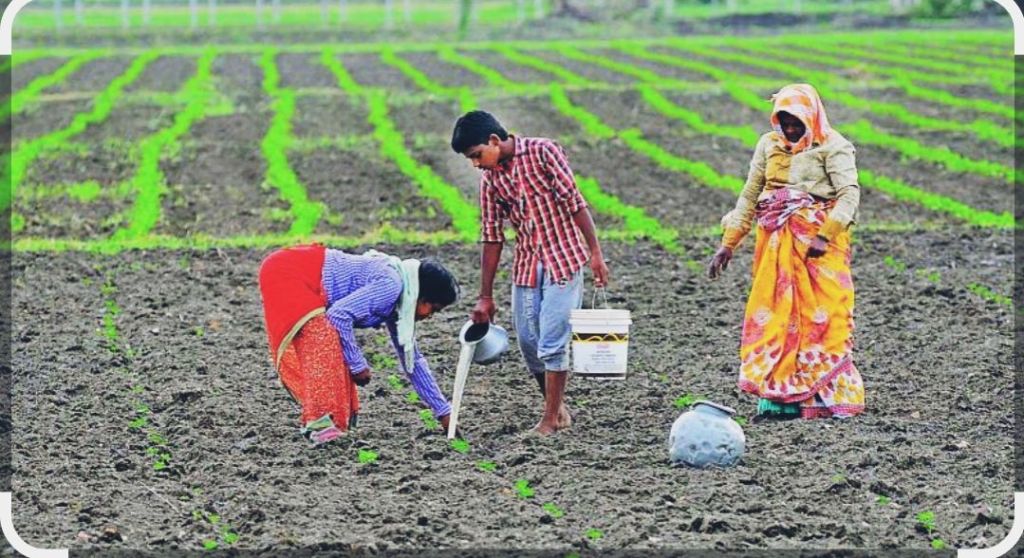
Elsewhere, provisions enabling tenants to acquire ownership after continuous cultivation intensified landowner anxieties, encouraging frequent rotation of tenants to preclude legal claims. Given that agriculture is constitutionally a State subject, the absence of a coherent national approach has produced a patchwork of inconsistent regimes. The cumulative effect is persistent ambiguity that satisfies neither landowners seeking security of title nor cultivators seeking security of tenure.
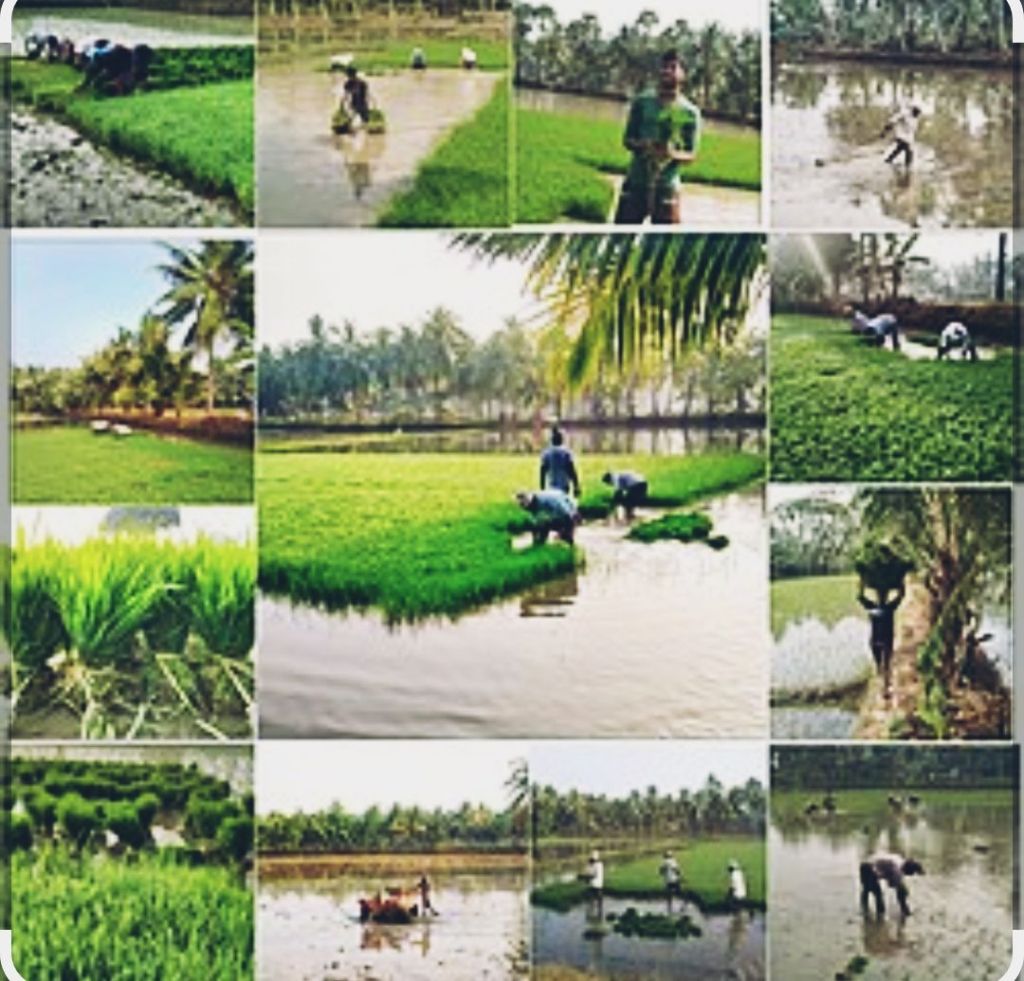
A principled reform agenda must therefore disentangle ownership from cultivation. Legalizing and formalizing lease agreements of fixed duration—while unequivocally safeguarding ownership rights—can reconcile competing interests. Registered leases, maintained in a distinct tenancy registry without altering title records, would provide tenants documentary proof necessary to access credit, insurance, and procurement systems. Complementary measures, including streamlined dispute resolution, recognition of tenants as cultivators for institutional purposes, and systematic data capture of actual land use, are equally vital. Ultimately, the predicament of tenant farmers is less an agrarian anomaly than a governance deficit. Correcting it requires structural recognition that aligns law with lived rural realities, transforming invisibility into dignity and precarious risk into institutional resilience.
Visit arjasrikanth.in for more insights
 SOCIAL PERSPECTIVES