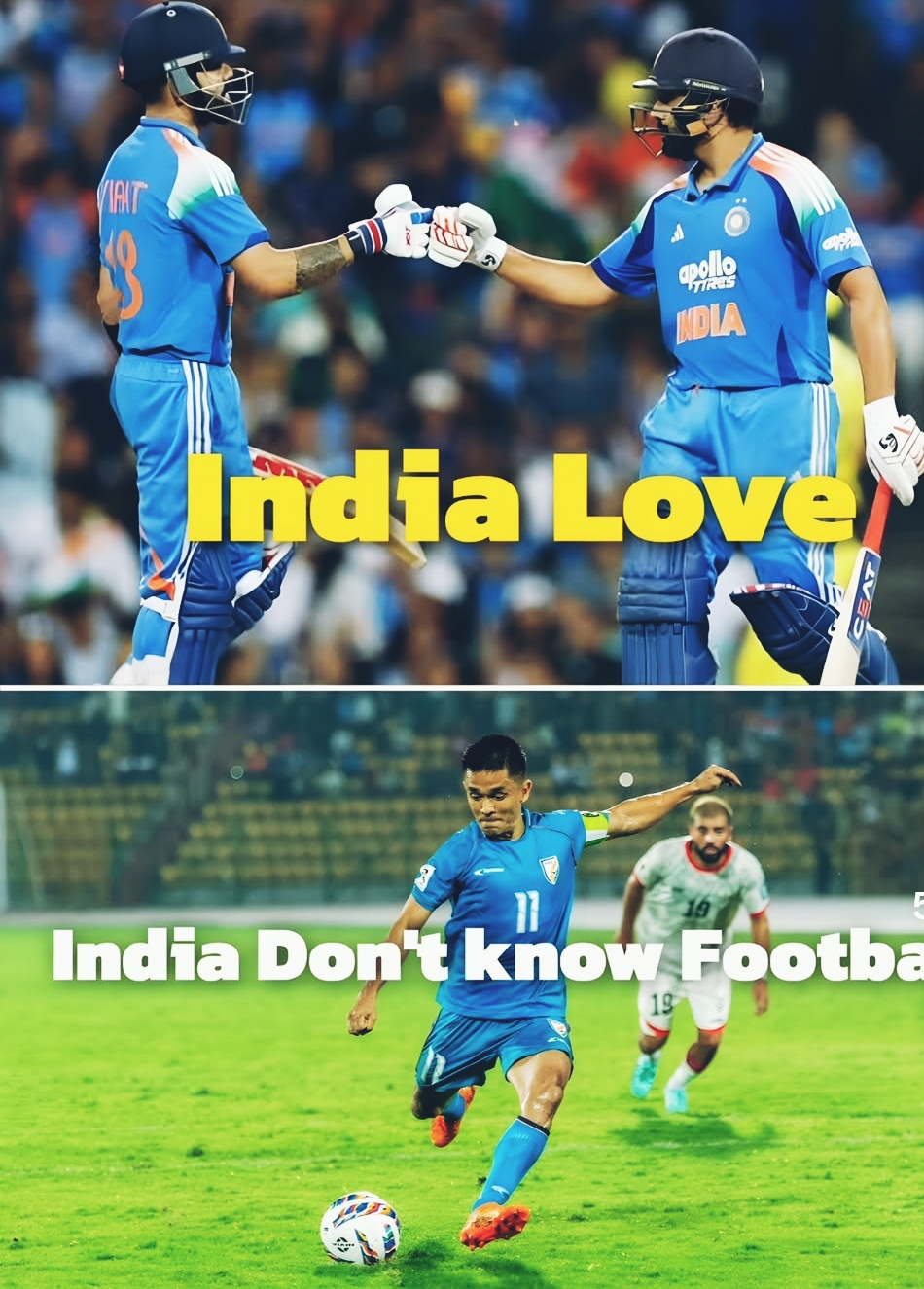
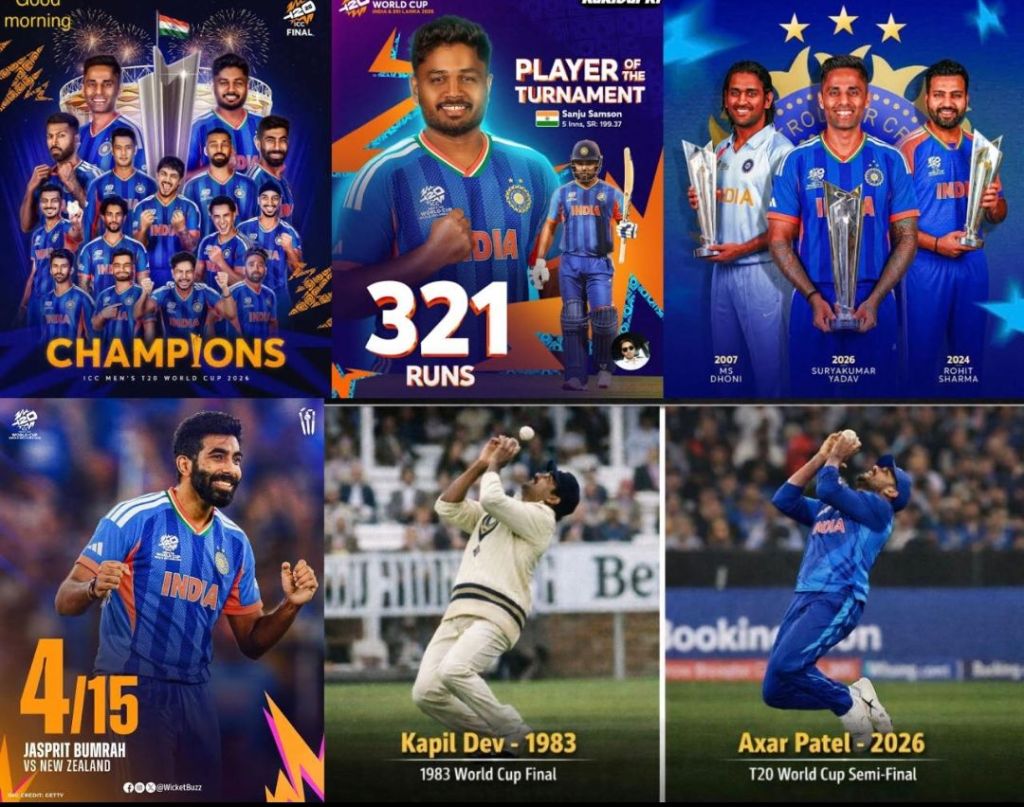
The conclusion of the ICC Men’s T20 World Cup, with India securing its third title, once again underscored cricket’s unrivalled dominance in the country’s sporting and commercial landscape. Television ratings surged to extraordinary levels, advertising inventories were exhausted weeks in advance, and corporate discussions mirrored the seriousness of economic policy debates. In stark contrast, the Indian Super League (ISL), which commenced its season on February 14, did so amid deep administrative uncertainty. The impending expiry of master rights agreements between the All India Football Federation (AIFF) and Football Sports Development Limited (FSDL), along with the absence of a confirmed commercial partner, has created apprehension among clubs, referees, coaches, and players whose professional stability depends on institutional continuity. This juxtaposition reveals a profound asymmetry: while cricket functions with the confidence and economic gravity of an entrenched empire, Indian football continues to navigate structural fragility and existential uncertainty.
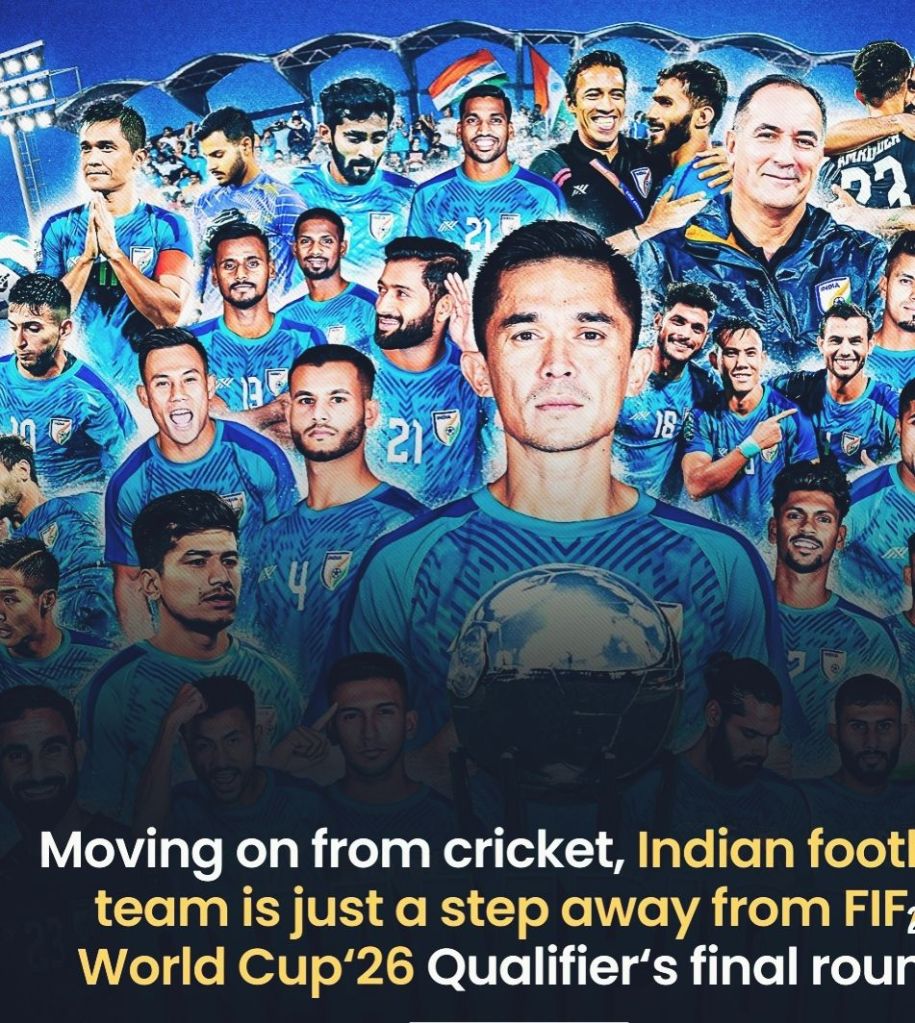
Cricket in India is not merely a competitive discipline; it is a civil religion fortified by mythology, memory, and market architecture. Its institutional coherence—anchored by the Indian Premier League (IPL)—has engineered a self-reinforcing ecosystem where excellence fuels consumption and consumption finances excellence. Broadcast revenues, sponsorship portfolios, digital engagement metrics, and franchise valuations converge into a virtuous cycle. The aspirational pathway from gully cricket to global arena is visible and economically rational. International success across formats cements narrative coherence: India wins, therefore India watches; India watches, therefore India invests. Cricket does not compete for cultural oxygen—it manufactures the atmosphere in which Indian sport breathes.
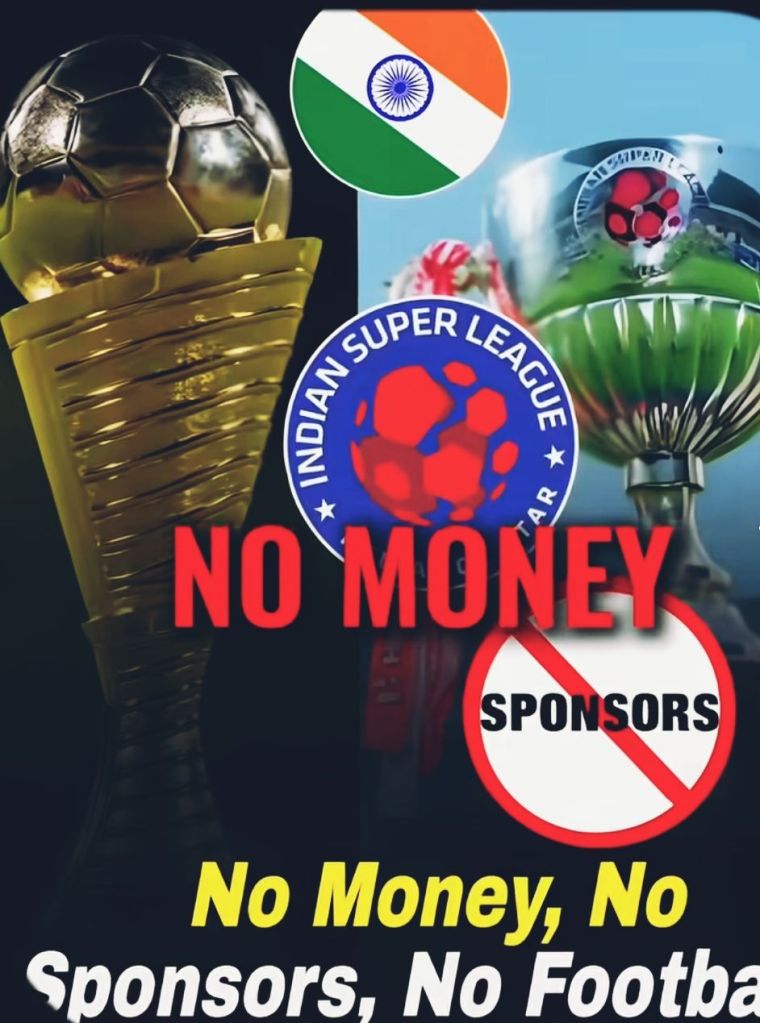
Football occupies a paradox. It is widely acknowledged as India’s second-favourite sport, with estimates placing its fan base at nearly 305 million—an audience exceeding the population of most sovereign nations. Urban neighbourhoods and schoolyards testify to rising participation, while viewership of global tournaments—whether the Premier League, La Liga, FIFA World Cup, or UEFA Champions League—is emotionally intense and digitally vibrant. Yet this fandom is externally oriented. Allegiance flows to Manchester, Madrid, or Munich, rarely to Mumbai or Mohali. The emotional capital generated abroad has not been fully domesticated into sustainable domestic economics. Unlike cricket—where national team dominance validates domestic leagues—Indian football lacks a catalytic moment of collective triumph to anchor its narrative.
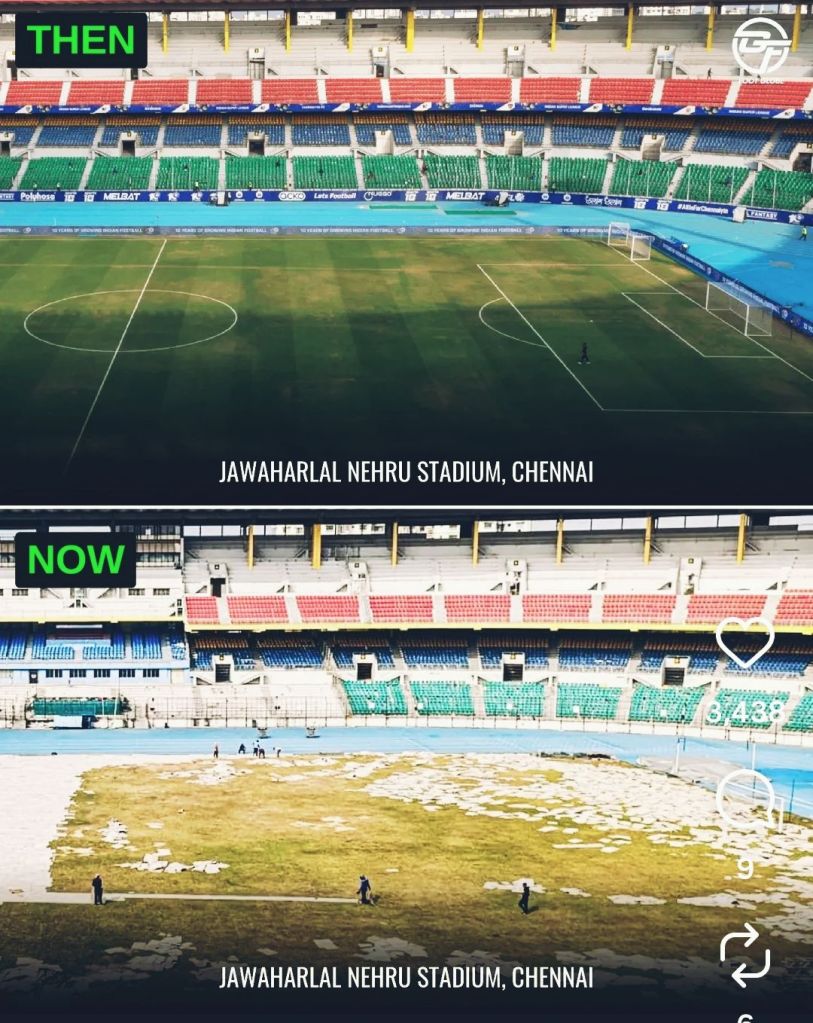
Performance creates coherence. Consider Croatia, a nation of modest population whose footballing pipeline, integrated with competitive European leagues, propelled it to consecutive deep runs at the World Cup. India’s demographic scale offers a vastly larger talent reservoir, yet it also introduces administrative complexity. Cultural diversity generates varied regional styles and skill sets; harmonising them into a synchronised national pathway demands institutional depth and patience. Here lies football’s structural dilemma: scale without synchronisation. The challenge is not talent scarcity but developmental continuity—scouting systems, youth academies, coaching certifications, sports science integration, and league stability aligned across tiers.
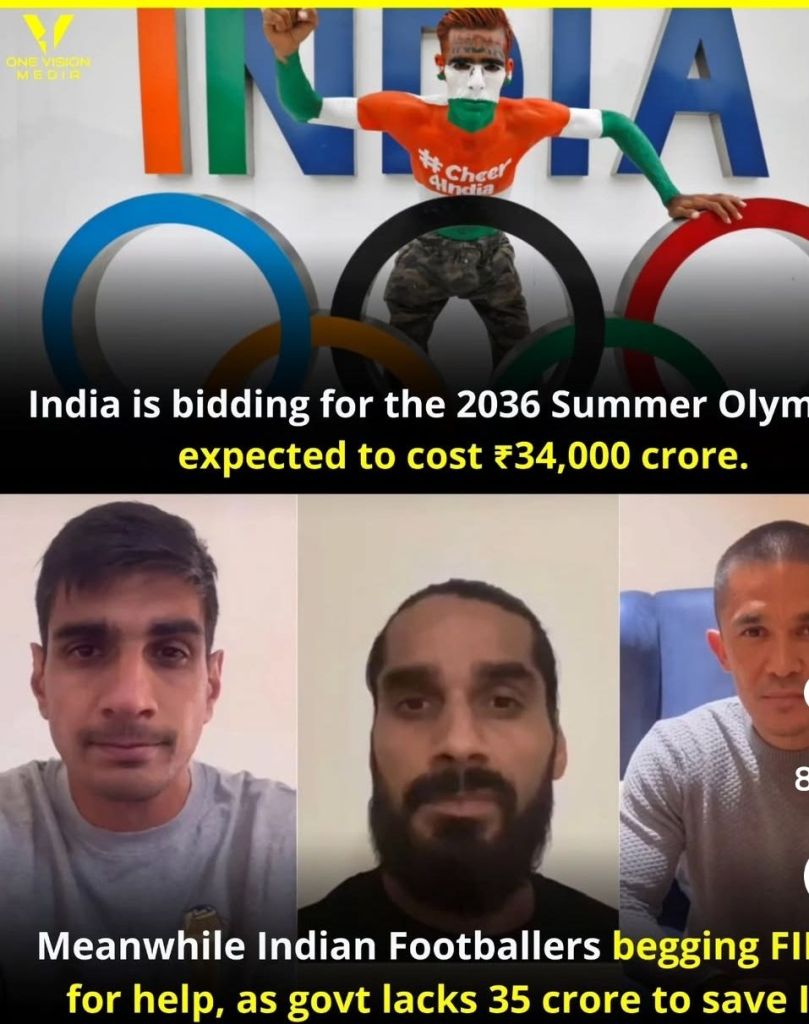
The ISL, launched in 2014 with franchise optimism reminiscent of the IPL template, was never destined to be an instant revolution. Consumer ecosystems mature gradually. Over a decade, however, the league has professionalised club management, attracted foreign technical expertise, and cultivated Indian coaches exposed to global best practices. Sports science, analytics, and structured youth academies have entered mainstream conversation. Cumulative reach reportedly touched 150 million fans—an indicator of latent appetite. These gains represent institutional learning, often invisible in headline narratives yet foundational for credibility. What football lacks is not evidence of progress but assurance of permanence.
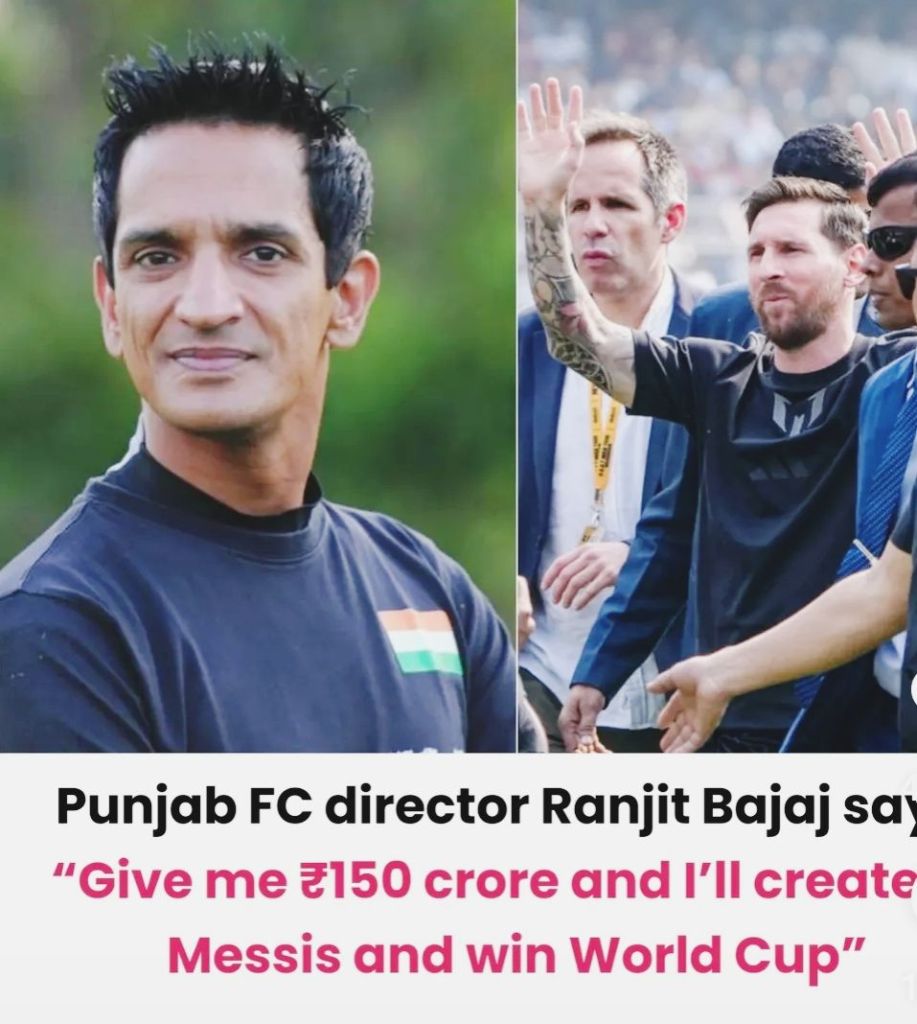
Administrative volatility periodically interrupts momentum, weakening investor and fan confidence.
The deeper inquiry is whether cricket is “crowding out” other sports or whether India’s sporting economy is simply asymmetrical. Cricket projects inevitability; football projects possibility. Families making rational risk assessments perceive cricket’s financial security against football’s uncertainty. Governance structures in cricket appear cohesive and commercially clear, while football periodically navigates litigation, federation disputes, and broadcast vacuums. The asymmetry is therefore psychological as much as fiscal. Yet the sporting pie itself is expanding. Youth demographics display multi-sport affinities; leagues in kabaddi, badminton, and hockey demonstrate that parallel ecosystems can coexist. India’s future need not be zero-sum.
Cricket will remain the empire—its eleven demigods commanding devotion and capital. But empires can coexist with republics of aspiration. If football converts dispersed admiration into anchored participation—through credible governance, sustainable club economics, grassroots investment, and domestic heroes—it will not dethrone cricket, but it will claim durable territory. The field is not abandoned; it is awaiting alignment. And when alignment arrives, India’s sporting narrative may evolve from monoculture to mosaic—where cricket reigns supreme, yet no longer alone.
Visit arjasrikanth.in for more insights
 SOCIAL PERSPECTIVES