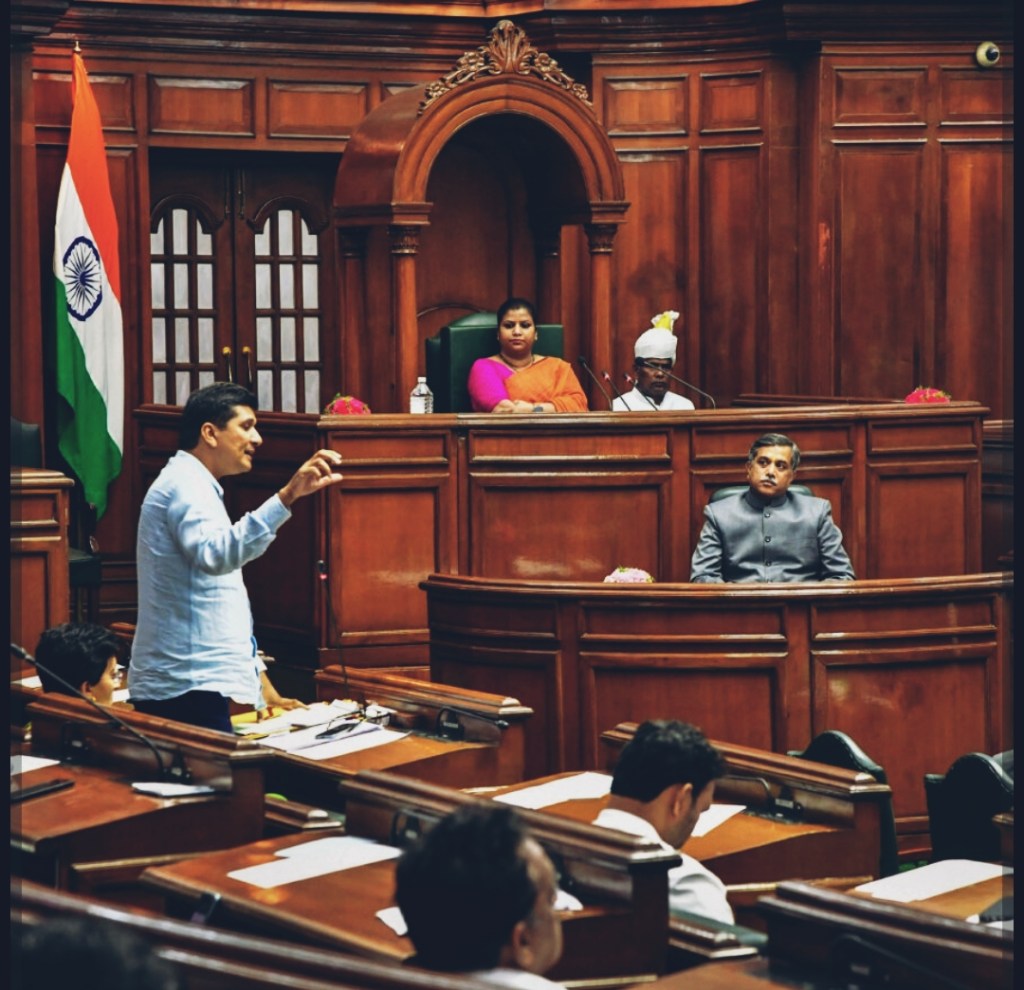
Indian democracy, often celebrated for its staggering scale, cultural diversity, and ritualistic electoral vibrancy, now confronts a troubling structural paradox. The very instruments designed to empower citizens increasingly operate as conduits of extraction and transactional politics. Elections in several regions resemble high-risk financial ventures, where candidates routinely outspend statutory ceilings to secure office. The legal cap—₹28 lakh for a state assembly contest and ₹70 lakh for a Lok Sabha campaign—appears modest when contrasted with the realities of modern campaigning: mass mobilization, media amplification, digital outreach, and constituency logistics.
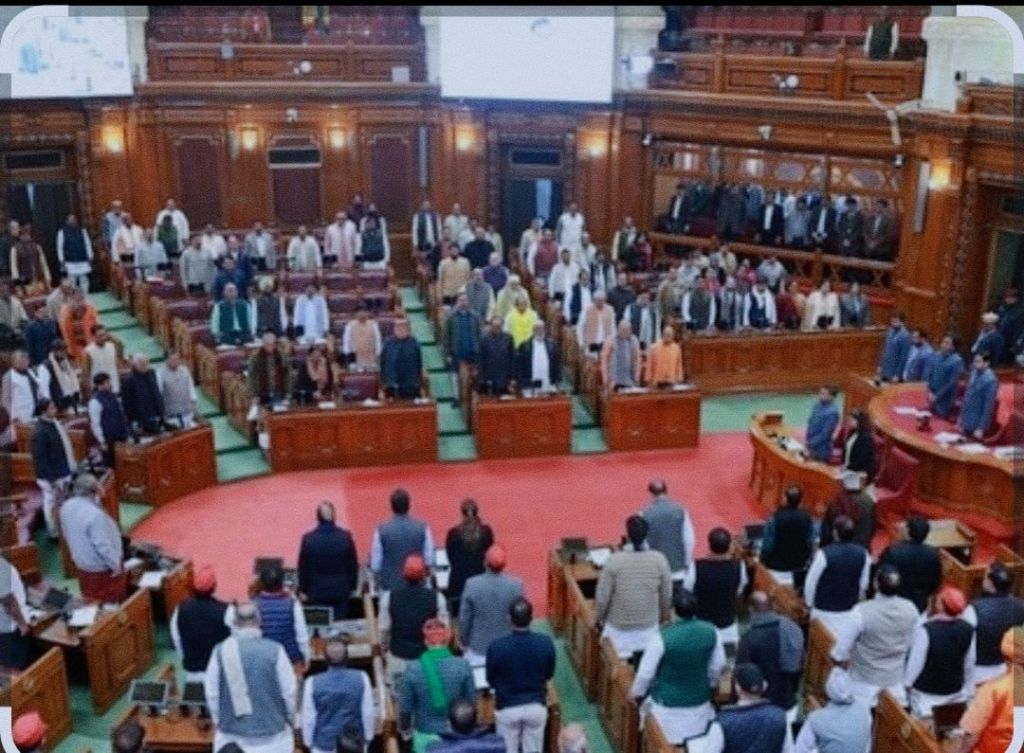
The inevitable consequence is a recoupment imperative. Political office becomes not merely a mandate of representation but an investment awaiting recovery. Representatives, particularly at the state level, often face intense pressure to offset campaign expenditures through influence over contracts, transfers, and administrative discretion. The constitutional design thus undergoes a subtle distortion: the legislator evolves into a localized power centre , mediating governance through patronage rather than through law. Over time, this transformation erodes fiscal prudence, weakens the rule of law, and chips away at citizen trust in democratic accountability.
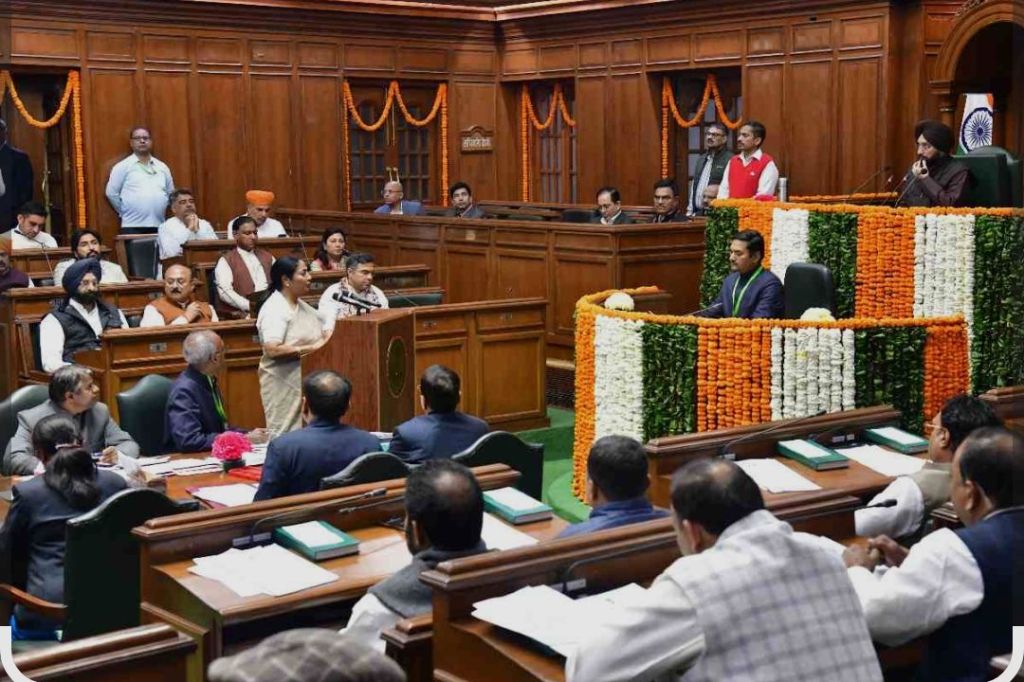
The political economy of campaign finance reveals the deeper architecture of this distortion. While statutory expenditure limits bind individual candidates, political parties face no comprehensive cap on spending. Historically, opaque funding channels compounded this asymmetry, most visibly through instruments such as electoral bonds. Corporate contributions and indirect spending structures widened informational gaps between political actors and the electorate.
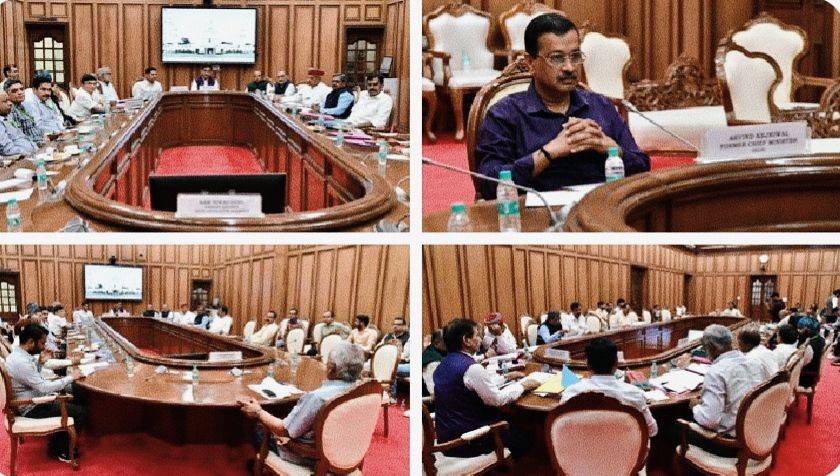
In 2024, the Supreme Court of India invalidated the electoral bonds scheme, asserting that anonymity in large-scale political donations undermines democratic equality and violates the citizen’s right to information. The judgment marked a landmark moment in constitutional jurisprudence, reaffirming transparency as a democratic imperative. Yet the decision also exposed how years of opacity had already entrenched structural advantages for well-funded actors and incumbents. When financial flows escape public scrutiny, democratic competition becomes asymmetrical and accountability retreats behind formal legality.
The need to recover electoral investments fuels a pernicious governance cycle. Candidates who deploy substantial personal or borrowed capital depend on access to executive machinery and party hierarchies to balance their political books. Administrative processes—from police postings to infrastructure contracts—gradually become instruments of political economy. Bureaucratic neutrality, once the cornerstone of Weberian governance, yields to informal networks of loyalty and patronage.
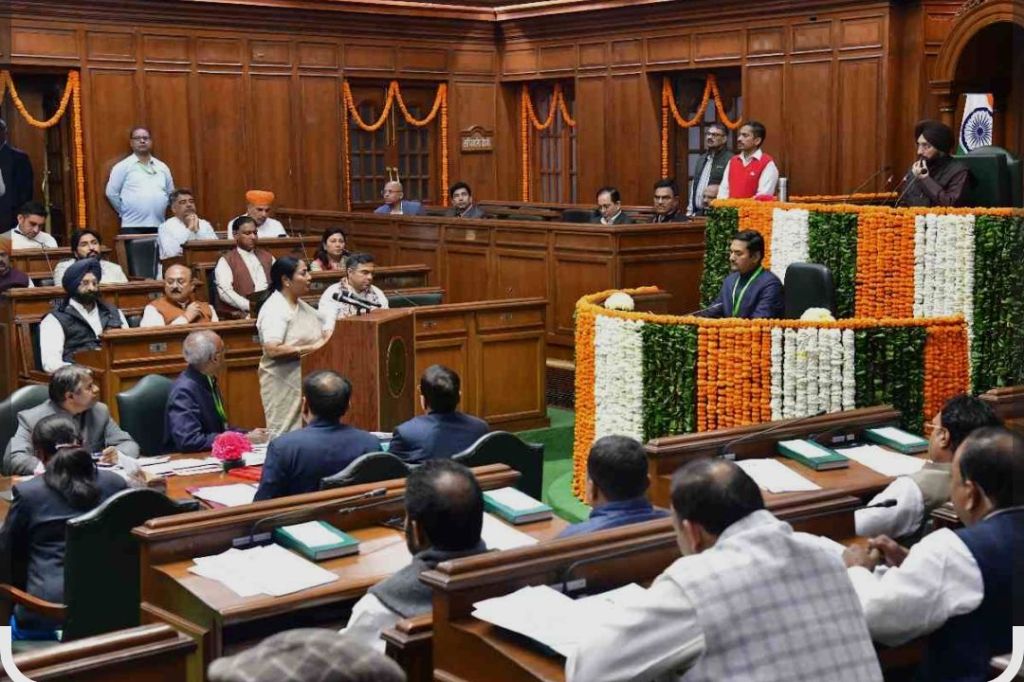
Over successive electoral cycles, the local Member of Legislative Assembly evolves into a hybrid actor: part creditor, part regulator, part intermediary. Citizen entitlements—licenses, welfare benefits, development works—are filtered through political proximity rather than delivered through rule-based processes. Public services transform into negotiable favors. Such mediation corrodes institutional impartiality and converts democratic participation into a transactional exchange where access eclipses rights and loyalty substitutes for legality.
The metamorphosis of the legislator’s role amplifies the distortion. Constitutionally, MLAs are lawmakers entrusted with debate, oversight, and policy articulation. In practice, they frequently function as de facto executives within their constituencies—approving development works, influencing transfers, and orchestrating welfare delivery. Media narratives reinforce this personalization of governance, projecting legislators as guarantors of individual grievance redressal rather than architects of systemic reform.
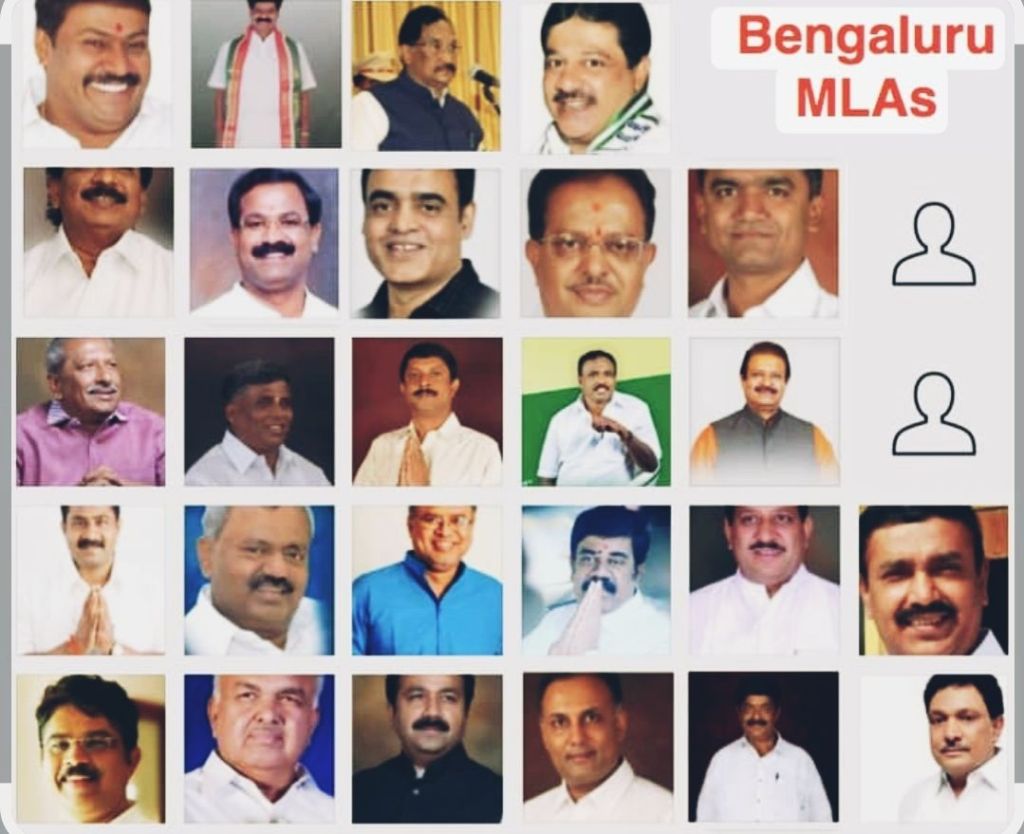
Citizens, conditioned by this political culture, approach elected representatives for hospital admissions, land disputes, and regulatory approvals. The boundary between legislative oversight and executive execution blurs dangerously. Instead of strengthening institutional processes, governance becomes personalized and discretionary. The rule-based architecture envisioned by constitutional framers gradually gives way to a culture of patronage.
Fiscal consequences are equally profound. Electoral competition encourages visible, short-term benefits—subsidies, cash transfers, tax exemptions—often announced without sustainable revenue frameworks. The phenomenon colloquially described as “revdi culture” reflects this trajectory, where immediate electoral dividends eclipse long-term fiscal responsibility. Development contracts risk politicization, law enforcement becomes selectively assertive, and businesses navigate a regulatory environment shaped as much by political alignment as by compliance norms.
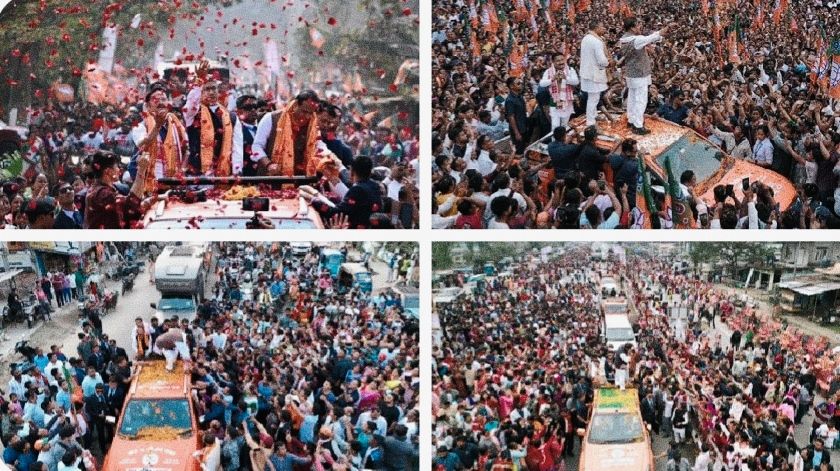
Federal dynamics further complicate the picture. Narratives of “double-engine governance” sometimes align resource flows with partisan synchronization between state and central governments. Meanwhile, local governments—constitutionally empowered through the 73rd and 74th Amendments—often remain fiscally constrained and politically overshadowed. Instead of decentralized governance, discretionary power concentrates around state-level political actors, weakening grassroots democracy.
Dynastic politics deepens these structural distortions. High entry costs and organizational dependency encourage parties to privilege familial continuity over open competition. Political science research suggests that dynastic representation occupies a significant share of legislative seats across India. The phenomenon embodies a paradox. On one hand, dynastic networks may enable representation for communities lacking independent financial resources. On the other, they entrench barriers for new aspirants and restrict meritocratic mobility. What appears as social inclusion may simultaneously operate as political gatekeeping.
Reclaiming democratic fidelity therefore demands structural reform rather than rhetorical indignation. Transparency in political finance must become comprehensive—extending expenditure caps to parties, mandating real-time disclosure of donations, and establishing independent auditing mechanisms. Administrative neutrality can be restored through transparent transfer policies and fixed bureaucratic tenures. Empowering local governments with genuine fiscal autonomy would dilute the concentration of discretionary power in legislative offices.
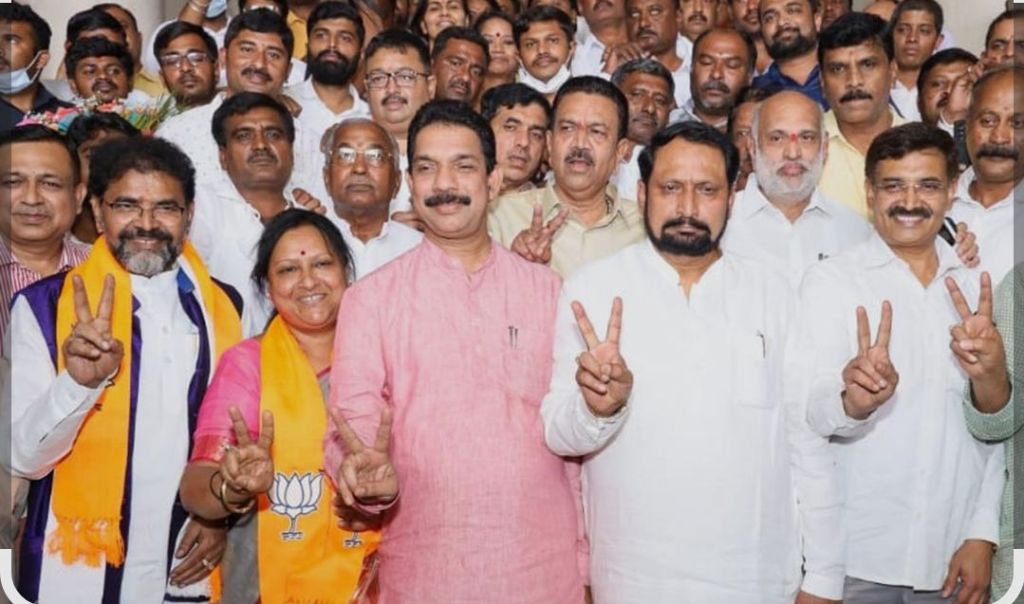
Equally crucial is internal party democracy. Mentorship pipelines, transparent candidate selection, and institutionalized debate can widen entry pathways beyond dynastic networks. Comparative experiences—from Brazil’s public funding frameworks to Canada’s stringent contribution limits—demonstrate that campaign finance reform is both feasible and effective when backed by political will.
Ultimately, democracy’s resilience lies not merely in the periodic conduct of elections but in the integrity of the incentives that shape them. When political mandates begin to resemble financial assets, democratic legitimacy quietly erodes. India’s constitutional promise can still be renewed—if the ballot ceases to function as a balance sheet and returns to its intended role: a moral contract between citizens and those entrusted to govern them.
VISIT ARJASRIKANTH.IN FOR MORE INSIGHTS
 SOCIAL PERSPECTIVES