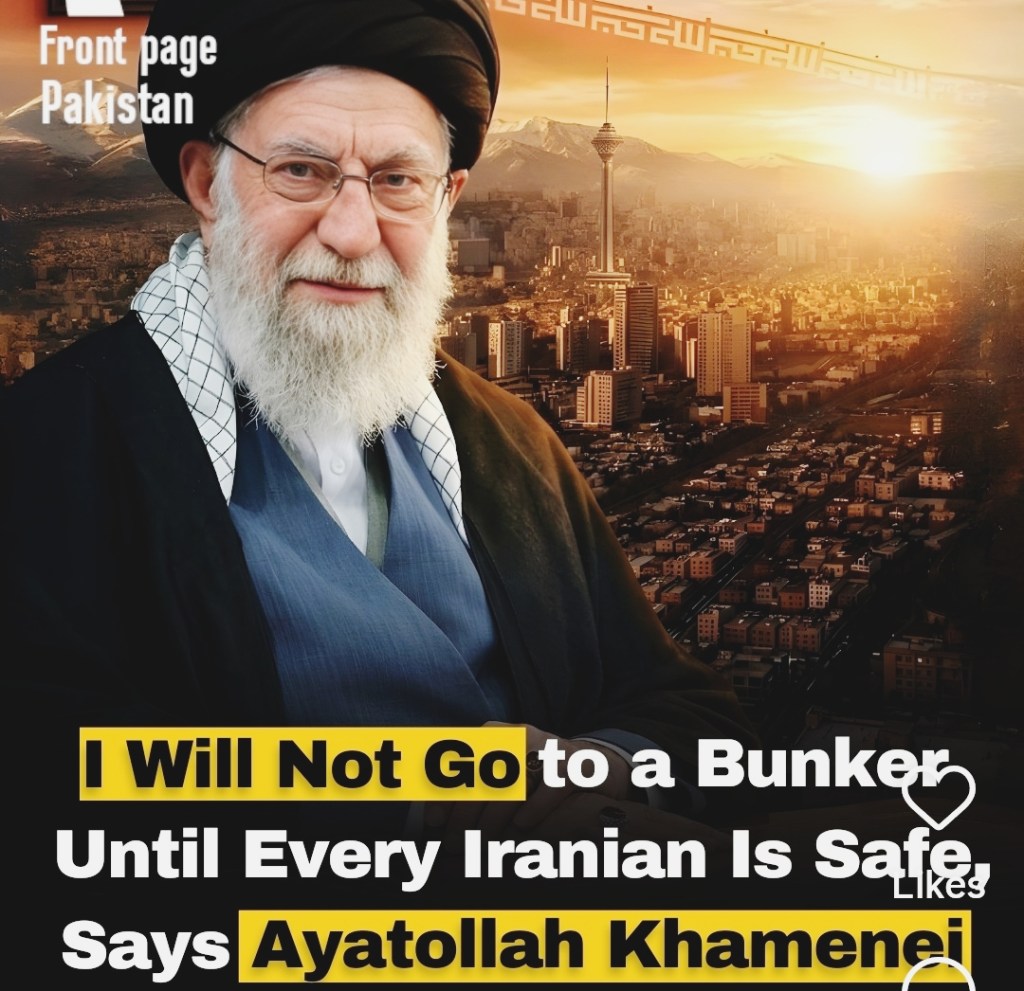
The assassination of Ali Khamenei—allegedly through coordinated strikes attributed to the United States and Israel—may have been conceived as a decisive geopolitical stroke. Yet history repeatedly warns that eliminating ideological leaders rarely produces the tidy strategic outcomes planners imagine. Instead, such acts frequently generate the opposite effect: martyrdom, emotional mobilisation, and political consolidation. In the case of Iran, the death of its long-serving Supreme Leader has triggered precisely this paradox, transforming a controversial political figure into a symbol capable of unifying forces that were previously fragmented.
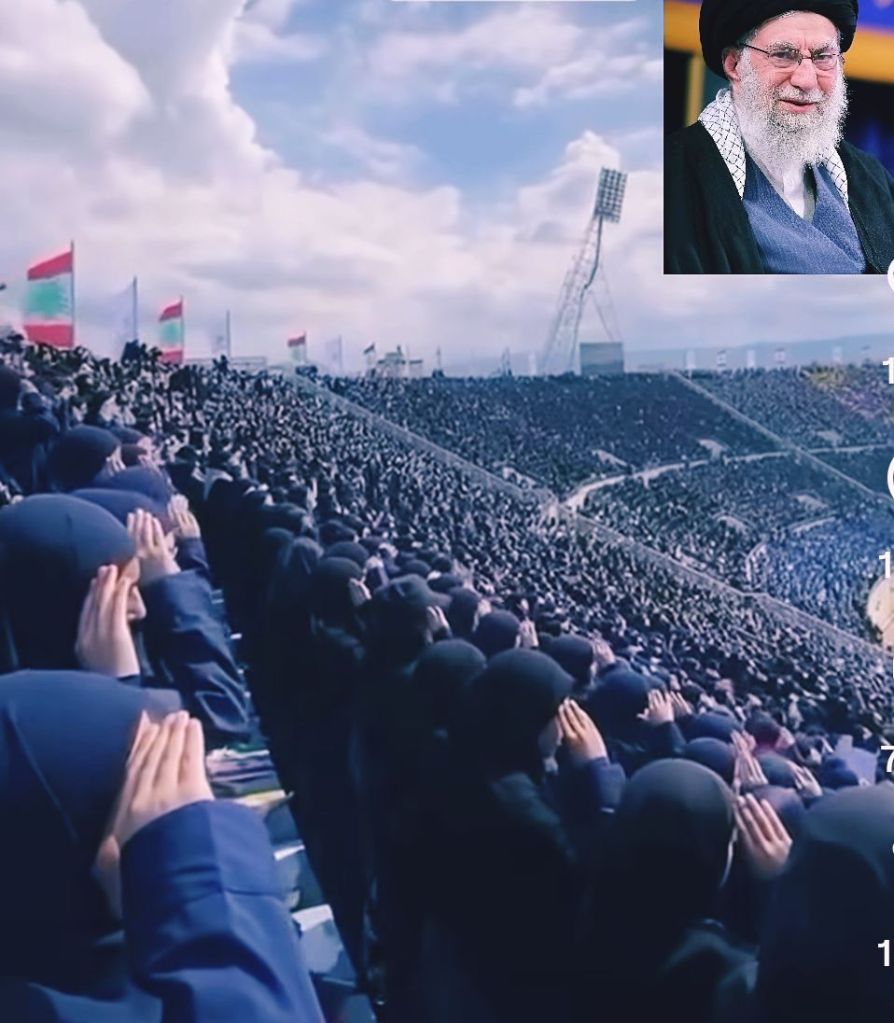
For more than three decades, Khamenei represented the ideological backbone of the Islamic Republic. Rising from a modest clerical background in Mashhad after the revolution led by Ruhollah Khomeini, he fused religious authority with state power in a uniquely durable political arrangement. To his supporters, he was the guardian of Islamic sovereignty and resistance against Western domination; to critics, he embodied the rigidity and repression of clerical rule. Yet beyond these competing narratives, Khamenei had become an institutional symbol—an embodiment of the revolutionary state itself rather than merely its administrator.
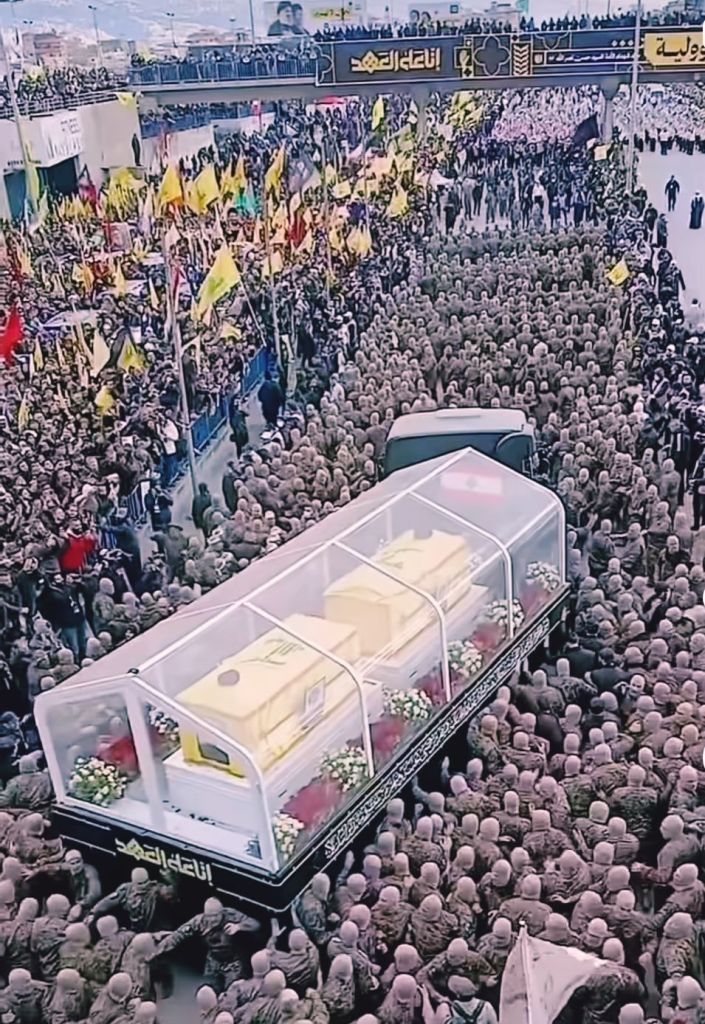
The geopolitical reverberations of his death became visible almost immediately. Iran declared forty days of mourning, a deeply symbolic ritual within Shia political culture that elevates grief into collective memory. Demonstrations erupted not only across West Asia but also in distant communities. In India, gatherings were reported in cities such as Kashmir, Lucknow, Hyderabad, and Bhopal, where thousands expressed solidarity and mourning. These reactions revealed an often underestimated dimension of Iranian influence: Khamenei’s authority extended far beyond national borders, resonating across transnational religious and political networks.
For many within Shia communities and sections of the broader Muslim world, the assassination was not interpreted simply as the removal of a political leader. It was reframed as an assault on a civilisational symbol. This narrative shift is strategically significant. Governments can survive criticism of individual leaders, but the perceived humiliation of a collective identity often produces emotional unity that transcends political disagreement. The assassination therefore transformed Khamenei from a contested ruler into a rallying point of resistance against perceived external domination.
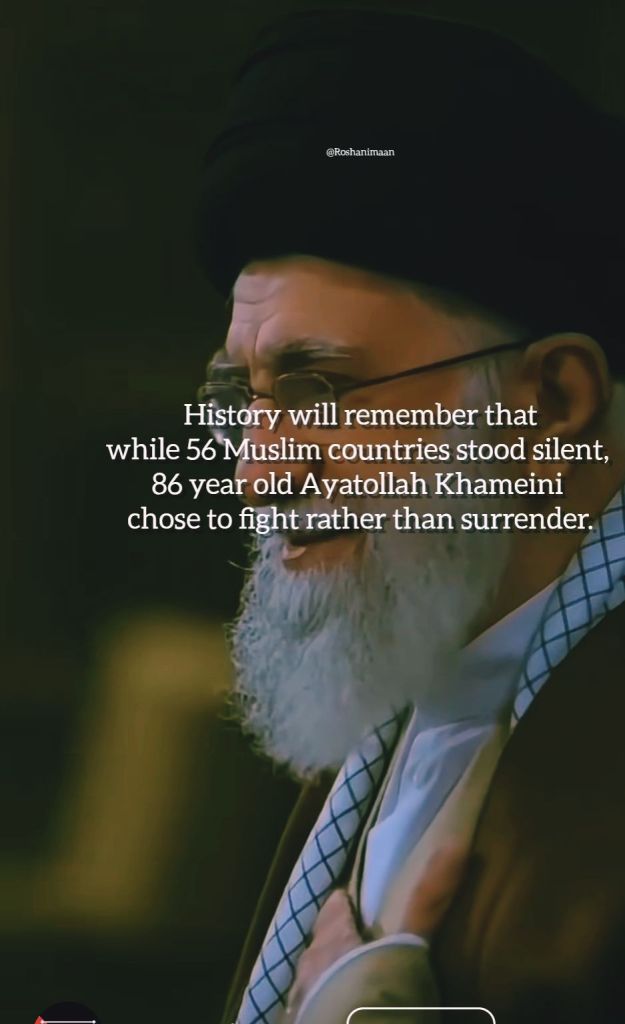
Ironically, this unity emerged at a moment when Iran itself had been experiencing internal fractures. The country had witnessed significant protests in recent years, particularly following the death of Mahsa Amini, which ignited nationwide demonstrations over women’s rights, economic hardship, and generational frustration. These movements exposed deep dissatisfaction among younger Iranians and highlighted the vulnerabilities of the Islamic Republic. Yet external attack possesses a powerful psychological effect: when a nation perceives itself under siege, internal criticism often recedes before the instinct of collective defence. In that sense, the assassination inadvertently supplied the regime with what it most urgently required—temporary national cohesion.
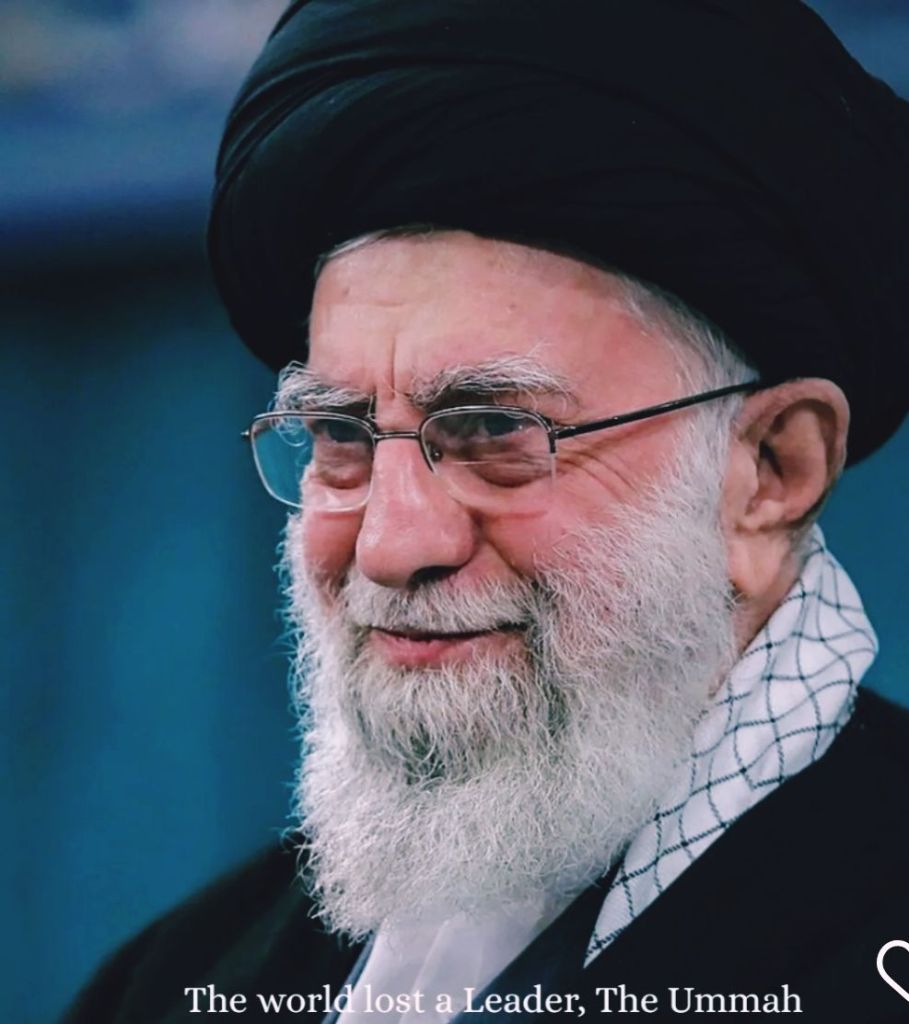
This outcome raises profound questions about the strategic logic of leadership “decapitation.” While such tactics can disrupt militant organisations, they rarely dismantle entrenched political systems. Iran’s power structure is deeply institutionalised, anchored in bodies such as the Islamic Revolutionary Guard Corps, clerical councils, and security institutions built over decades. Removing one leader does not dismantle that architecture. Instead, the immediate consequence appears to be the opposite of what its architects may have intended: the transformation of Khamenei into a martyr whose symbolic authority may outlive his physical presence. In geopolitical terms, the strike meant to weaken Iran may ultimately have strengthened the emotional legitimacy of the very system it sought to destabilise.
VISIT ARJASRIKANTH.IN FOR MORE INSIGHTS
 SOCIAL PERSPECTIVES