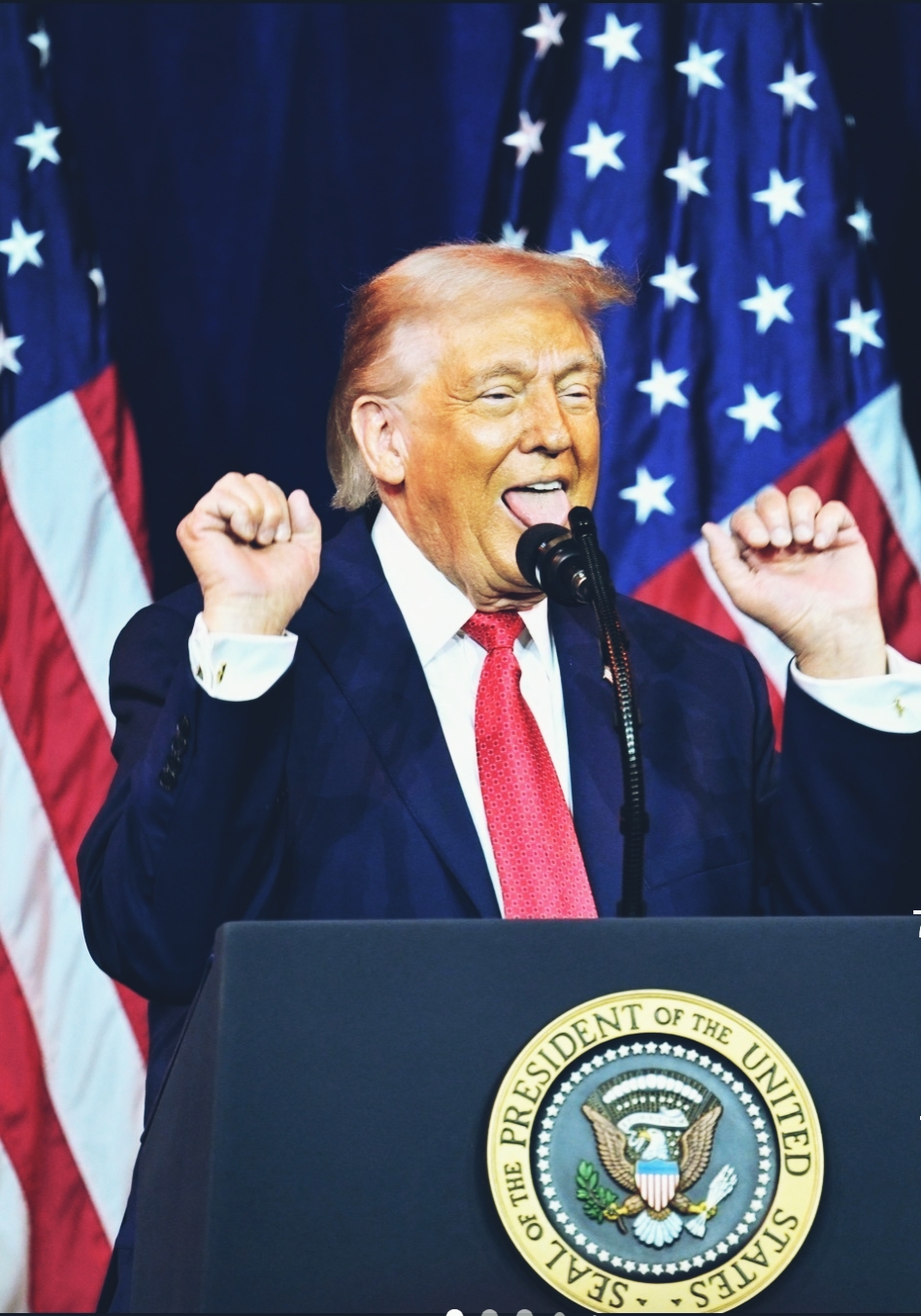
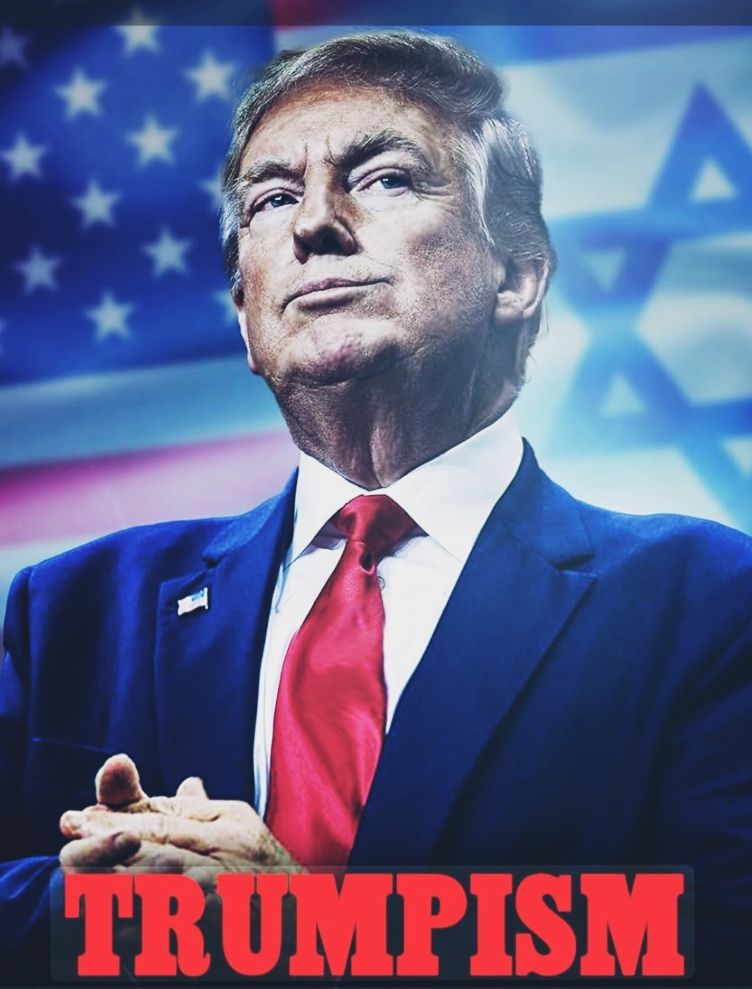
Trumpism in its second coming is not merely a political style; it is a psychological event with geopolitical consequences. What began as an insurgent critique of liberal overreach has hardened into a governing doctrine where power is both instrument and intoxication. The United States, once self-styled as reluctant liberator and architect of a rules-based order, now appears recast as an apex opportunist. The shift is not cosmetic. It is structural. Liberation has yielded to leverage; stewardship to extraction. In this transformation lies the key to understanding the fusion of Donald Trump’s psychology with a new American grand strategy.
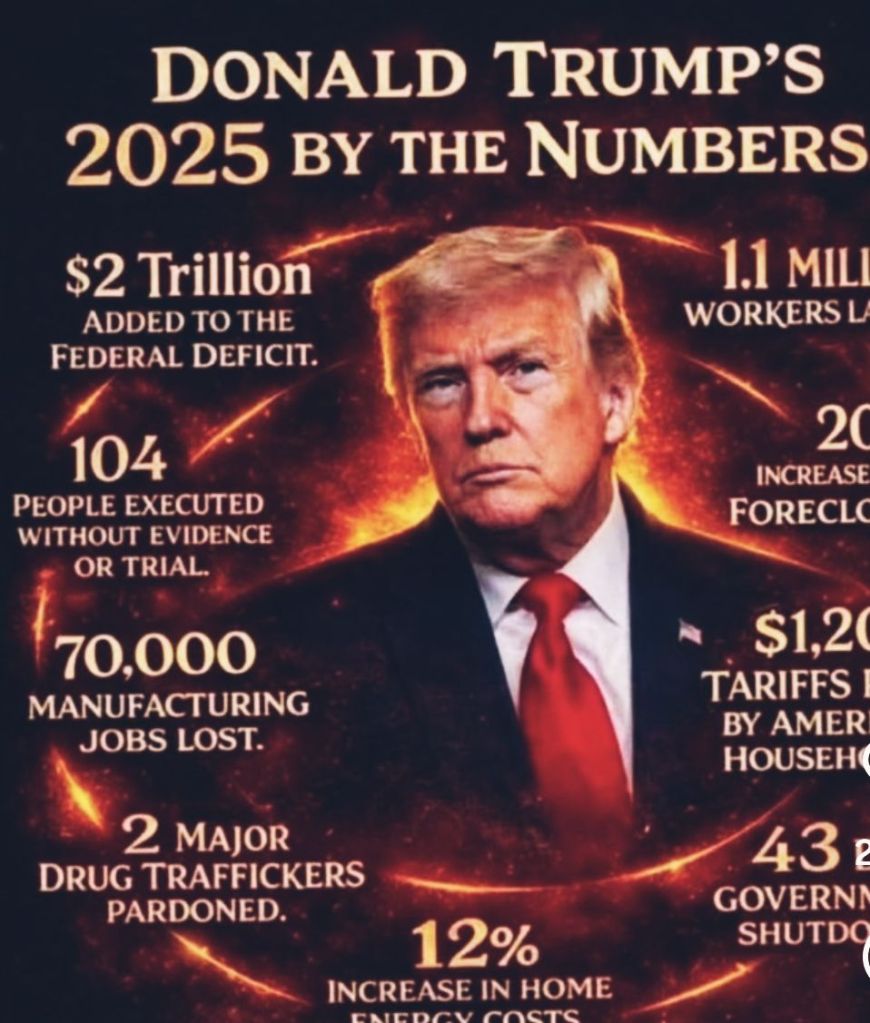
Psychological analyses frequently invoke the framework of malignant narcissism to explain Trump’s behavioural arc—an amalgam of narcissism, paranoia, antisocial traits, and aggression. The “Dark Triad” of narcissism, Machiavellianism, and psychopathy offers a clinical shorthand: grandiosity fused with manipulation and emotional detachment. Leadership scholar Manfred Kets de Vries has described such personalities as organized around a profound inner emptiness, for whom power becomes psychological regulation. Add to this the neurochemistry of dominance—dopamine surges reinforcing risk-taking—and one arrives at the metaphor of addiction. Like any addiction, tolerance escalates.
Rhetorical disruption no longer suffices; kinetic action becomes the new stimulus. When thwarted—whether in failed acquisition fantasies or diplomatic friction—the response is not recalibration but rage. Thus, foreign policy mutates into theatre of validation.
In his first term, institutional guardrails—cabinet moderates, bureaucratic inertia, congressional oversight—tempered impulse with process. In the second, those constraints thin. Loyalty eclipses technocratic competence. Transaction replaces tradition. The doctrine once marketed as “America First” isolationism evolves into something more muscular and mercantilist: what Australian MP Andrew Hastie called apex opportunism. The 2025 National Security Strategy’s invocation of an enforced Monroe Doctrine signals hemispheric proprietorship rather than partnership. The message distilled by commentators is stark: we can reach you—and we may not protect you unless you comply. In effect, the post-1945 rules-based order is deemed negotiable, even defunct, replaced by a calculus of conditional sovereignty.

Nowhere is this transformation clearer than in the strike on Ayatollah Ali Khamenei. Public justification centred on nuclear deterrence and regional stability; operational reality resembled a meticulously prepared decapitation gambit. Psychologically, the move fused revenge, legacy-building, and diversion. The unresolved trauma of the 1979 hostage crisis has long haunted American political memory; eliminating an aging ayatollah was framed domestically as historical closure. The timing—amid sagging polls and domestic legal pressures—fit the classic diversionary-war template. Strategically, it revived the “madman theory” associated with Richard Nixon: cultivate unpredictability to enhance bargaining leverage. Yet unpredictability, while dramatic, corrodes trust—especially when directed at both adversaries and allies.
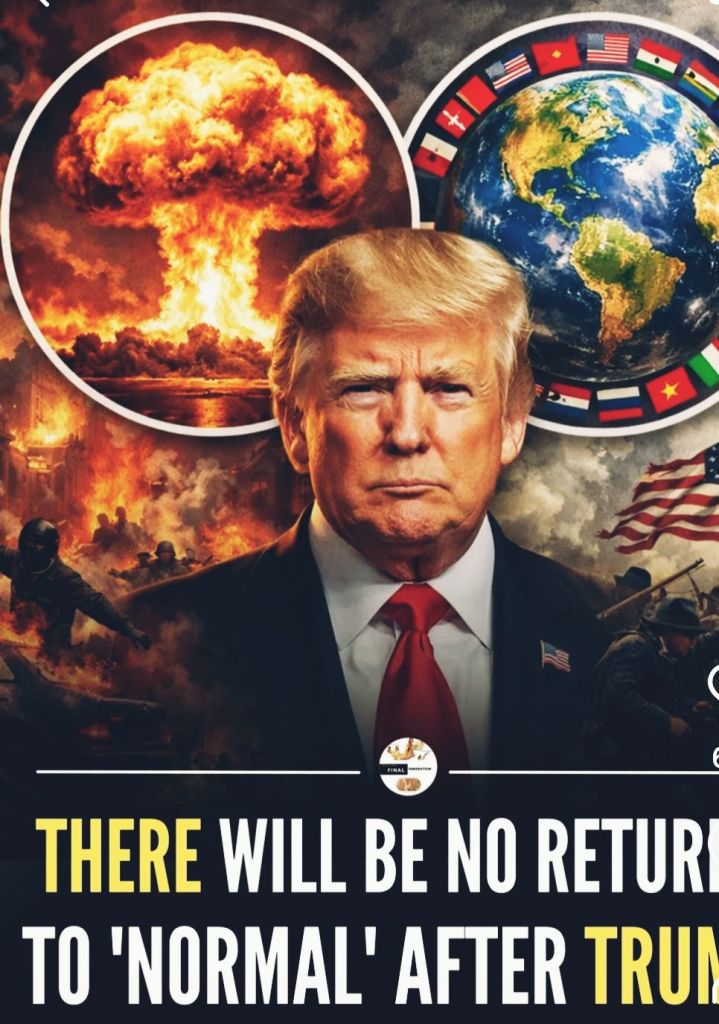
The January 2026 abduction of Nicolás Maduro illustrated the hybridisation of ideology and transaction. For hardliners like Marco Rubio, it promised ideological rollback in Latin America; for nativist strategists, deportation leverage; for Trump, the ultimate prize was oil infrastructure and monetizable influence. Regime change became not missionary democracy but asset acquisition. Similarly, the Greenland episode—pressuring Denmark via NATO manoeuvres—challenged the sanctity of territorial integrity embedded in the United Nations Charter. The eventual sovereign-base compromise was less alliance solidarity than creative appeasement: grant a symbolic “win” to avert a larger rupture. Allies learned that placation might preserve form while conceding psychological tribute.
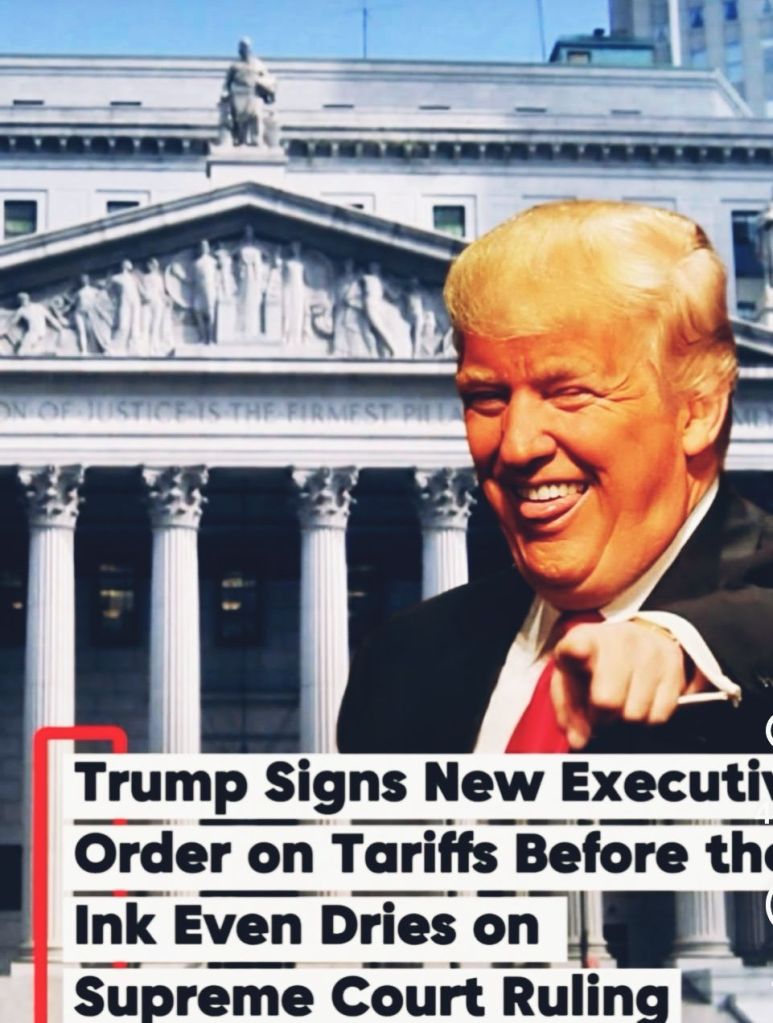
The economic reverberations are equally profound. Tariff volatility—unchecked even after judicial pushback—injects chronic uncertainty into global supply chains. Energy markets, rattled by Gulf instability, price in geopolitical risk premiums that ripple through inflation and trade balances. Middle powers hedge. Europe accelerates strategic autonomy. India calibrates engagement—cooperating in Indo-Pacific balancing while resisting hierarchical dependency. The paradox of predatory hegemony, as theorists like Stephen Walt suggest, is that extraction yields immediate gains but erodes the legitimacy that sustains long-term primacy. The liberal order endured because American power was often embedded within institutions, its dominance softened by restraint. Power restrained multiplied; power monetized depreciates.
Why such audacity toward Iran despite escalation risks? Three explanations converge. First, historical misreading: the belief that Iraq and Afghanistan failed not from overreach but from insufficient extraction—“not taking the oil.” Second, addiction logic: Venezuela and Greenland were insufficient highs; Iran represented the ultimate dopamine surge. Third, echo chambers: advisers adept at “Trumpifying” ideological goals reframed regime change as swift, profitable triumph. Hubris thrives in atmospheres of recent success. Yet history warns that wars popular at inception sour with duration and cost.
Containing fallout demands psychological realism. Traditional deterrence presumes rational cost-benefit calculus; addiction logic responds to stimulus and spectacle. International institutions must document violations even if ignored; they are repositories of post-crisis legitimacy. Allies require industrial and defence resilience to reduce vulnerability to transactional coercion. Domestic constituencies must confront the ledger of “winning”—the human and fiscal toll of dominance theatrics. Even within Trump’s coalition, isolationist currents caution against perpetual intervention; their scepticism is strategic ballast.
Across the long arc of modern history, American power derived not solely from force but from credibility—the belief that commitments were durable and rules reciprocal. Trumpism’s empire of extraction tests that inheritance. If liberation once legitimized primacy, leverage now strains it. Psychology, amplified by power’s neurochemistry, has fused with grand strategy to produce a volatile synthesis: dominance as dopamine, unpredictability as policy. The world must therefore prepare not for conversion but for containment—building resilient architectures capable of weathering a hegemon enthralled by its own reflection.
VISIT AJRASRIKANTH.IN FOR MORE INSIGHTS
 SOCIAL PERSPECTIVES