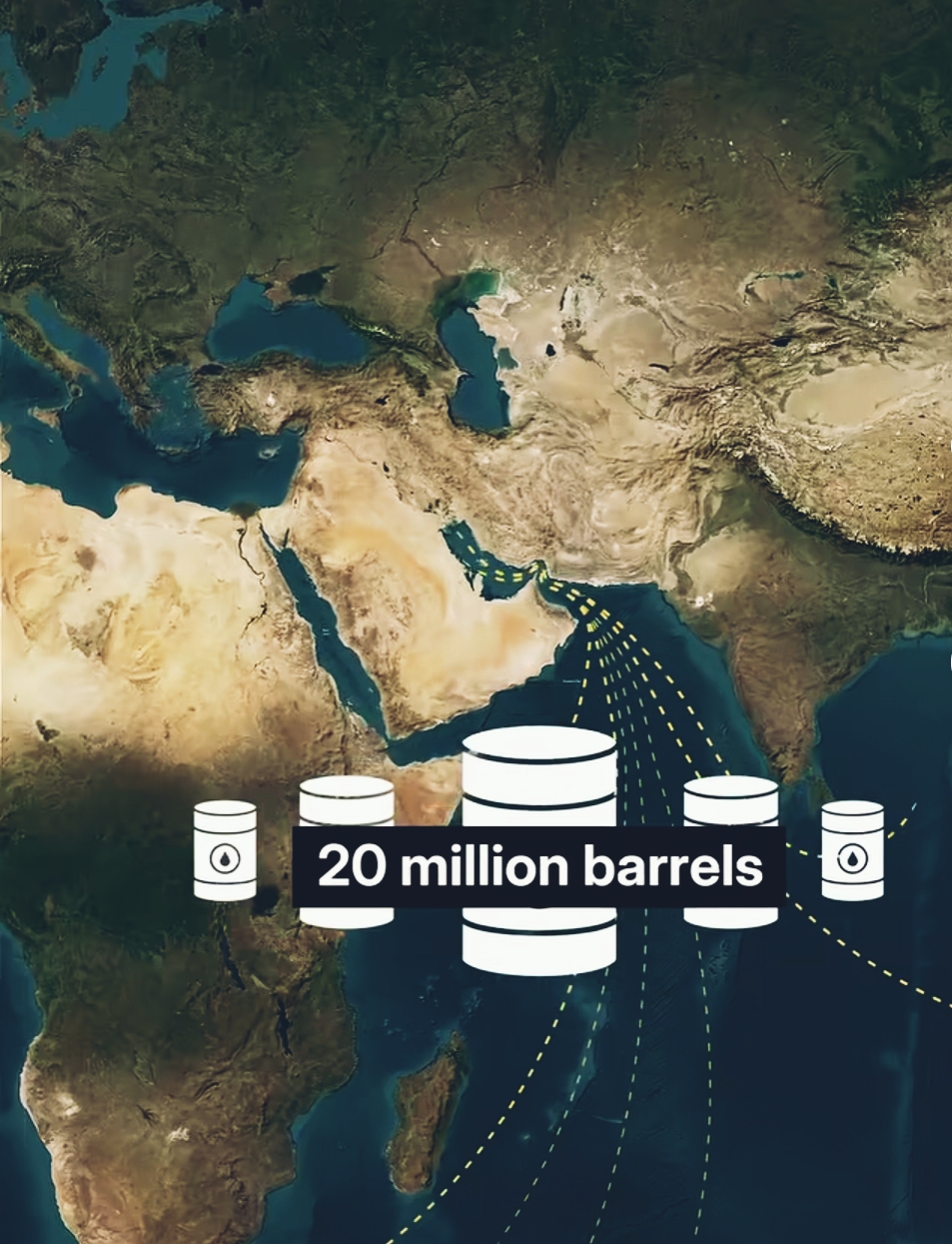
Alfred Thayer Mahan’s century-old proposition—that command of the seas determines the fate of nations—was articulated in the era of steel battleships and imperial fleets. Yet its contemporary resonance is heard less in cannon fire and more in crude carriers, LNG tankers, and transcontinental jet routes. The recent joint US–Israel strikes on Iran—Israel’s “Rising Lion” and Washington’s “Operation Epic Fury”—and Tehran’s calibrated retaliation across the Gulf have transformed a strategic confrontation into an economic contagion. For India, the tremors are neither distant nor abstract. They manifest in airline suspensions, volatile fuel prices, remittance anxieties, and fiscal recalibrations. When geopolitical shockwaves radiate from the Strait of Hormuz, they reverberate through Indian households, corporate ledgers, and government balance sheets.
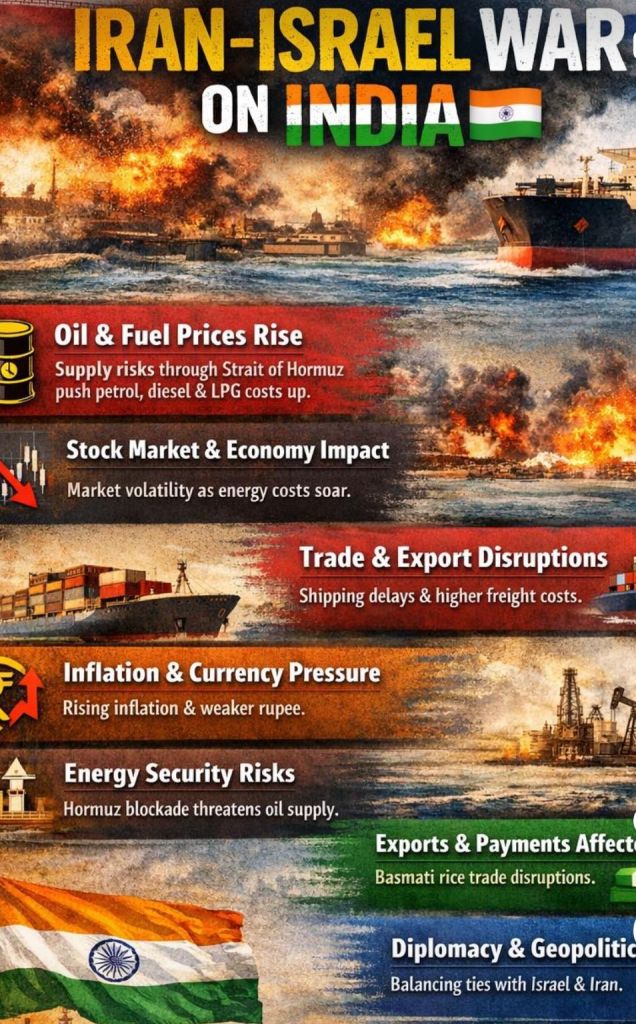
The most immediate disruption unfolded in the skies. Within days, hundreds of international flights were cancelled or rerouted as aviation regulators advised carriers to avoid multiple West Asian flight information regions. The westbound aerial corridor—India’s vital artery to the Gulf, Europe, and North America—was abruptly constricted. With Pakistan’s airspace already restricted for Indian carriers, route alternatives were limited and costly. Airlines absorbed mounting burdens: extended flight times, higher fuel burn, crew rescheduling, passenger accommodation, and war-risk insurance surcharges. An industry already navigating structural losses confronted acute exposure, given that aviation turbine fuel constitutes roughly 35–40 percent of operational costs. In aviation economics, geopolitics quickly translates into balance-sheet fragility.
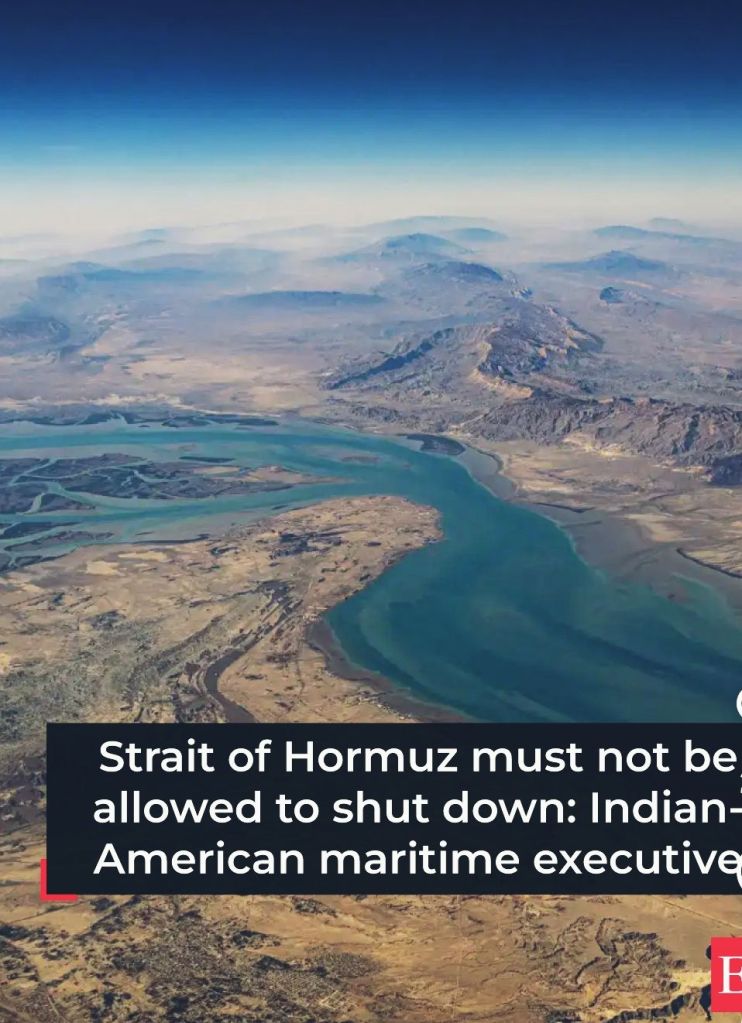
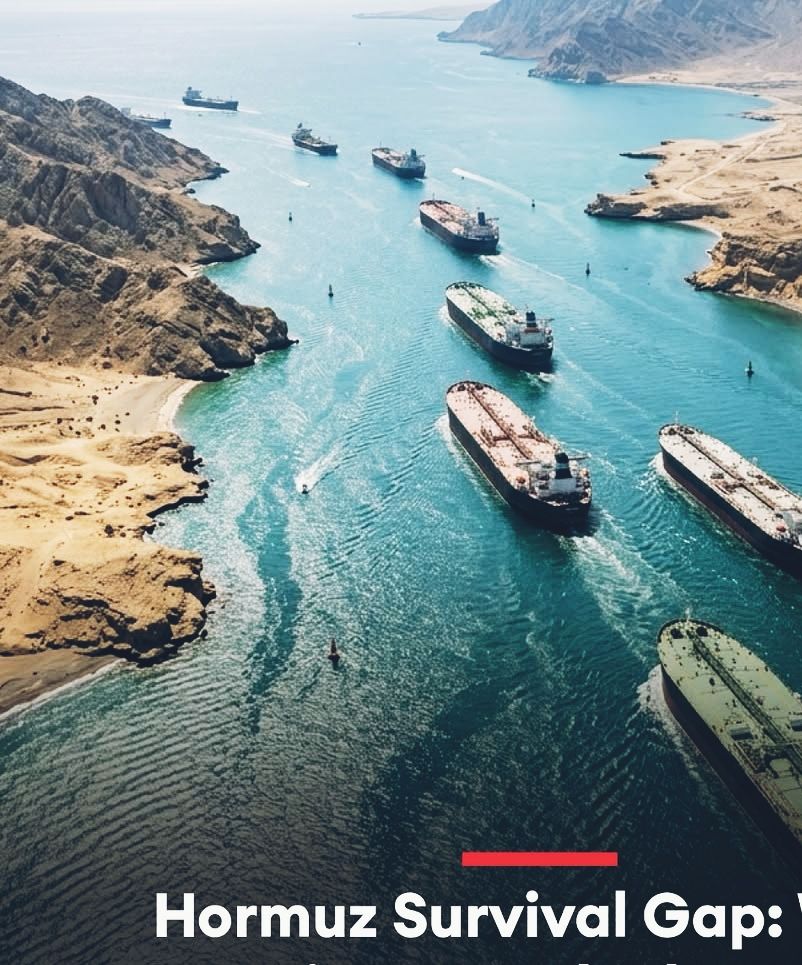
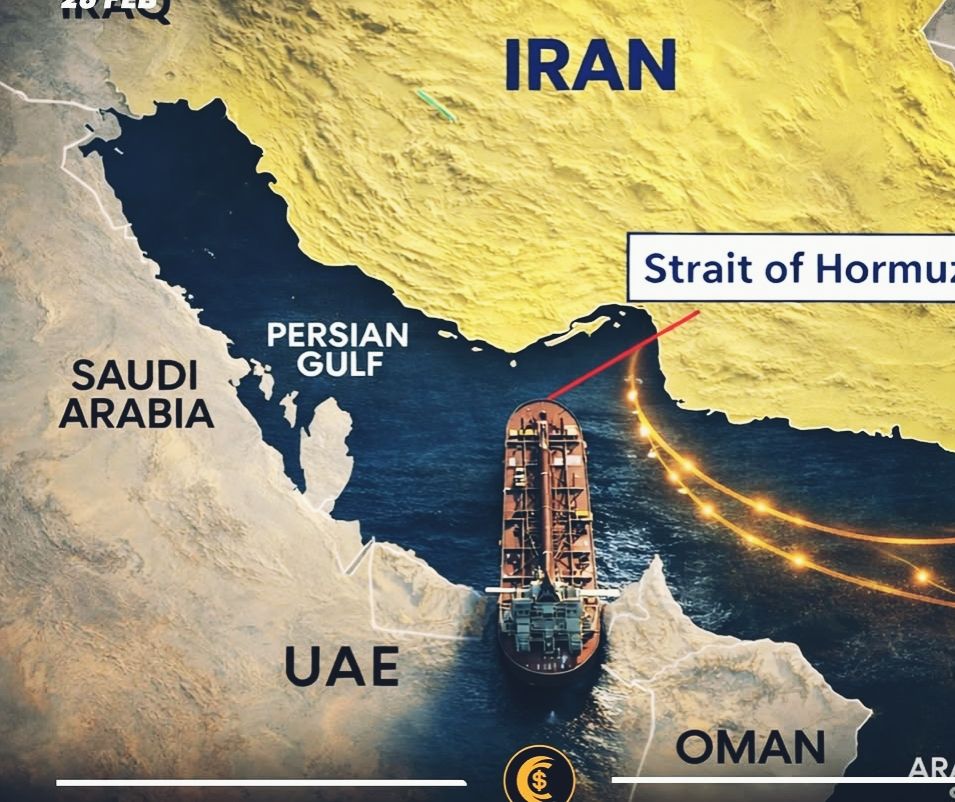
Energy markets, however, constitute the deeper fault line. The Strait of Hormuz—at its narrowest barely 33 kilometres wide—channels nearly a fifth of global seaborne oil and a comparable share of LNG trade. India sources a substantial portion of its crude and liquefied gas through this chokepoint. Even speculative signals of restricted passage—tankers pausing transit, insurance premiums rising, isolated maritime incidents—are sufficient to propel Brent crude upward. For India, each $10 per barrel increase can meaningfully raise retail inflation and compress GDP growth.
Sustained spikes strain fertilizer subsidies, elevate transport costs, and inflate household energy bills. What appears as a strategic standoff in West Asia becomes, in India, a question of grocery prices and monetary policy calibration.
The human dimension intensifies the stakes. Nearly nine million Indians reside across the Gulf Cooperation Council states, forming one of the largest expatriate communities in the world. They power construction sites, healthcare systems, financial services, and digital infrastructure. Remittances from this diaspora constitute a stabilizing inflow for states such as Kerala, Tamil Nadu, Punjab, and Andhra Pradesh. Heightened insecurity, hiring freezes, or evacuation contingencies can disrupt these financial lifelines. The Ministry of External Affairs’ emergency advisories and corporate crisis protocols underscore preparedness, yet the scale of interdependence magnifies vulnerability. A slowdown in Gulf economies or labour mobility would ripple into Indian consumption patterns and regional real estate markets, reminding policymakers that foreign policy and domestic welfare are entwined.
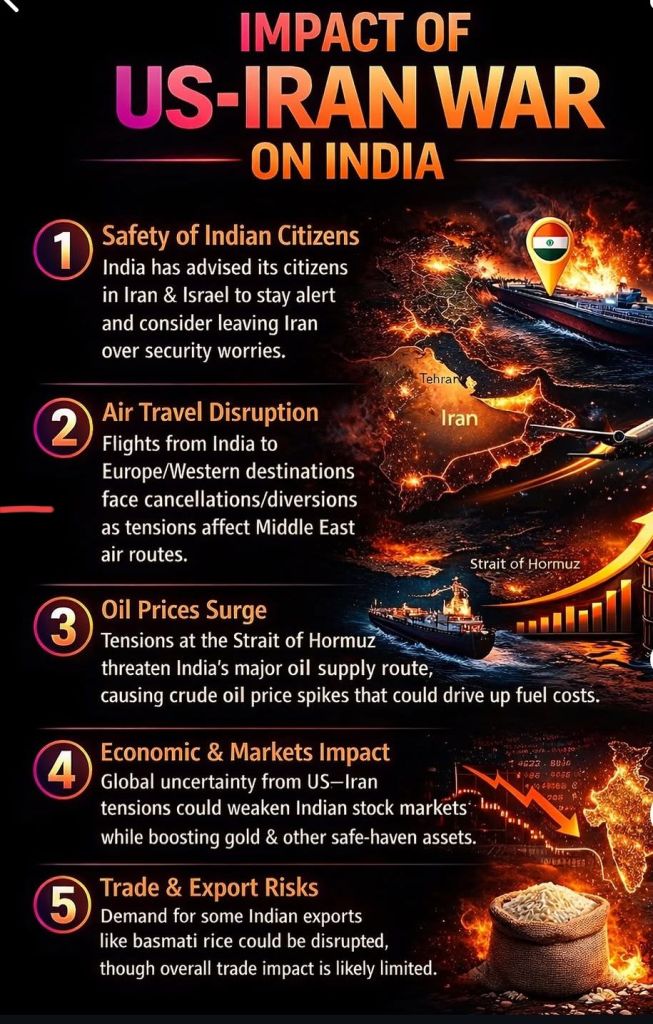
Trade flows form a third transmission channel. West Asia is a significant export destination and an even larger energy supplier. Escalation elevates freight rates, insurance premiums, and transit times. For export-oriented sectors—textiles, leather, engineering goods—compressed margins can translate into deferred investment and employment caution. Importers of electronics and intermediate goods confront higher landed costs, eventually passed to consumers. Simultaneously, a widening current account deficit exerts pressure on the rupee, amplifying imported inflation. Markets internalize geopolitical risk swiftly; currencies, equities, and bond yields adjust in anticipation, often before supply chains visibly falter.
India possesses buffers, but not immunity. Refinery inventories, strategic petroleum reserves, and diversified sourcing arrangements provide short-term insulation. Yet long-term contracts limit flexibility, and LNG dependence remains sensitive to maritime chokepoints. Energy security thus intersects with macroeconomic stability. Fiscal authorities may face pressure to moderate excise duties if fuel prices surge, even as they strive to preserve deficit discipline. Monetary authorities, balancing growth and inflation, must factor oil volatility into rate trajectories. Strategic autonomy in diplomacy—maintaining constructive relations across rival blocs—becomes an economic imperative rather than a rhetorical posture.
Beyond quantifiable metrics lies the subtler cost of uncertainty. Investment decisions stall when risk perception intensifies. Airlines hesitate on fleet expansion; exporters defer capacity additions; students and families recalibrate mobility plans. Confidence, the intangible lubricant of markets, erodes more quickly than it rebuilds. Prolonged ambiguity can dampen growth momentum even absent a full-scale supply disruption. In a globalized economy, perception frequently precedes material impact.
Resilience, therefore, must be both immediate and structural. Diplomatically, sustained engagement to ensure de-escalation and the safety of Indian nationals remains paramount. Economically, calibrated fiscal responses and targeted liquidity support can cushion sectoral shocks without compromising macroeconomic prudence. Structurally, expanding strategic reserves, accelerating renewable integration, electrifying transport, diversifying LNG routes, and enhancing maritime logistics capacity can progressively reduce chokepoint exposure. Energy efficiency and domestic production capacity diminish oil elasticity over time, strengthening shock absorption.
Mahan’s thesis endures in a transformed idiom: prosperity depends not merely on naval supremacy but on the uninterrupted flow of commerce across sea and sky. The recent strikes in West Asia illuminate how swiftly strategic confrontation can migrate into economic stress. For India, the lesson is stark yet clarifying. Distant detonations must not dictate domestic destiny. By embedding foresight into energy policy, diplomacy, and fiscal architecture, the Republic can convert episodic crises into catalysts for structural strengthening—ensuring that when missiles arc over Hormuz again, India’s economic nerves are steadier than its adversaries anticipate.
VISIT ARJASRIKANTH.IN FOR MORE INSIGHTS
 SOCIAL PERSPECTIVES