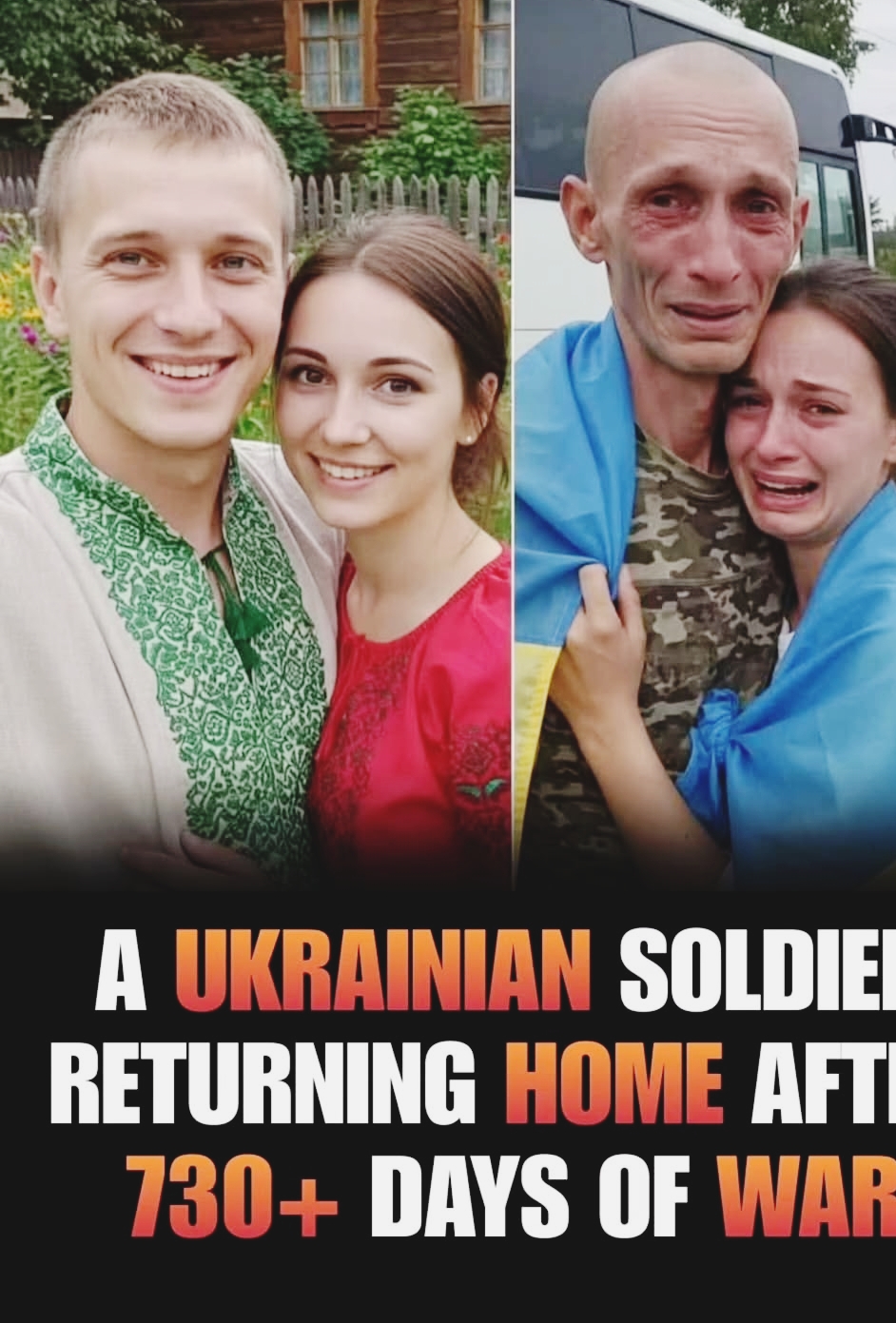
Four years after February 24, 2022, the invasion of Ukraine has ceased to be a headline and matured into a habitat of endurance. More than 55,000 civilian casualties have been documented by the United Nations, including nearly 14,000 confirmed deaths, with 2025 emerging as the deadliest year for civilians since the war began. Yet statistics anesthetize as much as they inform. They cannot capture the architecture of cold apartments without heat, classrooms relocated underground, or elderly parents burying sons. War here is no longer episodic violence; it is atmospheric pressure. It settles into routines, reorders memory, and transforms seasons into measures of survival rather than celebration.

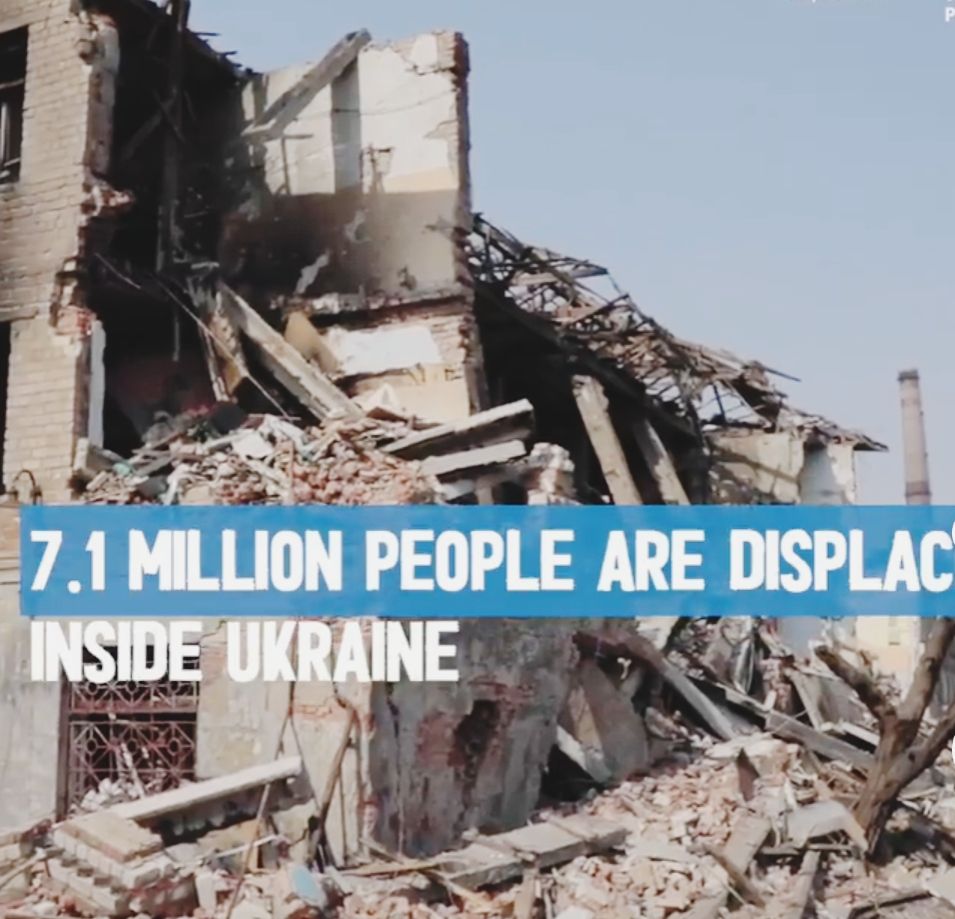
The demographic shock is equally profound. Over 3.7 million people remain internally displaced, and nearly 6 million have sought refuge abroad. Long-term projections warn of a population contraction below 30 million by mid-century. Vast territories are seeded with mines, and reconstruction costs approach multiples of annual GDP. Energy infrastructure has been deliberately targeted, weaponizing winter itself. In frontline cities where temperatures plunge below minus twenty degrees Celsius, electricity flickers as a conditional privilege. A nation once central to global grain supply now struggles to guarantee warmth at home. Children study beneath reinforced ceilings designed for blast resistance rather than curiosity, absorbing conflict as part of their formative vocabulary.
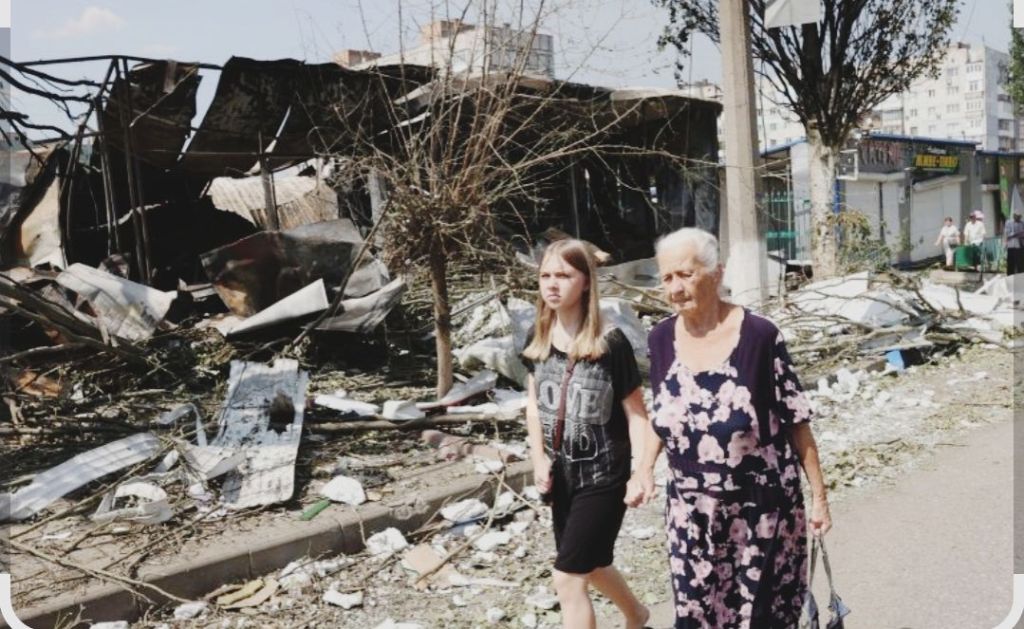
In the war’s earliest days, leadership chose visibility over evacuation. The refusal to abandon the capital was not only tactical but symbolic, forging a narrative that resistance would be embodied rather than outsourced. Unity fused state and society into a singular defensive organism. Digital platforms amplified this cohesion; social media evolved into strategic terrain where morale was cultivated as deliberately as military logistics. Images of defiance circulated globally, consolidating diplomatic support while reinforcing domestic conviction. Psychological resilience became a resource—renewable but finite.
Time, however, erodes even the strongest alloys. As the conflict enters its fifth year, endurance shifts from exhilaration to discipline. Surveys and field observations reveal fatigue that is quiet yet pervasive. Funerals recur with numbing regularity; calendars are marked not by festivals but by offensives. A family near contested territory reportedly received seeds for spring planting yet hesitated to sow them, unsure whether shelling would render the act futile. That hesitation encapsulates the war’s psychological mutation: hope is no longer spontaneous but calculated. Persistence remains, but it is sober rather than triumphant.
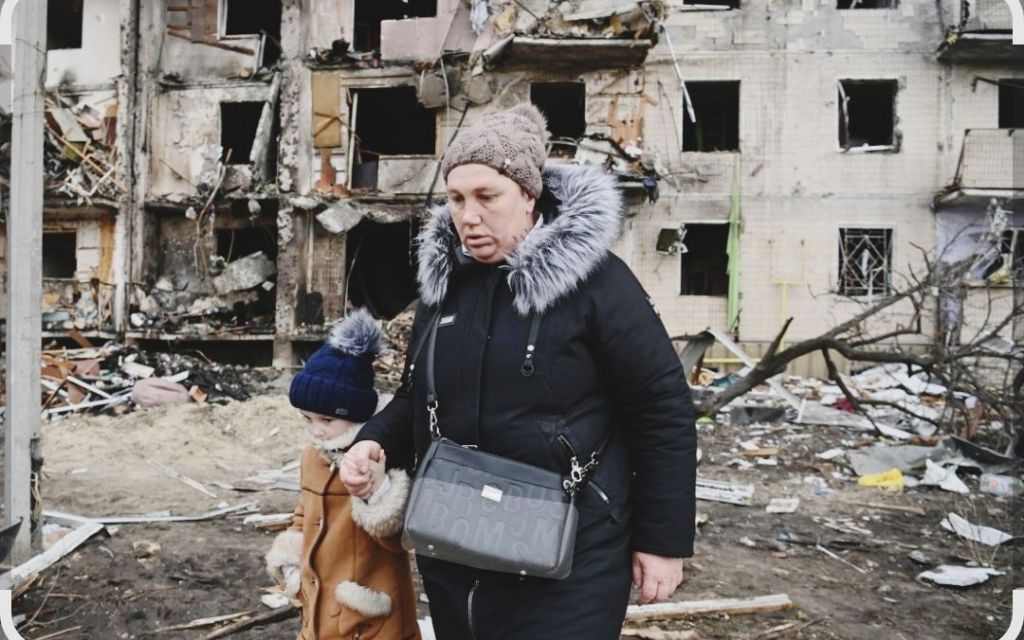
Compounding exhaustion are corruption allegations within procurement and energy sectors, unsettling a society already stretched thin. Investigations and resignations have fuelled perceptions of informal power networks operating beyond formal accountability. In wartime, legitimacy rests on moral symmetry—between the sacrifice of soldiers and the integrity of institutions. When citizens endure cold and loss, even the perception of elite self-enrichment corrodes trust. The leadership confronts a delicate equilibrium: centralizing authority to prosecute war effectively while sustaining democratic accountability. International partners, indispensable in financial and military support, increasingly condition assistance on reform. Legitimacy has become strategic capital.
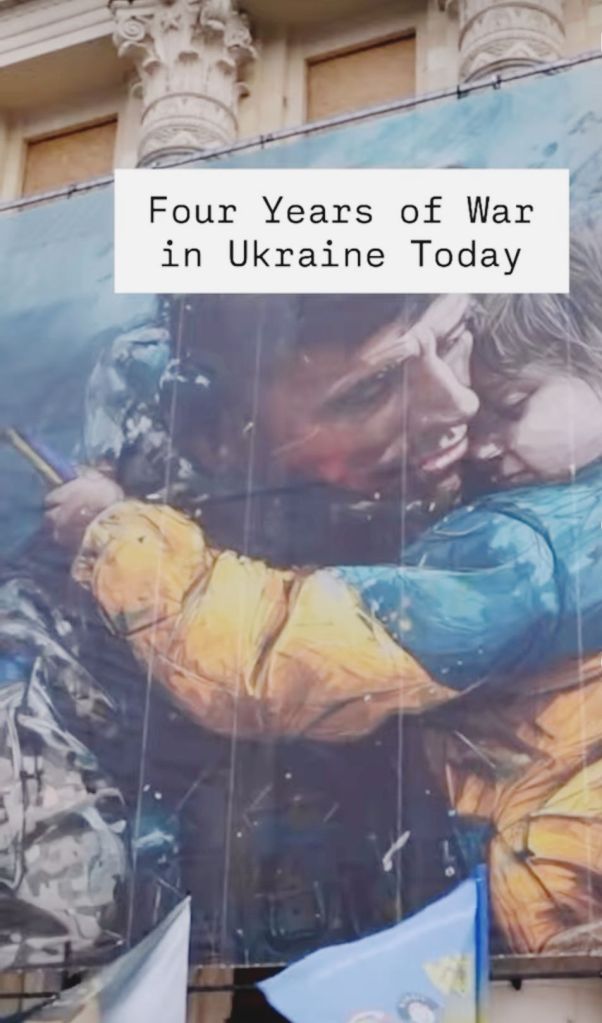
Beyond Ukraine’s borders, the conflict reverberates through Russia and the global system. Sanctions constrain exports and growth; independent estimates suggest vast military casualties, though official figures remain opaque. Families absorb grief within a tightly managed information environment. Globally, disrupted grain exports and energy realignments have amplified inflation and geopolitical fragmentation, particularly across import-dependent regions in Africa and Asia. The war’s persistence tests multilateral institutions and strains the architecture of sovereignty itself. Yet the psychological epicentre remains in Ukraine, where determination survives in modest acts—repairing shattered windows, reopening shops, planting despite uncertainty. In this prolonged winter of history, resilience is neither romantic nor abstract; it is a daily decision to continue.
VISIT ARJASRIKANTH.IN FOR MORE INSIGHTS
 SOCIAL PERSPECTIVES