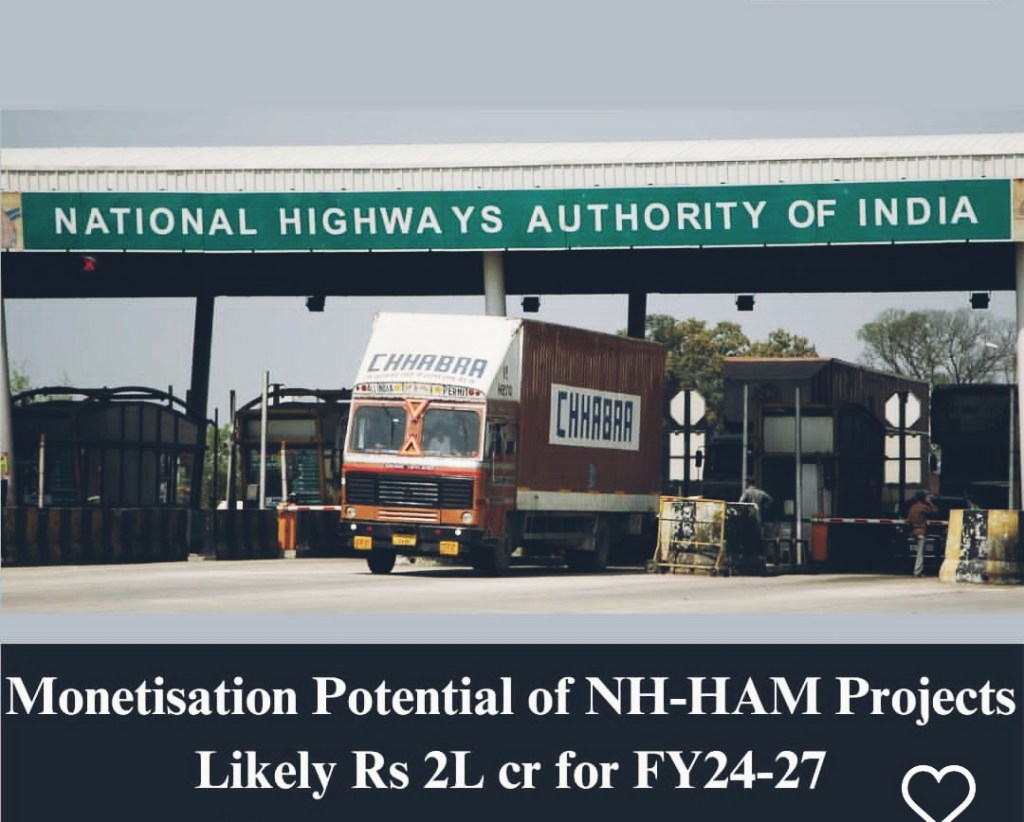
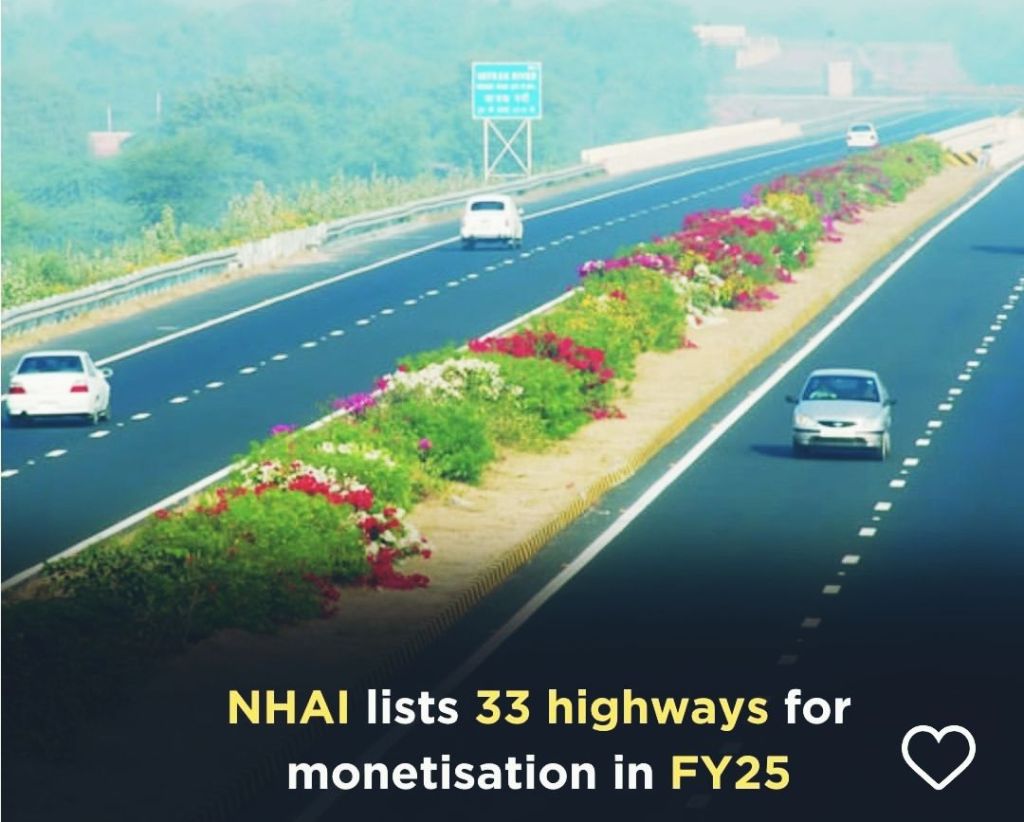
When headlines noted that the National Highways Authority of India (NHAI) accepted a ₹9,500 crore offer from an infrastructure investment trust to monetise five operational highway stretches, it seemed routine in a crowded news cycle. In reality, the transaction reflects a structural reinvention in how India conceives, finances, and governs its arterial road network. Beneath each kilometre of expressway lies a complex choreography of fiscal prioritisation, engineering execution, risk allocation, and long-term capital structuring. The highway is no longer merely a public work; it is a calibrated financial instrument embedded within sovereign strategy.
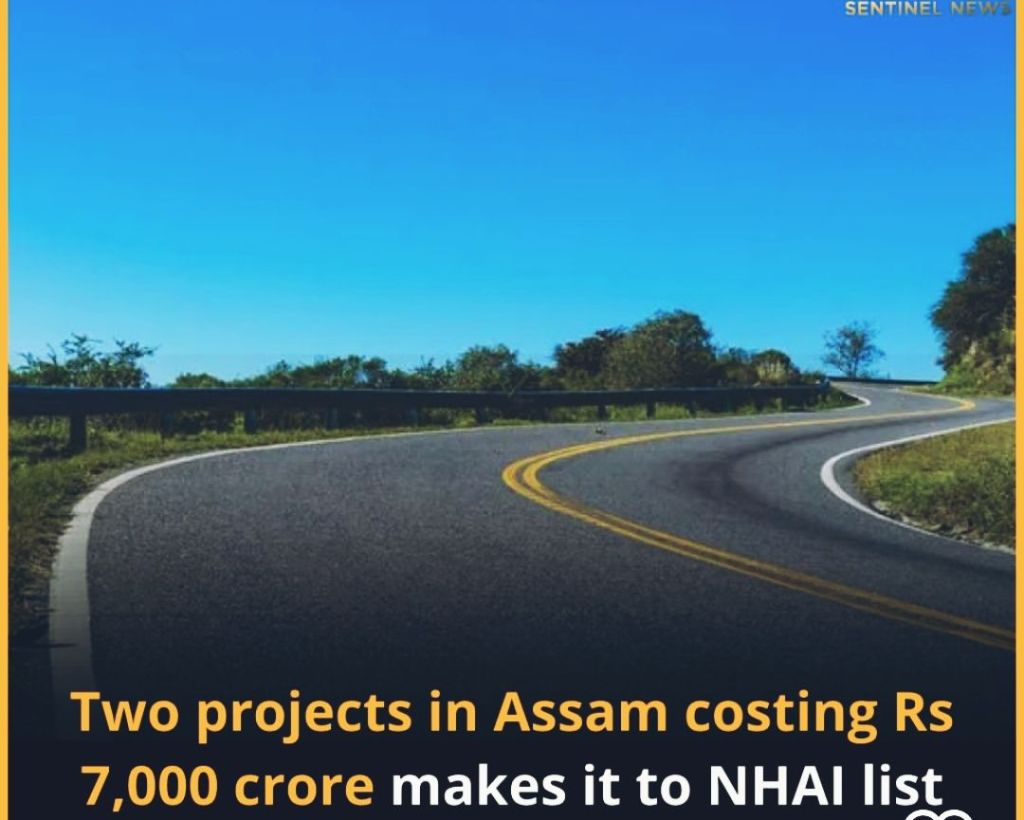
At the apex stands the Union Budget, which defines the aggregate envelope for highway expenditure under the Ministry of Road Transport and Highways. For 2026–27, allocations of approximately ₹1.87 lakh crore reaffirm infrastructure as a central pillar of growth. Yet budgetary provisioning alone cannot sustain an ecosystem that has accelerated construction from nearly 11 kilometres per day in 2014 to over 30 kilometres daily in recent years. To reconcile fiscal prudence with expansionary ambition, India has constructed a diversified funding architecture—blending sovereign allocation, market borrowing, and private capital participation.
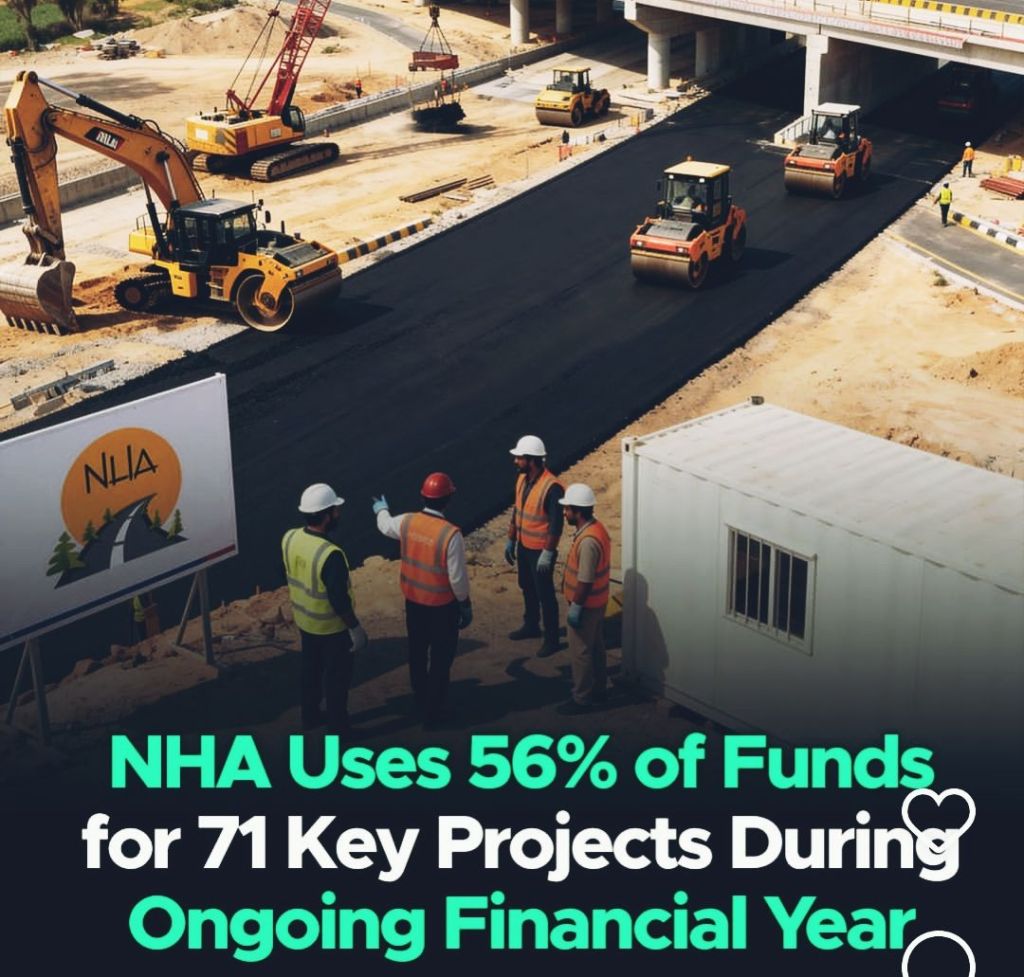
Policy formulation originates in the Ministry, while NHAI operationalises vision into viable project packages. It tenders contracts, supervises execution, and ensures milestone-linked disbursements. State governments facilitate land acquisition, utility relocation, and statutory clearances, enabling synchronised delivery. Private contractors undertake engineering under rigorously structured agreements. This layered governance design distributes responsibilities across policy oversight, technical execution, and local coordination, preserving public accountability while maintaining construction momentum.
At the core of each project lies a fundamental financial calculus: who deploys capital upfront, and who accrues returns over time? Under the Engineering, Procurement and Construction (EPC) model, the government finances construction and retains toll revenues, ensuring quality control but locking substantial capital into long-gestation assets. Public-Private Partnership frameworks recalibrated this exposure. Build-Operate-Transfer (BOT) concessions transferred traffic risk to developers, aligning returns with demand but exposing investors to volatility. The Hybrid Annuity Model (HAM) emerged as a pragmatic equilibrium—NHAI funds 40 percent during construction, the developer finances the balance, and annuity payments mitigate traffic uncertainty. Risk is not eliminated; it is redistributed with precision.

The most strategic innovation, however, lies in post-construction asset monetisation. Through the Toll-Operate-Transfer (TOT) model and Infrastructure Investment Trusts (InvITs), NHAI converts operational highways into liquid capital. In TOT transactions, bundled road assets are leased for 20–30 years against upfront payments, while maintenance and toll operations shift to private operators. InvITs institutionalise this logic by pooling revenue-generating highways into trust structures that issue units to domestic and global investors seeking stable, inflation-linked yields. Over 2,300 kilometres have been monetised through such vehicles, mobilising more than ₹43,000 crore across multiple rounds. The recent ₹9,500 crore deal exemplifies this financial recycling: investors secure predictable cash flows; NHAI unlocks liquidity without relinquishing strategic stewardship.
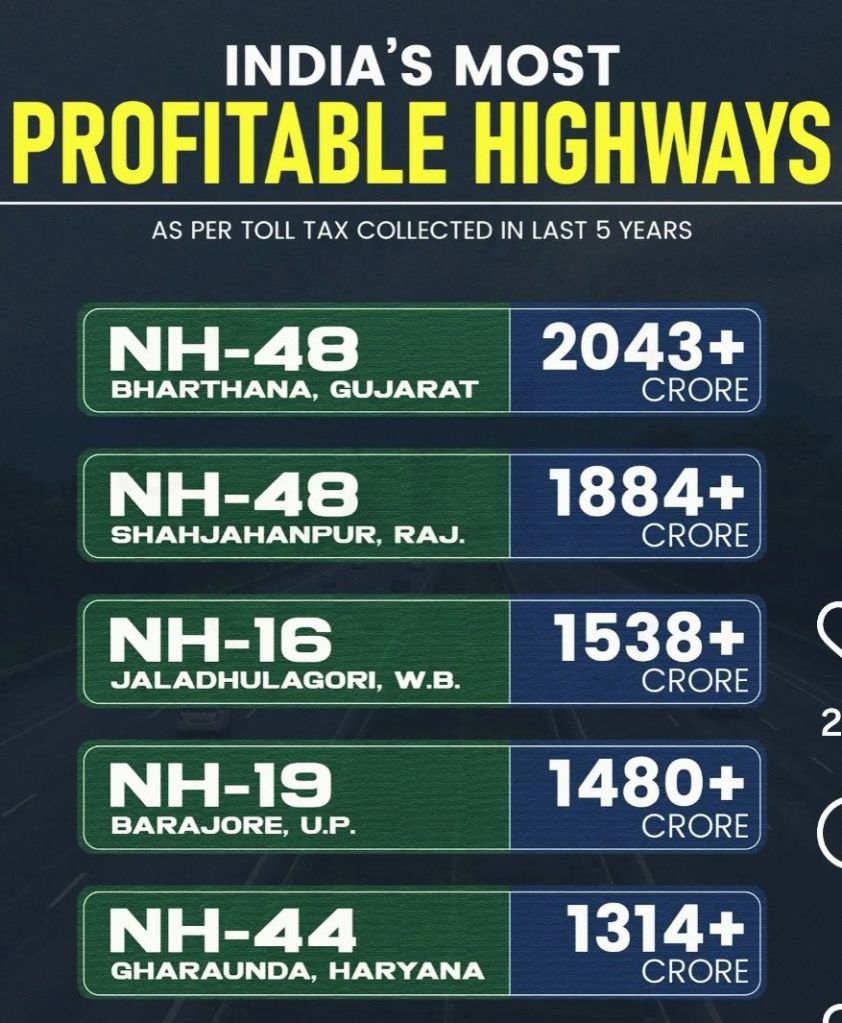
The macroeconomic implications are substantial. Toll collections now approach ₹70,000 crore annually, embedding user-pay principles into infrastructure sustainability. Monetisation proceeds have been channelled toward debt rationalisation, strengthening NHAI’s balance sheet after borrowings once exceeded ₹3 lakh crore. By diversifying risk ownership and deepening capital-market participation—drawing pension funds, insurance pools, and global infrastructure investors—India has reduced fiscal strain while preserving developmental velocity. Highways thus evolve from static expenditure heads into revolving financial platforms. In this architecture of asphalt alchemy, roads do not merely connect cities; they circulate capital, discipline fiscal arithmetic, and finance the corridors yet to be built.
Visit arjasrikanth.in for more insights
 SOCIAL PERSPECTIVES