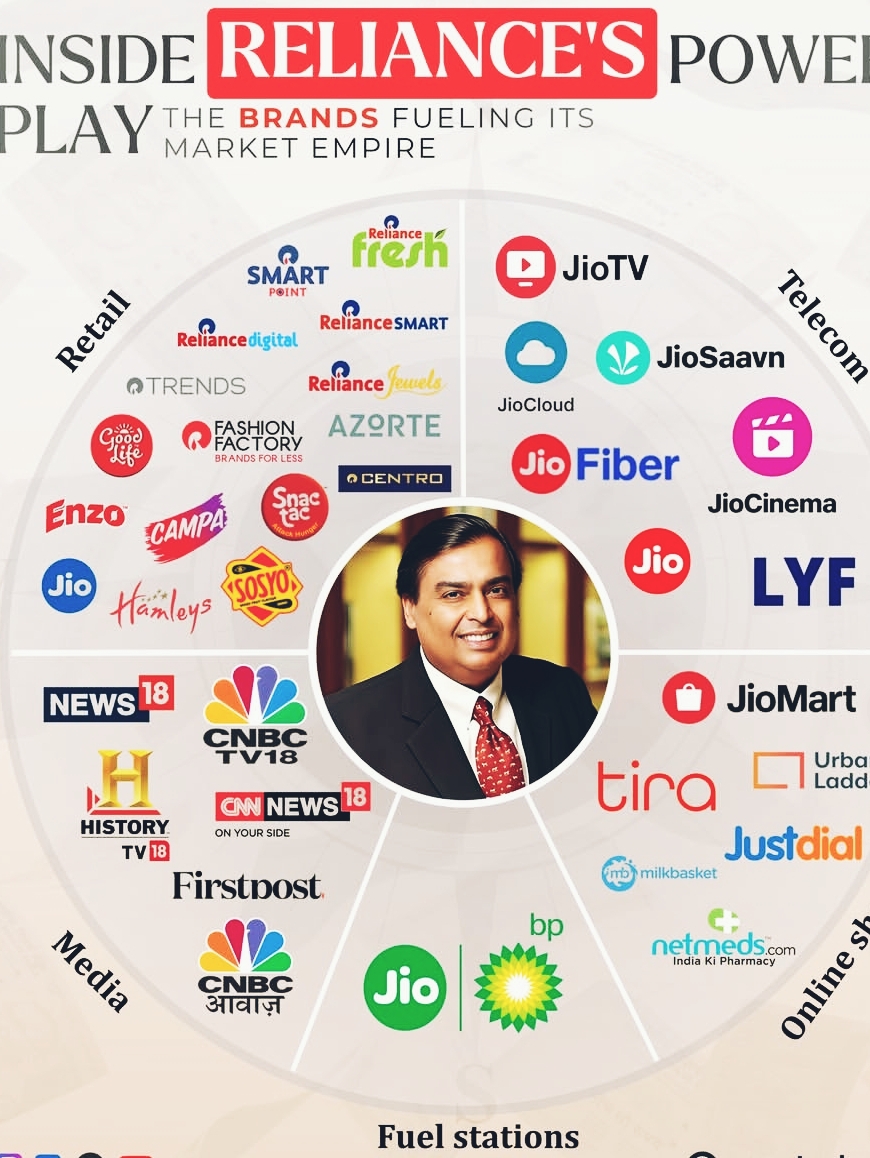
Any rigorous examination of India’s contemporary economic architecture inevitably converges upon one corporate colossus: Reliance Industries Limited. With a market capitalization oscillating in the $210–220 billion range, quarterly revenues above ₹2.6 lakh crore, and consolidated borrowings near ₹2 lakh crore, Reliance is not merely a private enterprise of scale—it is a structural node in India’s macroeconomic circuitry. Its operations span hydrocarbons, telecom, retail, digital platforms, and emerging energy technologies, embedding it deeply within household consumption, financial markets, sovereign revenues, and global trade flows. To imagine its collapse is not to indulge hyperbole; it is to subject India’s institutional scaffolding to a necessary stress test.
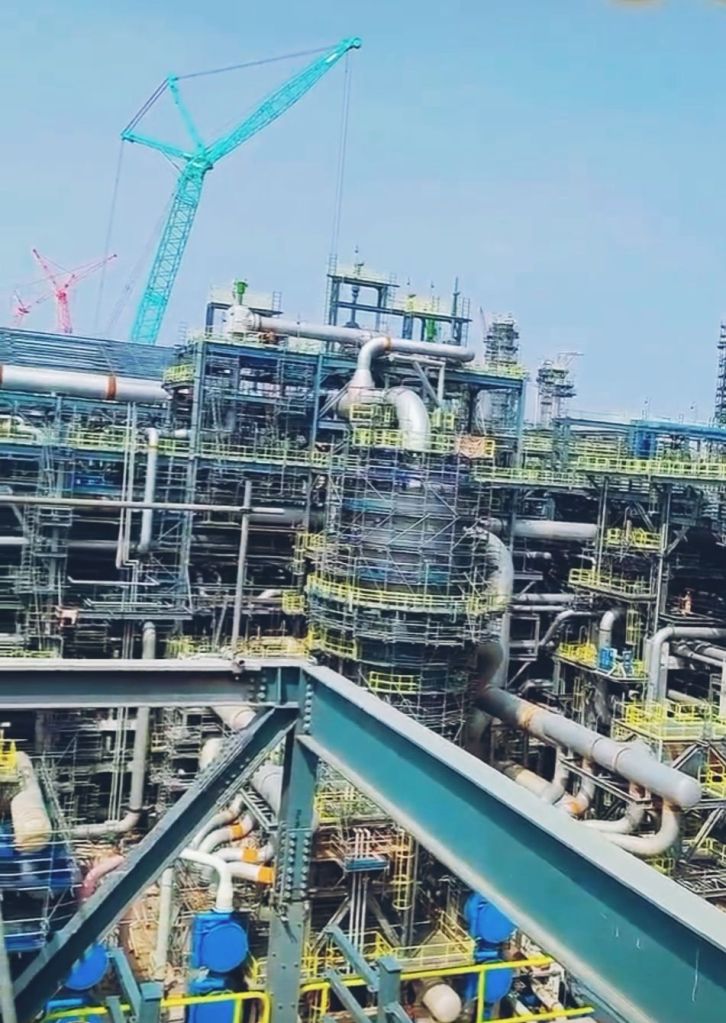
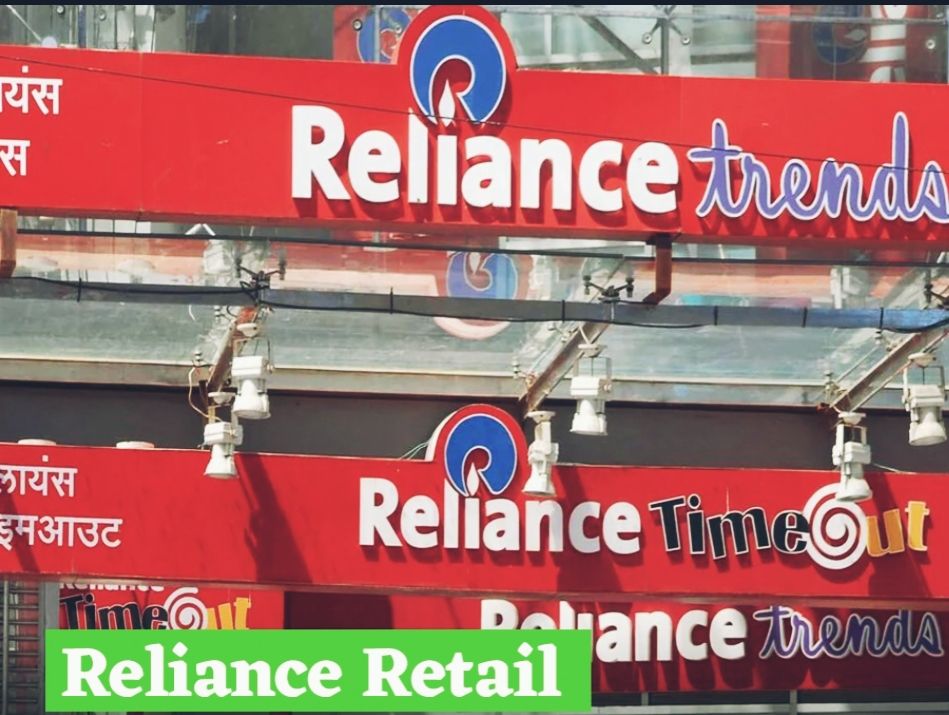
Reliance’s dominance is systemic rather than symbolic. Its Jamnagar refining complex—among the largest and most sophisticated globally—anchors a significant share of India’s fuel processing and refined product exports, influencing trade balances and energy security. Through Jio, serving over 515 million subscribers, it shapes the digital backbone of payments, e-commerce, governance delivery, and enterprise connectivity. Reliance Retail, with nearly 20,000 stores and a private valuation exceeding $100 billion, integrates thousands of MSMEs, farmers, logistics operators, and consumer brands. In benchmark indices such as the Nifty 50 and Sensex, Reliance commands one of the heaviest weights, meaning its stock volatility can materially redirect passive capital flows and investor sentiment. This is not size in isolation; it is interdependence woven into the national grid of growth.

In a severe distress scenario, the first tremors would reverberate through the financial system. A disorderly default on liabilities exceeding ₹2 lakh crore could elevate non-performing assets across segments of the banking sector. Even with diversified exposure, the psychological shock could tighten liquidity conditions, widen bond spreads, and induce a temporary credit contraction. Given that bank credit expansion has been a principal engine of post-pandemic recovery, any sustained freeze could dampen investment cycles and shave measurable fractions off GDP growth. Financial contagion, even if contained institutionally, would amplify caution across markets.
Equity markets would likely absorb a parallel shock. As a heavyweight in benchmark indices, a precipitous fall in Reliance’s valuation could erase substantial investor wealth within days, triggering a negative wealth effect on urban consumption. Foreign portfolio investors—historically sensitive to concentration risk—might accelerate capital outflows, exerting depreciation pressure on the rupee and raising imported inflation concerns. In an era of globally mobile capital, perception itself becomes an economic variable; systemic uncertainty can magnify volatility beyond the originating event.
Sectoral spillovers would deepen the shock’s real-economy impact. Disruption in telecom services affecting over half a billion users would ripple through digital payments, fintech ecosystems, and enterprise supply chains. Retail contraction would affect farmers, manufacturers, transport networks, and kirana partners embedded in its distribution web. Energy export instability could alter foreign exchange inflows and commodity market positioning. Fiscal arithmetic would face dual pressure from reduced corporate tax receipts and potential stabilization interventions. Employment effects—direct and indirect—would radiate across urban and semi-urban labor markets, reinforcing cyclical deceleration.
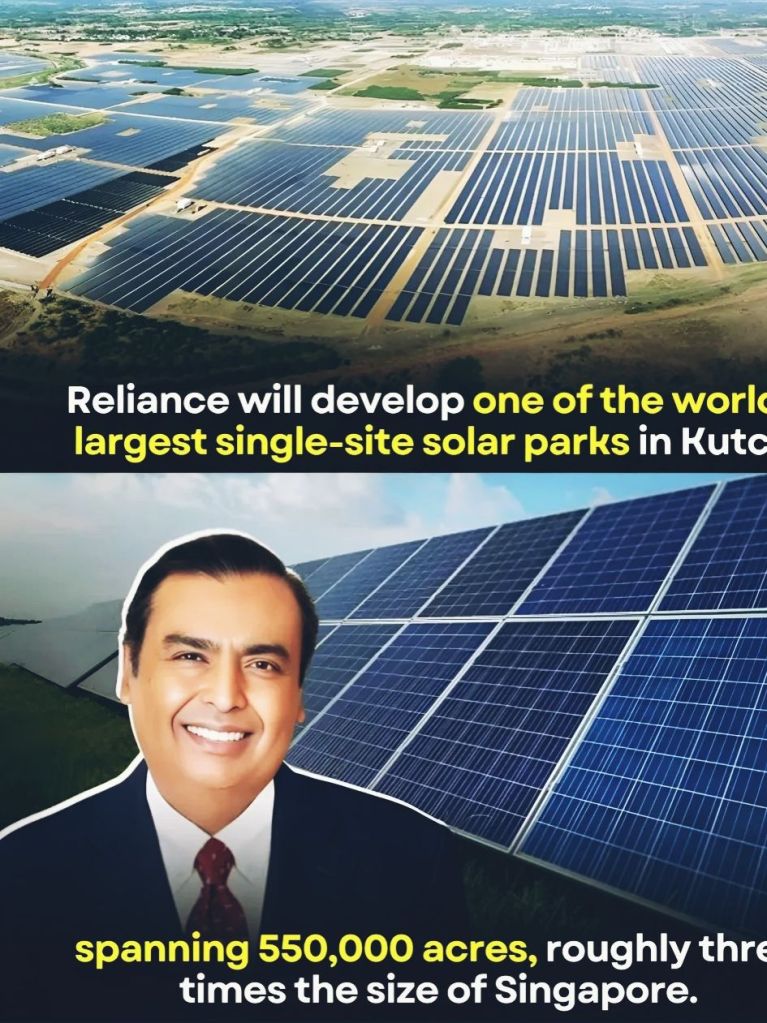
Yet intellectual clarity requires distinguishing distress from systemic implosion. Unlike the opaque derivatives entanglements that magnified the 2008 global financial crisis, Reliance’s asset base comprises tangible, revenue-generating infrastructure—refineries, telecom towers, fibre networks, retail real estate, and renewable platforms. These assets retain intrinsic economic value even under stress, making restructuring, asset sales, or strategic recapitalization more plausible than liquidation. India’s institutional framework has matured: the Insolvency and Bankruptcy Code mandates time-bound resolution; the Reserve Bank of India enforces capital adequacy and stress testing; and the Securities and Exchange Board of India has strengthened disclosure and governance norms. The probability of catastrophic collapse remains low, but the concentration risk is real.
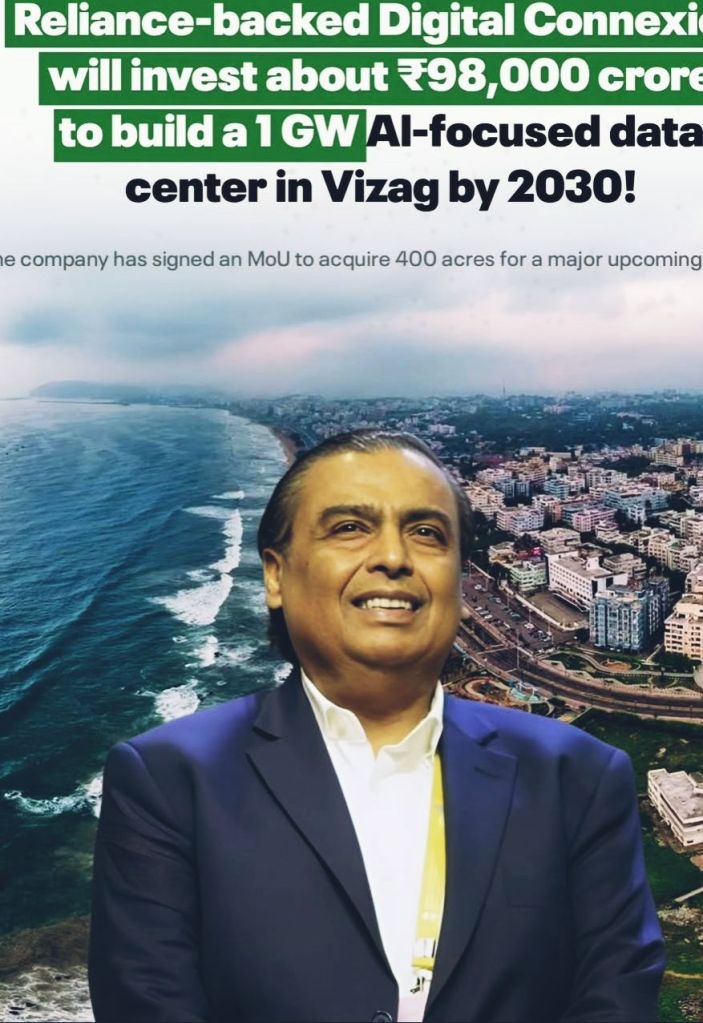
The deeper lesson is structural rather than corporate. Economic sovereignty does not depend on the invulnerability of giants but on the resilience of institutions that can absorb their shocks. Diversified capital markets, macroprudential vigilance, competitive pluralism across sectors, and transparent governance standards are the true bulwarks of stability. If a titan were to sway, the question would not be whether India possesses giants, but whether it has engineered guardrails strong enough to ensure that when a colossus stumbles, the republic does not fracture.
Visit arjasrikanth.in for more insights
 SOCIAL PERSPECTIVES