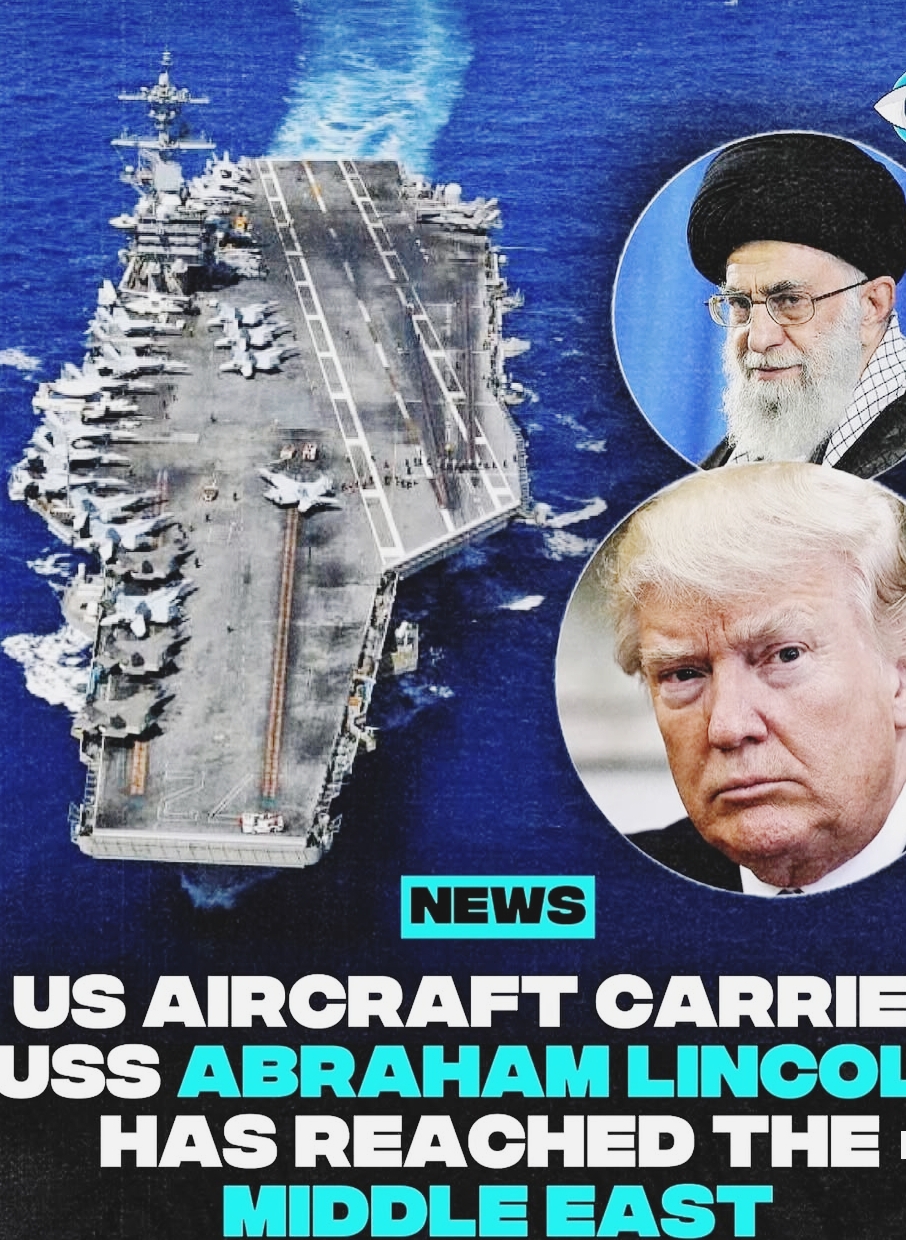
The United States and Iran remain locked in a confrontation that confounds linear theories of power. On one side stands the pre-eminent military and financial hegemon of the international system; on the other, a sanctions-constrained regional state grappling with currency depreciation, inflationary distress, and episodic domestic unrest. Yet the Islamic Republic persists in defiance with a resolve that appears, at first glance, disproportionate to its material capacity. American strategy often projects audacity—leveraging sanctions, threatening force, and exiting negotiated frameworks—while Tehran responds with a posture that borders on doctrinal intransigence, asserting sovereign red lines despite structural vulnerability. This asymmetry of power and parity of will has sustained one of the most durable rivalries in contemporary geopolitics.
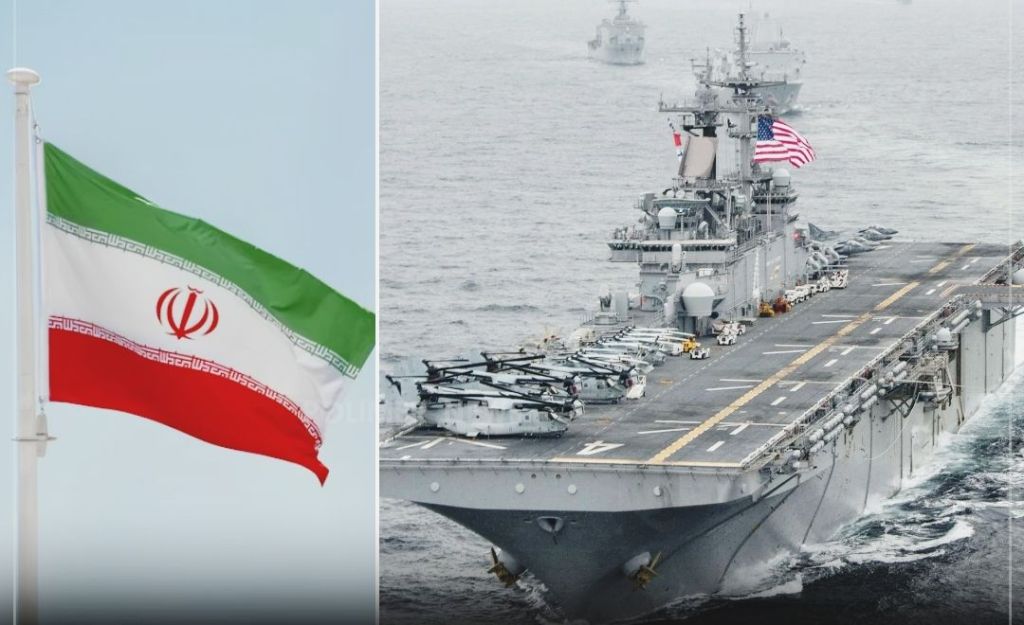
From Washington’s perspective, Iran constitutes a multi-dimensional strategic challenge. The nuclear programme remains the epicenter of concern. Enrichment levels reaching 60 percent significantly compress the technical distance to weapons-grade material, heightening proliferation anxieties. The collapse of the 2015 nuclear accord following unilateral American withdrawal in 2018 created a credibility vacuum that neither side has effectively filled. Parallel apprehensions surround Iran’s ballistic missile arsenal, perceived not merely as a deterrent capability but as a potential delivery system for advanced warheads. Direct exchanges with Israel in 2024 underscored the operational seriousness of this arsenal. Coupled with Tehran’s support for non-state armed actors across Lebanon, Gaza, Iraq, Syria, and Yemen, and compounded by human rights critiques, the American grievance architecture is both layered and persistent.
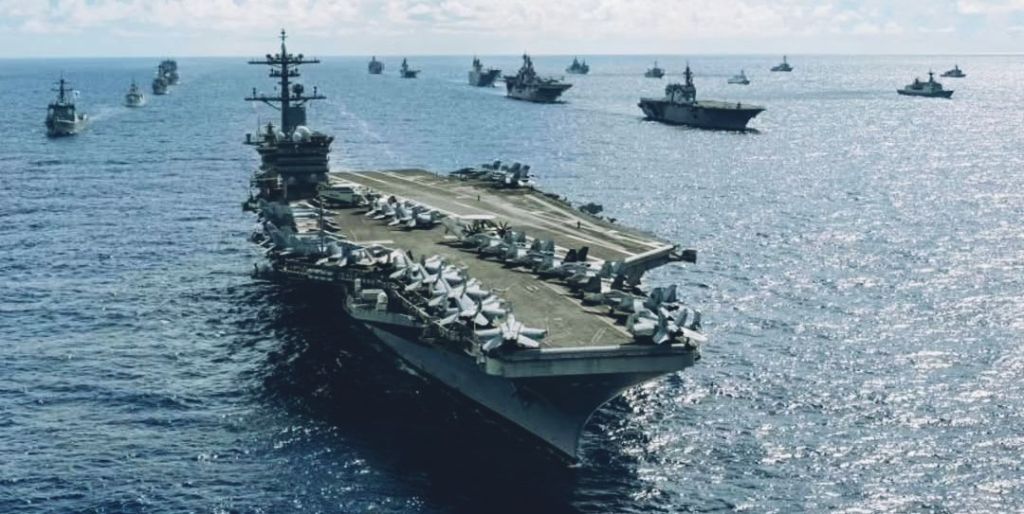
Yet interpreting Iran’s behaviour as purely adventurist obscures its strategic logic. The so-called “Axis of Resistance” reflects not expansionist exuberance but forward defence rooted in historical trauma. The Iran-Iraq war, fought under conditions of isolation, embedded a doctrinal lesson: security must be externalized. Proxy networks create strategic depth, disperse risk, and complicate adversaries’ calculus. For a state constrained by sanctions and limited conventional modernization, indirect power projection offers cost efficiency and deniability. It elevates the cost of pre-emptive strikes without inviting direct, potentially catastrophic confrontation. In this sense, Tehran’s activism is less bravado than asymmetric hedging.
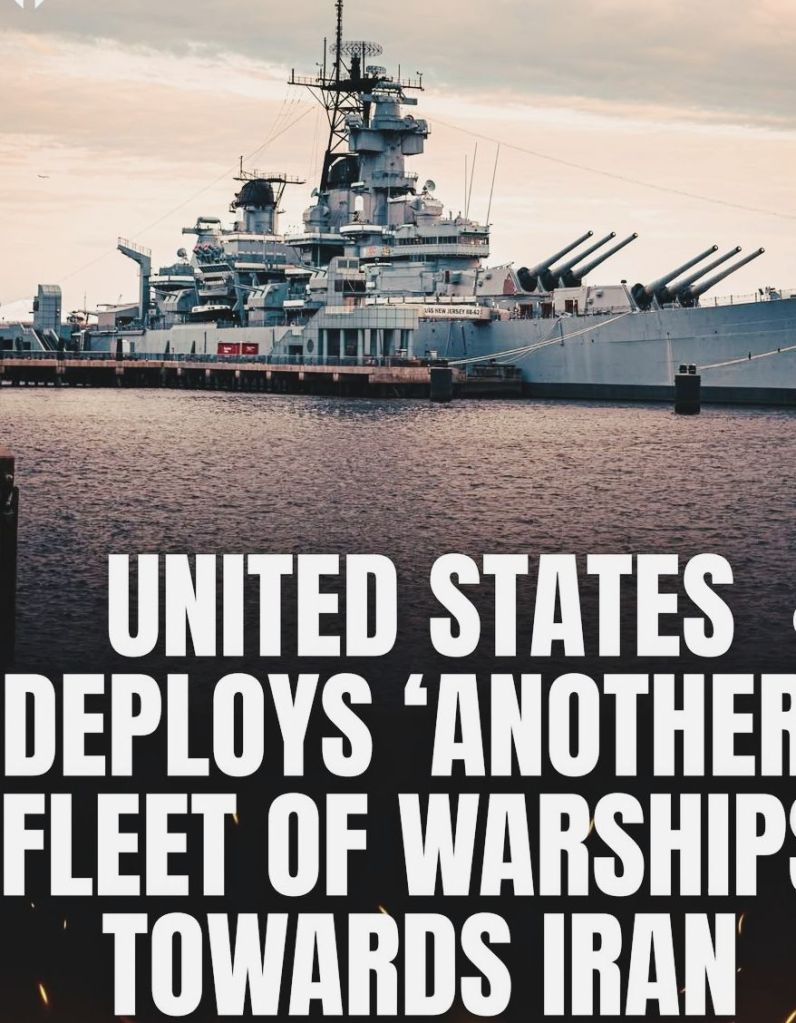
Recent developments, however, have exposed structural fragilities. Targeted Israeli operations have degraded leadership nodes and disrupted logistical corridors central to Iran’s regional network. The anticipated “unity of fronts” response during the June 2025 escalation proved largely rhetorical. The deterrent mosaic that once projected cohesion revealed fissures under pressure. The episode reaffirmed a fundamental asymmetry: Iran retains capacity to disrupt and deter at the margins, but it cannot decisively challenge a coalition anchored by American military superiority.
The deeper driver of persistence lies in regime psychology. The Islamic Republic’s identity is constructed around a dual narrative of victimhood and resistance. Historical grievances—from foreign intervention to wartime isolation—sustain a siege mentality that frames compromise as capitulation. The doctrine of guardianship of the jurist fuses theology with governance, converting policy choices into moral imperatives. Within this ideological ecosystem, resistance acquires sacred overtones; endurance itself becomes strategic success. This framework does not preclude pragmatism, but it narrows the spectrum of acceptable concessions.
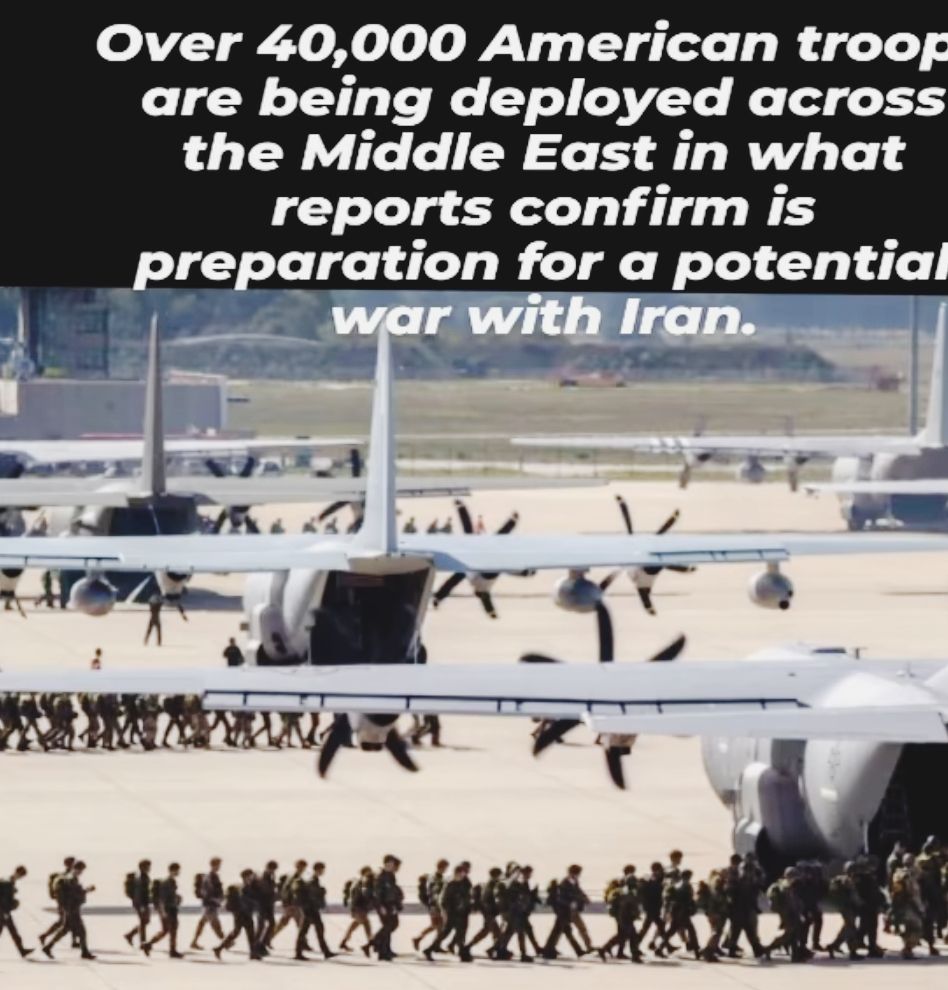
Indeed, ideological rigidity coexists with tactical flexibility. The 2015 accord illustrated that when economic compression intensifies, Tehran can recalibrate. Today, amid inflation exceeding 40 percent and sustained currency erosion, signals of conditional engagement re-emerge—tempered by insistence on missile non-negotiability and demands for guarantees against abrupt policy reversals. The regime’s calculus is not irrational; it is constrained by ideological legitimacy and shaped by historical distrust. Negotiation, for Tehran, is acceptable only if it preserves narrative coherence.
American strategy, too, merits critical examination. The doctrine of maximum pressure exemplifies the structural audacity of a hegemon leveraging the dollar’s centrality and financial interdependence as coercive instruments. Secondary sanctions and expansive compliance regimes extend American jurisdiction extraterritorially. Yet coercion without credible diplomatic durability can entrench mistrust. The abrogation of a functioning agreement in 2018 weakened perceptions of American reliability, reinforcing Tehran’s suspicion that concessions yield vulnerability without assurance of relief. Leverage deployed without institutional continuity risks hardening defiance rather than dissolving it.
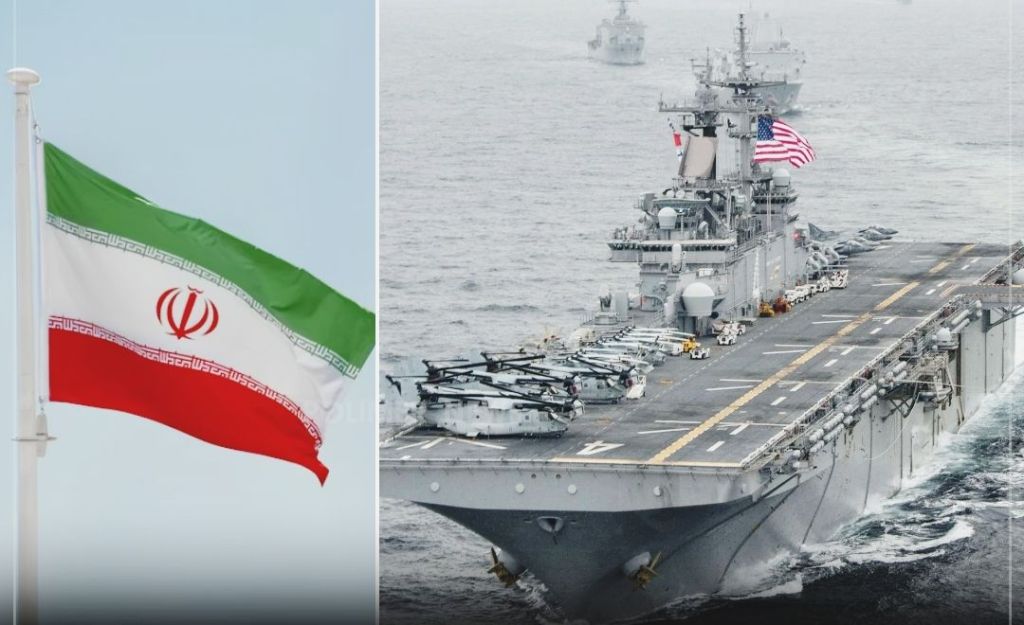
Economically, Iran embodies a paradox of resilience. Sanctions have constricted GDP, intensified inflation, and provoked periodic protest waves. Nonetheless, the regime sustains coercive stability. The Revolutionary Guard and affiliated structures remain cohesive and resource-secure. Opposition movements, though visible, lack unified organization capable of translating grievance into systemic rupture. Authoritarian endurance often rests not on prosperity but on control, narrative cohesion, and elite alignment. Even the impending succession of the aging Supreme Leader introduces uncertainty without guaranteeing transformation; transitional moments can consolidate as readily as destabilize.
A sustainable path forward demands calibrated realism. Oscillation between punitive escalation and unconditional accommodation has produced diminishing strategic returns. A phased approach—pairing verifiable constraints with incremental relief, anchored in multilateral guarantees—offers a more credible avenue. Confidence-building measures must address the structural trust deficit that shadows every negotiation. Equally important is a principled distinction between regime and society: supporting civil liberties and information flows without conflating population with state policy.
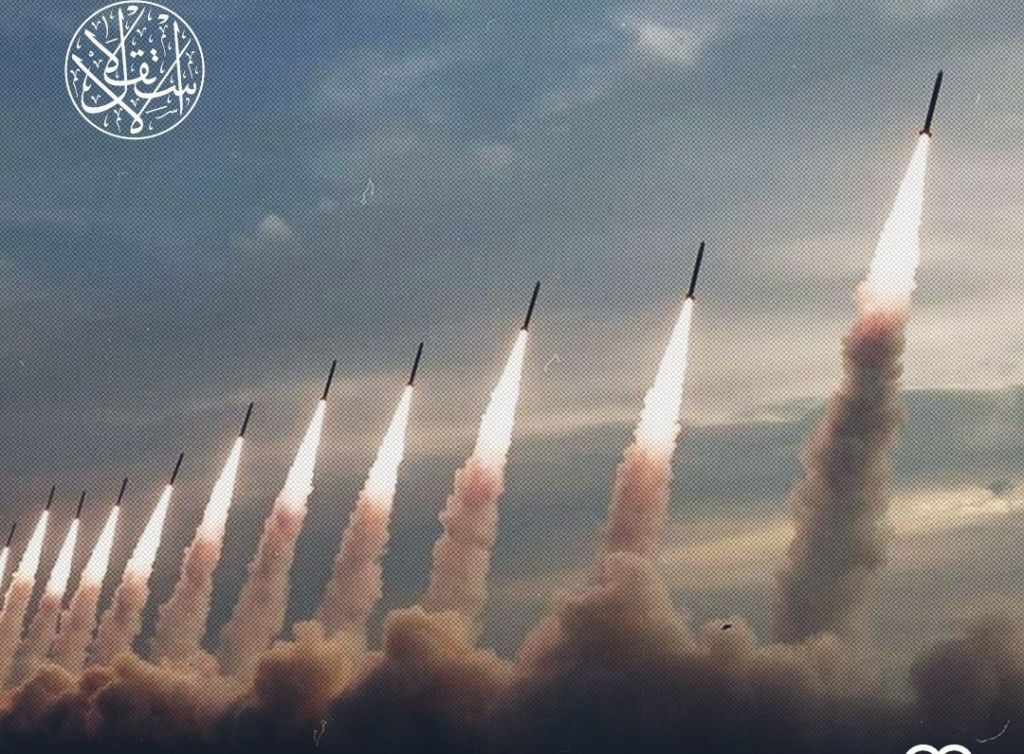
Ultimately, the rivalry underscores a stark truth of international politics: material supremacy does not automatically translate into political submission, and ideological defiance does not substitute for structural capacity. The United States can exert pressure; Iran can absorb and recalibrate. Between coercion and obstinacy lies a narrow corridor of strategic prudence. Navigating it requires recognition that audacity without credibility invites resistance, while defiance without proportional power courts peril. In this theatre of calibrated brinkmanship, endurance and restraint—rather than triumph—may define the only sustainable equilibrium.
Visit arjasrikanth.in for more insights
 SOCIAL PERSPECTIVES