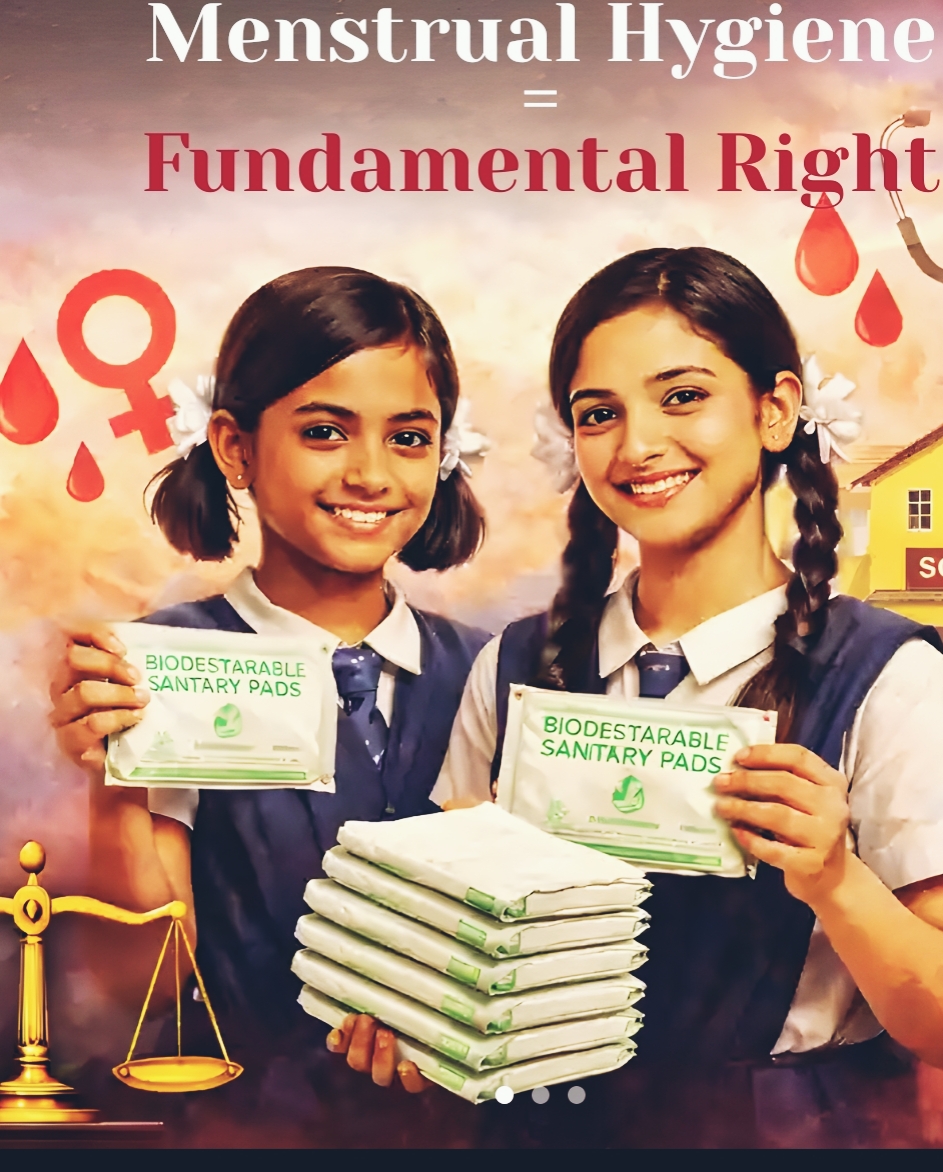
Each year, India invokes the language of health, sanitation, and dignity in parliamentary debates and policy blueprints. Yet beneath this vocabulary of progress persists a quiet contradiction: menstruation—an ordinary, life-sustaining biological function—remains enveloped in stigma, silence, and systemic neglect. In a nation that speaks of demographic dividend and gender parity, nearly one in four young women still does not use hygienic menstrual methods. According to the latest findings of the National Family Health Survey (NFHS), only about 77% of women aged 15–24 report using hygienic protection such as sanitary napkins, tampons, or locally prepared hygienic pads. The remaining millions navigate adolescence through improvisation, vulnerability, and risk—transforming biology into burden.

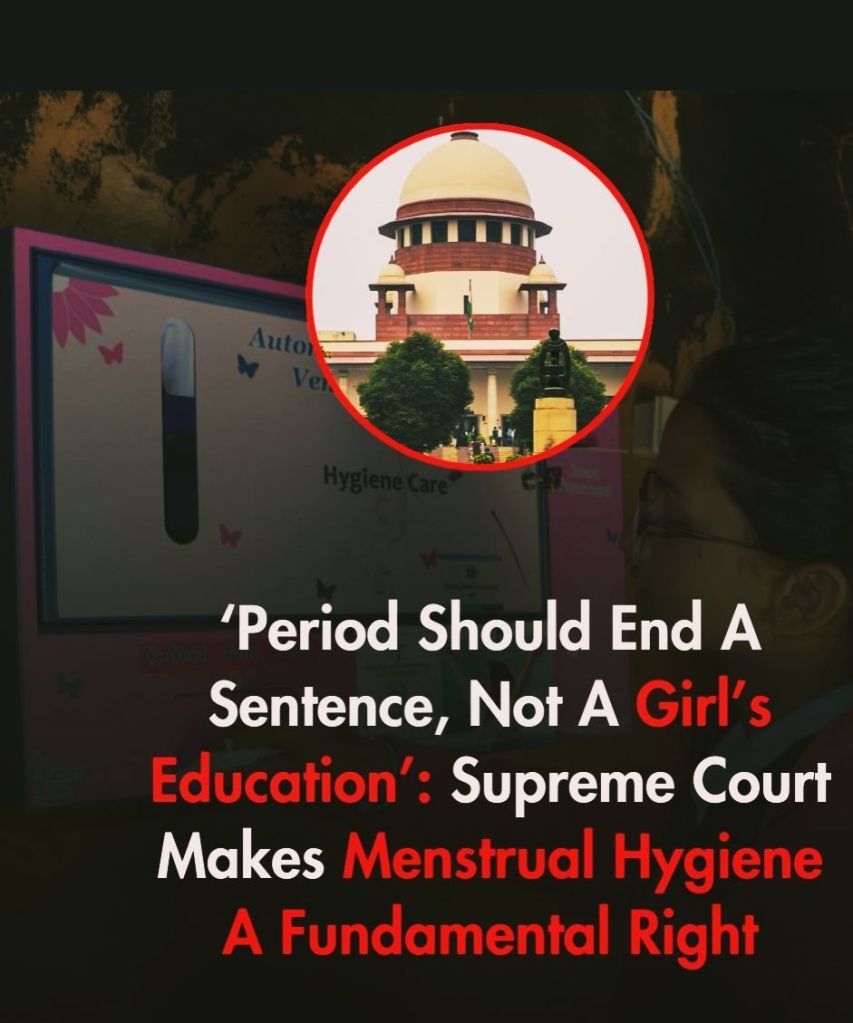
A recent landmark judgment of the Supreme Court of India marks a constitutional inflection point in this discourse. By affirming menstrual health as intrinsic to the rights to life, dignity, equality, and education, the Court has shifted menstruation from the periphery of welfare rhetoric to the centre of constitutional morality. It has clarified that the exclusion of girls from classrooms due to absence of functional toilets, running water, disposal mechanisms, or social acceptance is not a logistical lapse but a violation of fundamental rights. In doing so, the judiciary has reframed menstrual access as a constitutional entitlement rather than a charitable concession.
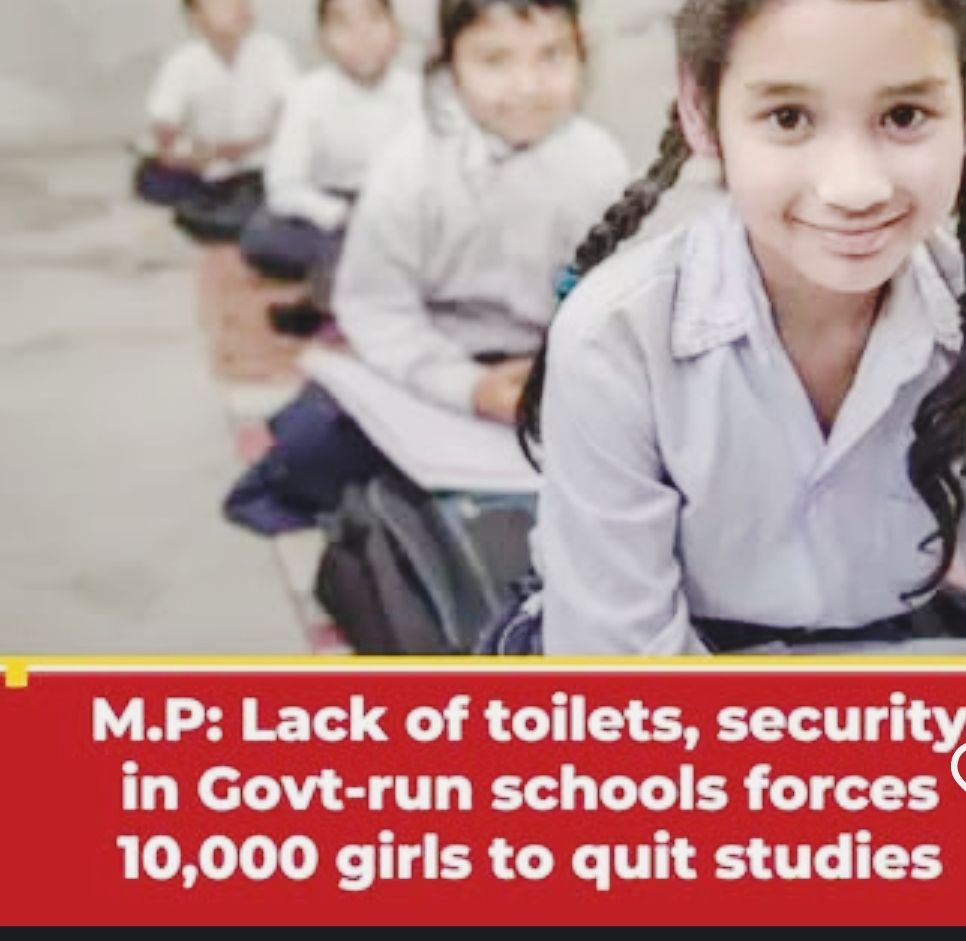
The scale of structural deficit is sobering. While India lacks a single nationally representative dataset directly attributing school dropout to menstruation, converging studies suggest that nearly 24% of girls in certain rural regions discontinue schooling after menarche. Absenteeism spikes during menstrual days, often driven by fear of staining, ridicule, or humiliation. Infrastructure compounds the problem: many schools lack usable, gender-segregated toilets; where facilities exist, privacy, maintenance, and disposal systems are frequently inadequate. The absence of safe incineration or waste management forces distressing improvisations, reinforcing a culture of concealment rather than confidence.
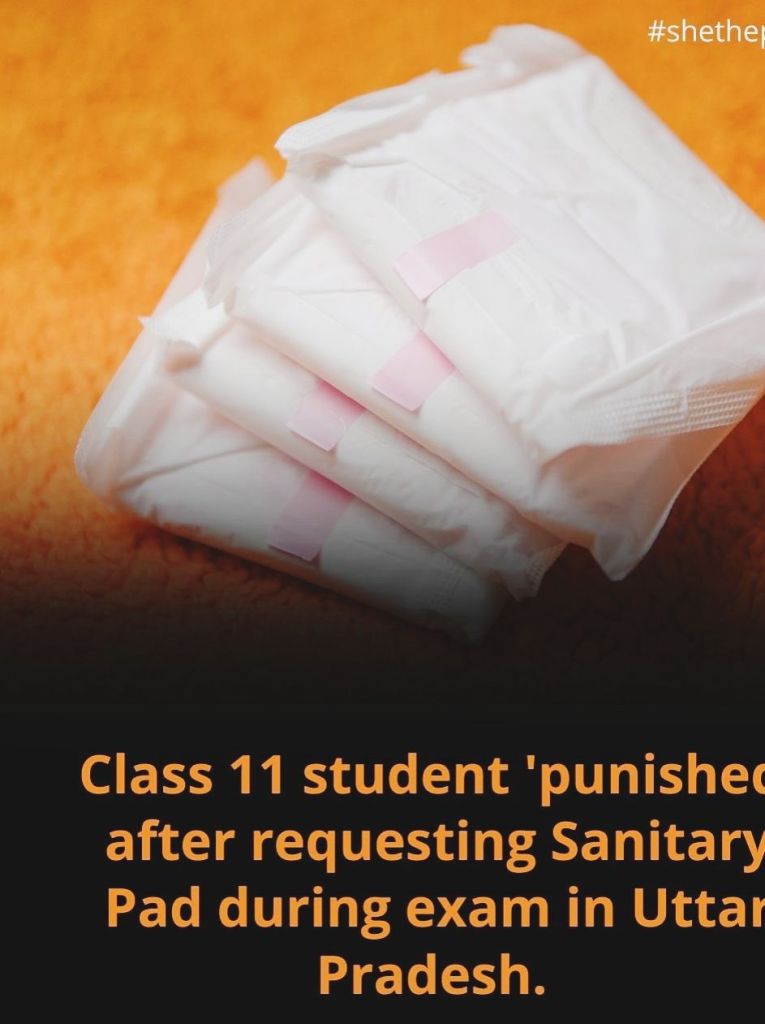
Yet menstrual health is not merely an infrastructure deficit; it is a social norms crisis. Silence often begins within households. Surveys indicate that nearly 68% of mothers hesitate to discuss menstruation openly with their daughters, while fathers’ engagement remains minimal. Consequently, many girls encounter their first period unprepared—confused rather than informed, ashamed rather than reassured. Cultural restrictions in several communities—prohibitions from kitchens, temples, or social gatherings, or enforced isolation—perpetuate notions of impurity. Such practices embed psychological narratives that equate a natural biological rhythm with moral contamination.

The consequences transcend hygiene. Anxiety, diminished self-esteem, withdrawal from sports and public life, and curtailed aspirations become normalized. Menstruation, instead of symbolizing health and reproductive vitality, is recast as social liability—sometimes even misinterpreted as readiness for marriage, accelerating risks of child marriage and truncating educational trajectories. Period poverty extends beyond adolescence into the informal workforce. Women in construction sites, farms, factories, and domestic service frequently lack access to clean toilets or disposal systems, resulting in infections, absenteeism, productivity loss, and wage insecurity. Despite this, India’s health data architecture privileges maternal mortality while menstrual morbidity remains under-measured, sustaining its invisibility in policy design.
The Court’s directives are therefore transformative in scope. It has mandated functional toilets with water in all schools—government and private—provision of free sanitary products, safe disposal systems, and integration of gender-sensitive menstrual education within curricula. Through continuing mandamus and monitoring by district authorities and child rights institutions, the judiciary has signalled that compliance must be sustained, not symbolic.
However, implementation remains the crucible of reform. Supply-side initiatives—such as the Menstrual Hygiene Scheme under the National Health Mission and affordable sanitary pads distributed through the Pradhan Mantri Bharatiya Janaushadhi Pariyojana—address affordability but cannot dismantle stigma alone. Education must encompass boys as well as girls, transforming menstruation from whispered taboo to understood biology.
Ultimately, constitutional recognition reframes the moral architecture of public health. Dignity cannot be selective; equality cannot bypass biology; education cannot flourish amid humiliation. When girls miss school for want of water, when mothers whisper out of discomfort, when boys mock out of ignorance, the nation forfeits human capital silently. The Republic now stands at a choice point: to treat menstruation as a marginal welfare concern or as a foundational test of gender justice. Infrastructure must endure, data must illuminate morbidity, teachers must be sensitized, families must converse openly, and communities must replace shame with science. Only then can India transform a cycle of stigma into a cycle of dignity—and ensure that no citizen’s biological rhythm becomes a constitutional blind spot.
Visit arjasrikanth.in for more insights
 SOCIAL PERSPECTIVES