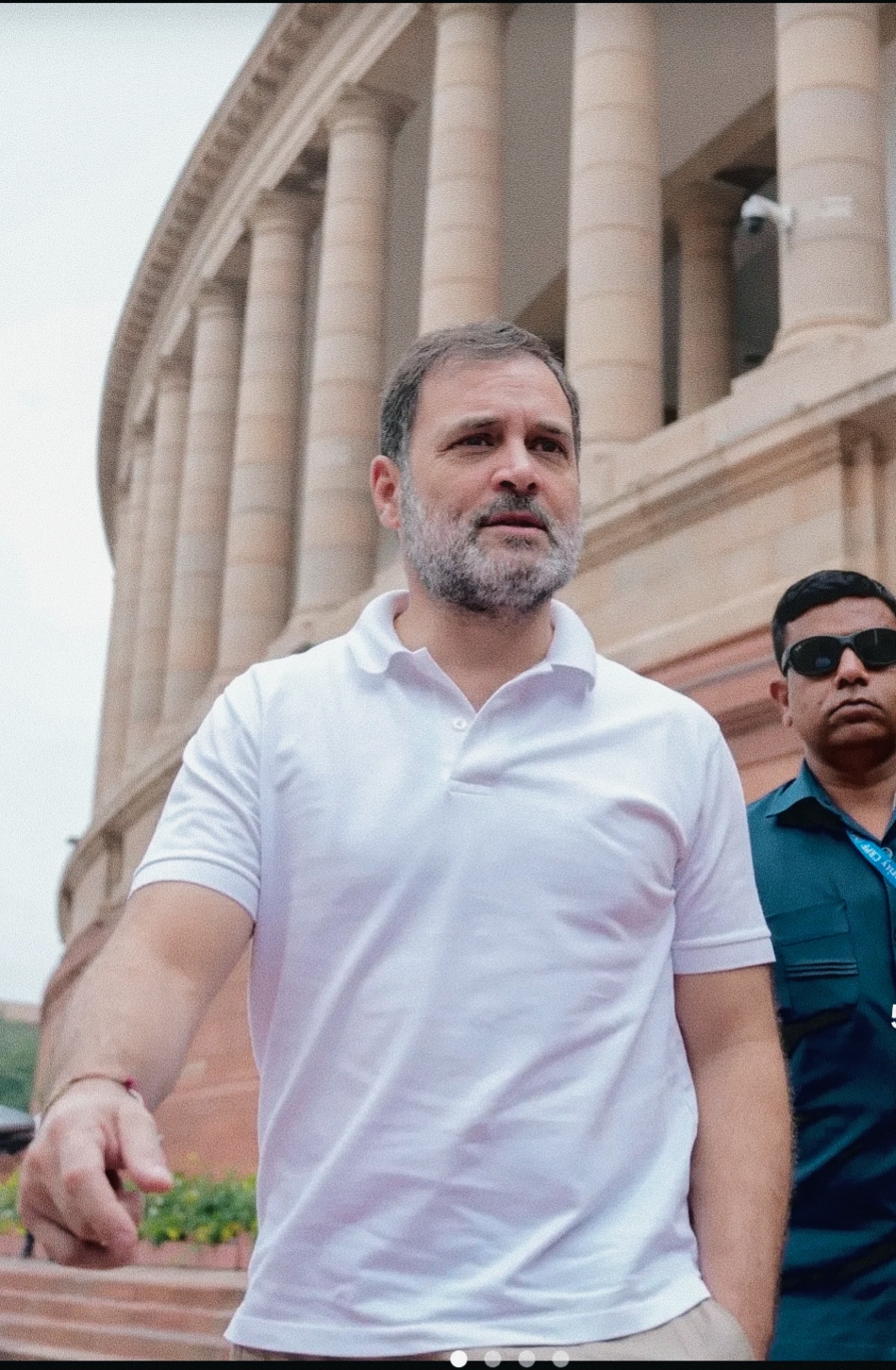
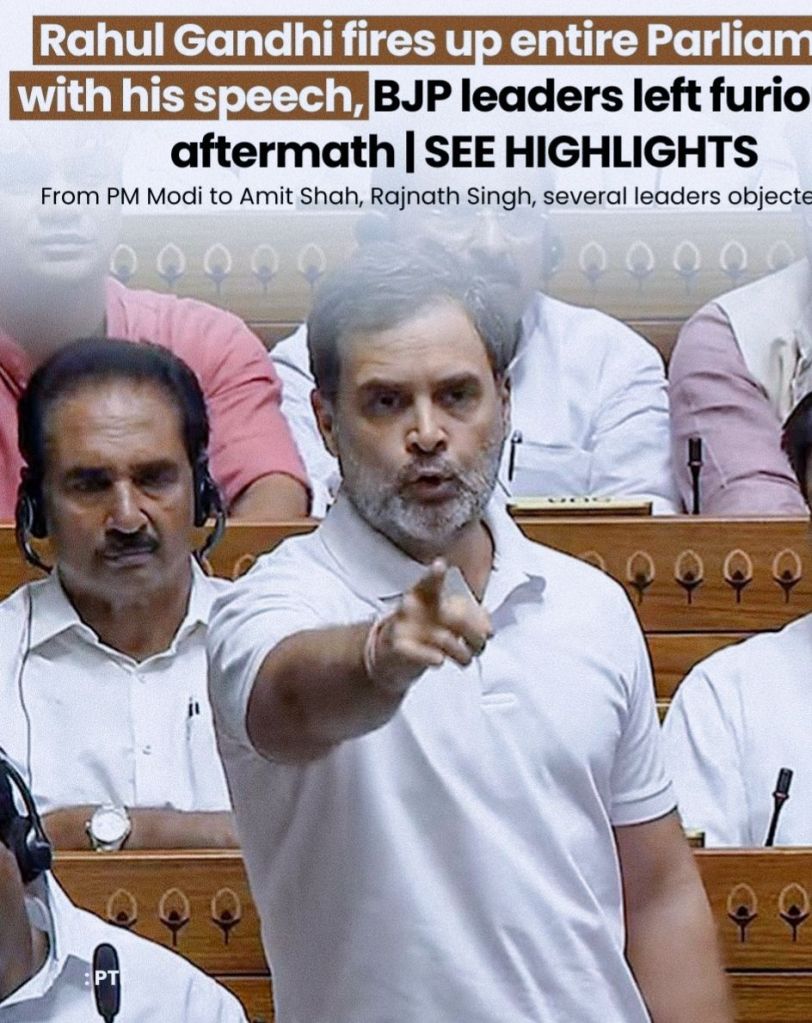
Since assuming the office of Leader of the Opposition in the Lok Sabha in 2024, Rahul Gandhi has exhibited a profound political and intellectual metamorphosis. Previously caricatured as episodic, emotive, or rhetorical, his conduct in Parliament—particularly during the 2026 Budget Session—reveals a disciplined, evidence-driven, and strategically confrontational statesmanship. Gandhi has shifted from ad hoc critique to sustained, methodical interrogation, compelling ministers to respond not merely to partisan allegations but to systemic questions embedded in the architecture of governance. For nearly fifty uninterrupted minutes, he held the floor with analytical precision and argumentative rigor, unsettling treasury benches not by volume or theatrics but through clarity, coherence, and structural depth. Gandhi was no longer performing; he was cross-examining the executive on institutional and policy fundamentals.
Central to this transformation is an unwavering focus on institutional accountability. In debates on electoral reform, Gandhi posed incisive questions that interrogated the integrity of democratic oversight: the removal of the Chief Justice of India from the panel selecting Election Commissioners, the grant of sweeping immunity to Election Commissioners, and the statutory limitation of polling station CCTV footage retention to forty-five days. By demanding machine-readable voter rolls and technical access to Electronic Voting Machines, he reframed parliamentary opposition as procedural vigilance rather than partisan spectacle. While the government dismissed his claims, the specificity and durability of his inquiries ensured they remained central to public discourse, highlighting the delicate balance between constitutional architecture and executive discretion.
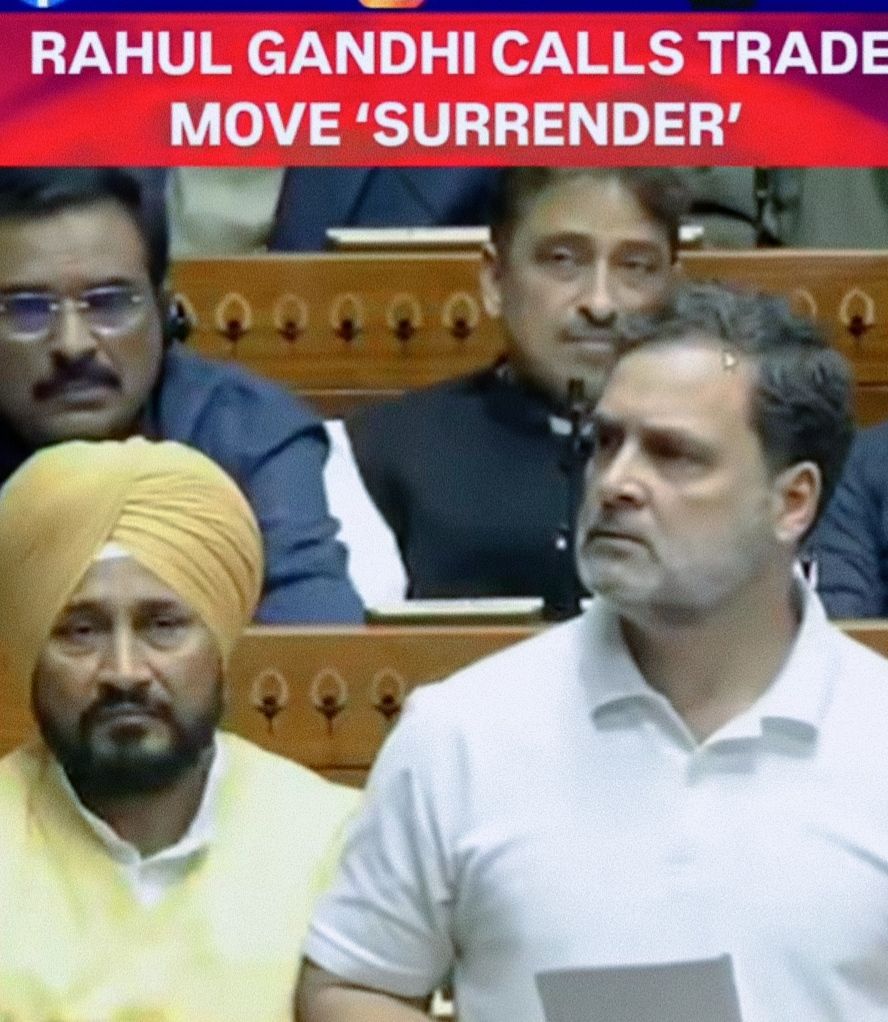
Gandhi’s scrutiny extends decisively into national security and strategic policy. Drawing upon accounts of the 2020 India–China border tensions and operations such as Sindoor, he interrogated discrepancies between official narratives and ground realities, demonstrating that patriotism and parliamentary oversight are complementary rather than mutually exclusive. Concurrently, he challenged the India–US Interim Trade Agreement, framing digital data as a strategic resource and highlighting asymmetries in trade, agriculture, and economic governance that, in his assessment, compromise national autonomy. By linking macroeconomic liberalization with microeconomic vulnerability, Gandhi positions opposition not merely as critique but as preventive, structural engagement, interrogating policies for long-term resilience rather than short-term political gain.
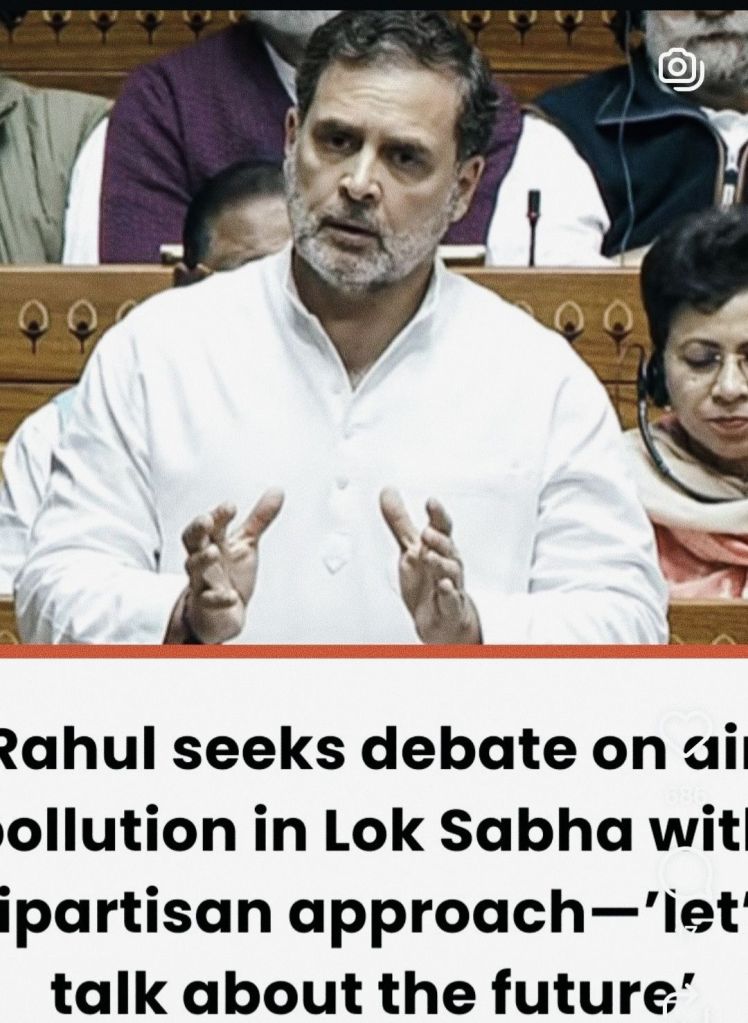
His interventions also span social, environmental, and institutional domains. Gandhi foregrounded urban air pollution as a public health emergency, particularly its impact on children, emphasizing the imperative for bipartisan action. He interrogated corporate-government convergence, notably the so-called “Adani-Ambani-Modi nexus,” situating contemporary governance within historical, economic, and legal frameworks. By linking domestic debates to global scrutiny—through trade implications, corporate influence, and international perception—he compelled the executive to defend both outcomes and procedural rationale, underscoring that accountability extends beyond domestic optics into transnational legitimacy.
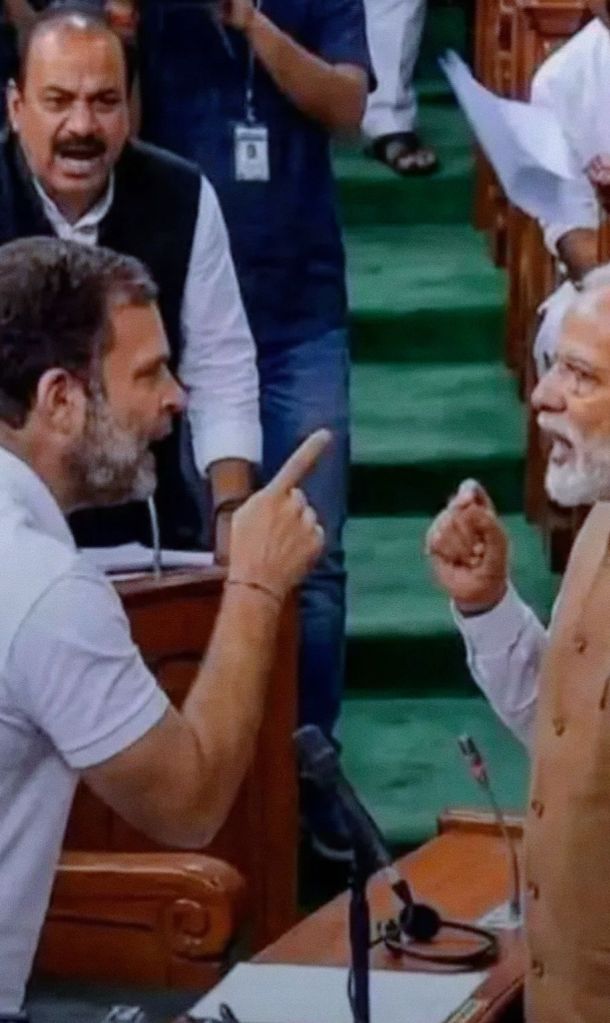
Methodologically, Gandhi has adopted a rigorously documented approach. Anchoring interventions in comparative institutional analysis, data evidence, and statutory references, he contrasts sharply with earlier perceptions of impulsiveness or rhetoric-driven opposition. This evidentiary style forces ministers to justify constitutional design, regulatory discretion, and procedural transparency rather than merely defending political outcomes. Despite facing legal pushback and procedural challenges—including privilege motions—he persists, framing opposition as structural accountability rather than episodic confrontation.
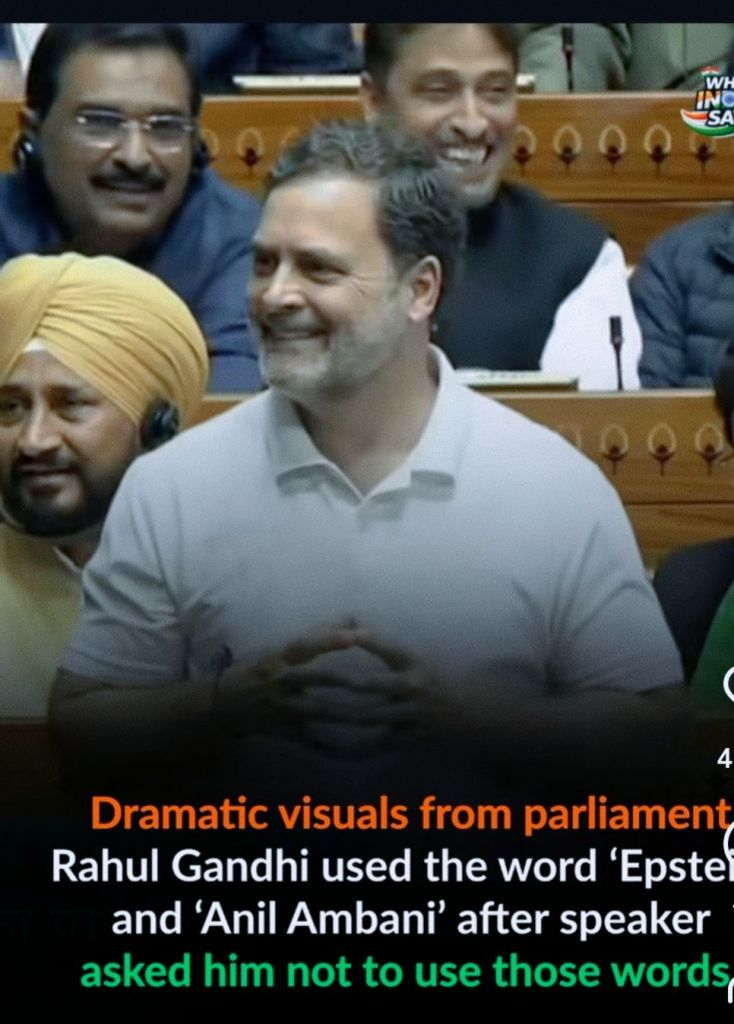
This transformation reflects both intellectual and performative evolution. Gandhi’s measured cadence, composure, and refusal to retreat from expunged remarks convey deliberative authority. His sustained focus on electoral integrity, data sovereignty, agrarian security, public health, and strategic autonomy signals a maturation of political discourse in which confrontation is deliberate, systematic, and constructive rather than reactive or performative.
The broader significance lies in the redefinition of parliamentary opposition. Gandhi has transitioned from a sporadic critic into a relentless interrogator, compelling the government to engage with foundational questions that probe institutional design, democratic oversight, and policy coherence. While whether this resurgence will translate into electoral consolidation remains uncertain, its impact on India’s legislative culture is undeniable. By converting rhetorical energy into structured scrutiny, Rahul Gandhi has reinvigorated argumentative democracy, demonstrating that principled opposition can be rigorous, evidence-based, and strategically transformative.
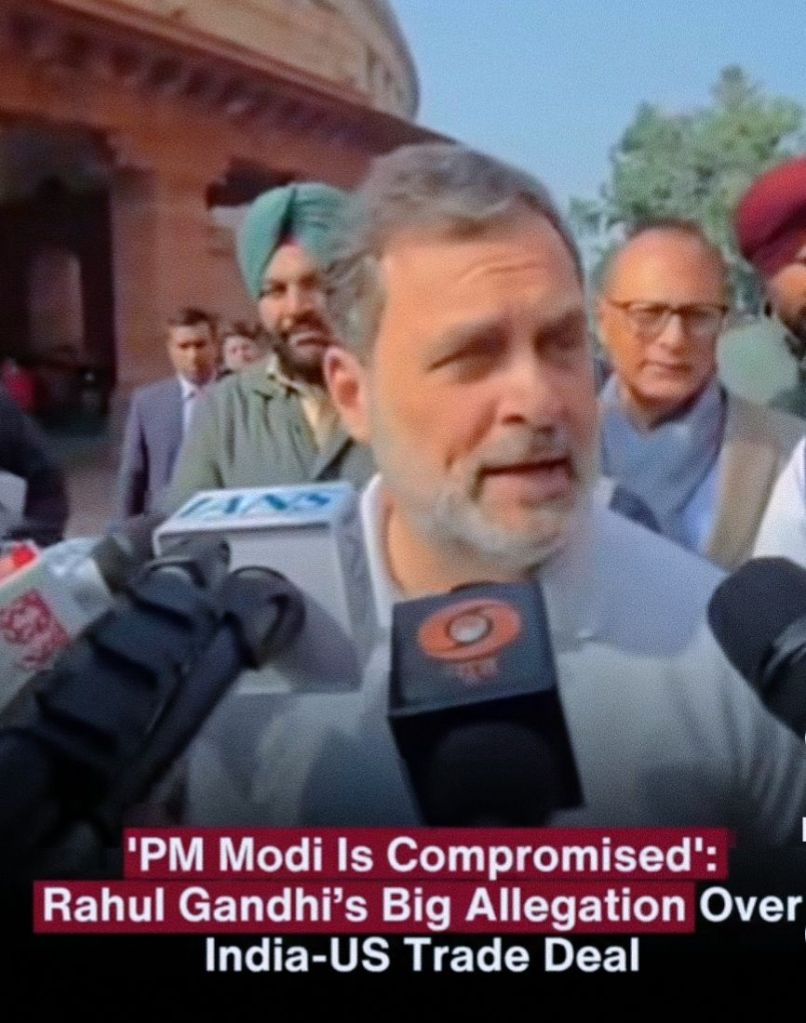
Ultimately, Gandhi’s evolution transcends conventional politics. By redefining opposition as disciplined interrogation rather than adversarial spectacle, he challenges both Parliament and the public to reconsider the relationship between authority, transparency, and responsibility. His trajectory offers a model of democratic engagement in which scrutiny is not antagonism but a fulcrum for accountable governance—a reminder that effective opposition requires not just critique, but intellectual rigor, procedural fidelity, and strategic foresight.
Visit arjasrikanth.in for more insights
 SOCIAL PERSPECTIVES