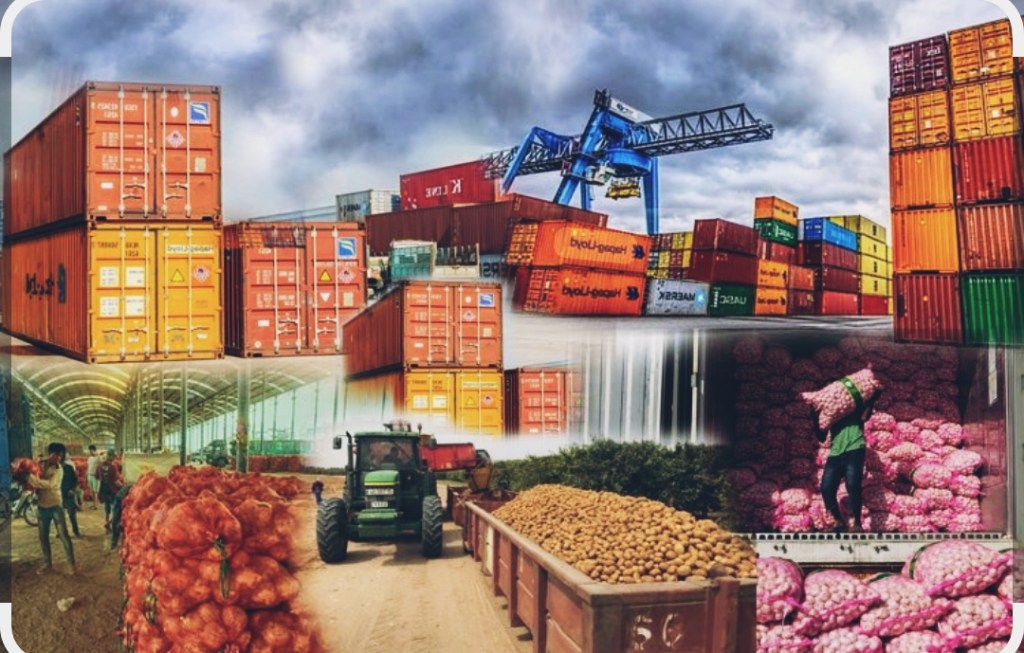
India’s agricultural paradox is both impressive and humiliating. The country feeds more than a billion people, employs nearly half its workforce in farming, contributes around 17 percent to GDP, and ranks among the world’s largest producers of food. Yet its share of global agricultural exports stubbornly hovers just above 2 percent. This is not a failure of scale, effort, or farmer skill. It is a failure of standards. At the centre of this export deficit sits a deceptively technical issue with brutal consequences: pesticide residue limits.
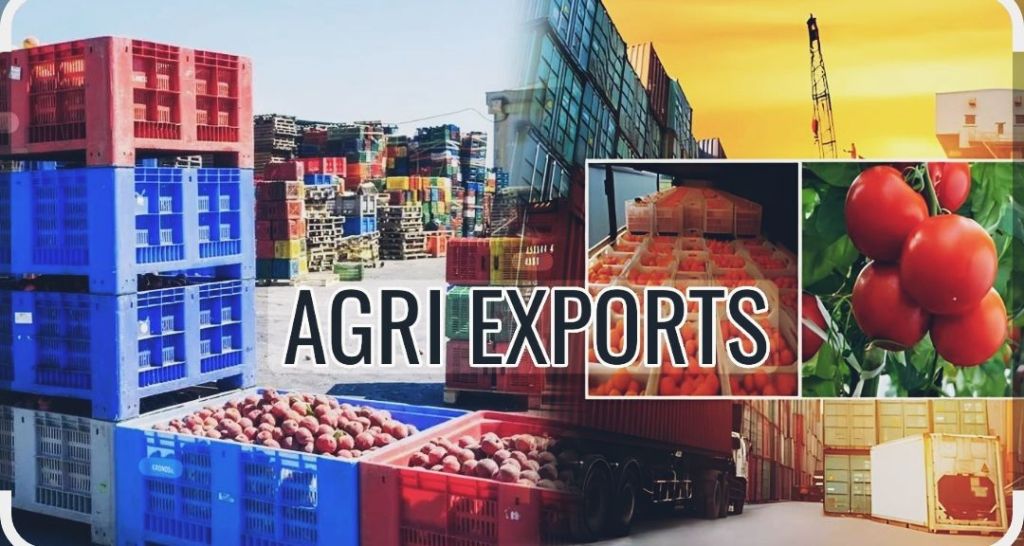
India permits pesticide residues between 0.1 and 0.5 mg per kilogram; the European Union often allows just 0.01 mg. Crops shaped by decades of chemical-intensive Green Revolution practices routinely cross these thresholds, triggering rejected consignments, market bans, and reputational damage. For an agricultural system already losing an estimated ₹1.5 lakh crore annually to post-harvest waste, exports should have been a value-recovery lever. Instead, chemical residues have become a trade wall. Against this economic and ecological pressure, Natural Farming has quietly moved from activist margins into the core of India’s policy imagination.
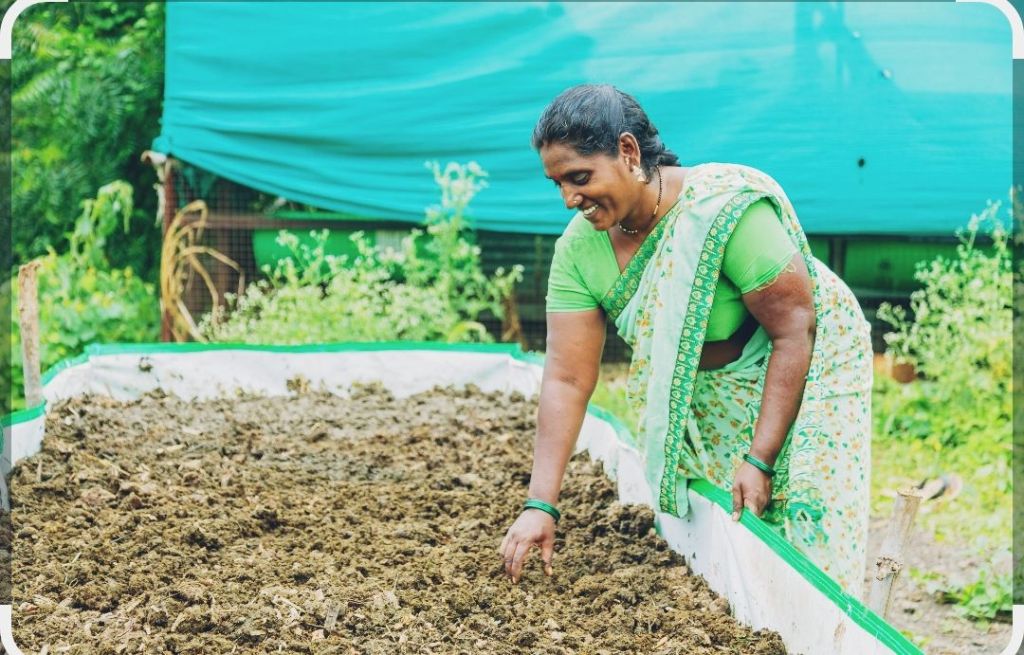
The shift is no longer rhetorical. The Indian Council of Agricultural Research has formally asked 74 agricultural universities to treat Natural Farming as a subject of national importance. This is not tokenism. Boards of Studies are meeting, curricula are being redesigned, and undergraduate courses are expected to roll out from July, with postgraduate and research programmes to follow. What enters classrooms today will shape farms, supply chains, and export profiles by the early 2030s. Education, not enforcement, is being positioned as the transition engine.
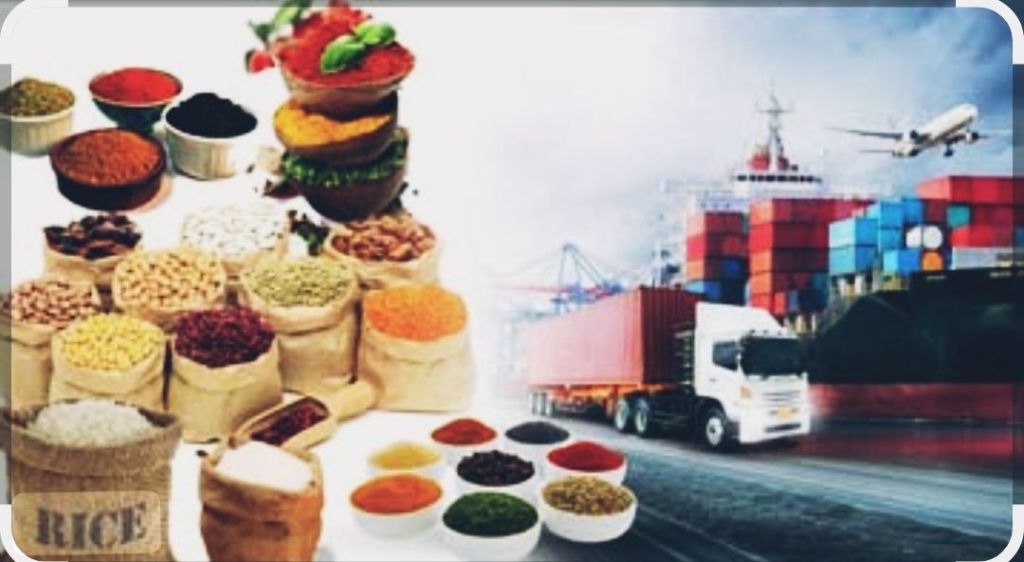
This matters because Natural Farming is not an ethical indulgence; it is an export strategy. Global markets penalise chemical residues, not low yields. Natural Farming, by design, produces low- or zero-residue crops aligned with international Maximum Residue Level norms. At the same time, domestic consumers are growing more conscious of food quality and traceability. Clean food is no longer boutique—it is strategic. India’s competitive advantage will increasingly lie not in volume but in credibility.
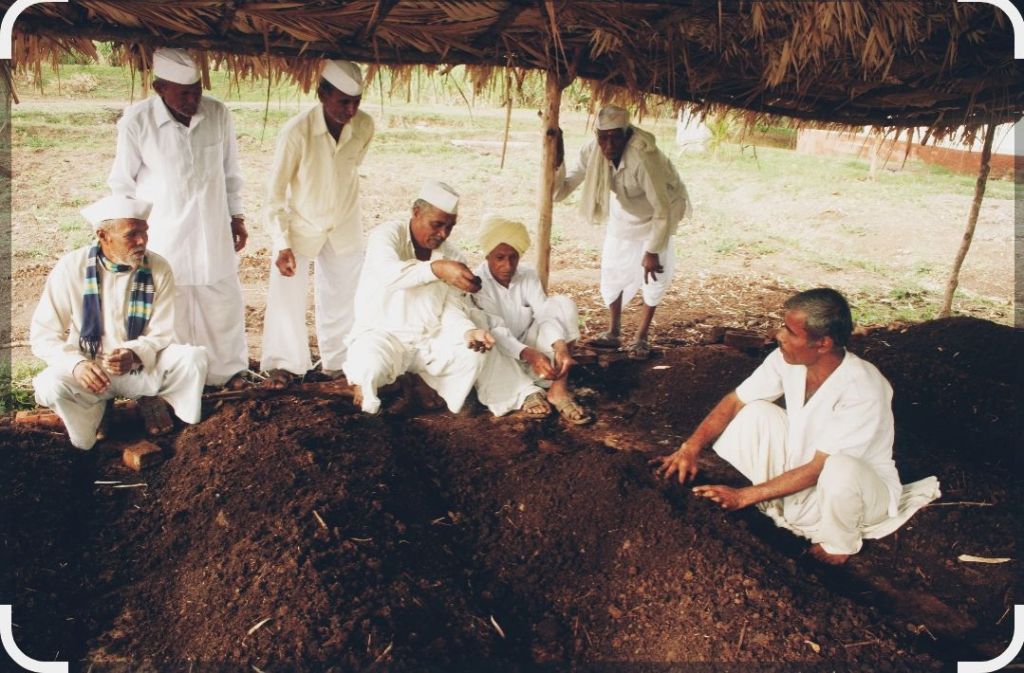
Industry has already sensed the pivot. Over the past five years, agri-input companies have expanded investments in bio-fertilisers, botanical pesticides, soil health solutions, and indigenous seed systems. Firms such as Rallis India and Coromandel International now describe bio-inputs as growth drivers, not experiments. With the Natural Farming input market projected to grow at 10–15 percent annually, universities—training nearly 50,000 agricultural graduates each year—sit at the nerve centre of the transition, supplying talent to research labs, certification bodies, agri-tech firms, and export chains.
Yet the transition is neither simple nor romantic. Organic and Natural Farming together cover just over 4 percent of India’s farmland. Initial yield drops are common; a farmer producing ten quintals under chemical farming may harvest six during early transition years. In a policy ecosystem still dominated by MSPs that reward quantity over quality, this income gap is real. Compounding the challenge is the lack of long-term, crop- and region-specific data on productivity, income stability, and risk under Natural Farming—data that conventional agriculture accumulated over decades.
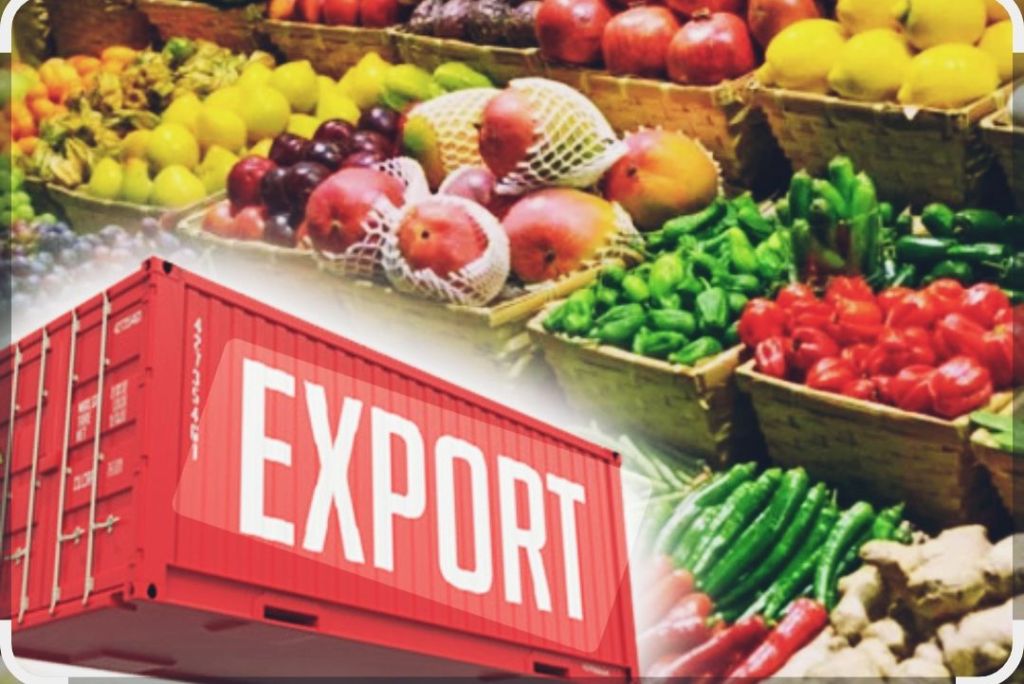
This is where India’s caution becomes its strength. Unlike Sri Lanka’s abrupt fertiliser ban in 2021—which triggered yield collapse and policy reversal—India’s approach is incremental, decentralised, and education-led. Embedding Natural Farming in universities signals a generational transition rather than a regulatory shock. The real prize is not ideological purity but export credibility. India does not lack food; it lacks trust in global food markets. Natural Farming, quietly entering classrooms today, may be the most credible way to rebuild that trust—crop by crop, student by student, shipment by shipment.
Visit arjasrikanth.in for more insights
 SOCIAL PERSPECTIVES