
India’s uneasy relationship with stray animals—especially dogs—has reached an inflection point, not because the problem is new, but because public patience is eroding faster than policy capacity. With an estimated tens of millions of stray dogs and a disproportionate global share of rabies deaths, fear is increasingly shaping public discourse. Dog bites, some severe and traumatic, have triggered anger, vigilantism, and organised cruelty. Yet this is precisely the moment when restraint, not rage, must define governance and citizenship. The central question is not whether public safety matters—it unquestionably does—but whether safety can be achieved without abandoning a foundational ethical principle: the right to life and humane treatment cannot be selectively applied.

The rise in reported dog-bite incidents is real and demands serious administrative attention. Children, the elderly, sanitation workers, and pedestrians are disproportionately exposed, and the medical as well as psychological consequences can be long-lasting. However, framing the crisis as animal aggression alone is analytically shallow. The drivers are structural: open garbage systems, food waste mismanagement, fragmented sterilisation coverage, and inconsistent vaccination drives. Urban ecology does not tolerate vacuum; it reorganises around neglect. Where waste accumulates, animal populations stabilise and expand. To criminalise the animal while normalising administrative failure is politically convenient but intellectually flawed. Stray dogs themselves endure disease, starvation, injury, and abuse—co-victims of the same governance deficit that endangers humans.
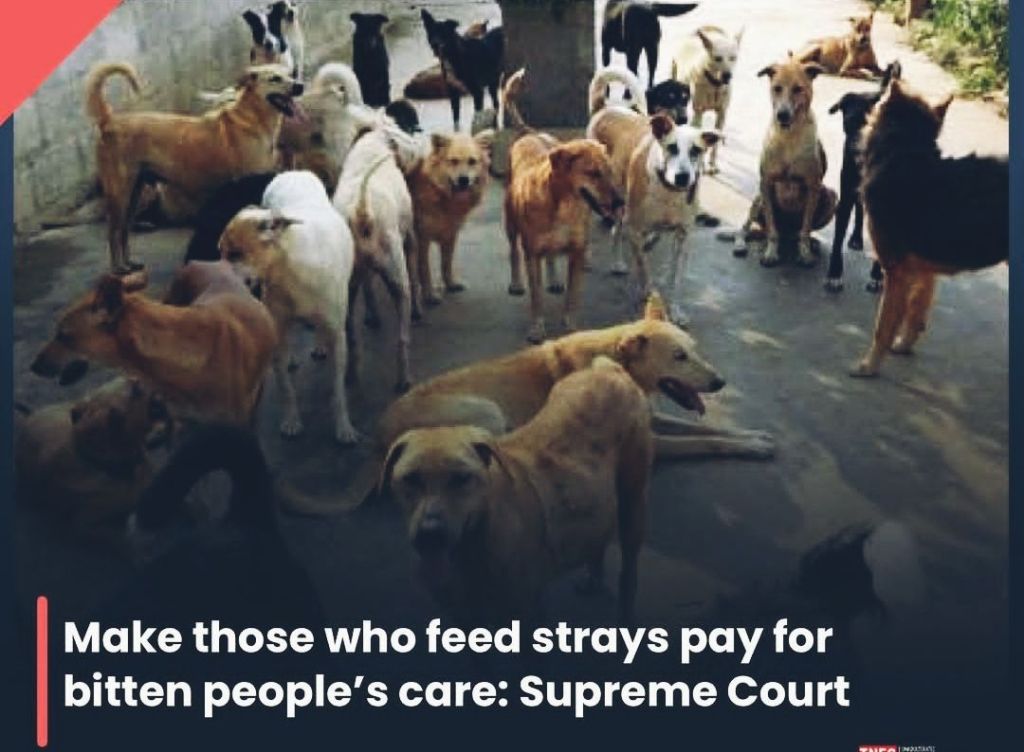
India’s legal and regulatory architecture does not support extermination-based responses. Judicial directions and statutory rules have consistently favoured management over massacre. The Animal Birth Control framework is built on sterilise–vaccinate–return principles, rejecting indiscriminate culling and forced relocation. This is not moral romanticism; it is behavioural science. Sudden removal of dogs creates territorial vacuums that are quickly filled by new, often more aggressive, unsterilised animals—intensifying rather than reducing conflict. Courts have also signalled that municipal inaction can attract liability, placing accountability where it belongs: on systems, not scapegoats. Law, epidemiology, and animal behaviour research converge on one conclusion—population control must be systematic, not reactionary.

Implementation, however, remains the weakest link. Sterilisation capacity is grossly inadequate relative to population size. Veterinary infrastructure is uneven, funding is episodic, and monitoring is poor. Waste management failures continuously replenish the food base that sustains high stray densities. Public debate has hardened into binary camps—absolute animal protection versus absolute animal removal—leaving little room for operational nuance. In this polarised climate, illegal killings are often rationalised as emergency solutions. But when illegality becomes emotionally acceptable, institutional authority erodes. Violence does not solve governance gaps; it exposes them.
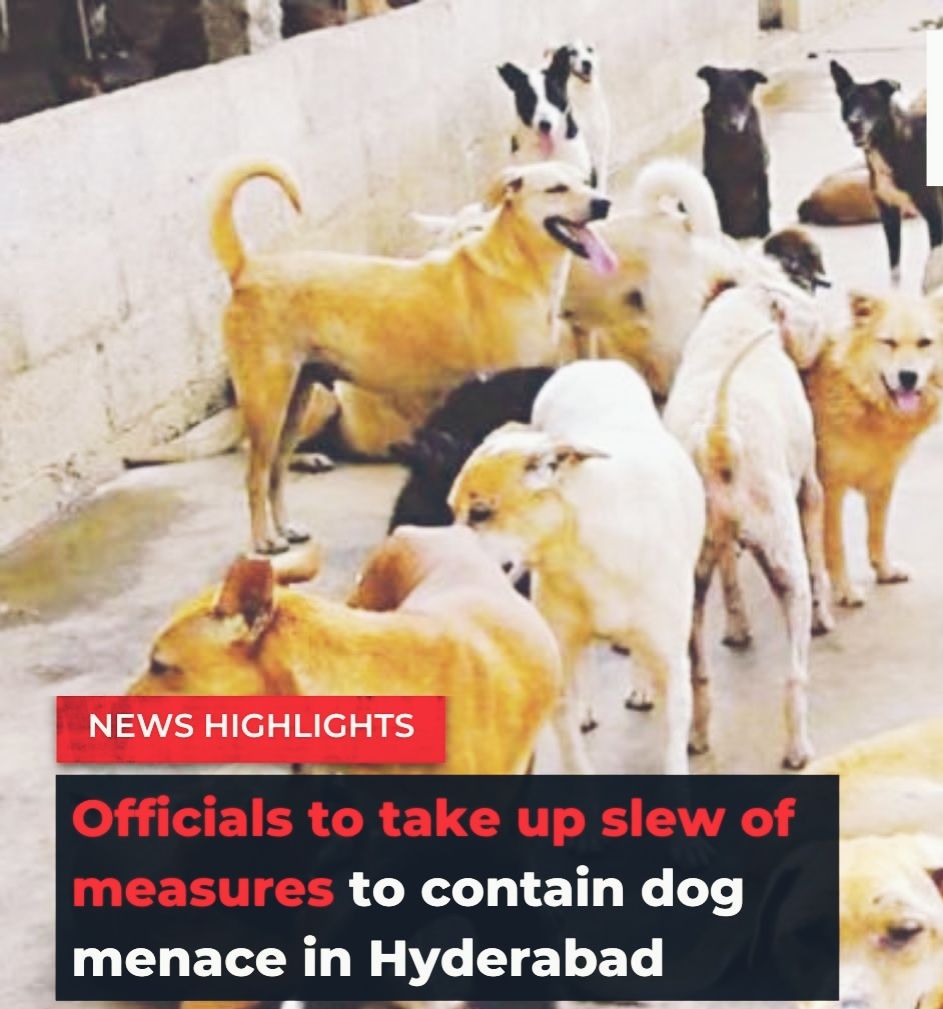
Ecological reality further complicates simplistic solutions. Street dogs are now embedded components of urban ecosystems. They function as scavengers, partially control rodent populations, and occupy ecological niches that will not remain empty if vacated. Poorly planned mass removals can trigger secondary effects, including rodent surges and altered disease patterns. Modern public health frameworks increasingly adopt a “One Health” approach—recognising that human, animal, and environmental health are interdependent. Coexistence, when scientifically managed, is not sentimental weakness; it is systems thinking applied to public safety.
Global experience reinforces this approach. Countries that have successfully reduced rabies and stabilised stray populations relied on sustained sterilisation, universal vaccination, strict waste control, pet registration, and community education—not fear-driven culling. Data-led targeting, mobile veterinary units, adoption networks, and responsible ownership laws delivered durable results. Where animals were treated as manageable urban stakeholders rather than enemies, bite rates and disease burdens fell measurably. Policy consistency, not periodic outrage, produced safety.
India’s path forward must be one of disciplined compassion backed by administrative muscle. Scale up sterilisation and vaccination with measurable district targets. Deploy mobile animal health units. Fix garbage systems. Guarantee immediate, free post-exposure rabies treatment. Introduce pet licensing and microchipping to prevent abandonment. Regulate—not criminalise—feeding through designated zones and protocols that reduce friction. Build community reporting and data dashboards. Fear deserves acknowledgement; brutality deserves zero legitimacy.
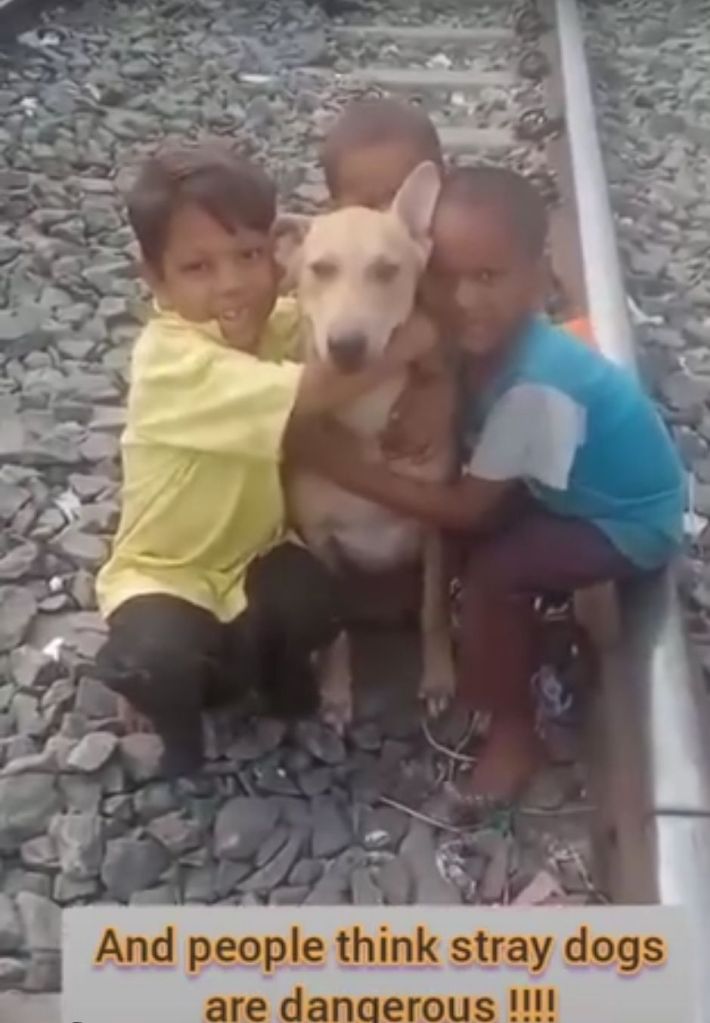
Ultimately, this debate is a civilisational stress test. Societies are judged not by how they treat power, but how they manage vulnerability and risk. Choosing science, law, and humane control over rage is not about privileging animals over humans—it is about refusing false choices. Public safety and compassion are not rivals. When governance matures, they become allies.
Visit arjasrikanth.in for more insights
 SOCIAL PERSPECTIVES