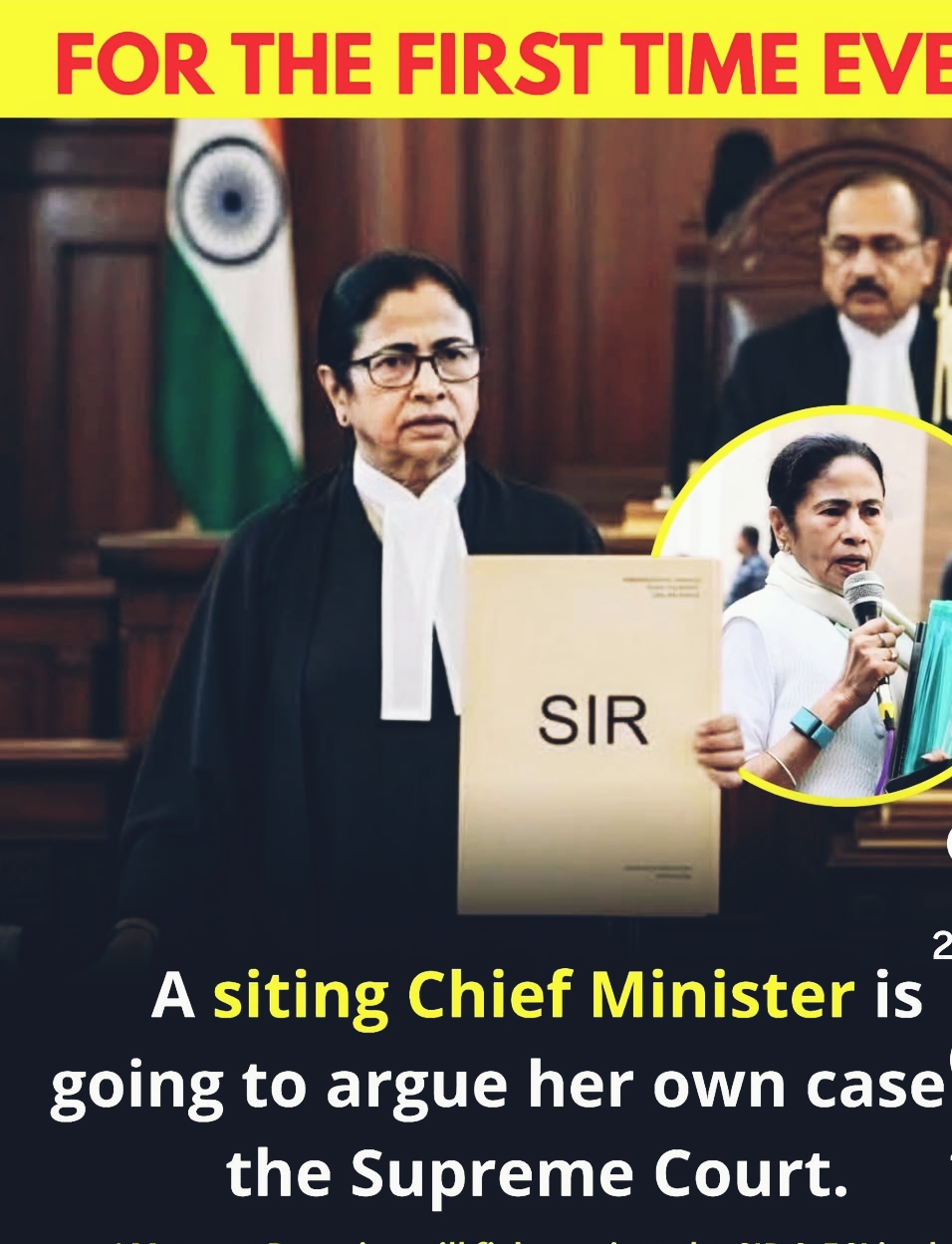
In the theatre of constitutional democracy, few developments are as symbolically charged as a Chief Minister directly engaging the Supreme Court on the mechanics of electoral administration. The hearing on the Special Intensive Revision of electoral rolls evolved beyond a procedural contest, revealing a deeper institutional tension between administrative accuracy and democratic accessibility. Rather than centring the discourse on individual political statements, the episode reflects a larger debate about how electoral systems balance data integrity with India’s social complexity.
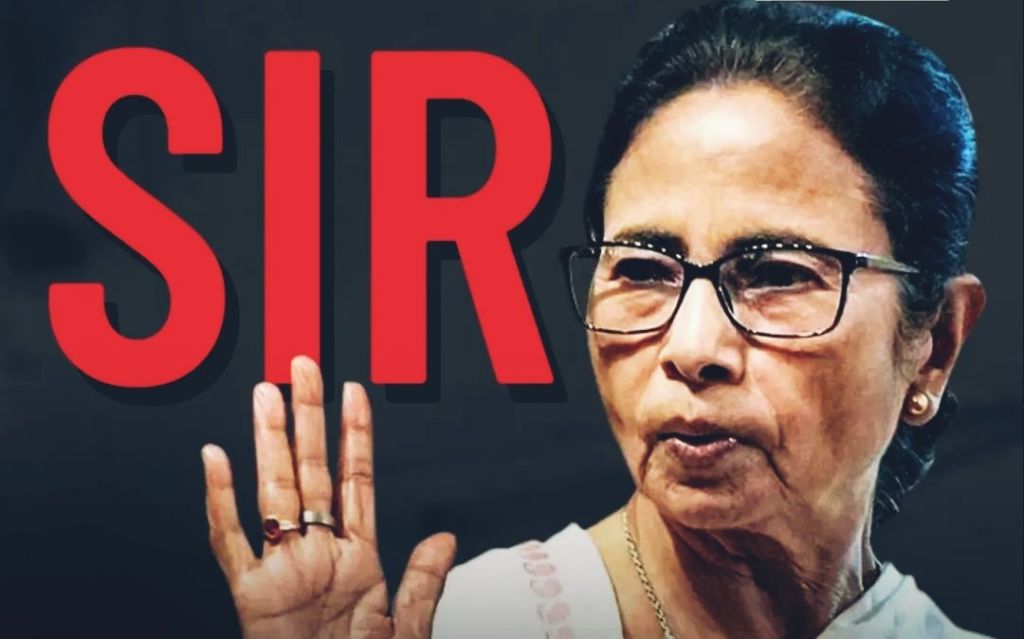
At the core of the discussion lies the scale and design of the revision exercise. The classification of large numbers of voters into discrepancy categories has raised questions about whether timelines and verification protocols sufficiently account for ground realities. Administrative efficiency, while necessary for maintaining credible electoral rolls, risks appearing exclusionary if citizens perceive processes as rushed or opaque. The debate therefore moves beyond personalities and into structural concerns about how democratic audits are executed.
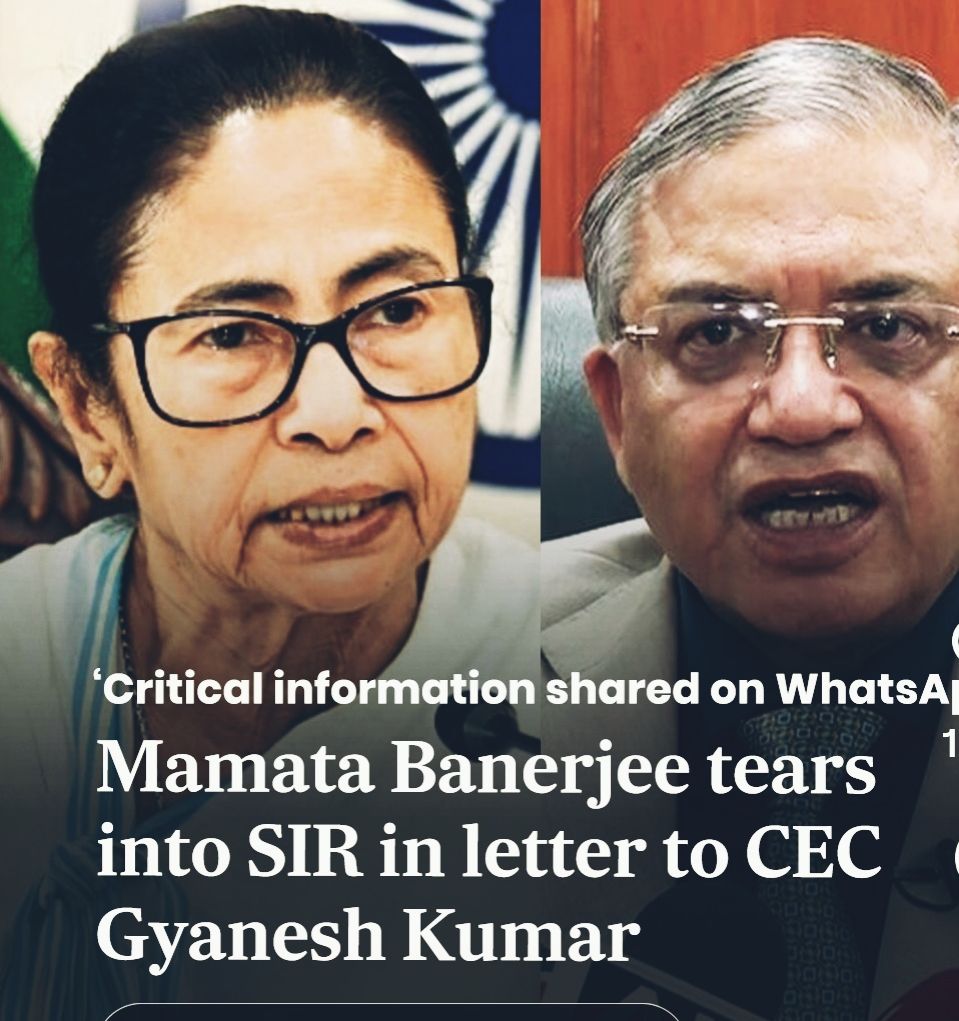
Language and identity have emerged as critical analytical themes. India’s multilingual landscape means that transliteration, spelling variations, and regional pronunciations often produce differences across official records. Electoral administration must reconcile these variations without allowing rigid documentation practices to undermine participation. The controversy underscores a broader governance challenge: digital standardisation can enhance transparency, yet excessive reliance on uniform data formats may inadvertently marginalise citizens whose identities do not fit neatly into bureaucratic templates.
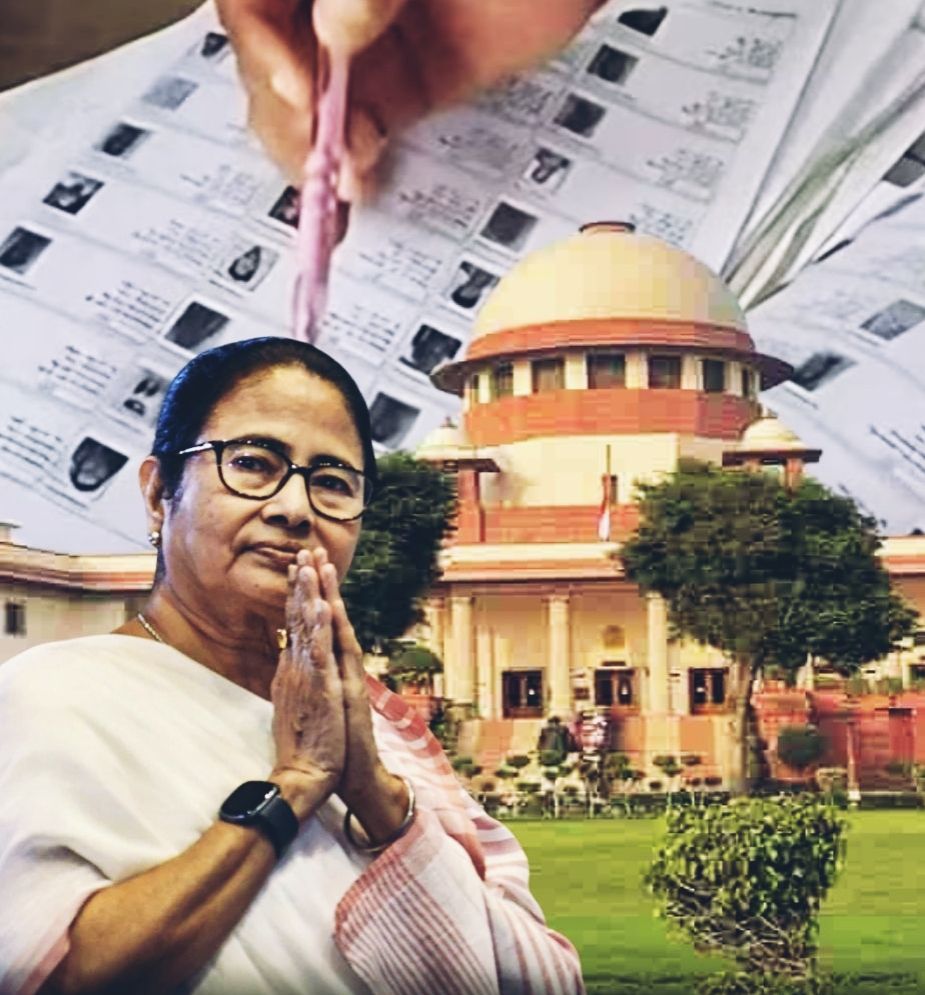
Another layer of the discourse involves institutional design. Questions regarding oversight mechanisms, procedural clarity, and the statutory basis of certain administrative roles highlight the need for transparent frameworks. Electoral processes derive legitimacy not only from outcomes but from the clarity of rules governing them. When citizens or state administrations perceive parallel structures or unclear authority lines, debates about federal balance and institutional accountability inevitably intensify.
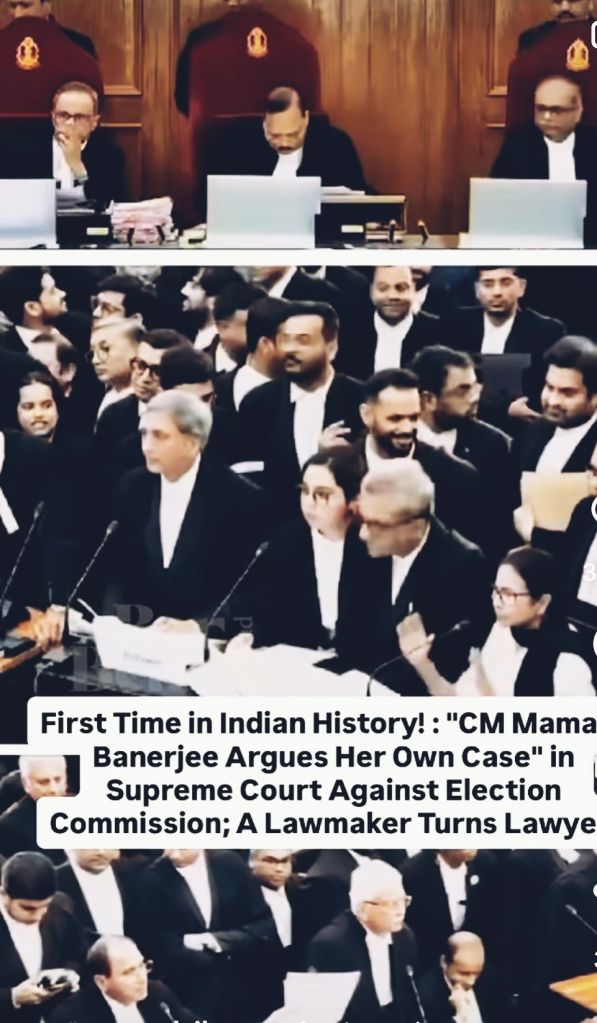
Equally significant is the issue of documentary verification. Electoral systems rely on evidence-based processes, yet the rejection or questioning of commonly used identity documents can create perceptions of administrative overreach. The analytical focus here is less about political criticism and more about the evolving relationship between technology-driven governance and citizen trust. Democracies increasingly rely on data-driven verification, but legitimacy ultimately rests on whether individuals feel included rather than scrutinised.
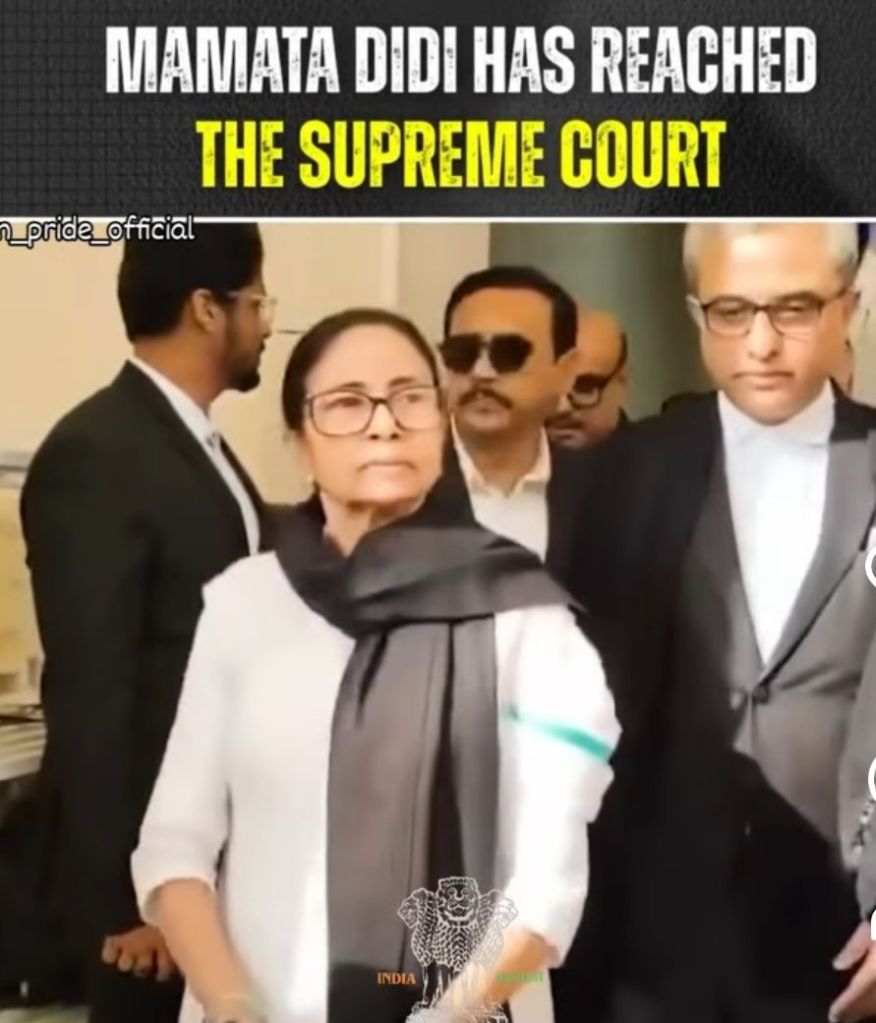
The hearing also reveals the broader federal dynamic embedded within India’s electoral framework. Coordination between national institutions and state administrations often becomes a site of negotiation over administrative responsibility. Such tensions are not unique; they reflect the complexity of governing a vast and diverse electorate where uniform policy must coexist with regional realities.
Beyond immediate legal arguments, the episode invites a deeper philosophical reflection. Modern democracies strive for flawless databases, yet citizenship remains an inherently human concept shaped by migration, language, and social change. The challenge for institutions is to ensure that the pursuit of precision does not eclipse the principle of inclusion that underpins universal suffrage.
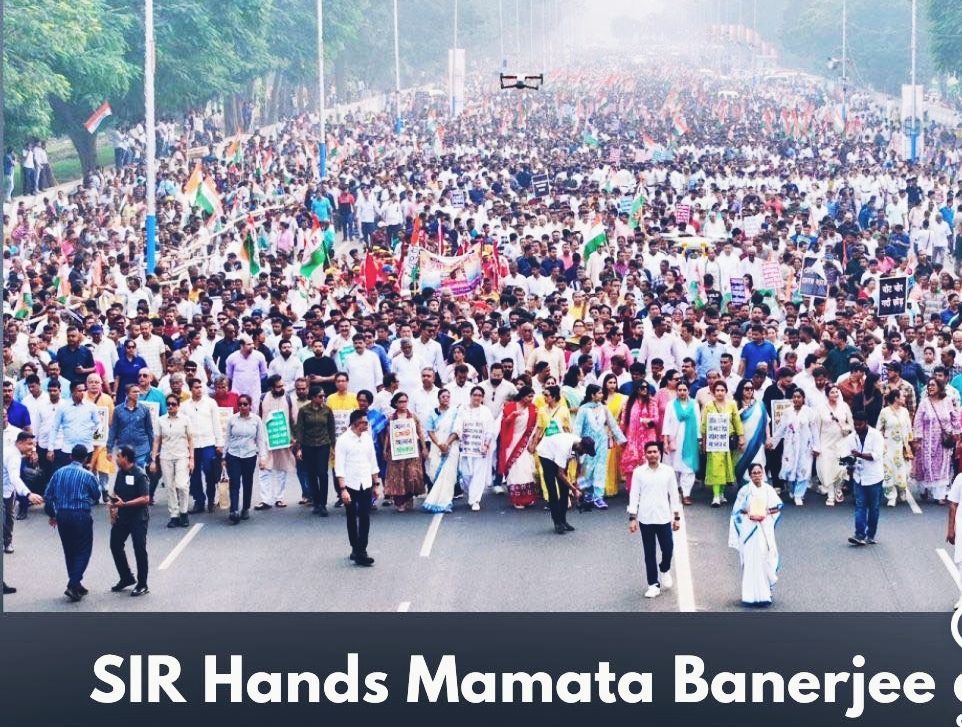
Ultimately, the controversy surrounding the Special Intensive Revision is less about individual rhetoric and more about the evolving architecture of democratic governance. It highlights a fundamental paradox: the same systems designed to strengthen electoral credibility can, if perceived as inflexible, generate anxiety about exclusion. The courtroom debate therefore becomes a microcosm of India’s democratic journey — an ongoing attempt to harmonise technological modernisation with constitutional empathy, ensuring that efficiency enhances democracy rather than narrowing its boundaries.
Visit arjasrikanth.in for more insights
 SOCIAL PERSPECTIVES