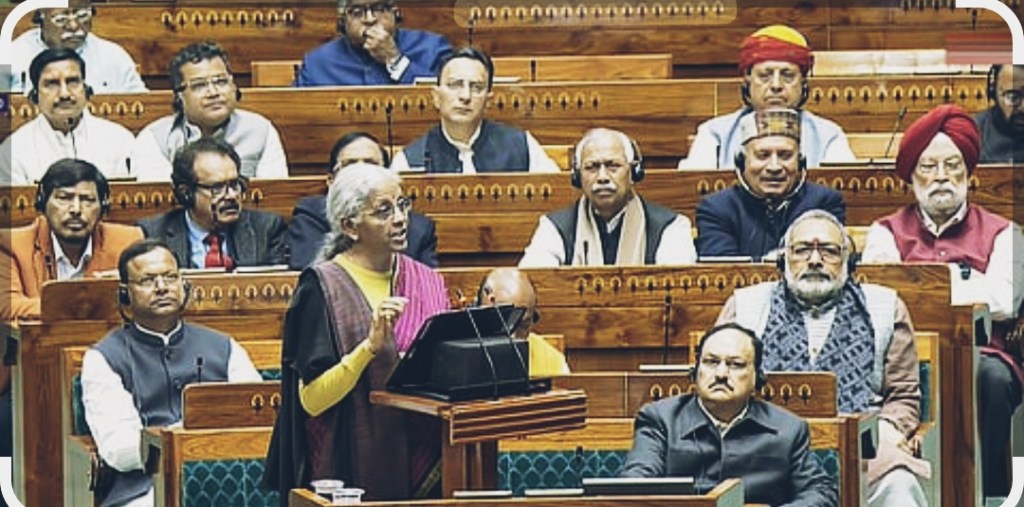
Budgets rarely shout their politics. They whisper—through footnotes, sequencing, omissions, and the quiet discipline of numbers placed exactly where they matter. To read a budget only for its announcements is to miss its real language. Read carefully, and the Union Budget suggests that Andhra Pradesh, despite the absence of headline fireworks or theatrical “special packages,” may have secured something far more valuable than spectacle: structural advantage. This was not a concessionary, state-branded document designed to appease regional sentiment. It was a calibrated budget shaped by coalition arithmetic, fiscal realism, and long-horizon growth priorities—an ecosystem in which Andhra Pradesh is currently unusually well aligned.
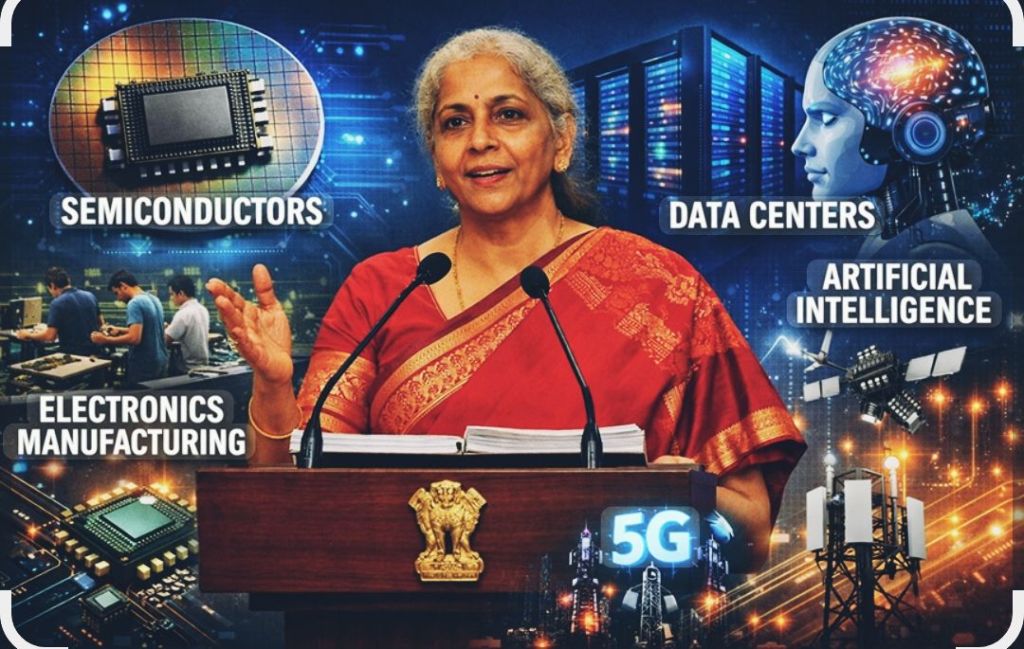
Finance Minister Nirmala Sitharaman’s ninth budget was framed as a Shakti-driven blueprint for inclusive growth, but its true architecture lay in alignment rather than allocation. The budget worked less through rhetorical flourish and more through design logic. Andhra Pradesh benefited precisely because its declared development pathway—capital formation, logistics integration, industrial corridors, energy transition, digital infrastructure, and sustainable tourism—mirrors the Centre’s growth imagination. In coalition politics, numbers matter, but narratives matter more. The Telugu Desam Party’s role as a key ally with 16 MPs certainly strengthens bargaining power, yet what converts leverage into lasting advantage is strategic convergence, not transactional extraction.

Nowhere is this convergence clearer than in Polavaram. Budget documents continue to anchor near-total central funding for the project, with ₹5,936 crore earmarked, ₹157 crore as balance grants, and a proposed ₹3,320 crore towards revised cost completion and mitigation measures, including storage up to 41.15 metres. In a fiscal environment where states are routinely asked to share burdens and co-finance national priorities, Polavaram remains an exception. It is legally protected under the Andhra Pradesh Reorganisation Act, politically prioritised across administrations, and strategically indispensable to the state’s agrarian future. Polavaram is not merely an irrigation project; it is a signal that certain commitments, once made, are still honoured in full.
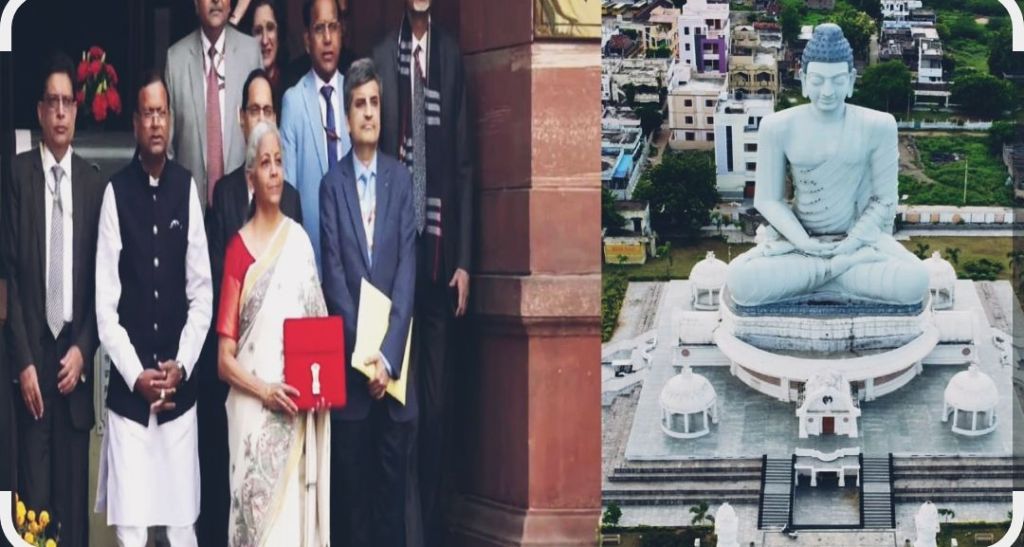
Amaravati’s re-entry into the budgetary imagination is quieter but no less consequential. While the capital city did not feature in the speech’s dramatic arcs, budget papers propose ₹15,000 crore through multilateral development agencies in 2024–25, with assurances of structured support in subsequent years. This financing architecture—external funding with sovereign facilitation rather than direct budgetary grants—is telling. It reduces immediate fiscal strain on the Centre while restoring the project’s credibility and momentum. Amaravati may not yet dominate the podium, but it is firmly back on the balance sheet, which in infrastructure politics matters far more than applause lines.
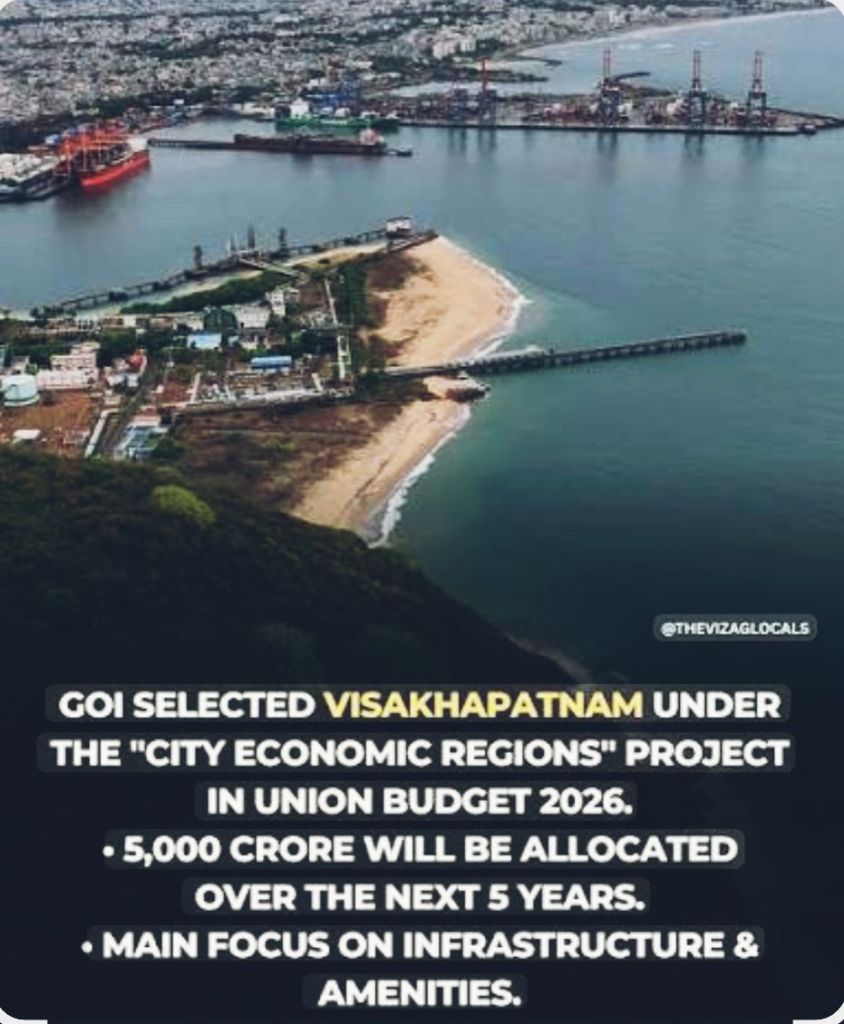
Industrial strategy further tilts the balance in Andhra Pradesh’s favour. The continued emphasis on the Visakhapatnam–Chennai Industrial Corridor integrates the state into India’s manufacturing spine, while renewed support for Rashtriya Ispat Nigam Limited, including ₹3,295 crore, reinforces Vizag’s role as a steel, logistics, and maritime hub. These are not isolated interventions. They align with the Centre’s push for supply-chain resilience, port-led development, and corridor-driven manufacturing—areas where Andhra Pradesh’s geography offers natural advantage. The state is not being added to the national industrial map; it is being thickened within it.

The most potent gains, however, lie in the future-facing subtext of the budget. Tax holidays until 2047 for foreign companies procuring data centre services in India dovetail seamlessly with Andhra Pradesh’s ambition to build a giga-scale AI and digital infrastructure hub in Visakhapatnam. The announcement of Semiconductor Mission 2.0, a ₹40,000 crore push for electronics components, and deeper localisation strategies further strengthen this alignment. Andhra Pradesh’s coastal connectivity, renewable energy potential, and policy readiness position it as a natural beneficiary of these initiatives. This is where silent budgets do their real work—by shaping ecosystems rather than distributing sops.
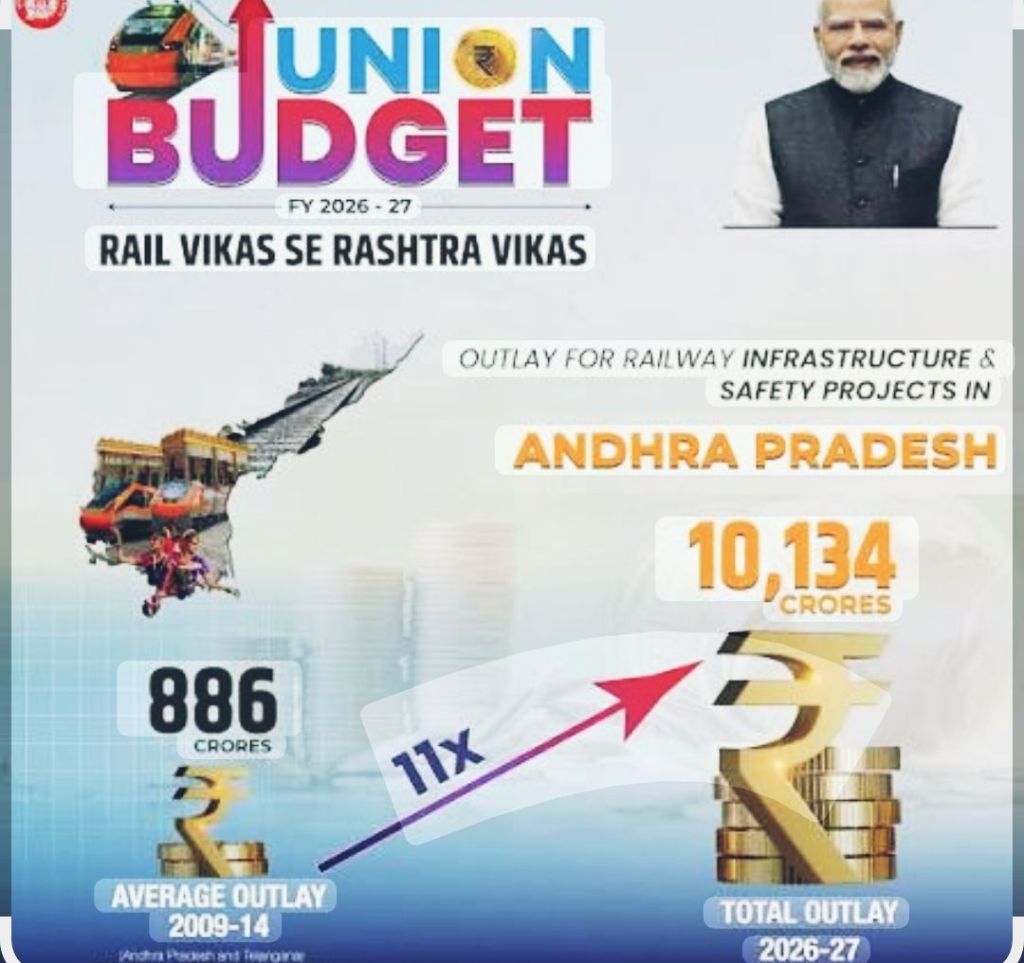
Tourism and ecology add another understated dividend. By highlighting Araku and Pulicat within a national framework for sustainable eco-tourism, the budget places Andhra Pradesh alongside Himalayan and Western Ghats states in a new green-growth narrative.
This is not ornamental tourism policy. It integrates livelihoods, conservation, and regional branding, opening space for hospitality, transport, and service-sector growth without ecological overreach. In a country where tourism often oscillates between neglect and overexploitation, this calibrated approach matters.

What distinguishes Andhra Pradesh’s gains in this budget is that they are embedded, not transactional. There was no dramatic “special package,” no headline-grabbing lump-sum announcement. Instead, there was continuity—across irrigation, capital development, industrial corridors, logistics, renewables, digital infrastructure, and sustainable tourism. In budgetary politics, predictability beats populism. Investors, multilateral lenders, and long-gestation projects value coherence far more than episodic generosity.
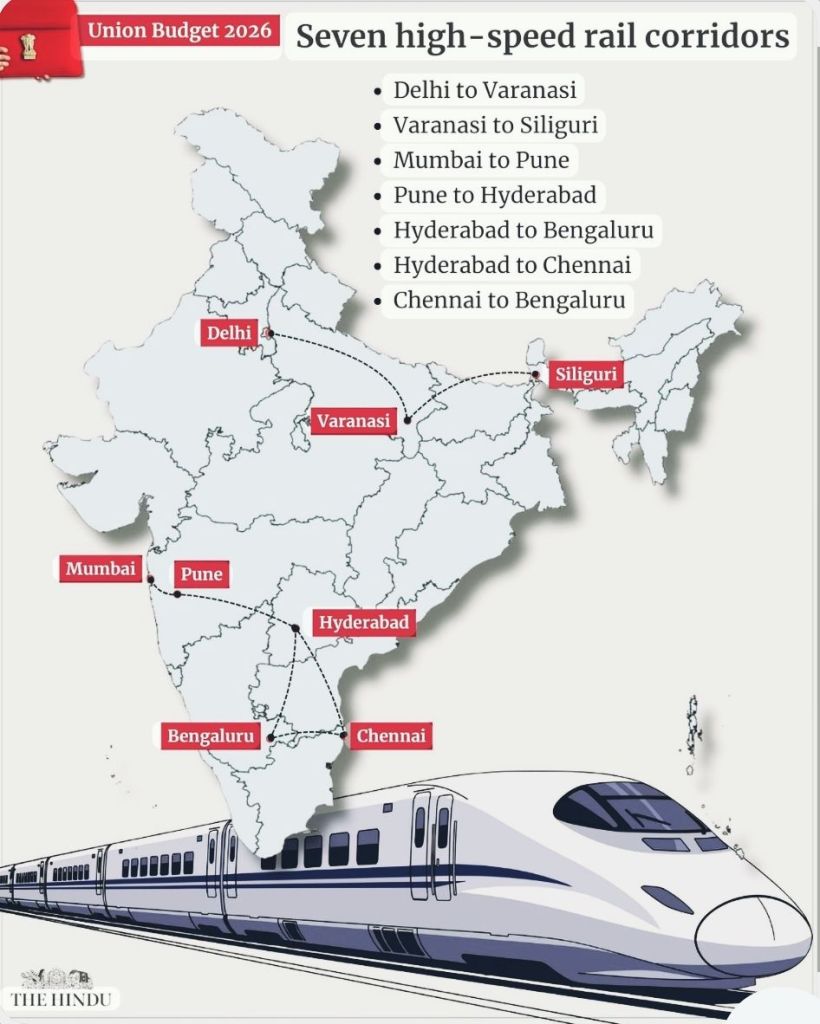
Chief Minister N. Chandrababu Naidu and IT Minister Nara Lokesh were quick to frame the budget as balanced and future-ready, and that assessment holds analytical weight. Andhra Pradesh stands to benefit disproportionately from the budget’s structural priorities: electronics manufacturing, data centres, renewable energy, logistics, high-speed connectivity between growth nodes, and tourism anchored in sustainability. These are not peripheral sectors for the state; they are its declared growth engines.

In sum, Andhra Pradesh did not receive a loud budget—but it received a listening one. In a coalition era where credibility is capital and alignment is currency, the state appears to have secured something more durable than spectacle: integration into India’s next growth cycle. The real test, as always, will lie in execution. But if intent translates into action, this quiet budget—spoken in Morse code rather than megaphones—may, in hindsight, mark Andhra Pradesh’s most consequential central backing in a decade.
Visit arjasrikanth.in for more insights
 SOCIAL PERSPECTIVES