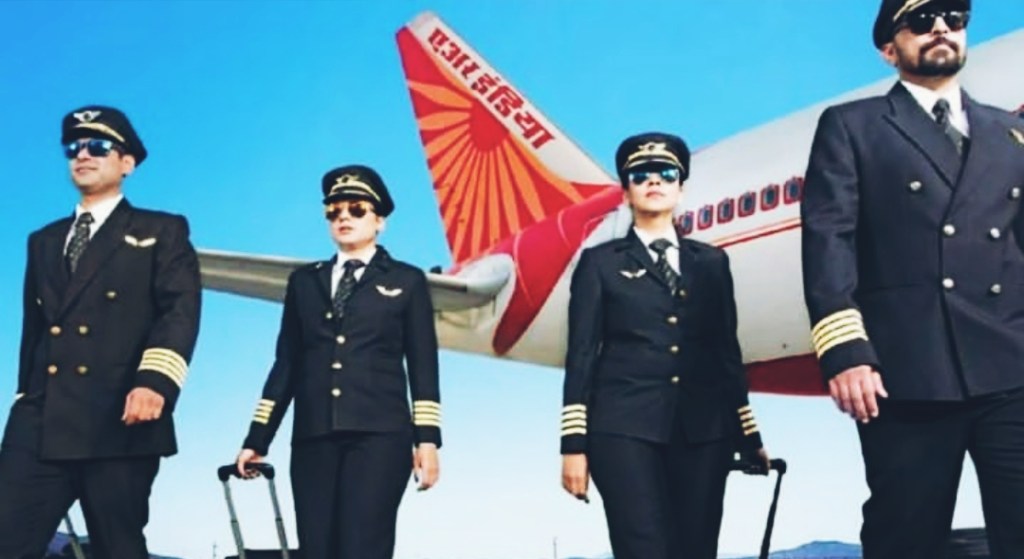
If one wishes to understand the fragility of modern capitalism, it is no longer sufficient to study obscure start-ups quietly incinerating venture capital. The real diagnostics lie in the distress of icons—institutions presumed immune because they possess pedigree, patience, and prodigious balance sheets. When a national airline bleeds over a billion dollars, when private equity stalks sports franchises like distressed steel plants, and when even the world’s most valuable corporations require tens of billions merely to stay solvent, one truth becomes unavoidable: scale no longer guarantees stability. Air India, resurrected under the Tata Group amid national emotion and international applause, is rapidly emerging as a textbook example of how privatization can inherit ownership without inheriting freedom.
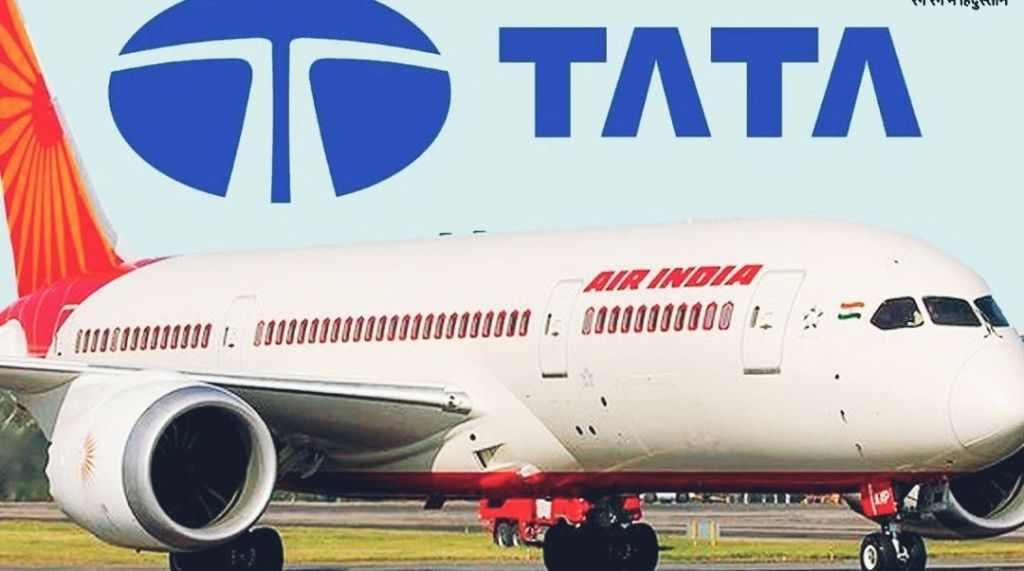
India’s flag carrier is expected to post net losses of at least $1.6 billion in FY2026—roughly ₹15,000 crore. This is not a routine cyclical setback in an industry accustomed to turbulence; it is a strategic rupture from expectation. When Tata Sons reacquired Air India in 2022, the promise was intoxicating. Bureaucratic drift would give way to professional management, political improvisation would be replaced by patient capital, and global partnerships would finally liberate the airline from decades of state-induced inertia. A rebranded identity, record-breaking aircraft orders, the Vistara integration, and confident projections of breakeven by March 2026 suggested a decisive break from the past. Today, that narrative is wobbling uncomfortably at cruising altitude.
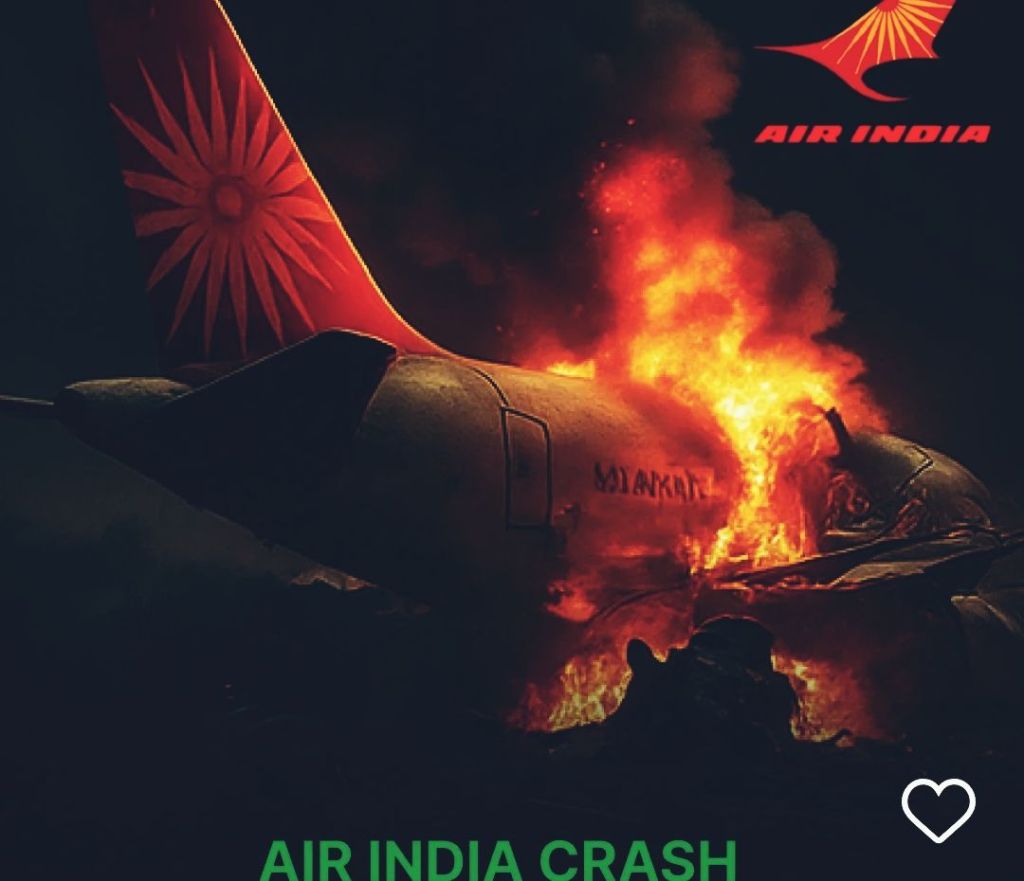
The June 2025 Boeing 787 Dreamliner crash near Ahmedabad was, first and foremost, a human tragedy of devastating proportions—one of the worst aviation disasters India has witnessed in decades. But it also triggered a financial and reputational shock that no balance sheet could absorb without lasting damage. More than 240 lives lost, insurance premiums expected to double, lawsuits filed in London with potential liabilities running into hundreds of millions of dollars, and a profound operational disruption erased years of fragile progress in a matter of weeks. What was meant to be a turnaround year became a reset year—if not an institutional reckoning. A revised five-year plan projecting profitability only by the third year reportedly failed to reassure the board, while Tata and Singapore Airlines were asked to inject at least another ₹10,000 crore simply to keep the airline airborne.

Yet attributing Air India’s predicament solely to tragedy would be intellectually evasive. The deeper discomfort lies elsewhere. The airline’s struggles expose a structural truth that polite boardroom conversations often avoid: Air India may be privately owned, but it still operates inside a government-designed aviation cage. Pakistan’s prolonged closure of airspace to Indian carriers forces longer westbound routes to Europe and North America, adding hours to flight times and sharply inflating fuel costs—an unhedgeable geopolitical tax imposed on Indian airlines. Aviation turbine fuel remains among the most heavily taxed in the world. Airport charges are high, leasing norms complex, dispute resolution painfully slow, and policy predictability episodic at best.
These are not failures of management. They are failures of the ecosystem.
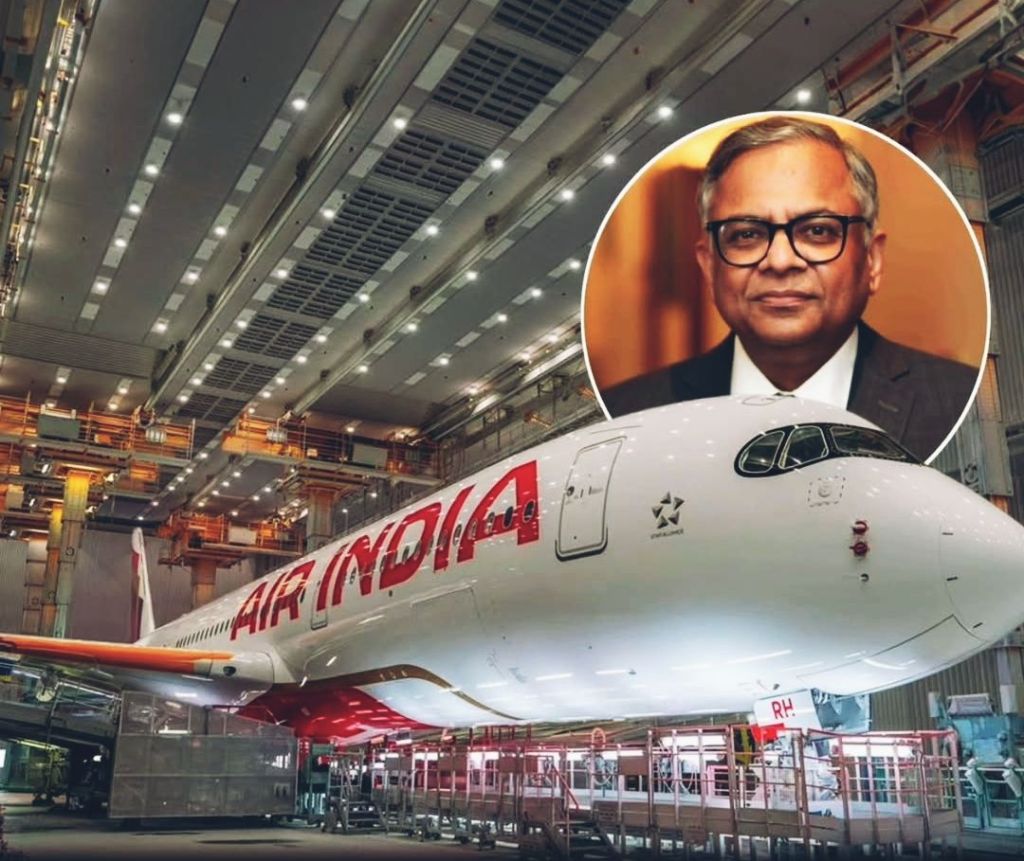
What makes Air India’s case particularly unsettling is how privatization has failed to insulate the airline from its own institutional memory. Internal surveys reportedly suggest that nearly two-thirds of employees believe “nothing meaningful has changed.” Legacy work practices endure, unions continue to influence productivity outcomes, and internal administration often feels like an extension of the state—new logos pasted onto familiar files. Aging widebody aircraft operate alongside brand-new A350s, producing wildly inconsistent passenger experiences. Spare-parts shortages persist, service standards oscillate, and the cultural friction between bureaucratic habits and corporate efficiency shows little sign of resolution. Leadership churn only compounds uncertainty, with reports that Tata is already scouting for a new CEO pending the crash investigation’s conclusions.
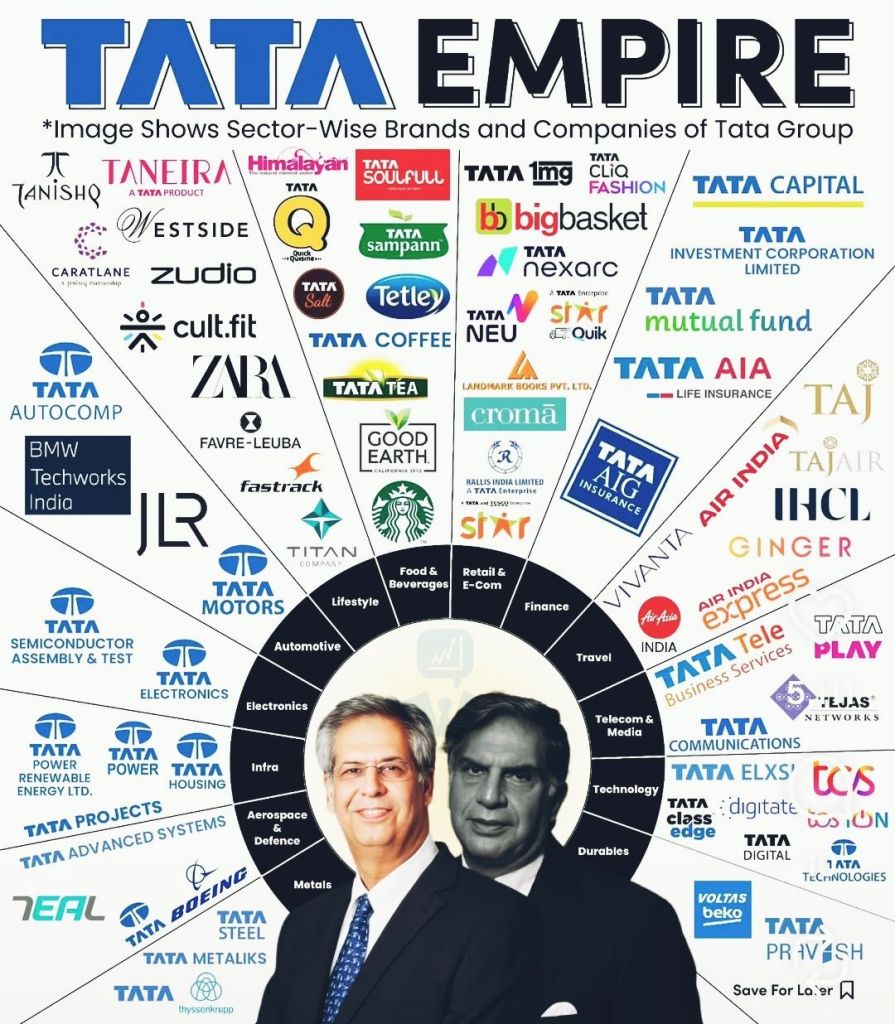
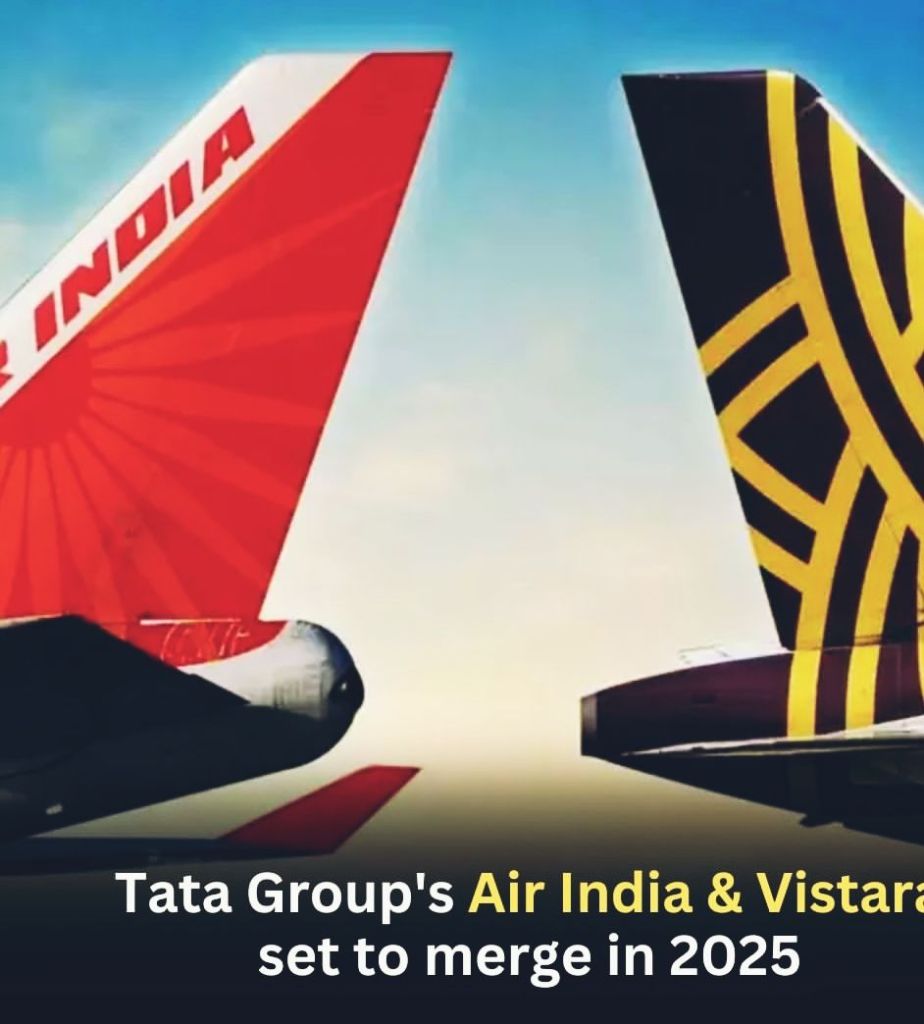
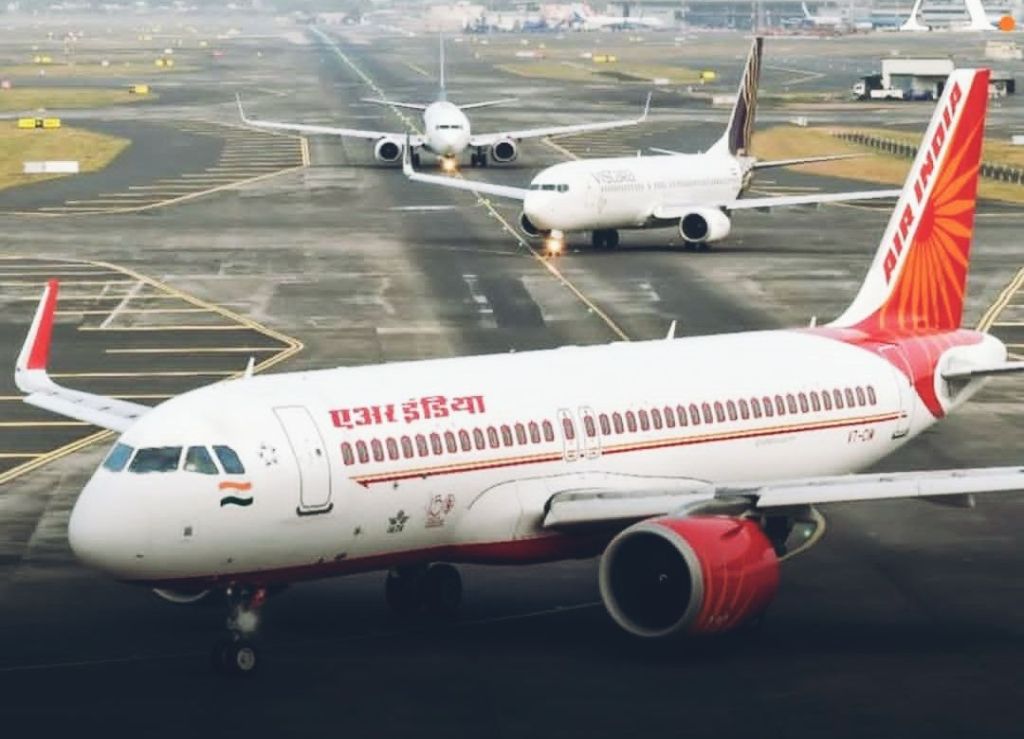
The uncomfortable truth is this: Air India today resembles less a transformed private airline and more a public sector enterprise in a tailored suit. Ownership has changed, but the regulatory umbilical cord has not been cut. The airline is attempting one of the most complex integrations in global aviation—merging Air India, Vistara, Air India Express, and AIX Connect—while simultaneously flying full schedules, inducting hundreds of aircraft, retrofitting cabins, retraining staff, and rebuilding passenger trust. It is, quite literally, rebuilding the aircraft while it is still in the air.
This story reflects a broader macroeconomic unease. India aspires to create global champions, yet continues to govern critical sectors through ad hoc rules, political sensitivities, and reactive policymaking. Aviation is treated less as core economic infrastructure and more as a regulatory experiment. Fuel taxes vary arbitrarily across states, airspace access remains hostage to geopolitics, and Indian airlines are expected to compete with Middle Eastern carriers that enjoy structural advantages policymakers are reluctant to acknowledge. In such an environment, management excellence becomes necessary—but fundamentally insufficient.
The lesson from Air India is therefore uncomfortable but unavoidable. Privatization alone does not repair structurally distorted sectors. You can hand the cockpit to the best pilots in the world, but if the weather radar is unreliable and air traffic control keeps changing instructions mid-flight, turbulence is inevitable. Indian aviation needs standardized, transparent, and predictable regulation—rational fuel taxation, stable airspace policies, faster dispute resolution, competitive airport charges, and leasing norms aligned with global best practices.
Rescuing Indian aviation is not about bailing out airlines. It is about repairing the ecosystem in which they operate. Without that correction, even the Tata Group—with its credibility, capital, and intent—will continue to battle headwinds that no amount of managerial discipline can overcome. If Air India struggles, it is not an anomaly. It is a warning. In modern India, even private icons can crash if the system itself is flying blind.
Visit arjasrikanth.in for more insights
 SOCIAL PERSPECTIVES