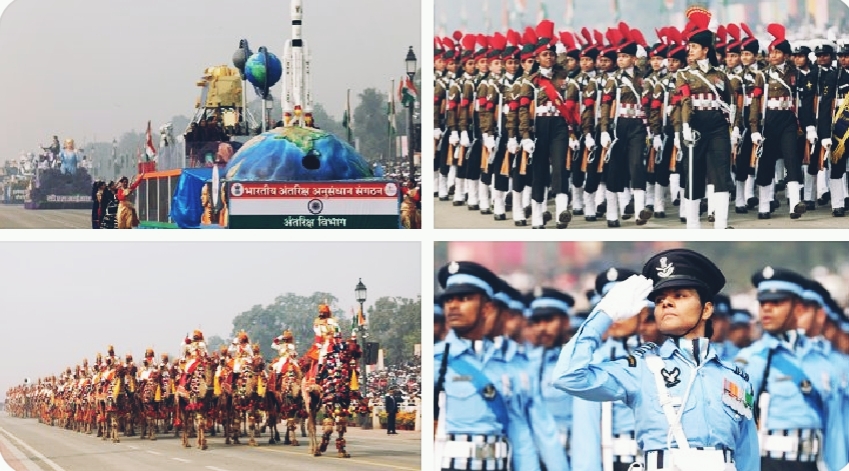
Republic Day is not a ritual of uniforms, gun salutes, or rehearsed grandeur; it is India’s annual audit of its own conscience. On 26 January 1950, a bruised yet unbroken nation made a decision rarer than freedom itself—to place law above impulse, institutions above individuals, and rights above rulers. It was an audacious wager in a world sceptical of post-colonial democracy. Every Republic Day since has been a recommitment to that gamble. In 2026, as the Republic enters its 76th year, remembrance matures into responsibility, and pride is tested against purpose.
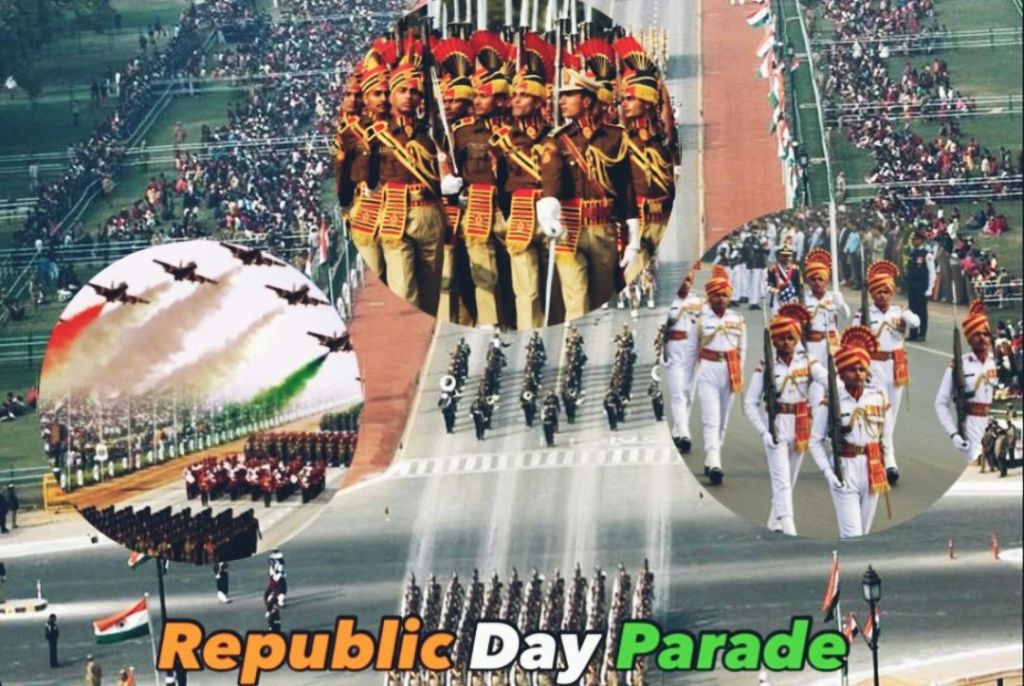
The Constitution transformed India from a civilisational entity into a modern republic without erasing its plural soul. Republic Day therefore celebrates unity without uniformity and diversity without dilution. It reminds us that democracy is not inherited like property; it is practiced like a discipline. Each generation must relearn it, renegotiate it, and defend it. In 2026, that practice is framed by a forward-looking national imagination—Viksit Bharat 2030—linking constitutional morality to developmental ambition and situating today’s governance within the longer arc toward a developed India by 2047.
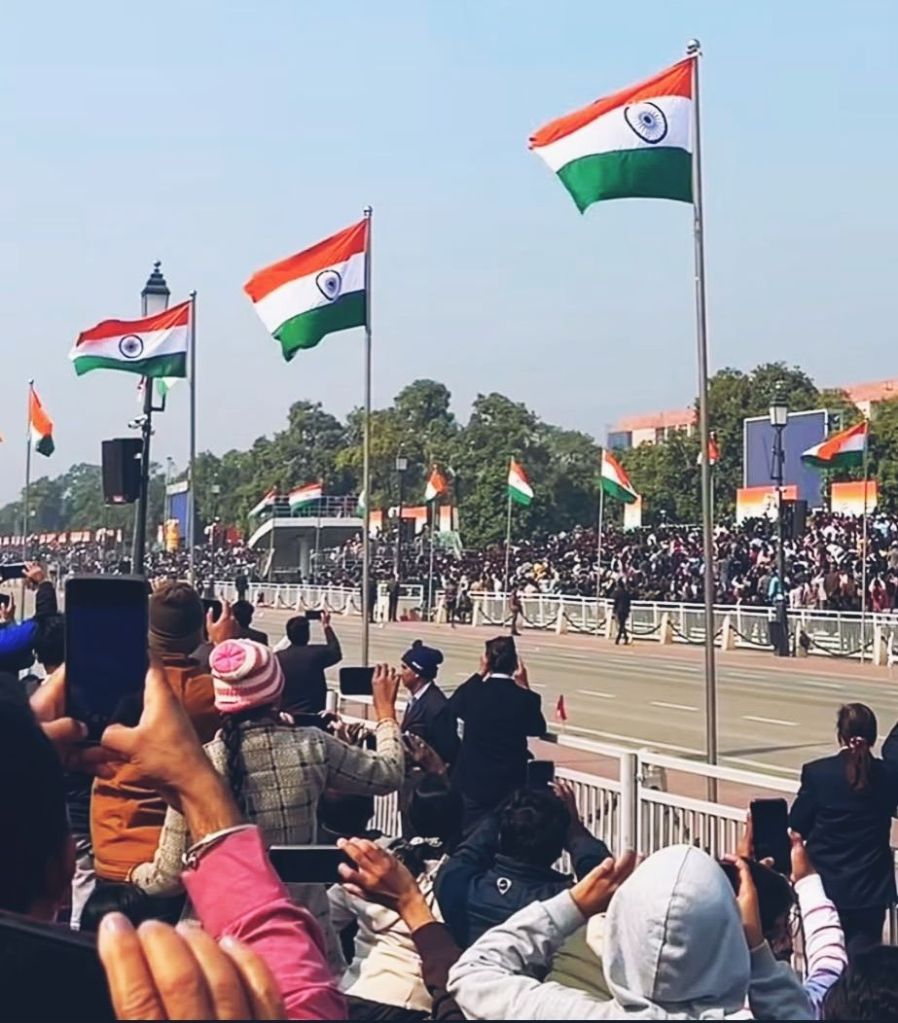
Kartavya Path, replacing Rajpath, is more than symbolic urban redesign; it is philosophical course correction. Duty replaces dominion, citizenship displaces colonial spectacle. The parade becomes narrative rather than noise. Digital India connects the remotest villages; women-led development redraws economic hierarchies; a Green Energy transition reshapes skylines and balance sheets alike. Indigenous defence platforms—from advanced fighter aircraft to autonomous drone systems—signal a republic confident in its capabilities yet disciplined in the use of power. The presence of a chief guest from the Global South reinforces India’s evolving global posture: partnership over patronage, credibility over coercion.
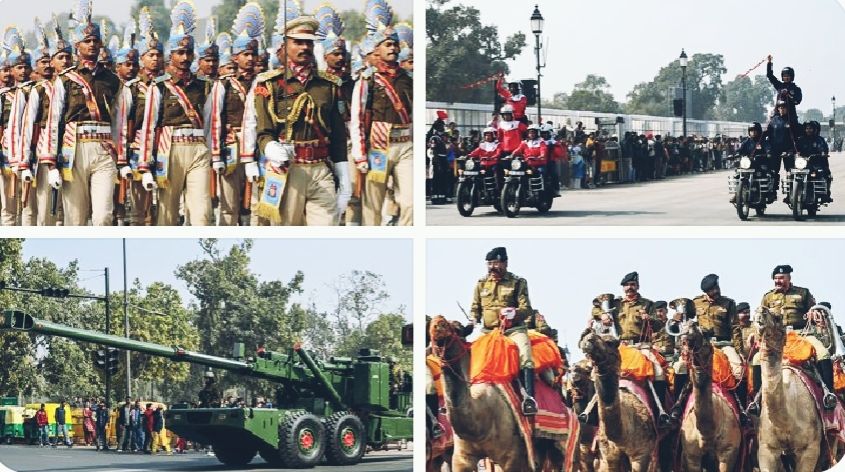
What sets Republic Day 2026 apart is its insistence on participation rather than performance. Ten thousand students marching after nationwide constitutional literacy competitions is not choreography—it is civic pedagogy in motion. Augmented and virtual reality experiences turn spectators into learners, collapsing the distance between the Constitution and everyday life. A Green Republic pledge—26 lakh saplings and environmentally sensitive celebrations—ties nationalism to stewardship of nature. By honouring ASHA workers, grassroots innovators, sustainable farmers, and Olympic medalists, the Republic widens its definition of heroism. Authority is acknowledged, but endurance is celebrated.
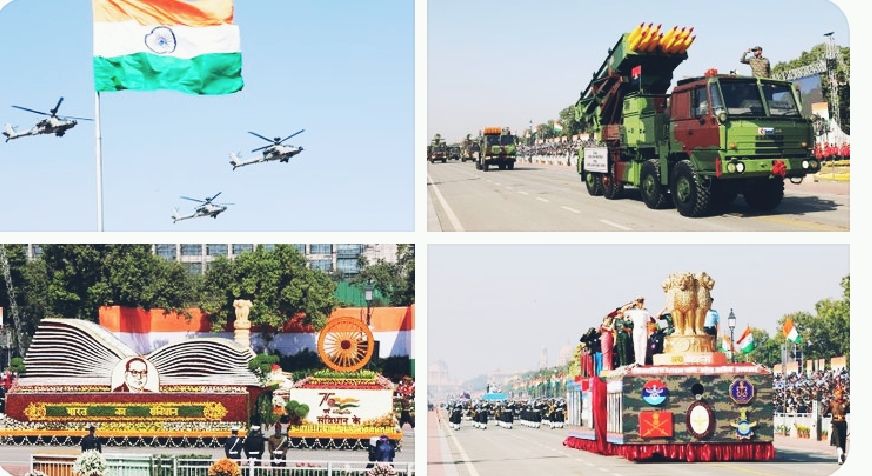
These celebrations reflect India’s material and institutional trajectory by 2026. A rapidly consolidating position as the world’s third-largest economy; a digital public infrastructure anchored by Aadhaar, UPI, and open networks; highways, Vande Bharat trains, ports, and metro systems stitching regions into a single economic geography; renewable capacity racing toward the 500-GW milestone; and space achievements—from Gaganyaan to deepened global collaboration—project a republic that builds at scale. This is not triumphalism; it is evidence of a system that learns, corrects, and persists.
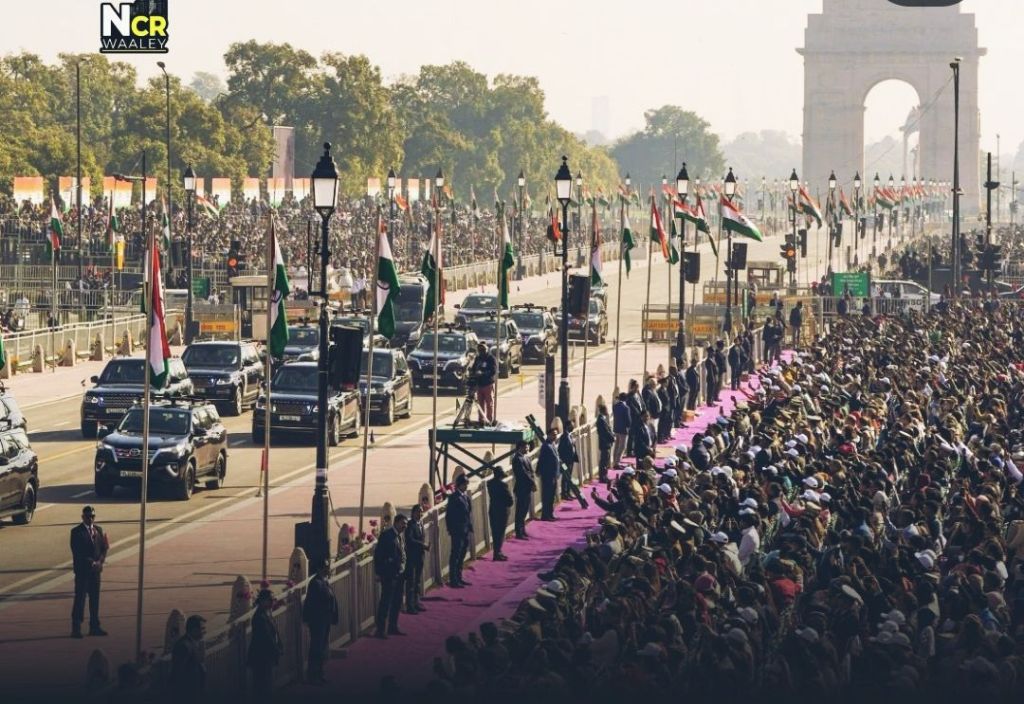
Yet Republic Day earns its seriousness by confronting what remains unfinished. Inequality strains the social contract; unemployment tests a young nation navigating automation and artificial intelligence; environmental stress questions the sustainability of growth; social harmony demands constant, patient stewardship; healthcare and education require deeper investment and sharper outcomes. The Constitution does not promise comfort. It promises equality before law and opportunity through the state. The Republic’s credibility depends on how honestly and effectively these gaps are closed.
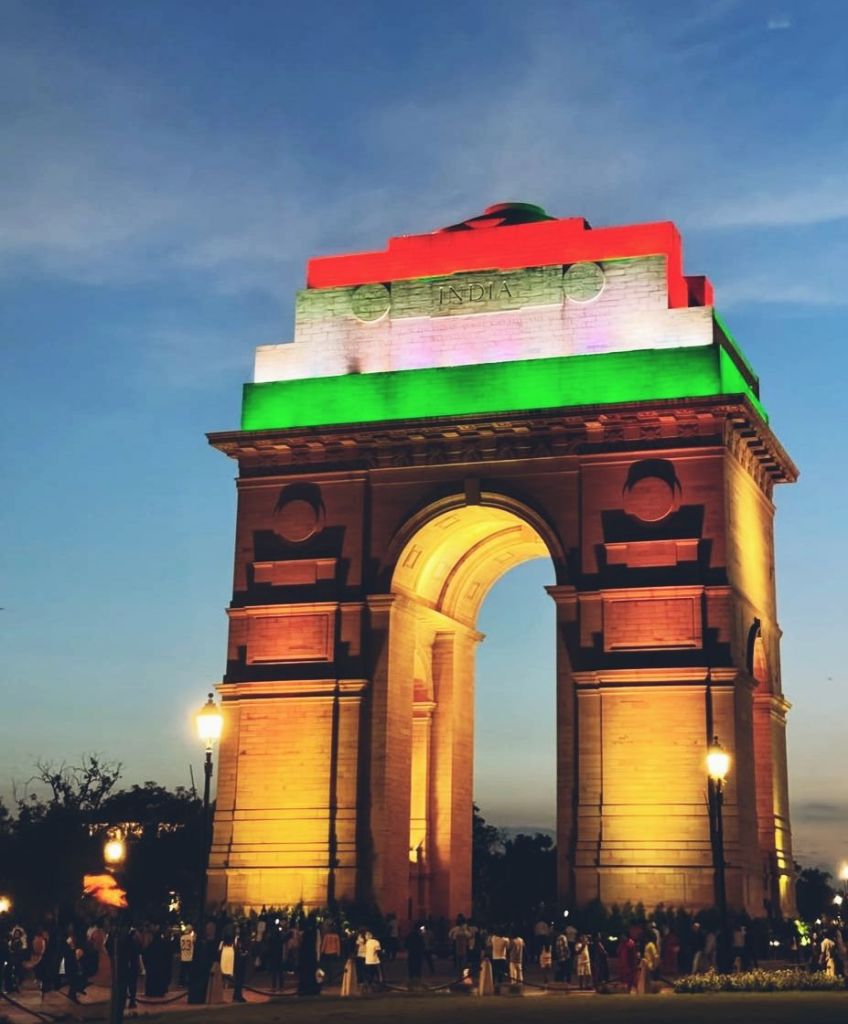
The road ahead is demanding but unmistakable. Inclusive growth must replace faith in trickle-down economics, with skilling, MSME support, and universal healthcare as central pillars. Innovation cannot remain episodic; R&D spending must approach 2% of GDP so ideas translate into livelihoods. A green transition—solar leadership, green hydrogen, climate-resilient agriculture—must reconcile prosperity with planetary limits. Democratic renewal through transparency, judicial efficiency, and active citizenship must keep institutions worthy of public trust. Globally, India’s advocacy for the Global South must combine moral voice with measurable delivery.
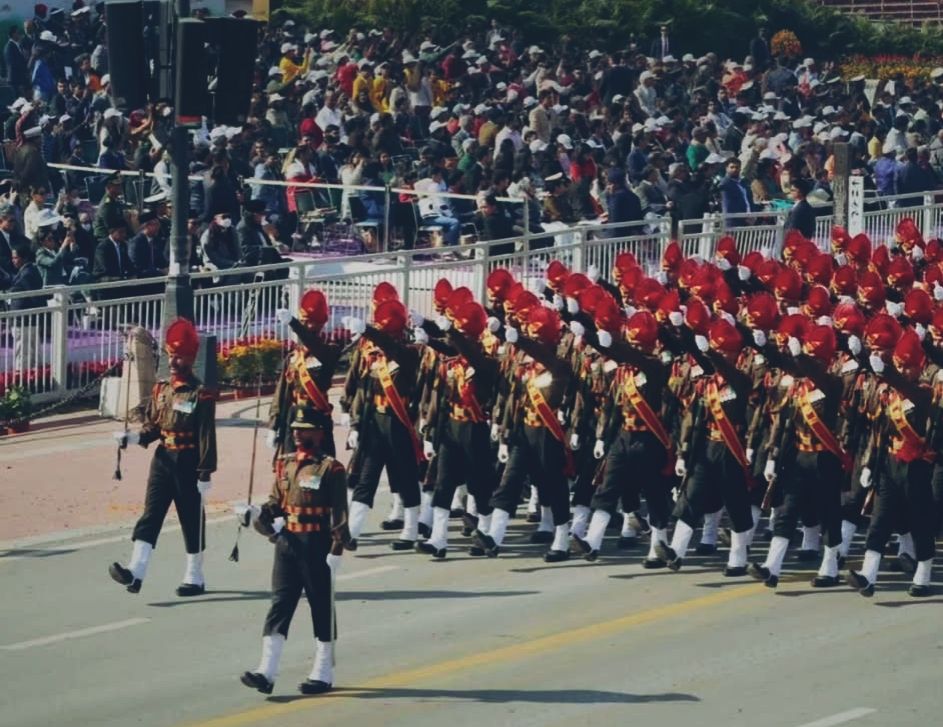
To make Republic Day memorable is to make it meaningful. A nationwide constitutional oath, immersive digital access for the diaspora, heritage walks retracing freedom’s footsteps, and a documentary chronicling India’s Constitutional Journey: 1950–2026 can convert celebration into civic action. Imagine a tableau of a Net-Zero Smart Village—solar-powered, digitally literate, women-led—where tradition fuels innovation. That single image captures the Republic’s promise better than any flypast.
Dr. B.R. Ambedkar warned that the Constitution is only as good as the people who operate it. Republic Day 2026 asks us not merely to admire the vehicle, but to drive it wisely. Celebrate the past, act in the present, and build the future—because the Republic does not survive on spectacle. It survives on citizens. Jai Hind.
Visit arjasrikanth.in for more insights
 SOCIAL PERSPECTIVES