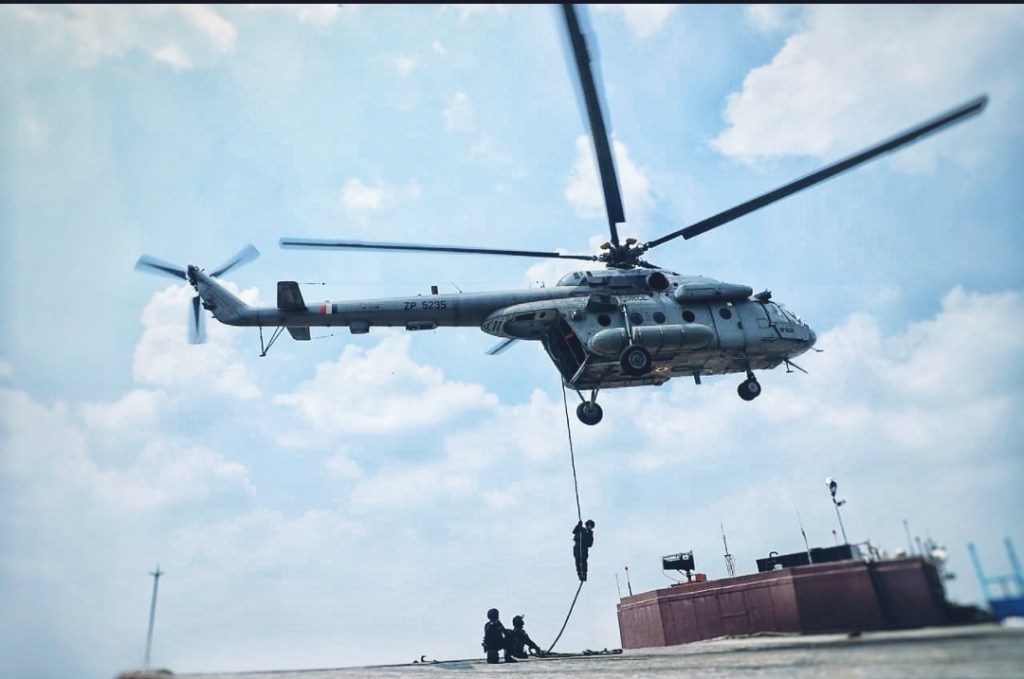
If the Indian state has a final emergency switch—pulled only when failure is not an option—it is the National Security Guard. Conceived in 1984 amid profound national shock, the NSG was not designed for routine law enforcement or ceremonial presence. It was institutional memory turned into force: a recognition that terrorism, hijacking, and high-risk political violence require a response that is precise, decisive, and constitutionally anchored. Four decades on, the NSG has evolved from a reactive necessity into a structural pillar of India’s internal security architecture.
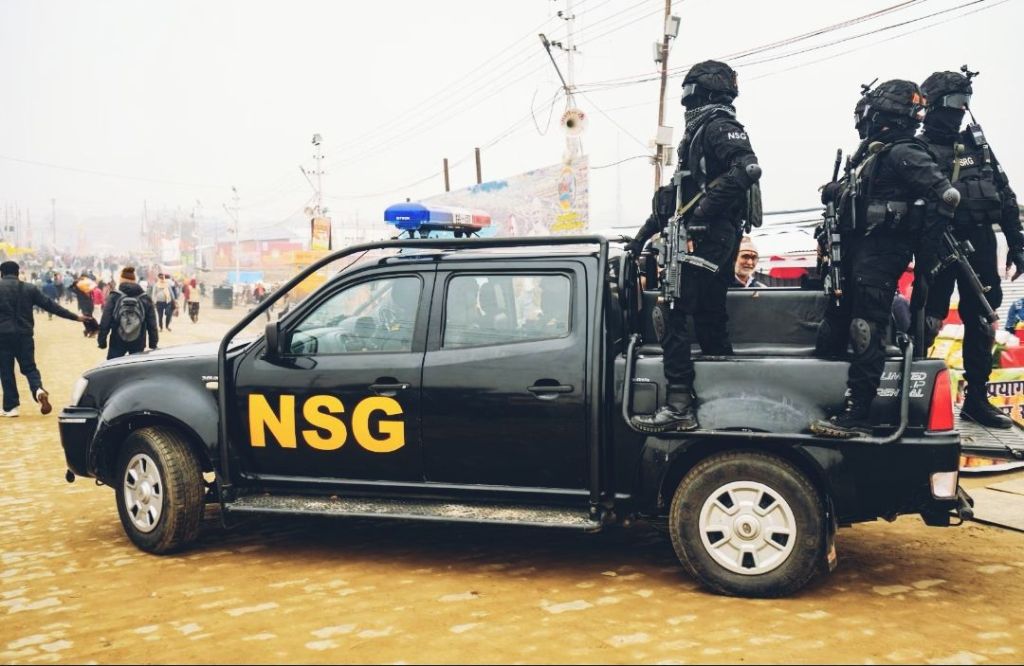
What sets the NSG apart is not just its elite aura, but the nature of its mandate. Counter-terrorism in civilian spaces, counter-hijacking in confined environments, bomb disposal under extreme time pressure, and proximate protection of high-value national figures demand judgment more than brute force. These missions tolerate no doctrinal rigidity. They require adaptability, discretion, and an ethical discipline that balances lethal capability with democratic restraint. In a media-saturated age where every action is scrutinised in real time, the NSG must be decisive without spectacle and effective without applause.

VIP protection, often trivialised as protocol duty, is in reality one of the most cognitively demanding security functions in the world. The NSG does not merely protect individuals; it safeguards institutional continuity. Every movement of a national leader compresses multiple threat vectors—crowds, rooftops, vehicles, drones, chemical risks—into moments of intense vulnerability. Success is measured by absence: nothing happens. Failure, even hypothetical, carries consequences far beyond the immediate scene. There is no front line, only proximity, unpredictability, and absolute accountability.
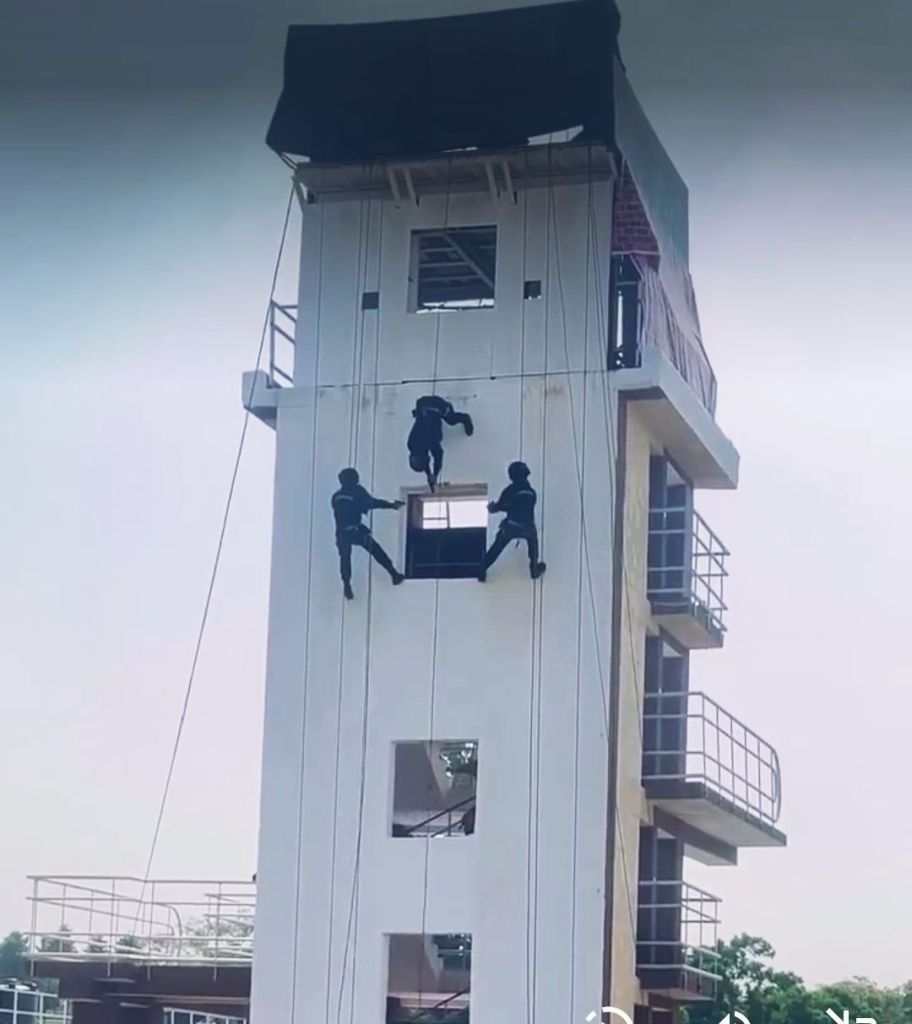
The contemporary threat environment has multiplied the NSG’s challenges. India’s cities are denser, vertical, and digitally exposed. Drone technology has flattened access to aerial threats, while social media has collapsed the gap between intelligence, perception, and panic. Simultaneously, the political sensitivity surrounding the use of force has intensified. Every tactical decision now has legal, political, and reputational afterlives. Few elite forces globally operate under such layered scrutiny while being expected to deliver zero-error outcomes.
The NSG’s ability to function under these constraints rests on its unforgiving training ecosystem and hybrid structure. Drawn from the Army and Central Armed Police Forces, its operators arrive experienced—but most do not clear probation. Physical endurance is merely the gateway; psychological resilience is the real filter. Training is designed to break hesitation, compress decision-making, and align instinct with mission under extreme stress. The Army contributes combat depth; the CAPFs bring urban and internal security expertise. This fusion reflects India’s reality, where threats defy neat military–civilian boundaries.
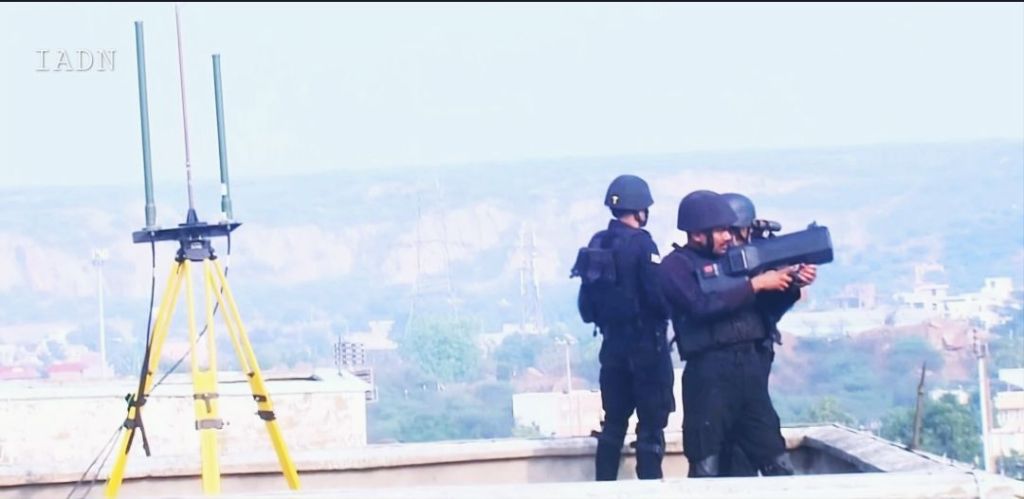
Yet elite capability alone is not enough. The NSG’s future effectiveness hinges on intelligence fusion, inter-agency coordination, and sustained modernisation. Counter-drone systems, advanced surveillance, cyber-physical threat integration, and institutionalised psychological support are no longer optional. As terrorism mutates into hybrid warfare and India’s global profile rises, the NSG becomes more than a response force—it becomes a strategic deterrent. Operating silently between chaos and continuity, the Black Cat does not merely save lives; it ensures that the Republic survives its most dangerous seconds.
Visit arjasrikanth.in for more insights
 SOCIAL PERSPECTIVES