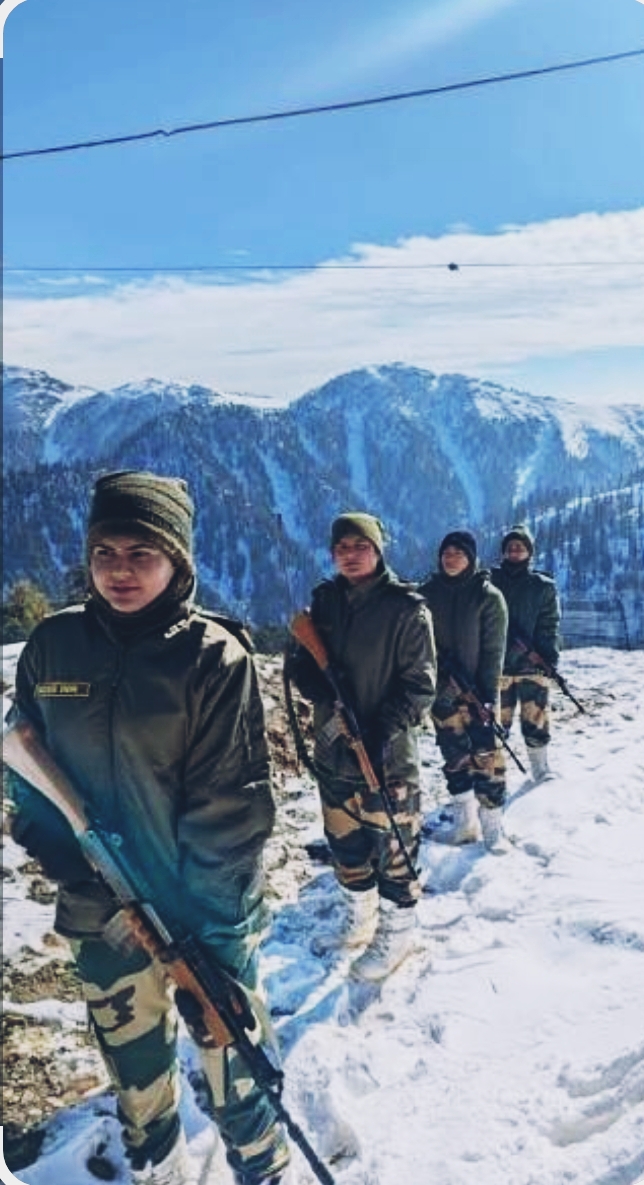
If India is a civilisation stitched together by law, culture, and consent, then its borders are the fragile seams—and the Border Security Force is the unseen hand that keeps them from tearing apart. Conceived in 1965, in the aftermath of a war that brutally exposed the inadequacies of India’s frontier management, the BSF was not born of celebration but of strategic awakening. Six decades later, it stands as the world’s largest border guarding force—India’s first shield in peacetime and its most enduring expression of sovereignty. Its work is neither cinematic nor episodic. It is continuous, personal, and relentlessly real.
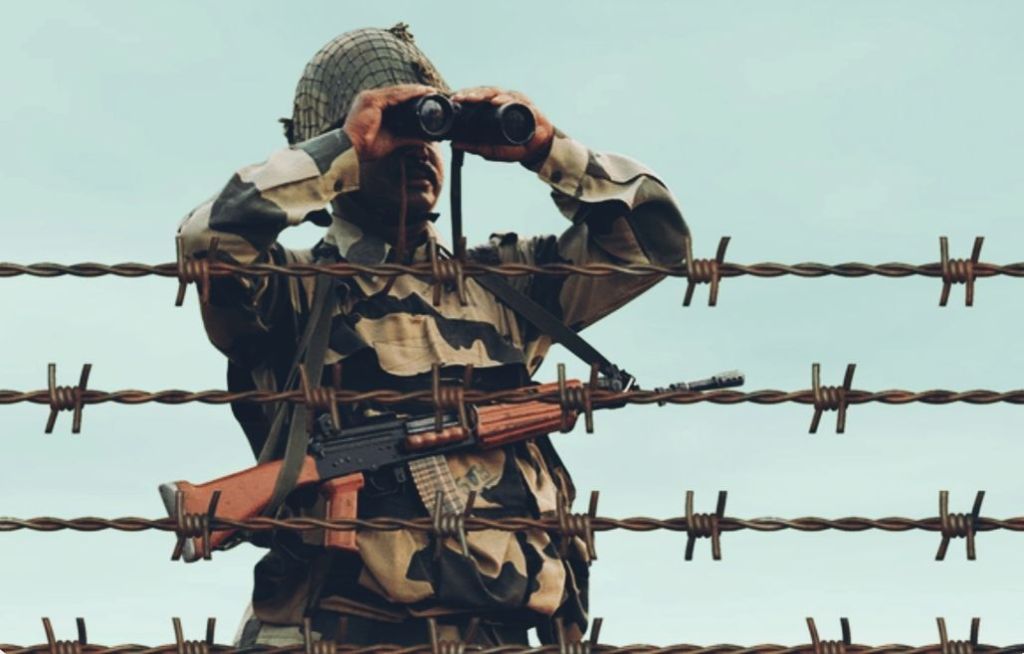
India’s borders are not inert lines on a map. They are living, shifting spaces shaped by hostile geography, restless rivers, dense jungles, and volatile geopolitics. Over 6,300 kilometres along the Pakistan and Bangladesh frontiers demand unbroken vigilance across terrains that actively resist human presence. In the Thar desert, BSF personnel patrol under temperatures exceeding 50 degrees Celsius, where water is rationed and sandstorms erase both visibility and bearings. Along the eastern borders of Bengal and Assam, they navigate flooded plains, snake-infested marshes, and riverine boundaries that literally migrate with every monsoon. In Jammu & Kashmir and the Northeast, forests and mountains conceal insurgent threats, smuggling routes, and shifting allegiances. Technology supports—but it is human presence that ultimately decides.
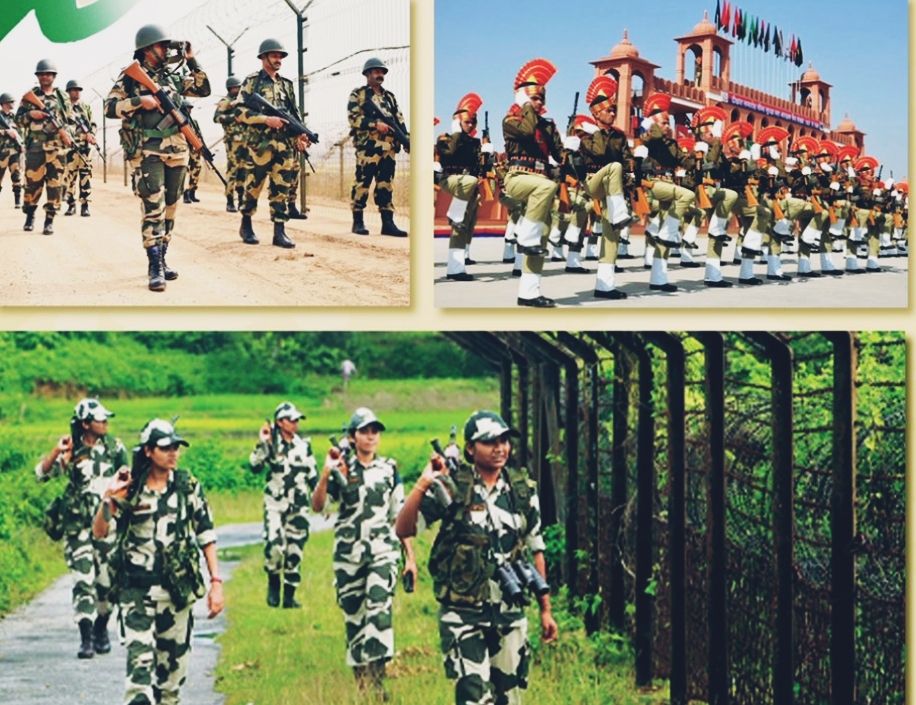
The strategic value of the BSF lies not in spectacle but in prevention. Its success is measured by absence: infiltrations that fail, weapons that never reach cities, narcotics that never poison youth, crises that never escalate. Unlike conventional military forces designed for decisive, time-bound engagements, the BSF exists to deny conflict its opening move. This demands discipline without applause, vigilance without adrenaline, and restraint stretched across long months of monotony. It is not glamorous soldiering; it is constitutional endurance in uniform.
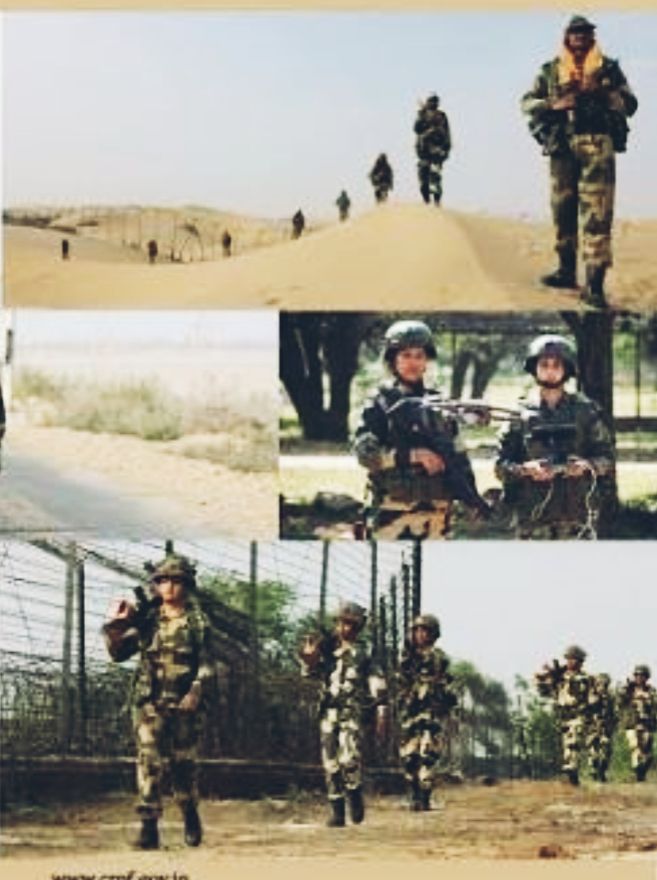
Beneath this operational stoicism lies a profound and often invisible human cost. BSF personnel live lives defined by distance. Families remain hundreds or thousands of kilometres away—sometimes for years. Children grow up through photographs and voice calls. Spouses become single-handed managers of households. Parents age without daily care. Leave is scarce, communication unreliable, and many border outposts still lack basic living comforts. This hardship is not incidental; it is structural. Service to the Republic repeatedly requires stepping away from private life—and doing so without complaint.
The psychological toll is as exacting as the physical one. Border duty is a study in contradiction: long hours of stillness punctured by moments requiring instant, lethal judgment. Smugglers fire from across borders, drones drop contraband with impunity, and IEDs lurk along familiar patrol routes. Every decision is weighed not only tactically but legally, politically, and diplomatically. A single misstep can spiral into international consequence. The BSF must act firmly yet proportionately, decisively yet cautiously—a balance that no manual can teach and only experience can refine.
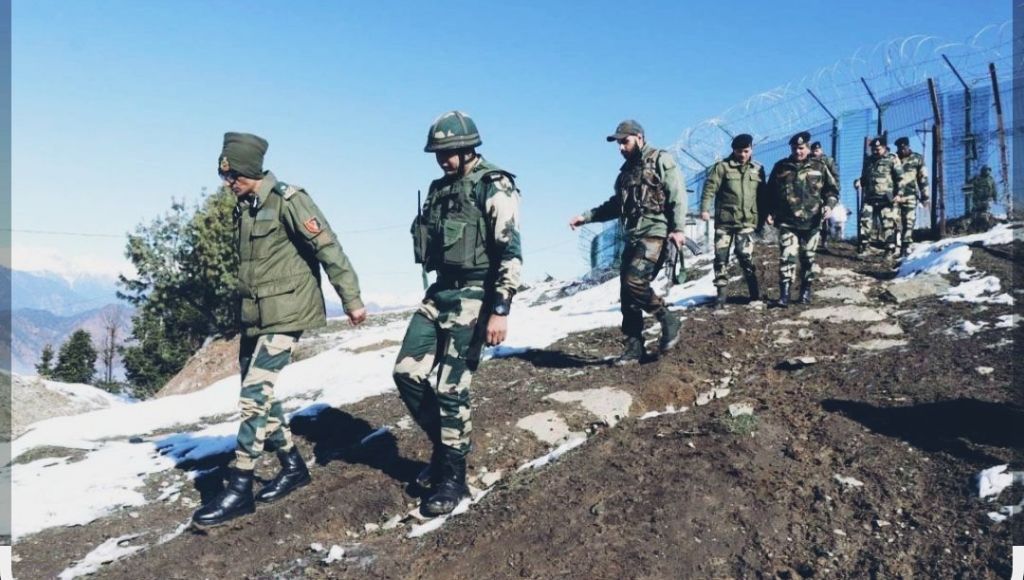
What sustains the force is its ethos. “Jeevan Paryant Kartavya” is not a slogan but a lived philosophy. In remote outposts, camaraderie replaces comfort and the unit becomes family. Personnel innovate relentlessly—adapting equipment to terrain, creating self-sufficient posts, and building trust with border communities. In many frontier regions, the BSF is the most visible arm of the state—providing medical aid, disaster relief, and reassurance to civilians living closest to uncertainty. In doing so, it transforms border populations from passive residents into active stakeholders in national security.
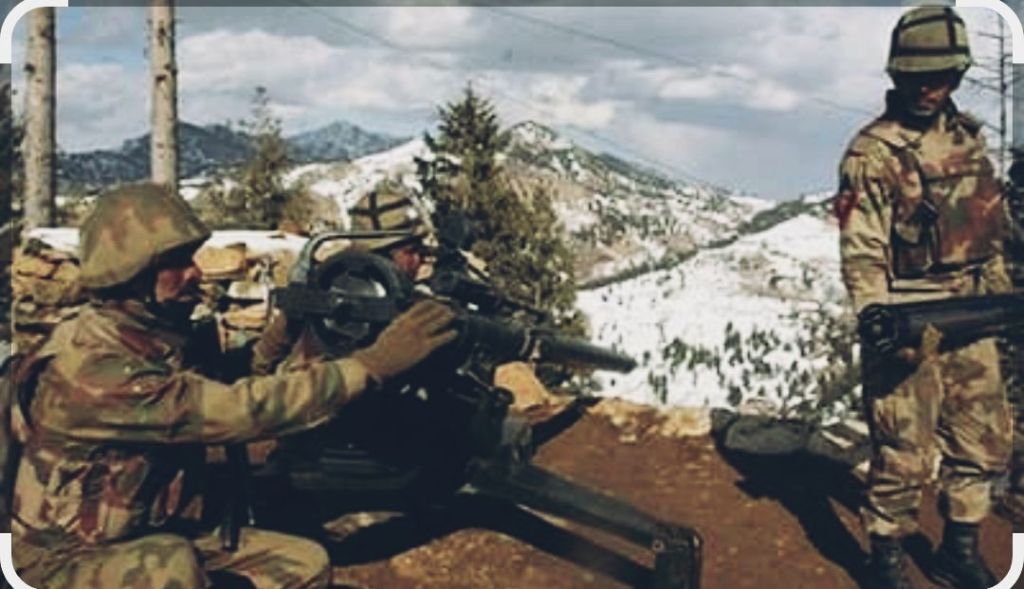
Yet the character of border threats is evolving rapidly. Infiltration today is not merely human; it is technological and networked. Drones, narco-terror syndicates, cyber-enabled logistics, and hybrid warfare have blurred the line between crime and conflict. The future of border security lies in intelligent integration—smart fencing, AI-driven surveillance, thermal imaging, UAVs, and real-time command systems that enhance precision while reducing human fatigue. But technology cannot replace the soldier. It must be matched with humane infrastructure: fortified yet livable outposts, assured power and water, accessible healthcare, and reliable digital connectivity that keeps personnel anchored to their families.
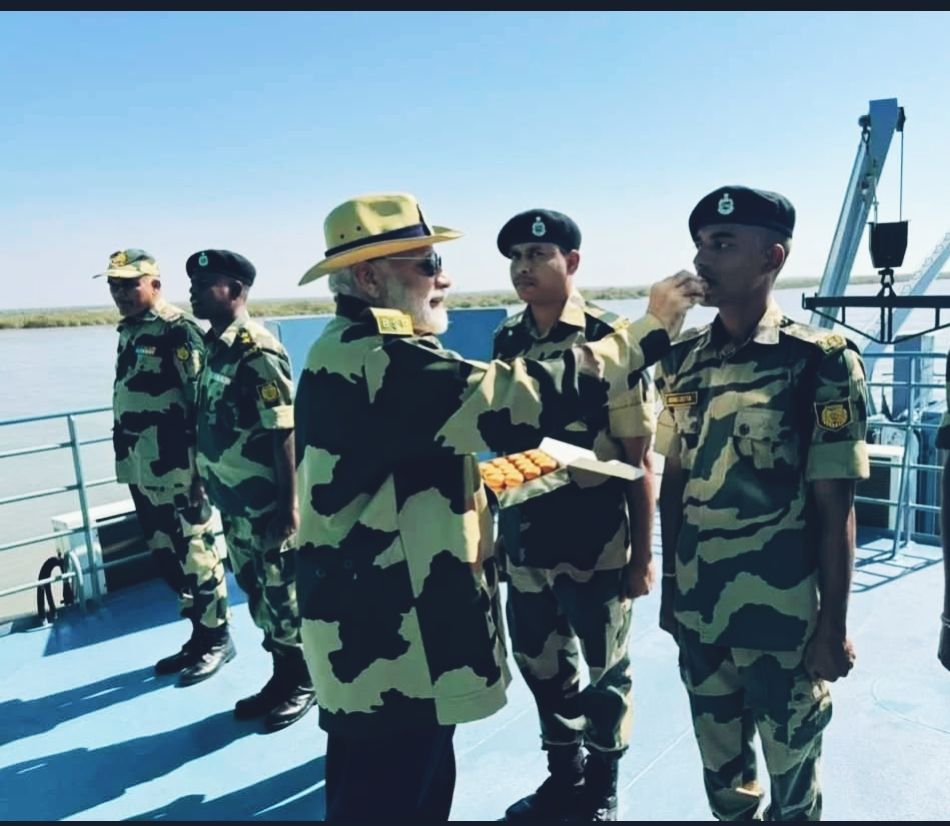
Equally vital are personnel-centric reforms. Predictable rotation cycles, mandatory decompression periods, institutionalised psychological support, and robust family welfare measures are not concessions—they are force multipliers. Education support for children, healthcare security for families, and stable housing policies directly influence morale and operational effectiveness. A stressed soldier does not secure borders better; a supported one does.
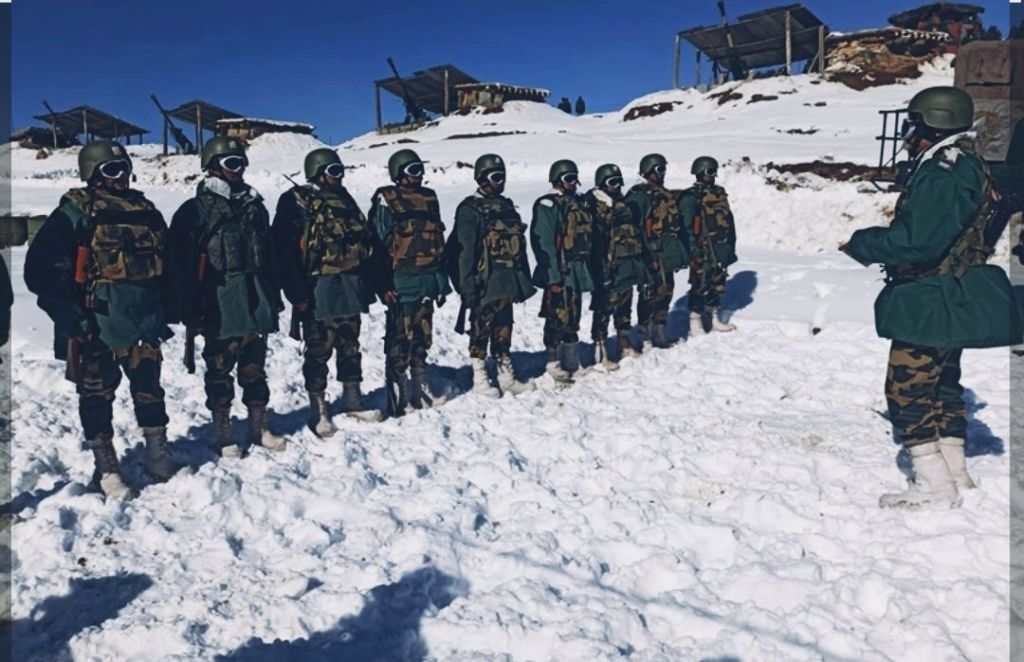
Border security also demands coherence beyond silos. Seamless intelligence sharing between the BSF, Army, state police, and intelligence agencies is indispensable. Community engagement in border villages—through development, trust-building, and communication—adds a human sensor layer no technology can replicate. Diplomacy, too, is part of security. Structured engagement with counterpart forces across borders helps manage friction and prevents tactical incidents from hardening into strategic crises.
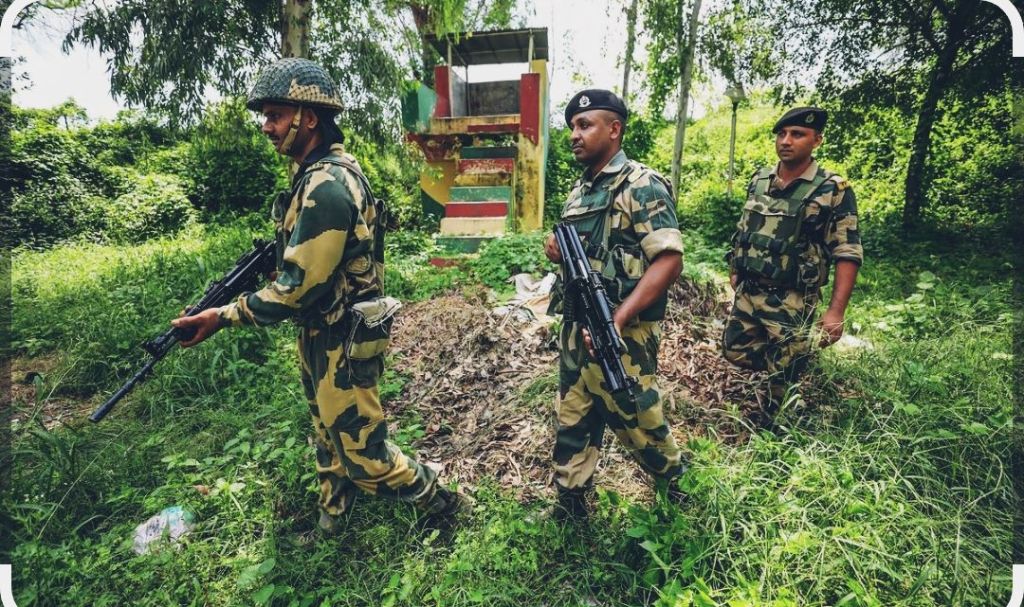
The Border Security Force does not merely guard territory—it guards time. It buys the nation peace one uneventful night at a time. Its personnel stand at the margins of the map so that the rest of India can live at the centre of normalcy. Recognising their contribution is not sentimentality; it is strategic realism. A secure Republic begins with secure borders—but sustainable border security begins with caring for those who stand watch while the nation sleeps.
Visit arjasrikanth.in for more insights
 SOCIAL PERSPECTIVES