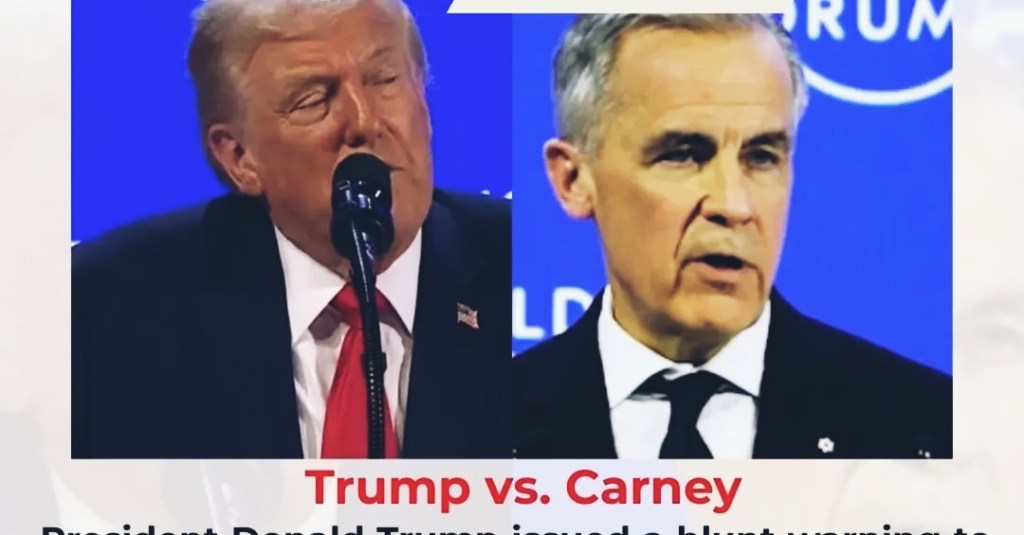
History rarely announces itself with a drumroll. More often, it slips into the record through a sentence that refuses to flatter power—or crashes in with the swagger of tariffs, threats, and strategic bravado. At Davos this week, the world heard both. Canadian Prime Minister Mark Carney delivered a speech that future students of geopolitics may read as a manifesto for middle powers in an age of fracture. Almost simultaneously, the President of the United States spoke of Greenland not as a people or polity, but as a strategic slab of ice—negotiable, purchasable, and, if necessary, coercible. Together, these interventions revealed not merely a clash of styles, but a philosophical rupture over power, sovereignty, and the future of the global order.
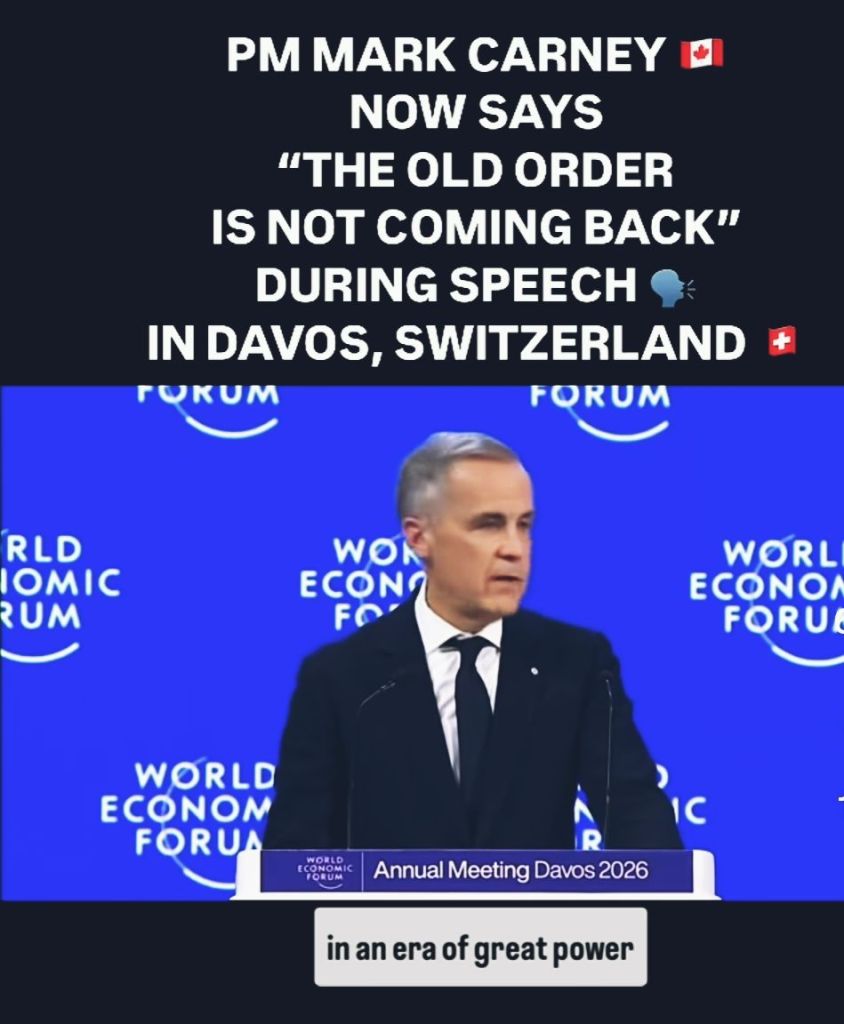
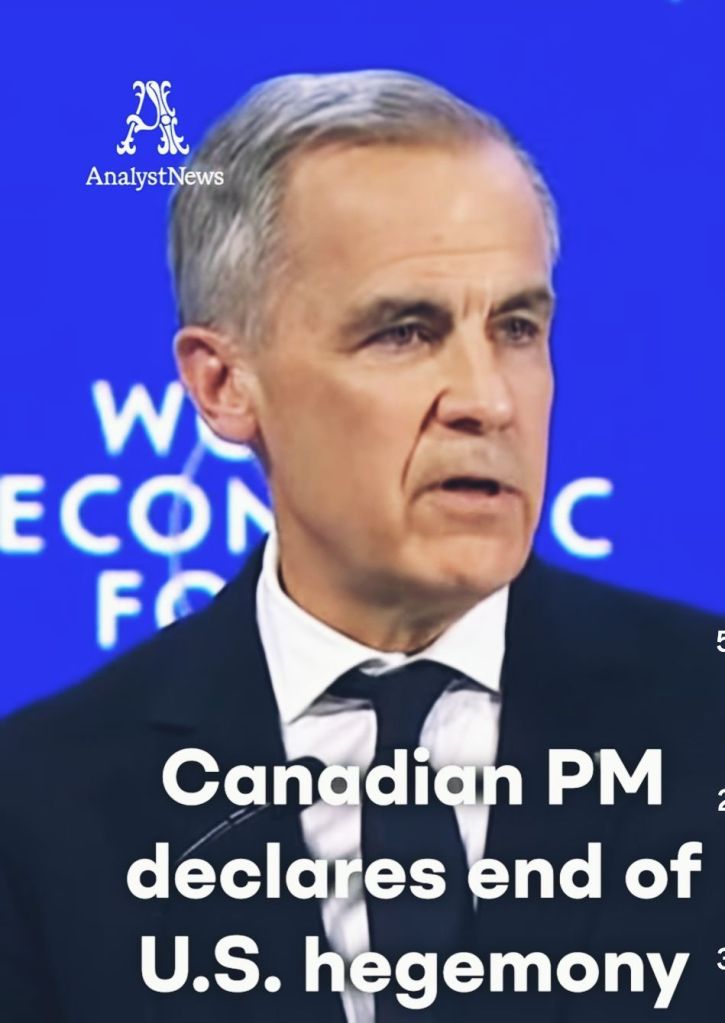
Carney’s address was an act of intellectual disobedience. Dispensing with the comforting fiction of a functioning “rules-based international order,” he named reality with unusual candour: a world in which great powers weaponize trade, finance, and supply chains, and where compliance no longer guarantees safety. Invoking Václav Havel’s idea of “living within a lie,” Carney argued that middle powers have prolonged a decaying system by pretending norms still hold when they privately know they do not. His prescription was radical in its restraint—stop performing belief, rebuild strength at home, coordinate with integrity abroad, and apply standards consistently, whether pressure comes from adversaries or allies. In his telling, power is no longer domination; it is legitimacy, resilience, and credibility.
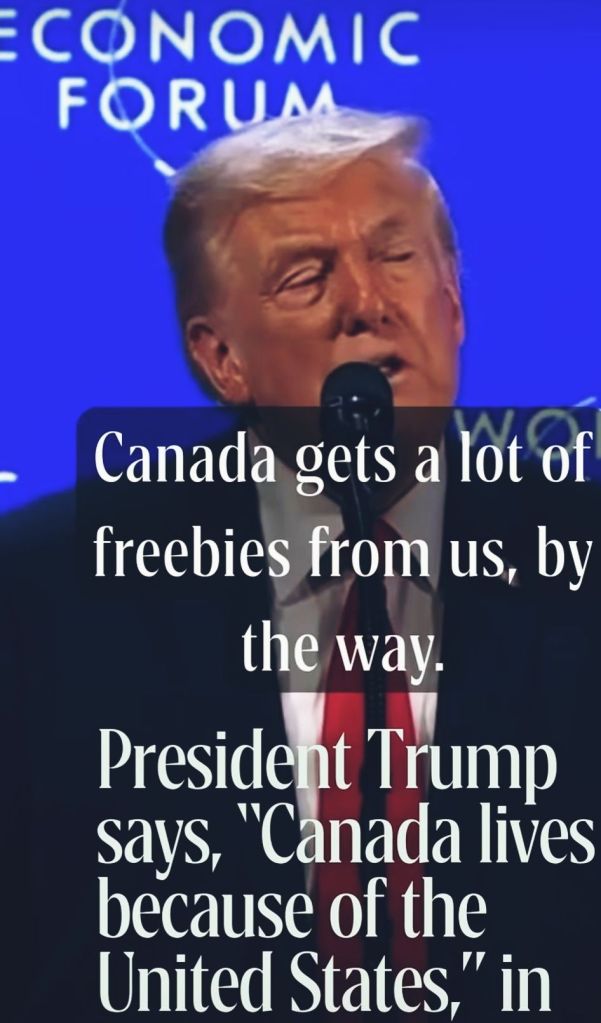
Across the Atlantic, a starkly different worldview was on display. Greenland, the American President suggested, is essential for “world protection,” a site for a “golden dome,” and a strategic necessity Denmark should negotiate over—or face economic consequences. Though force was formally disavowed, the repeated references to tariffs, leverage, and overwhelming strength sent a clear signal: sovereignty is conditional when it collides with hegemonic interest. Alliances were framed as transactions, history selectively invoked, and realism stripped of euphemism.
For Europe, the contrast is both unsettling and clarifying. Carney’s Canada speaks directly to European anxieties: eroding faith in multilateralism, vulnerability to economic coercion, and the rising cost of strategic autonomy. His “values-based realism,” flexible coalitions, and emphasis on shared resilience mirror the EU’s own struggle to reconcile ideals with power. Canada’s deepening defence integration with Europe, unequivocal support for Greenland, opposition to tariffs, and investment in Arctic security reinforce Europe’s instinct to hedge—diversifying partnerships while strengthening internal capacity.
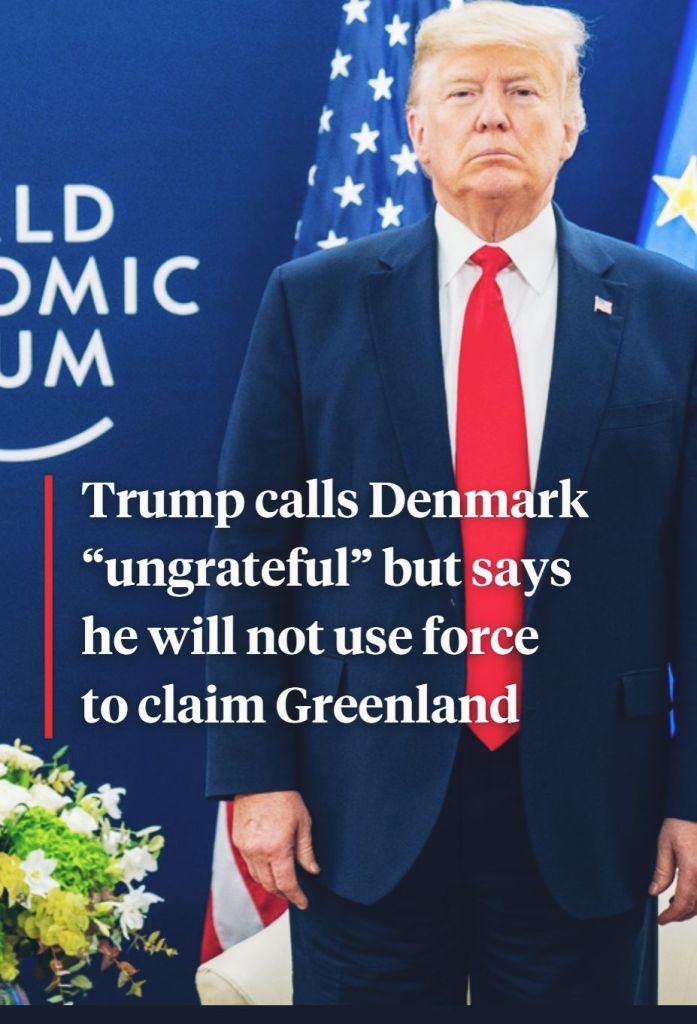
The American President’s remarks, by contrast, accelerate Europe’s strategic reckoning. If sovereignty can be bargained away under tariff pressure, the EU’s long bet on interdependence as a stabiliser looks fragile. Smaller states hear the subtext clearly: autonomy is provisional unless you can defend it. That logic nudges Europe toward defence consolidation, industrial policy, and a harder external edge—the very “world of fortresses” Carney warned against.
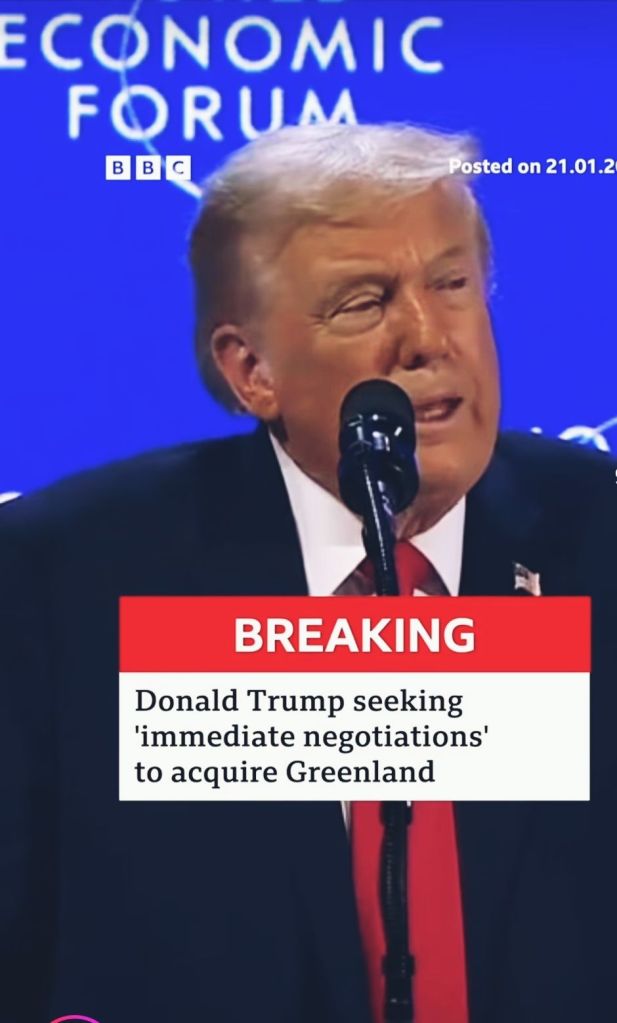
Greenland thus becomes a geopolitical litmus test. For Carney, its future is non-negotiable except by Greenlanders themselves—a matter of dignity, sovereignty, and alliance credibility. For the American President, it is an asset first, a bargaining chip second, and a community a distant third. This framing risks destabilising the Arctic just as climate change, new shipping routes, and resource competition demand unprecedented cooperation.
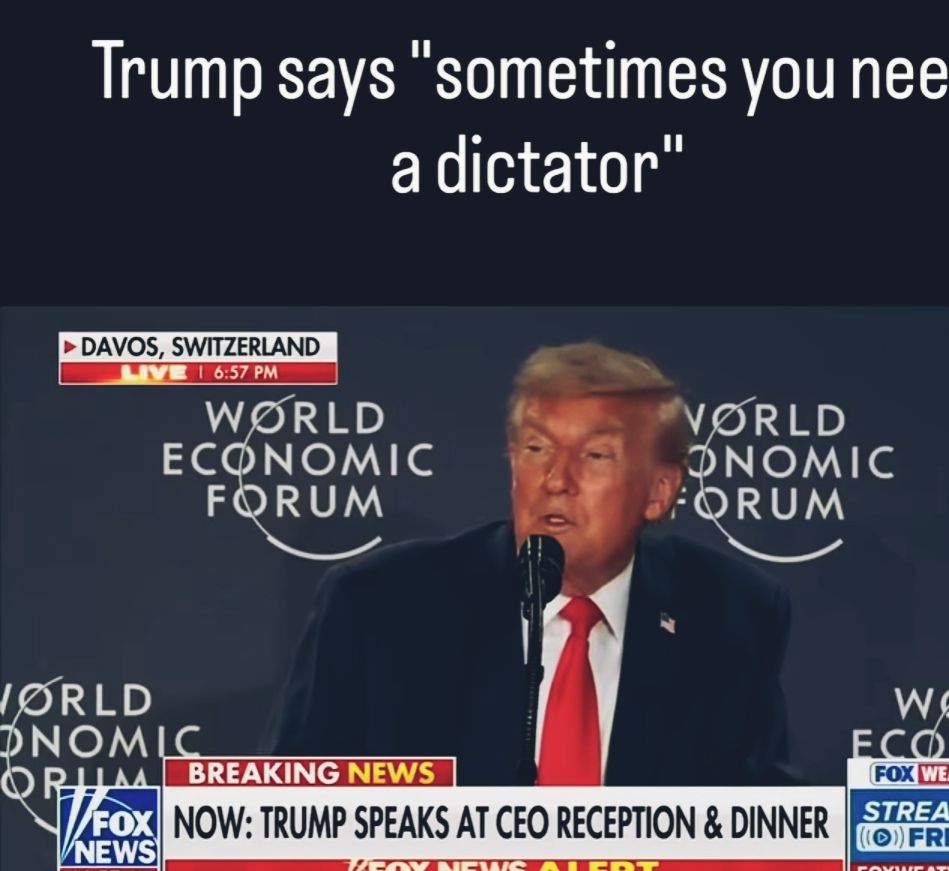
The coming months will test which vision prevails. If Carney’s argument gains traction, middle powers may increasingly “live in truth,” coordinating standards and reducing vulnerabilities that invite coercion. If transnationalism wins, alliances will thin into contracts and sovereignty will be measured by one’s tolerance for pressure rather than by law or legitimacy. This is not Canada versus the United States, nor idealism versus realism. It is a choice between two futures: one where power is flaunted, monetised, and enforced; another where it is shared, legitimised, and sustained. Greenland, Europe, and the Arctic will feel the consequences first. The rest of the world will follow.
Visit arjasrikanth.in for more insights
 SOCIAL PERSPECTIVES