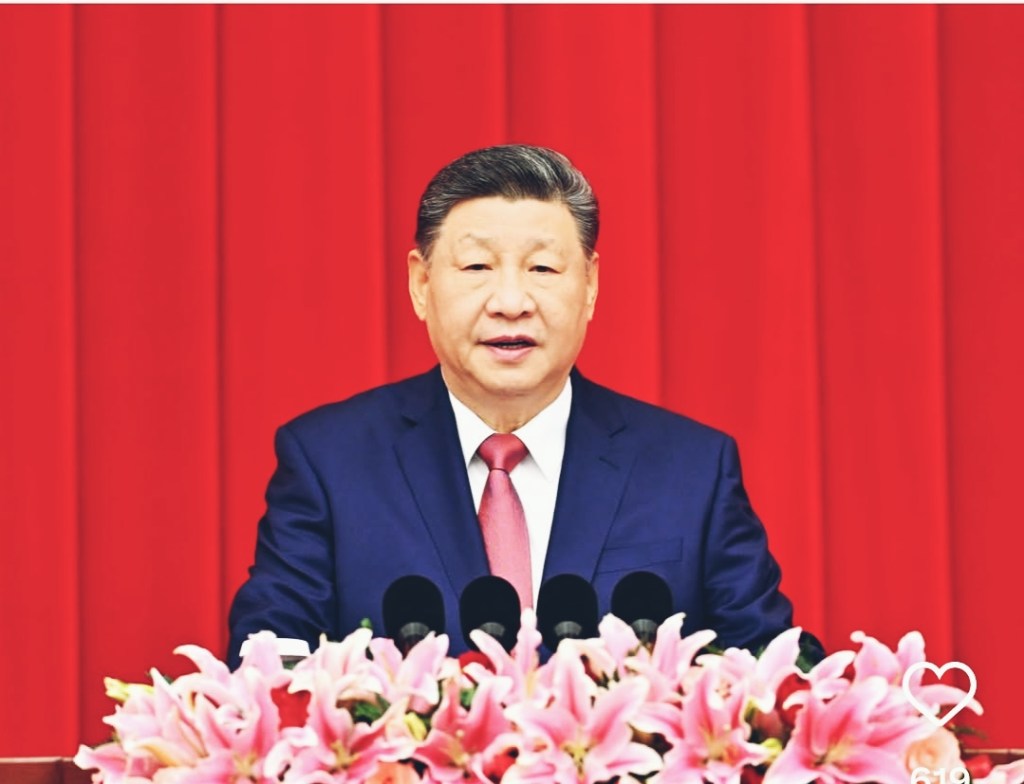
In an era where global power is increasingly performed rather than exercised—through military parades, tariff theatrics, social-media diplomacy, and televised bravado—Xi Jinping revived an older, colder discipline of statecraft: strategic silence. While Washington tweeted and Moscow thundered, Beijing recalibrated. Xi did not seek to outshout the United States or collide head-on with Russia; he waited, observed, absorbed pressure, and quietly rearranged the board. By the time rivals realised the rules had shifted, China had already moved from the periphery of the global order to its structural core.
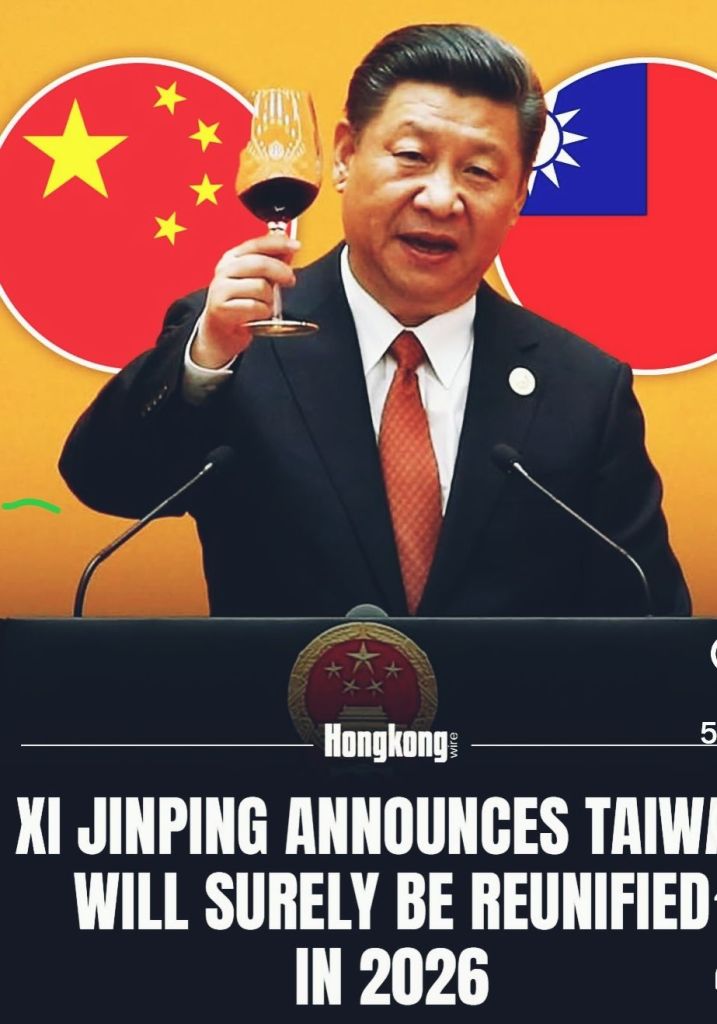
This approach is inseparable from China’s historical memory. The trauma of famine, ideological extremism, and isolation during the Great Leap Forward and the Cultural Revolution left an enduring imprint on the Chinese political psyche. When reform and opening began in the late 1970s and early 1980s, survival—not supremacy—was the overriding objective. Factories proliferated, labour migrated, and China became the manufacturing backbone of the world. For decades, Beijing accepted a deliberately restrained geopolitical posture in exchange for economic oxygen. It was during this prolonged apprenticeship that China internalised its most consequential lesson about power: patience is not passivity; it is preparation.
Xi Jinping emerged from this crucible not as a charismatic reformer but as a disciplined product of the system. Sent to the countryside as a young man, shaped by scarcity, political caution, and institutional memory, Xi absorbed a principle that many Western analysts underestimated: in China, authority does not announce itself—it consolidates. When he assumed leadership in 2012, China still lacked a fully operational blue-water aircraft carrier, American policymakers continued to speak confidently of “engagement,” and Russia still viewed itself as the principal challenger to U.S. dominance. Xi made no grand declarations. He watched everything.
His first arena of action was domestic. Xi grasped that sustained global ambition is impossible without internal discipline. The anti-corruption campaign, publicly framed as moral rectitude, functioned in practice as political surgery. Rivals were removed not through spectacle or purge-theatre, but through investigation, procedure, and law. Entire factional networks dissolved without tanks on the streets or emergency broadcasts. Stability was preserved, resistance neutralised, authority centralised. Silence here was not weakness; it was insulation.
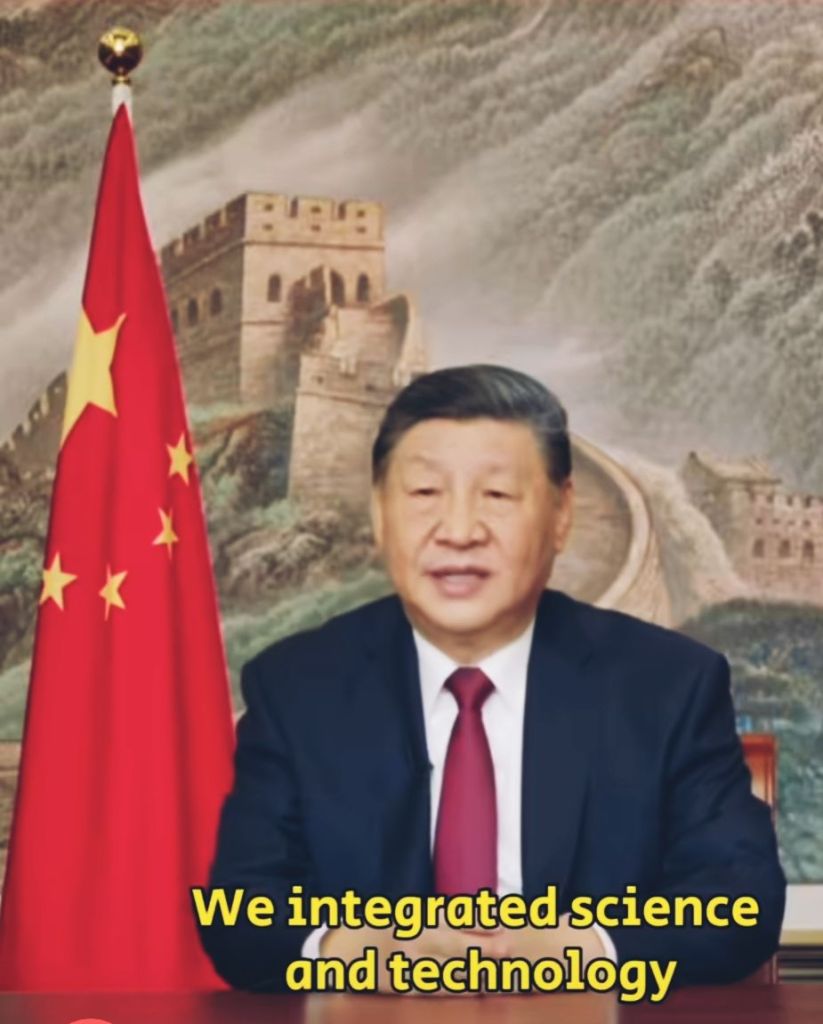
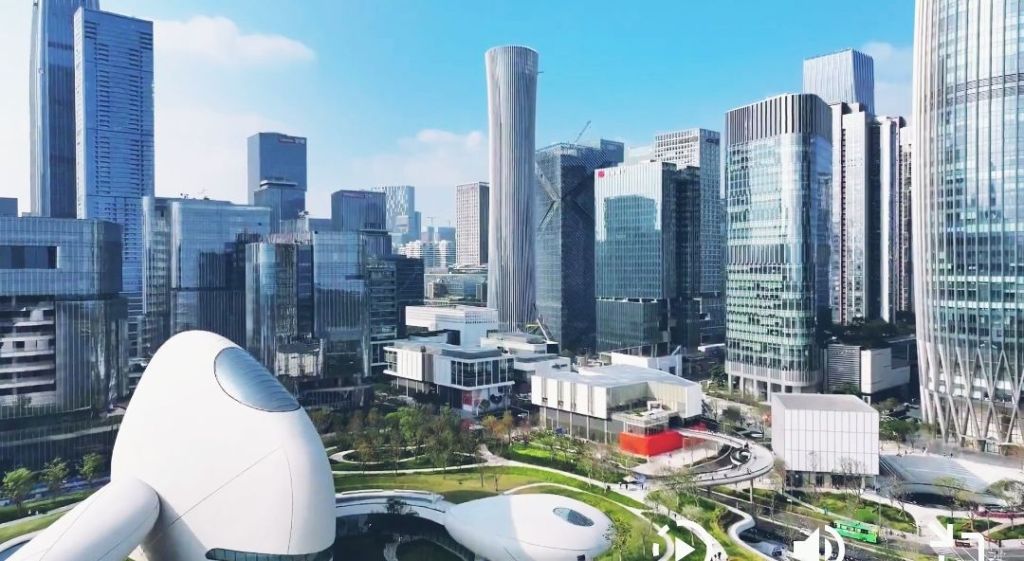
Only after consolidating the Party did Xi turn outward. While the United States oscillated between engagement, confrontation, and retreat, China focused on capacity. Ports, railways, power grids, logistics corridors, digital infrastructure. The Belt and Road Initiative was not marketed as empire but as connectivity. Travel times collapsed, supply routes multiplied, and economies were reoriented. Debt risks were real, defaults occurred, and criticism mounted—but dependency, even when imperfect, translates into leverage. Xi did not demand allegiance; he narrowed alternatives.
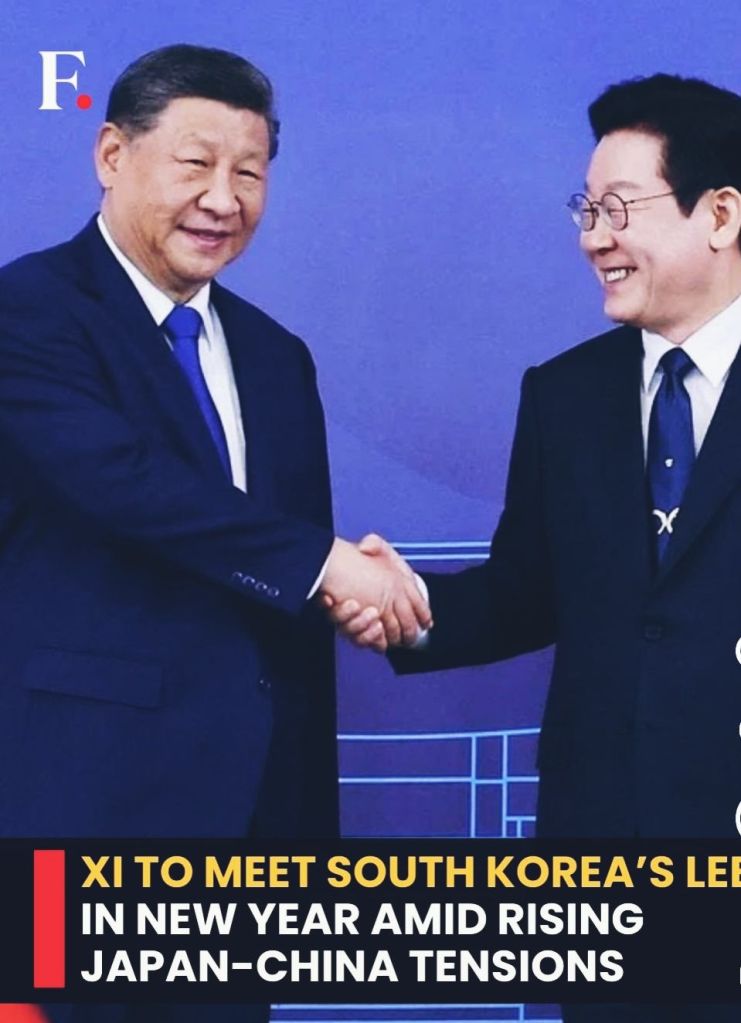
The contrast with American and Russian behaviour is instructive. The United States under Donald Trump opted for noise—tariffs, threats, slogans, and transactional diplomacy. Beijing responded, but without escalation theatrics. Retaliation was calibrated, election cycles were patiently endured, symbolic deals were signed, and structural preparation continued. By the time Washington promised once again to “get tough,” China had already diversified supply chains, expanded domestic consumption, and accelerated technological self-reliance.
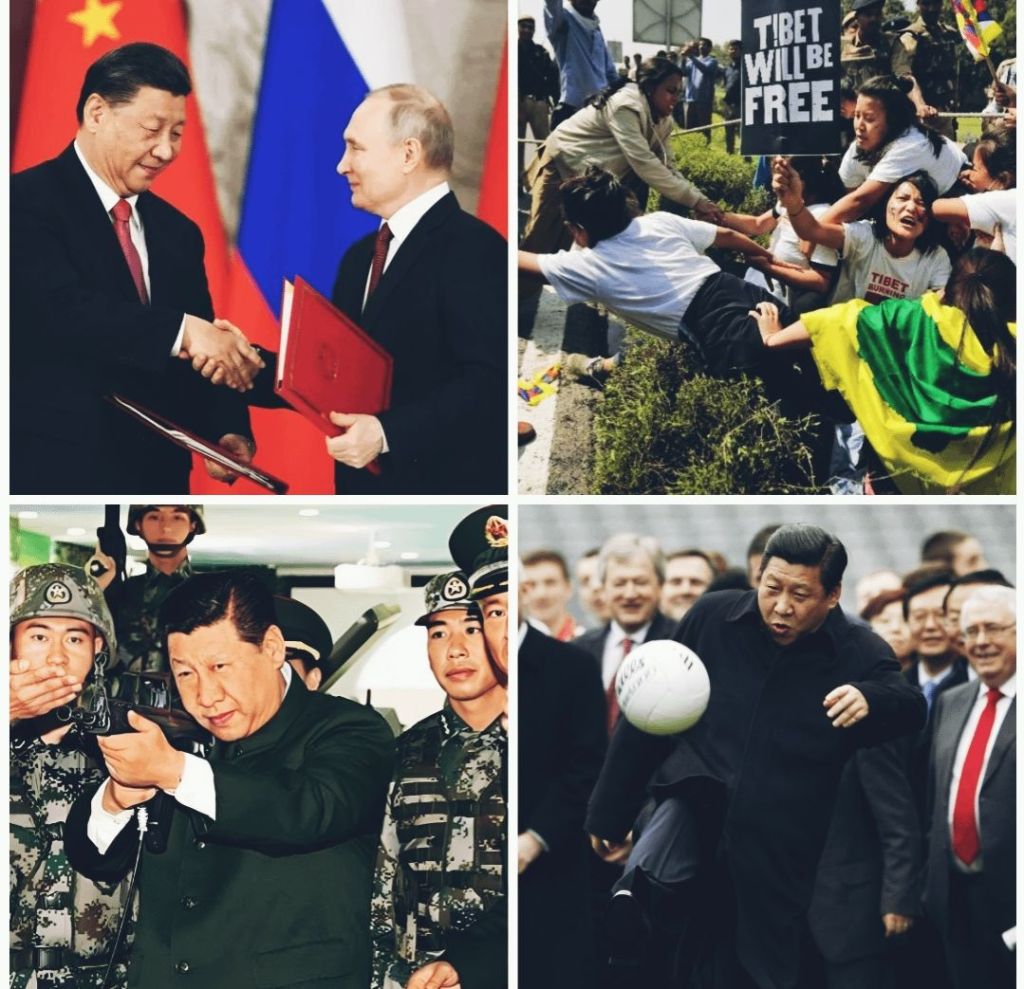
Russia, by contrast, mistook disruption for dominance. Its strategy privileged shock, coercion, and visible force. Xi observed closely and learned what to avoid. China did not annex; it financed. It did not invade; it embedded. While Moscow expended capital through confrontation, Beijing accumulated it through institutions—diplomatic missions, UN contributions, standards-setting bodies, climate negotiations, and development banks. Power exercised quietly is far harder to sanction.
Equally underestimated was China’s narrative restraint. Beijing did not aggressively export ideology or demand civilisational conversion. It positioned itself as a development partner rather than a moral crusader. For many states in Asia, Africa, and Southeast Asia, this distinction mattered. China was not perceived as an enemy but as a market. Even close U.S. allies maintained deep economic ties despite strategic unease. Silence reduced fear; pragmatism built acceptance.
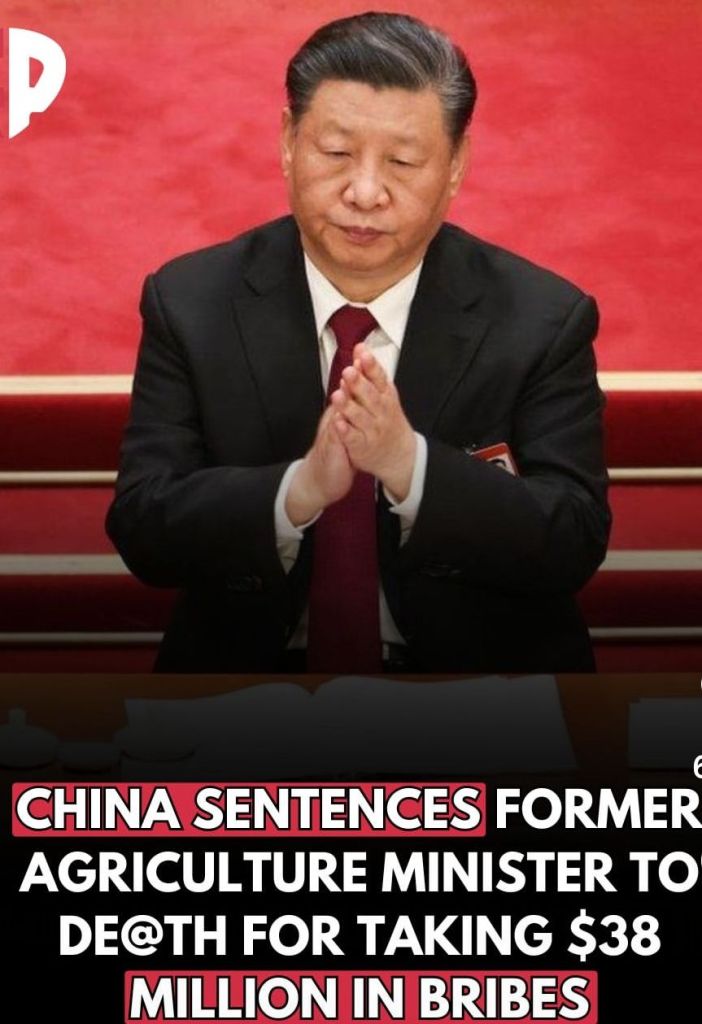
Military modernisation followed the same logic. Xi prioritised loyalty before hardware. The People’s Liberation Army was restructured, purged, and centralised long before it was showcased. Only after command certainty was secured did China visibly assert itself in the South China Sea or expand naval reach. Unlike Washington’s conspicuous deployments or Moscow’s dramatic posturing, Beijing’s rise appeared sudden only because it had been deliberately understated.
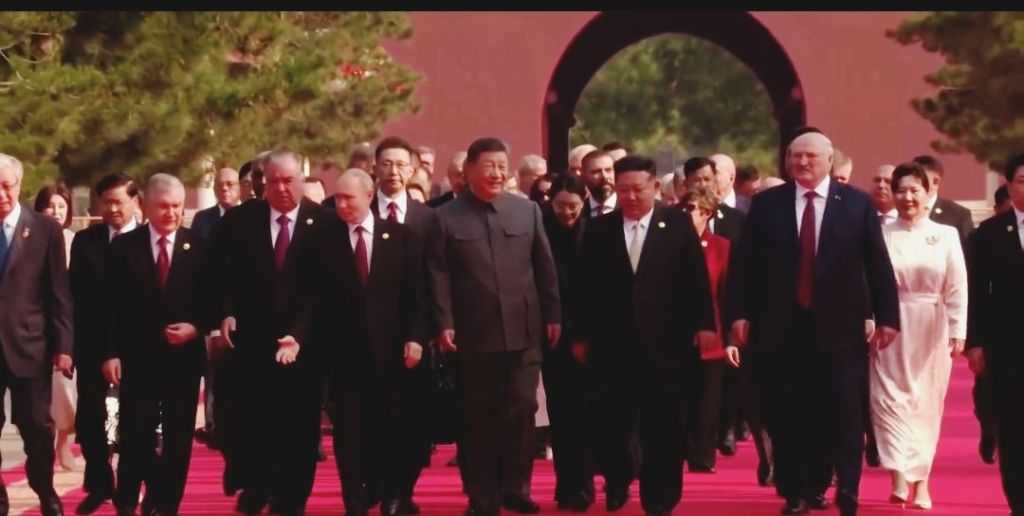
What unsettles rivals most is not China’s power, but its temporal horizon. Democracies think in elections. Authoritarian challengers often think in crises. Xi thinks in decades. While others react, he sequences. While others speak, he measures. In a world addicted to instant signalling, this strategic muteness has proven disarming.
This is not a guarantee of permanence. Silence can mask fragility as well as strength. Demographic decline, debt stress, internal repression, and mounting global resistance remain real constraints. Yet as a strategist, Xi Jinping has already accomplished something rare in modern geopolitics: he outmanoeuvred louder rivals not by confronting them, but by allowing them to exhaust themselves.
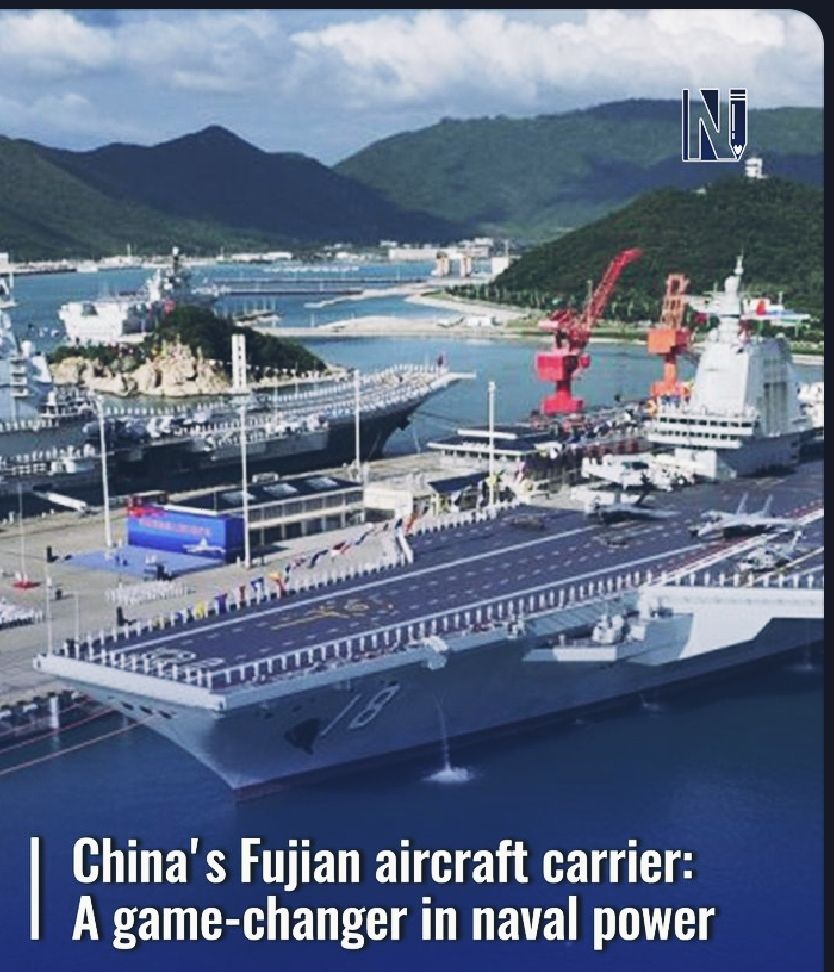
In the final accounting, America flexed. Russia roared. China listened—and quietly shifted the centre of gravity.
Visit arjasrikanth.in for more insights
 SOCIAL PERSPECTIVES
One response to ““The Sound of Silence in World Politics: Xi Jinping’s Cold Mastery of Time, Power, and Patience” ”
excellent analysis of the present scenario of world politics and focusing on China and what others has to learn the discipline china had demonstrated is tremendous
LikeLike