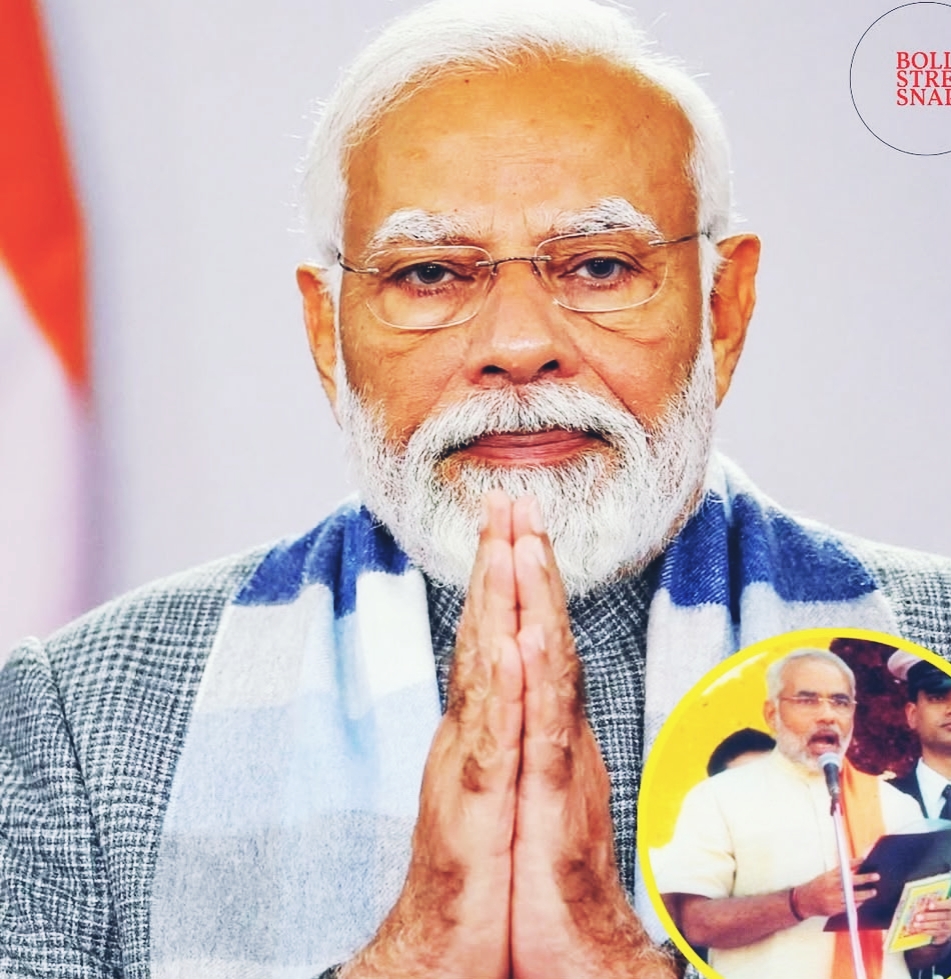
History often explains governments through ideology, coalitions, or economic compulsions. Narendra Modi’s India demands a different analytical lens: psychology as policy. The journey from a tea-selling childhood in Vadnagar to the apex of the world’s largest democracy is not merely inspirational biography; it is a governance template forged in scarcity, solitude, and self-discipline. Raised amid material deprivation and social marginality, Modi internalised an early conviction that survival and success arise from individual will rather than institutional support. Early detachment from family and emotional anchors deepened this belief, producing a leader who privileges personal judgment over collective deliberation. In this worldview, governance is not negotiated; it is executed. The state becomes an extension of resolve rather than a forum of competing ideas.
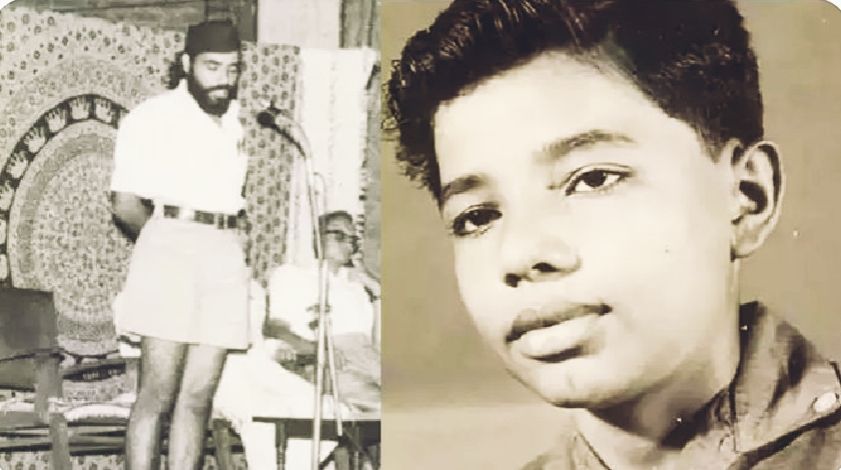
That instinct acquired organisational form within the Rashtriya Swayamsevak Sangh. The RSS did not simply impart ideology; it provided Modi with an administrative grammar—hierarchy, discipline, obedience, sacrifice, and clarity of command. As a pracharak, he learned to operate without personal attachments, subordinate individuality to mission, and interpret dissent as indiscipline rather than debate. These traits later migrated seamlessly into government. Under Modi, the Indian state increasingly resembles a cadre-based system rather than a consultative republic. Authority flows downward, loyalty is rewarded, and ambiguity is treated as weakness. The conspicuous absence of autonomous peer leadership around the Prime Minister is not incidental; it reflects deep comfort with vertical control and an ingrained distrust of competing centres of power.
Modi’s tenure as Gujarat Chief Minister further hardened these instincts under siege.
The 2002 riots and their aftermath permanently reshaped his relationship with institutions, critics, and dissent. Surrounded by scrutiny and international isolation, he doubled down on unilateral decision-making and bureaucratic command. Ministers became executors rather than policymakers, and independent voices were systematically filtered out.
This CEO-style governance—centralised, insulated, and outcome-driven—was later scaled nationally after 2014. The electoral victory validated what might be called the “one-man engine” theory of politics: campaigns, messaging, fundraising, and strategy revolved around a single persona. Personal political capital ceased to be merely an asset; it became the operating system.
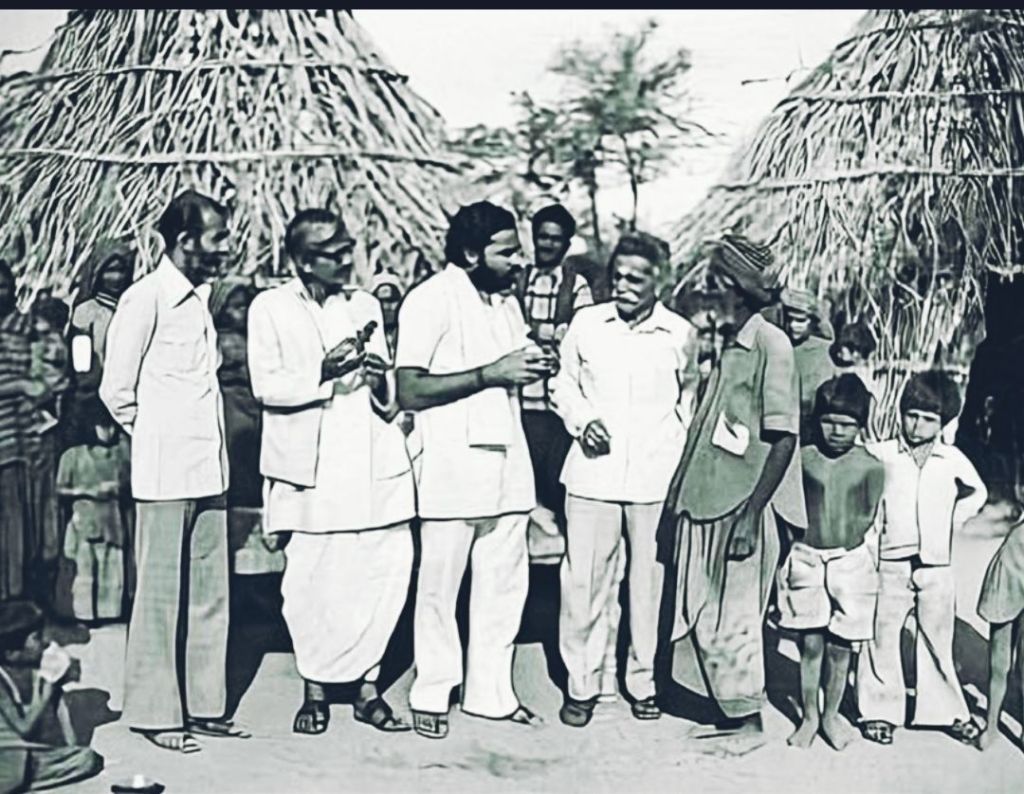
Once in Delhi, personality hardened into state architecture. Self-reliance translated into unprecedented concentration of power within the Prime Minister’s Office. Surprise evolved into a governing instrument: demonetisation announced overnight, a nationwide COVID lockdown imposed with four hours’ notice, Article 370 revoked without conventional parliamentary choreography. These were not policy miscalculations but expressions of a leadership temperament that values shock, secrecy, and control. Cabinet deliberation narrowed, Parliament’s role diminished, and institutions such as the RBI, Election Commission, and investigative agencies appeared progressively aligned with executive preference. Transparency eroded not through overt authoritarianism, but through operational opacity—limited press conferences, monologue-style communication, and financial mechanisms like electoral bonds and PM-CARES designed beyond routine public scrutiny.
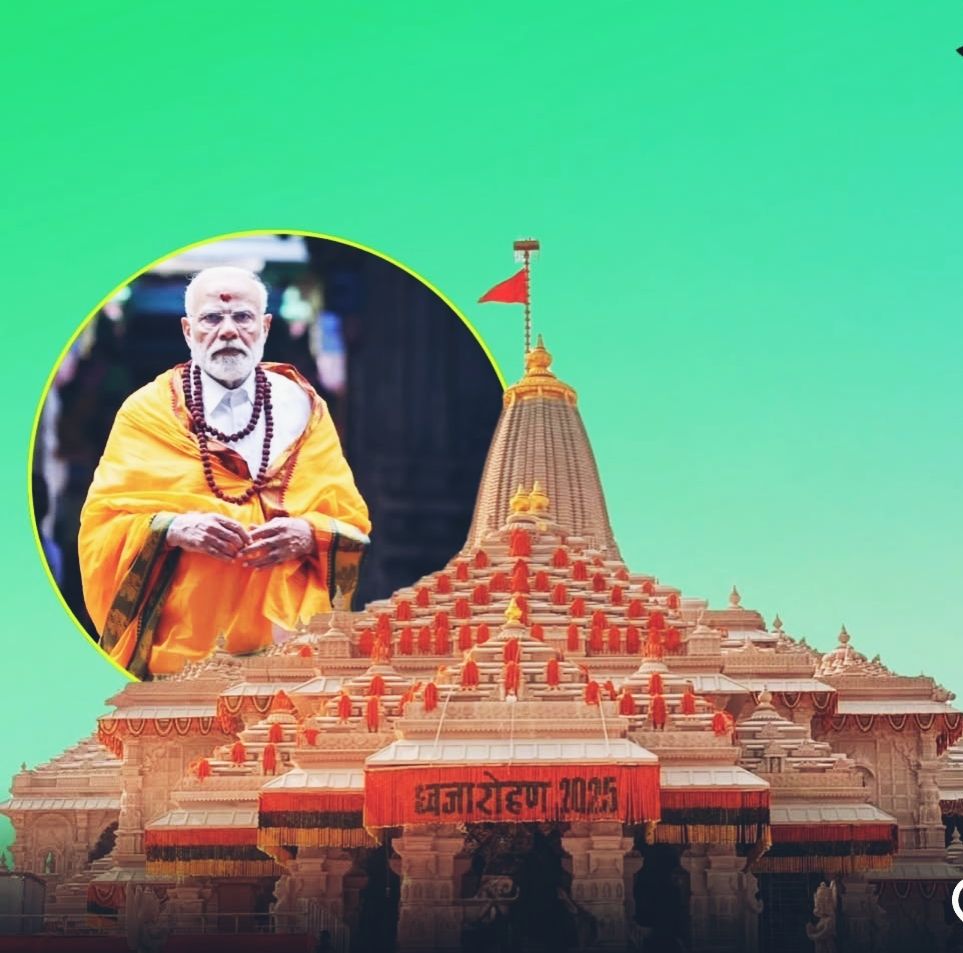
The same emotional distance that insulated Modi personally now defines political culture. Ministers are frequently reshuffled to prevent the emergence of independent stature. No clear successor or second-in-command is permitted to crystallise. Welfare schemes are branded with the Prime Minister’s name, reinforcing a direct, almost transactional relationship between leader and citizen. Bureaucrats are valued for loyalty and execution speed over dissenting expertise. The result is a governance ecosystem optimised for obedience and delivery, not institutional memory or policy depth. Federalism strains as governors, central agencies, and fiscal levers are deployed to discipline opposition-ruled states. Cultural nationalism fills the ideological space, reframing critics as adversaries and dissent as disloyalty.
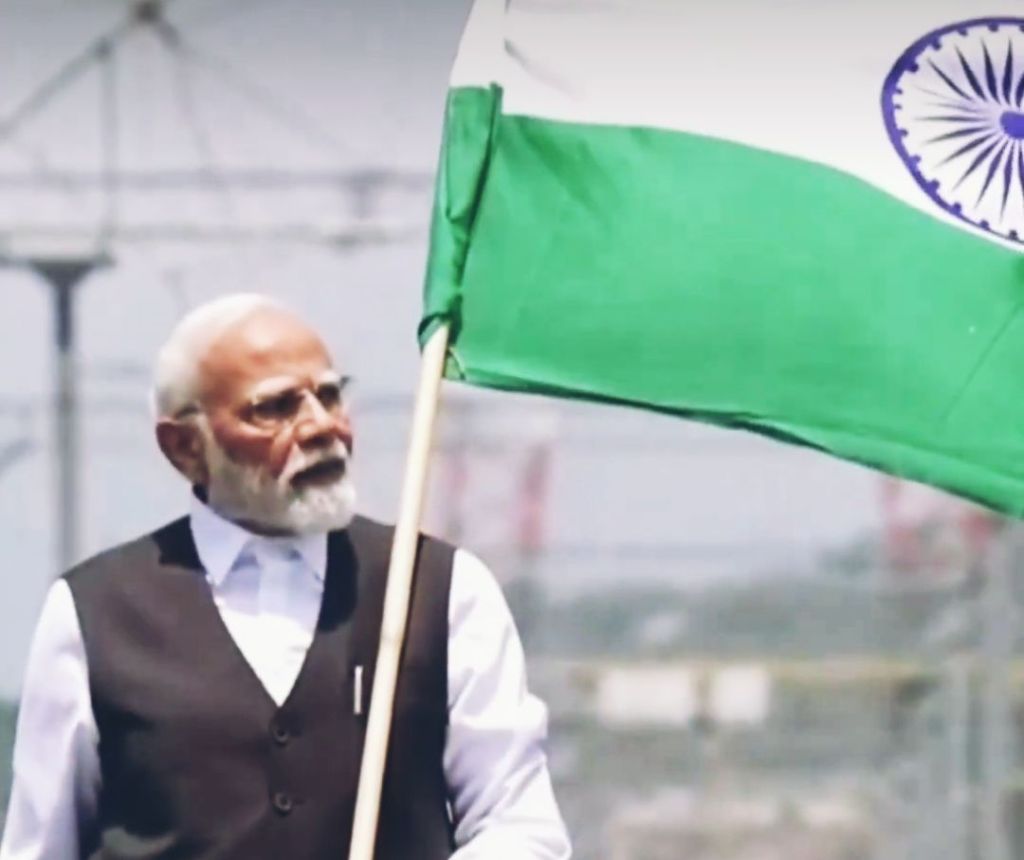
This leadership paradigm carries undeniable strengths. Decisiveness replaces drift, narrative coherence substitutes coalition paralysis, and India’s global visibility has expanded. Yet the systemic costs are accumulating quietly. Institutions weaken when deprived of autonomy, feedback loops collapse under excessive centralisation, and policy volatility increases when decision precedes consultation. Most critically, the system becomes hostage to a single individual’s health, judgment, and popularity. Modi’s governance model, born of struggle and discipline, has delivered dominance—but dominance is not durability.
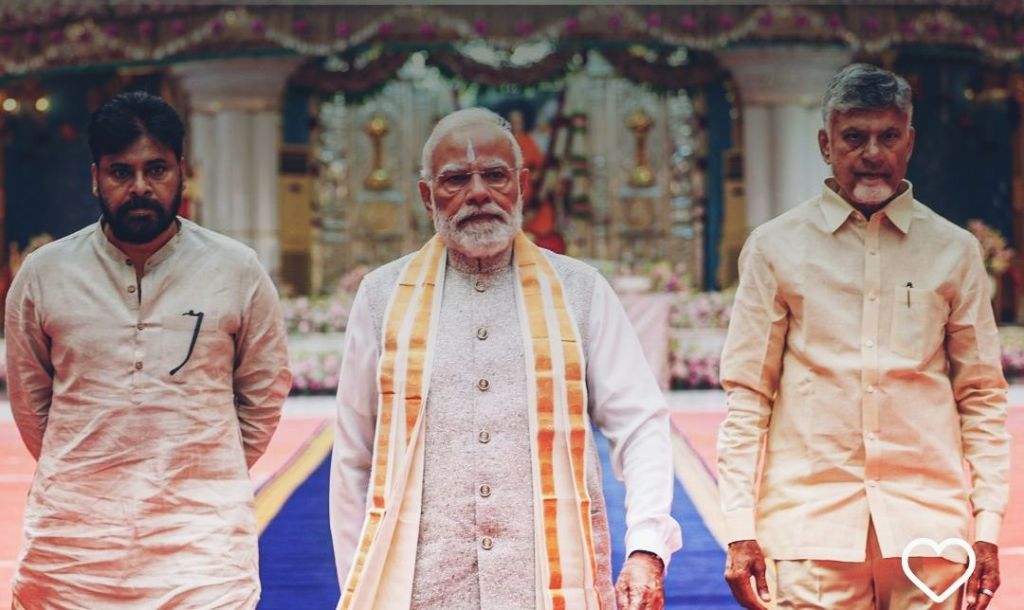
The/all unresolved question is structural rather than personal. Can a democracy sustain itself when governance mirrors the acquired traits of one individual? Or does such concentration—however effective in the short term—render the republic brittle once the individual exits? Narendra Modi has not merely governed India; he has rewired its operating logic. Whether this wiring strengthens the nation or leaves it dangerously dependent on one man’s inner compass will define India’s democratic future long after the slogans fade.
Visit arjasrikanth.in for more insights
 SOCIAL PERSPECTIVES