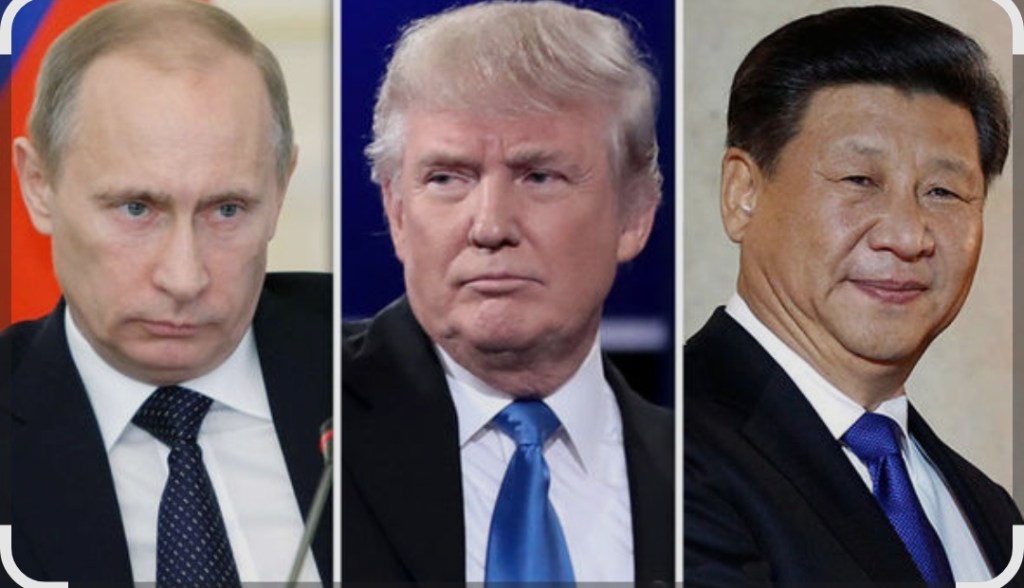
Liberal democracy today is not besieged by a single ideological adversary but by a corrosive triangle of power in which the United States, China, and Russia—despite their open rivalries—collectively erode the foundations of democratic order. The threat does not lie merely in visible acts of aggression—Russian tanks in Ukraine, Chinese warplanes probing Taiwan’s airspace, or American coercive interventions abroad—but in a more dangerous convergence: the growing normalization of force, coercion, and strategic hypocrisy as legitimate instruments of global leadership. Democracy is being compressed from all directions—by authoritarian expansion, by democratic backsliding, and by the steady erosion of moral credibility at the very core of the liberal world.
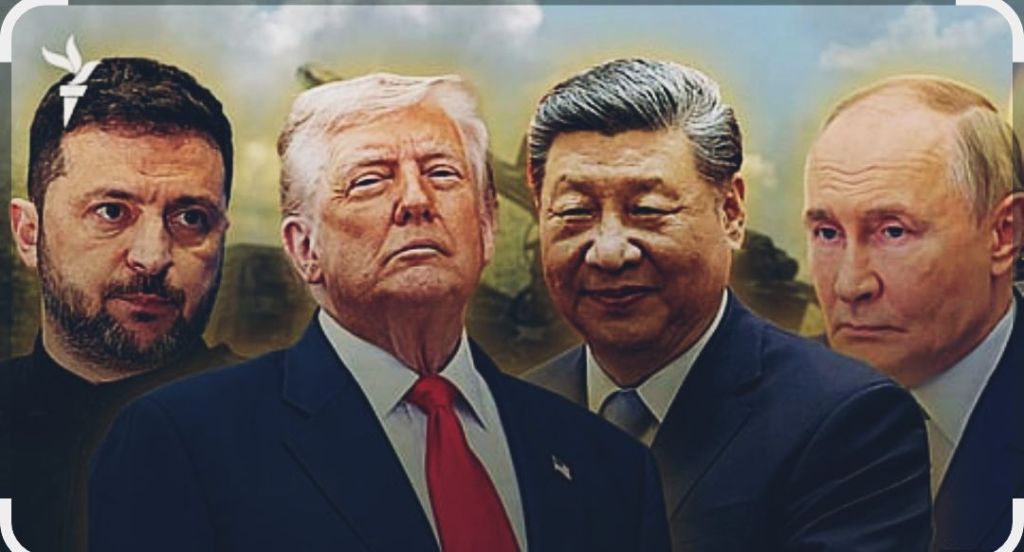
Russia’s invasion of Ukraine represents the clearest and most violent assault on democracy in the twenty-first century. Moscow’s true fear is not NATO’s military hardware but the ideological contagion of a functioning, self-governing Slavic democracy on its border. Ukraine embodies a direct refutation of Vladimir Putin’s political project: proof that post-Soviet societies can choose pluralism over autocracy, accountability over corruption, and civic identity over imperial nostalgia. The war—marked by mass atrocities, forced deportations, and the systematic destruction of civilian infrastructure—is designed not merely to subjugate territory but to extinguish a democratic example. Beyond Ukraine, Russia conducts a sustained campaign of hybrid warfare against Europe: cyber intrusions, electoral manipulation, energy coercion, sabotage of critical infrastructure, and the sponsorship of client autocracies from Belarus to Mali. This is authoritarianism exported as a governing doctrine.
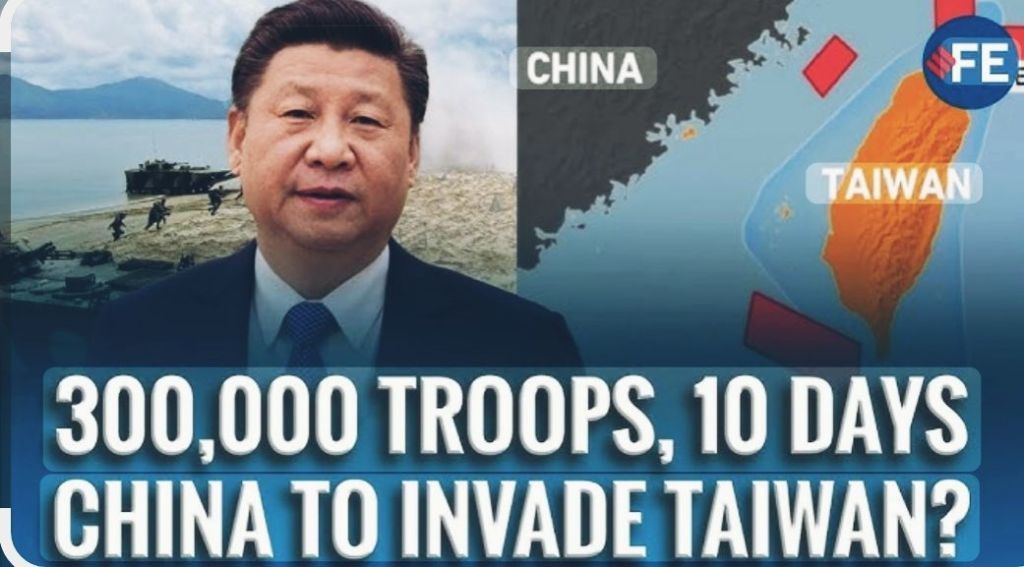
China’s challenge is subtler, more patient, and in many ways more structurally destabilizing. Beijing weakens democracies less through invasion than through attrition—economic leverage, institutional penetration, and narrative control. Taiwan is the most consequential focal point of this strategy. Its vibrant democracy and technological leadership expose the fallacy at the heart of Chinese Communist Party ideology: that modernization and prosperity require political repression. Rather than triggering open conflict, Beijing employs calibrated pressure—military encirclement, persistent air and naval incursions, gray-zone operations, and diplomatic isolation—to exhaust Taiwan’s resilience over time. Simultaneously, China seeks to reshape global norms by promoting digital authoritarianism, censorship-compatible governance standards, and a development model that deliberately severs growth from political freedom. From the South China Sea to the Himalayan frontier, Beijing signals a stark message: power, not law, determines outcomes.
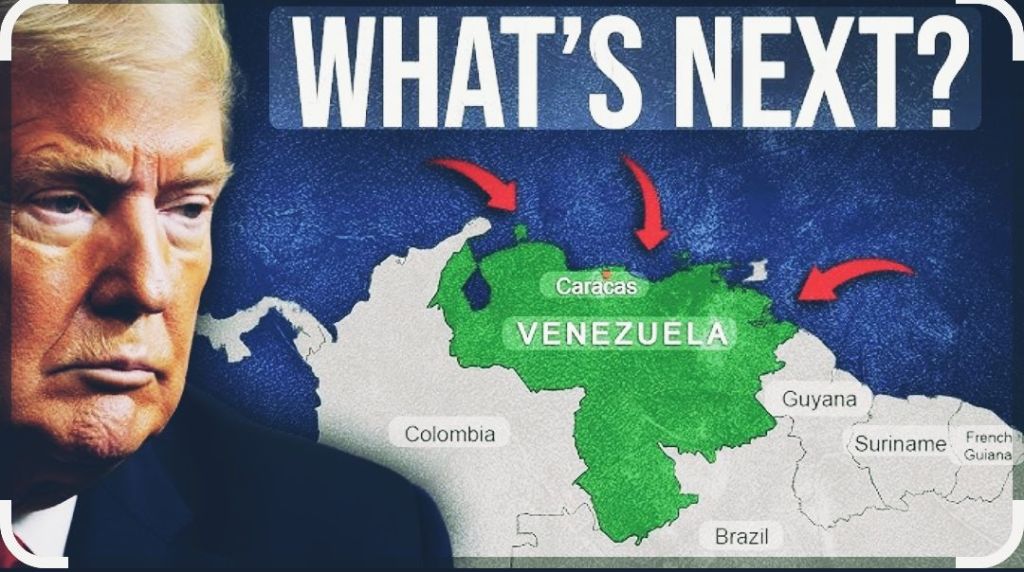
Yet the most destabilizing contributor to this democratic crisis may be the United States itself—not because it has embraced authoritarianism, but because its increasing reliance on unilateral force has hollowed out its moral authority. The American-led order was never flawless, but it rested on a professed commitment to multilateralism, constitutional restraint, and international law. Recent actions—particularly coercive interventions and regime-change postures undertaken without congressional mandate or broad international legitimacy, as seen most starkly in Venezuela—have severely compromised that claim. When a democracy employs economic strangulation, covert destabilization, and cross-border force, it furnishes autocrats with the ultimate justification: that democracy is merely another language of domination. When Washington violates the rules it once championed, it teaches the world a devastating lesson—that power endures, principles do not.
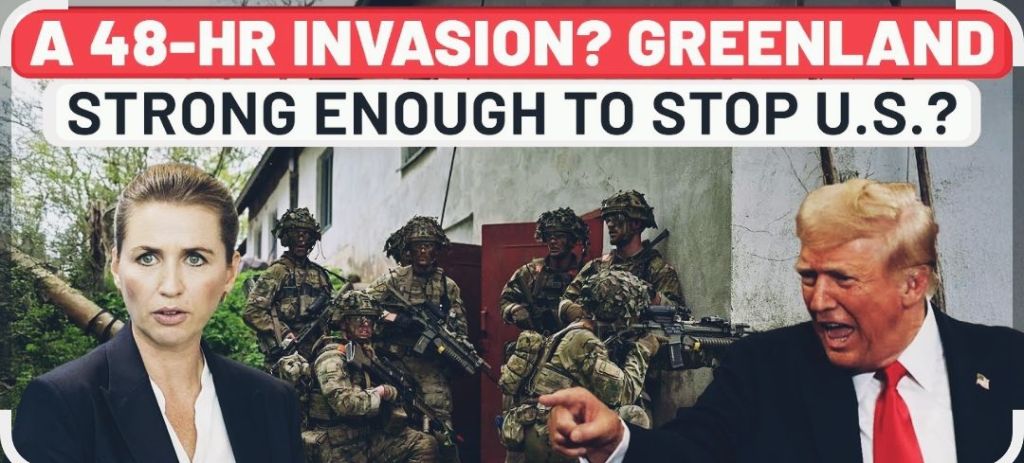
Venezuela encapsulates this moral and strategic failure. Decades of sanctions, covert operations, and escalating pressure have neither restored democracy nor alleviated human suffering. Instead, they have entrenched authoritarian rule, hollowed out civil society, and provided Moscow and Beijing with a propaganda windfall. Russia reframes its war in Ukraine as “self-defense,” China recasts coercion against Taiwan as an “internal affair,” and repression everywhere is sanitized as sovereign choice. Democracy, stripped of consistency, is reduced to a rhetorical instrument rather than a governing ethic.

The cumulative result is a global democratic recession. Liberal institutions are weakening not only because authoritarian powers attack them, but because democracies themselves are internally fractured—by polarization, inequality, declining trust, and governance fatigue. Disinformation, weaponized by all major powers, exploits these vulnerabilities, eroding shared reality and turning citizens against their own institutions. International bodies, once designed to uphold liberal norms, increasingly risk capture as authoritarian states coordinate more effectively than democracies constrained by internal division and moral inconsistency.
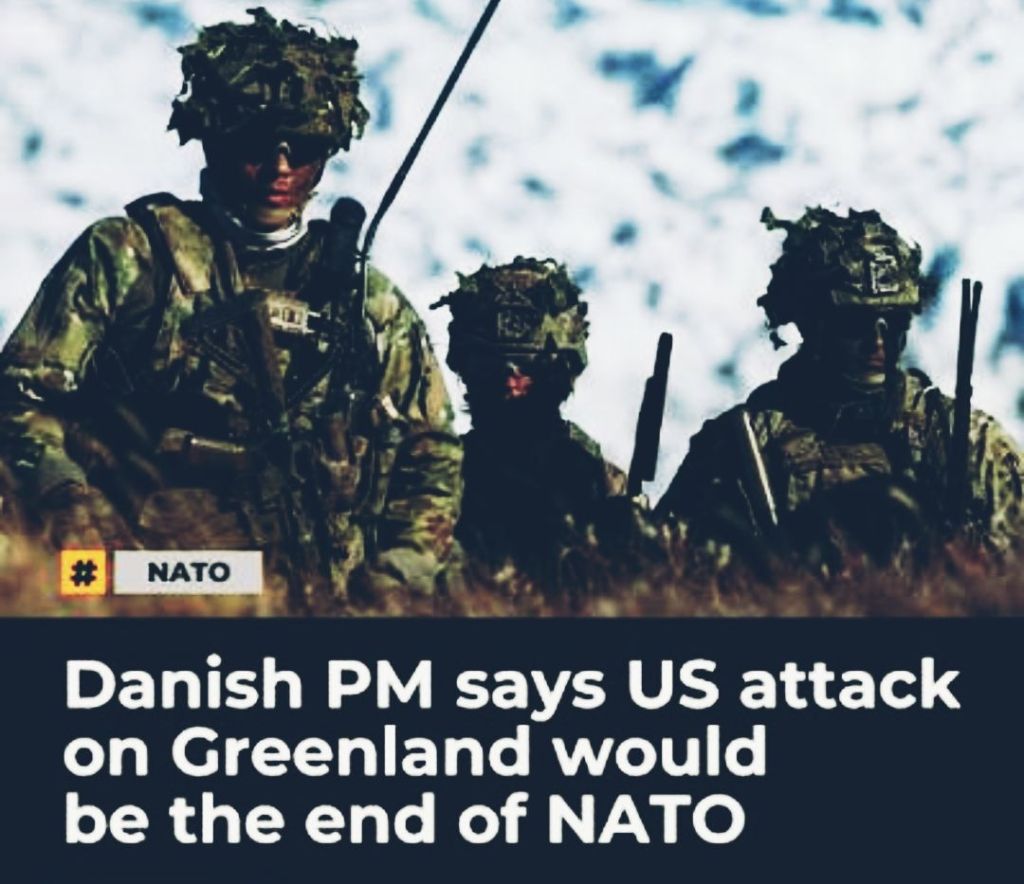
What renders this moment uniquely perilous is the way these three powers—though strategically opposed—reinforce one another’s worst impulses. Russian brutality, Chinese coercion, and American unilateralism together normalize a world in which law is negotiable, sovereignty conditional, and democracy expendable. Smaller states—from Ukraine to Taiwan, from Venezuela to the Philippines—become laboratories for a new global order governed not by consent but by coercion.
The survival of liberal democracy will not be determined solely on distant battlefields. It will hinge on whether democratic societies can regenerate themselves internally—delivering justice, inclusion, and competence—while rebuilding principled, credible coalitions abroad. Without coherence between values and conduct, democracy forfeits not only strategic contests but its moral meaning. In an age where bombers hover over ballot boxes, the gravest threat to liberal democracy may be that its own guardians no longer fully believe in the rules they demand others obey.
Visit arjasrikanth.in for more insights
 SOCIAL PERSPECTIVES