
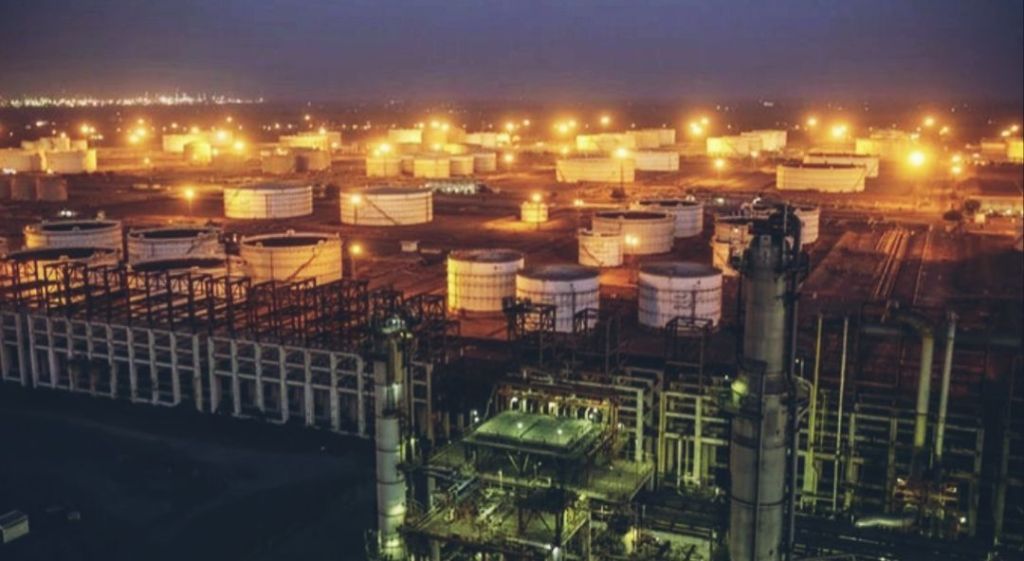
In the wreckage of the Russia–Ukraine war—amid moral outrage, sweeping sanctions, and choreographed condemnations—an unlikely axis of global energy power quietly consolidated itself on India’s western coast. Jamnagar, home to the world’s largest refining complex, became the crucible where geopolitics was reduced to chemistry and recomposed as profit. As Europe pledged moral separation from Russian oil and Washington weaponized sanctions, Reliance Industries confronted an uncomfortable modern reality: energy markets do not respond to ethics; they respond to price, scale, and engineering. What followed was not illegality but something far more disquieting—a flawless exploitation of a fragmented global order, where discounted Russian crude was legally transformed into premium European fuel and war became an input variable in an industrial equation.
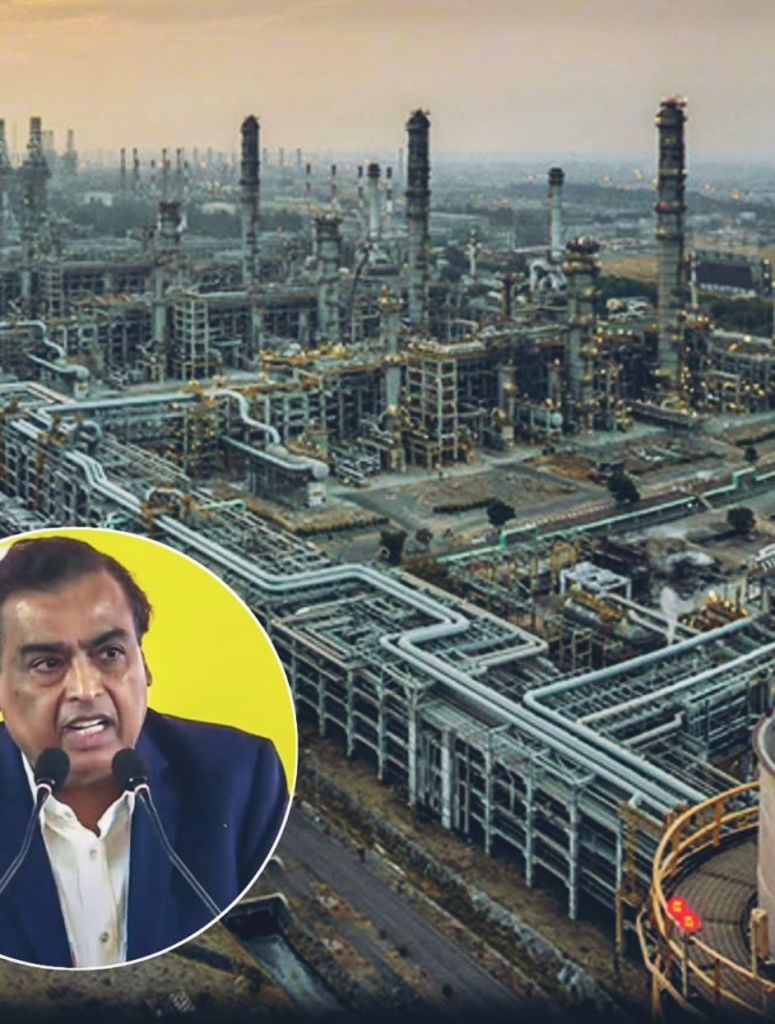
The logic was stark. Sanctions disrupted demand patterns, not demand itself. Russian crude, exiled from Western markets, traded at steep discounts. India, unconstrained by Western sanctions, absorbed the supply. Reliance, equipped with one of the world’s most complex refineries, became the processor of choice. Before the war, Russian oil accounted for roughly 3 percent of Jamnagar’s intake. By 2025, it approached 50 percent. Cheap Urals crude entered the system; high-value diesel, petrol, jet fuel, and blending components emerged—products stripped of national origin. Once refined, the oil carried no geopolitical DNA. It flowed legally into Europe and the United States, jurisdictions that had sanctioned Moscow in principle while continuing to consume its molecules in practice.
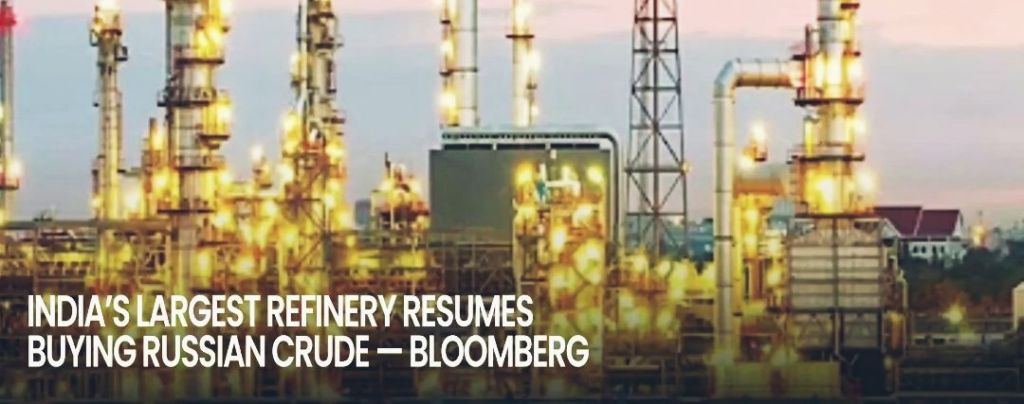
This outcome was not a loophole; it was a structural exposure. Western sanctions were designed for a linear world where supply chains obey intent. Jamnagar demonstrated the fallacy. From early 2023 onward, Reliance exported close to $86 billion in refined petroleum products, with approximately 42 percent destined for countries that had formally sanctioned Russia. The European Union absorbed tens of billions in imports; the United States became the single largest buyer by volume. Europe effectively outsourced its refining dilemma to India, paid a premium for the end product, and preserved the appearance of ethical compliance. Russia sold its crude. Reliance captured the margin. The war economy adapted seamlessly.
Washington’s response was predictably indignant. American rhetoric framed the trade as indirect financing of Russia’s war, accompanied by tariffs and political theatre. Yet the outrage revealed an uncomfortable hypocrisy. The same economies criticising India continued importing fuel refined from Russian crude because severing that flow would have triggered price spikes and domestic instability. Sanctions thus became performative—morally resonant, economically permeable.
Reliance did not violate the rules; it mastered their internal contradictions. The deeper discomfort lay in the exposure of declining Western leverage in a multipolar energy system.
For India, the calculus was unapologetically strategic. Discounted crude tempered inflation, strengthened the current account, and enhanced energy security amid global volatility. Non-alignment, legacy ties with Moscow, and strict legal compliance provided diplomatic cover. Reliance, meanwhile, capitalized on its scale, technology, and export-oriented design. Unlike public-sector refiners focused on domestic supply, Jamnagar was engineered for precisely this environment—high complexity, global reach, and the capacity to arbitrage geopolitics itself. What critics term “sanctions laundering,” admirers call industrial sophistication. Both interpretations are accurate.
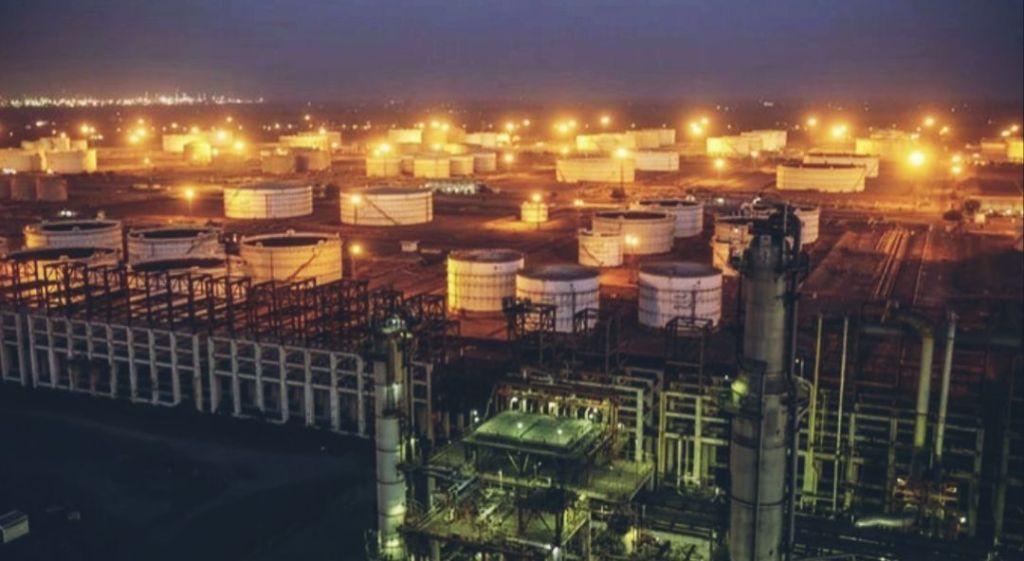
Yet this model rests on fragile tolerances. The European Union’s impending restrictions on refined products derived from Russian crude threaten to disrupt the equilibrium if enforced rigorously. More than half of Reliance’s jet fuel exports have flowed to Europe; a clampdown would necessitate swift strategic recalibration. Add to this volatile price caps, uncertain Russian supply contracts, and the spectre of secondary sanctions, and Jamnagar’s success appears less permanent than contingent—balanced precariously between legality, tolerance, and global inconsistency.
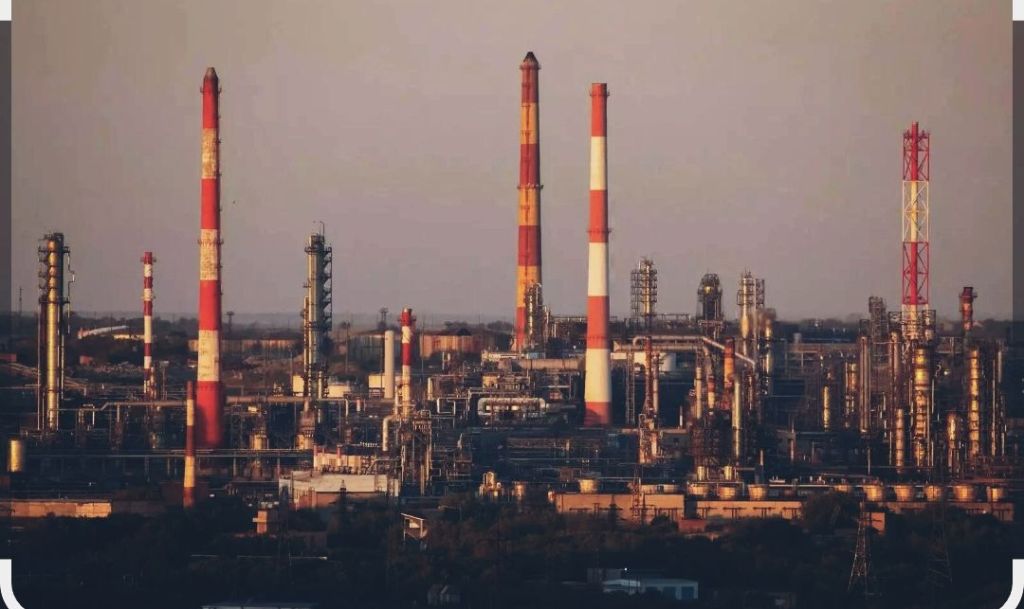
Ultimately, Jamnagar is not a story of corporate cynicism or national betrayal. It is a case study in contemporary power. In today’s world, influence does not belong to those who proclaim values, but to those who understand how systems behave under stress. Reliance did not design the war, the sanctions, or Europe’s dependency. It optimized them. The refinery stands as a monument to a post-moral global economy where disorder generates value and neutrality itself becomes a profit center. The real question is not why Jamnagar thrived—but why anyone expected a system built on contradictions to produce a different outcome.
Visit arjasrikanth.in for more insights
 SOCIAL PERSPECTIVES