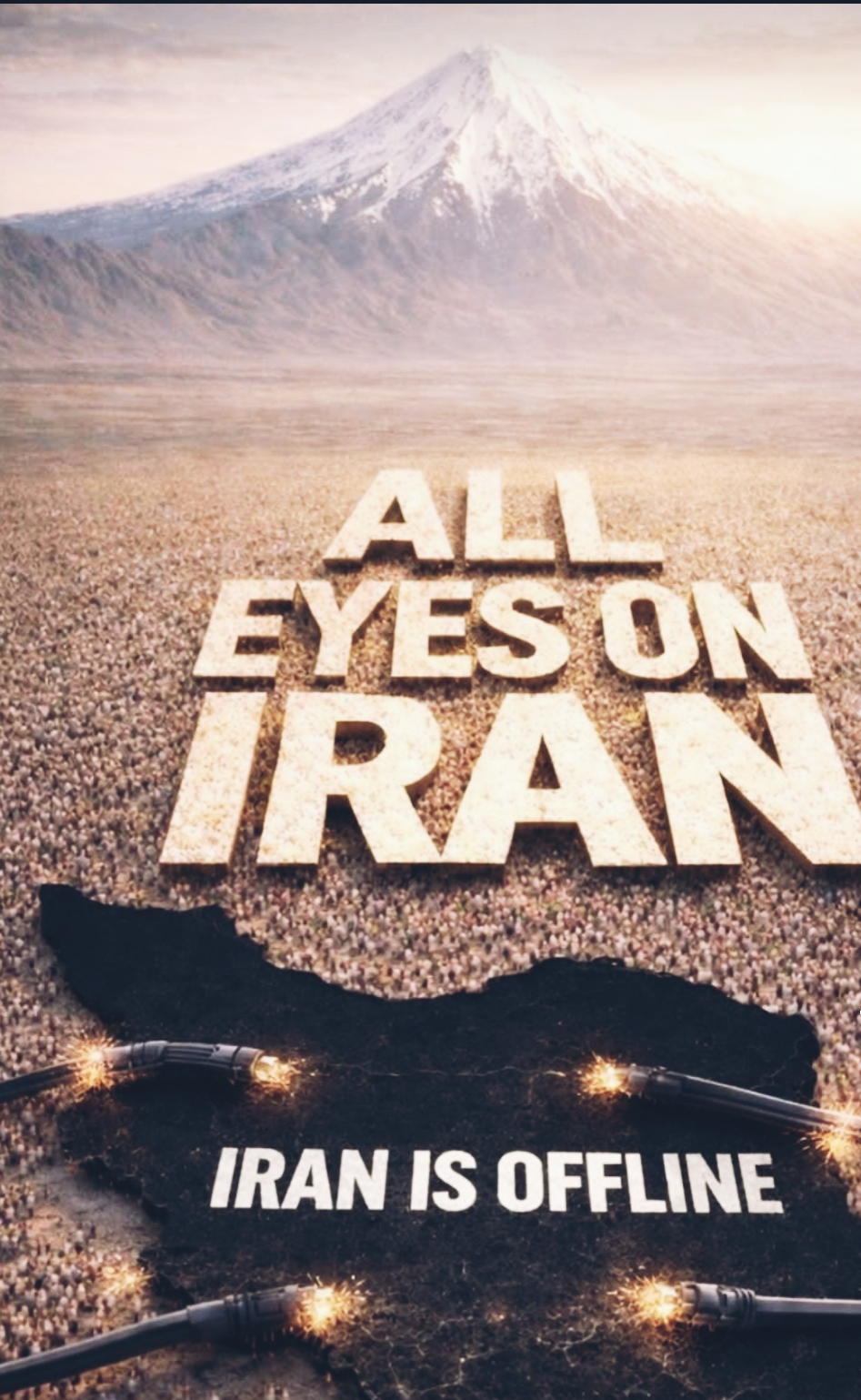
Iran today stands at a rare and dangerous intersection where economic collapse, political rigidity, and digital repression converge into a single national crisis. The country is not merely experiencing protests; it is living through a moment when the basic operating systems of modern life—currency and connectivity—are simultaneously failing. As the rial continues its relentless plunge and the internet is periodically switched off, the Iranian state appears caught in a paradox of its own making: hyper-aware of global pressures yet increasingly disconnected from its own society. What unfolds on the streets is not sudden rage but accumulated despair, finally stripped of restraint.
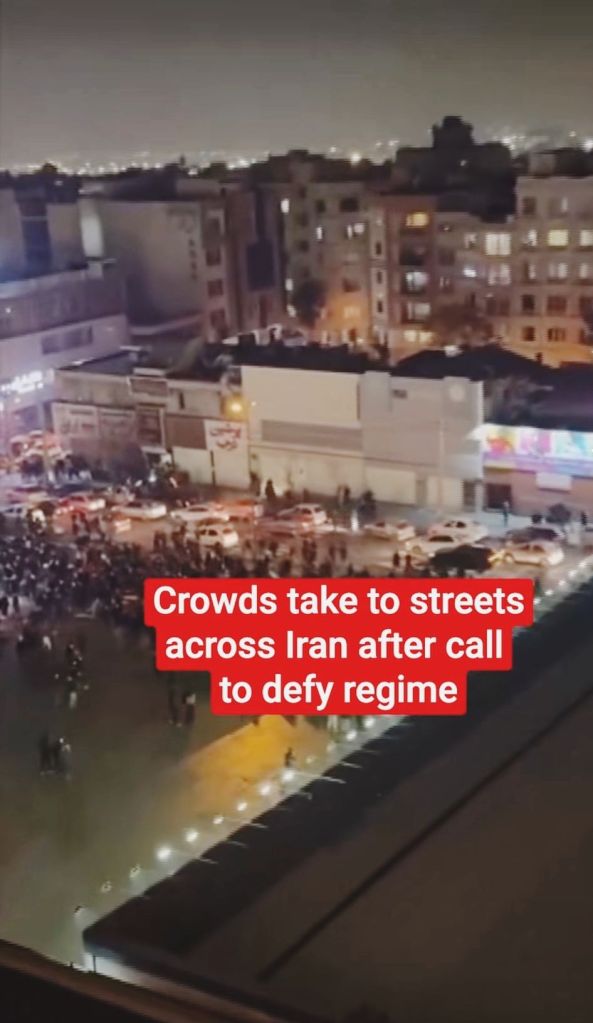
At the heart of the unrest lies a brutally simple truth: economic arithmetic has become unbearable. Iran’s currency has been losing value steadily for years, eroding wages, savings, and dignity with mechanical cruelty. Inflation hovering around 40 percent, and far higher for food and essentials, has turned daily life into a calculation of survival. When citizens can no longer price tomorrow, governance itself loses credibility. Rising costs of cooking oil, rent, transport, and medicine are not abstract statistics; they are intimate violations of household stability. In this context, public acts of anger—tearing down symbols, defying authority—are less ideological statements than moral indictments. The social contract, in the public mind, has already been broken by the state’s inability to protect economic life.
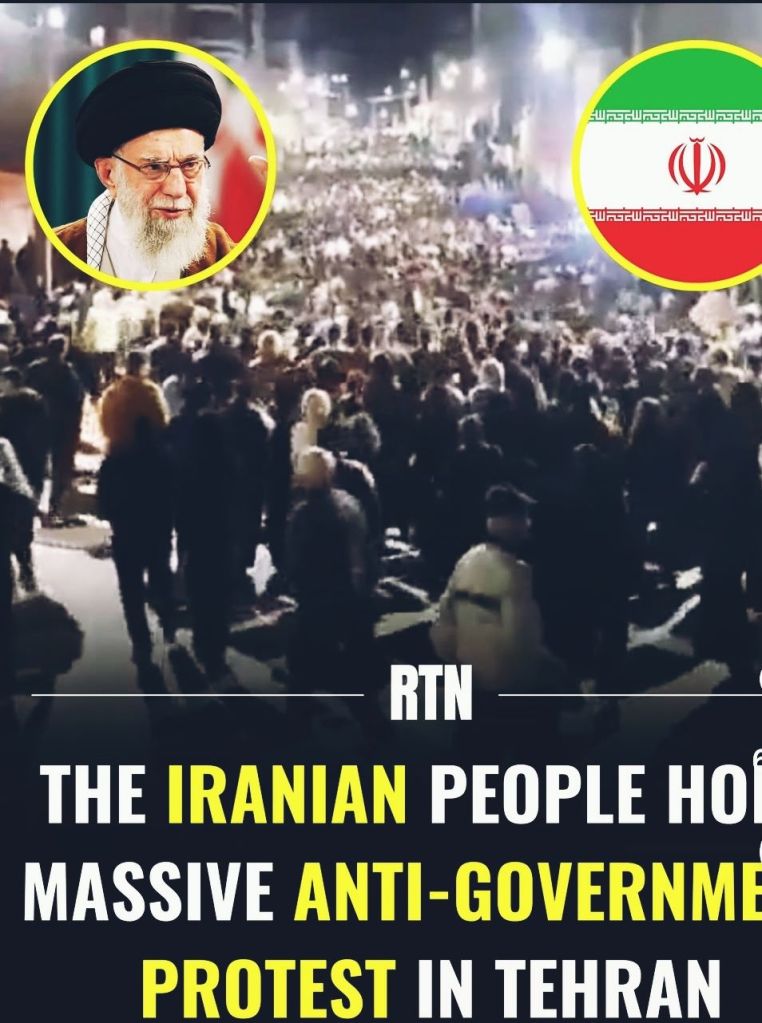
What makes this phase uniquely threatening to the system is the identity of those who first protested. Bazaar merchants, historically central to Iran’s economic and political architecture, have traditionally functioned as a stabilizing force rather than a disruptive one. When shop shutters come down in protest, it signals not peripheral unrest but internal fracture. These are not groups demanding marginal concessions; they are stakeholders questioning the competence and direction of the state itself. Once the commercial backbone withdraws confidence, the legitimacy crisis deepens. The protests thus reflect not only public anger but elite disillusionment—an erosion from within that authoritarian systems find hardest to contain.
Economic distress has rapidly expanded into open political defiance. Protest slogans have moved beyond complaints of mismanagement to direct challenges to authority and ideology. Calls questioning the Supreme Leader’s legitimacy, expressions of nostalgia for pre-revolutionary stability, and demands for systemic change reflect a society that no longer believes reform is achievable within existing structures. This is not episodic unrest triggered by a single policy error; it is the cumulative exhaustion of a population worn down by sanctions, corruption, repression, and the repeated failure of promised relief. Hope has not merely faded—it has been discredited.
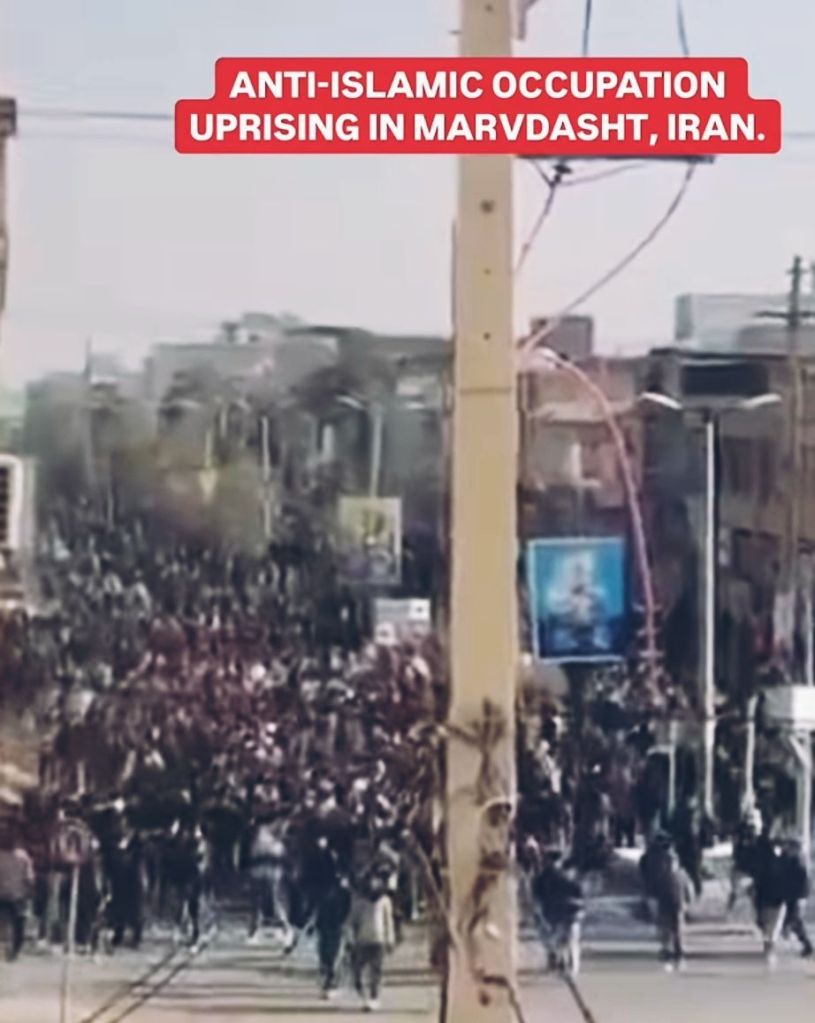
The state’s response follows a familiar but increasingly brittle pattern: securitization and silence. Security forces dominate public spaces while information flows are choked. The internet blackout is not a technical contingency; it is a deliberate political instrument. By severing connectivity, the state aims to disrupt protest coordination, block visual evidence from reaching the world, and isolate citizens psychologically from one another. Digital darkness becomes collective punishment. Yet this tactic reveals anxiety more than strength. Confident governments communicate; insecure ones censor. In an economy already weakened, shutting down the internet inflicts additional damage—crippling commerce, banking, logistics, and livelihoods. Each hour offline compounds resentment, turning control into self-inflicted harm.
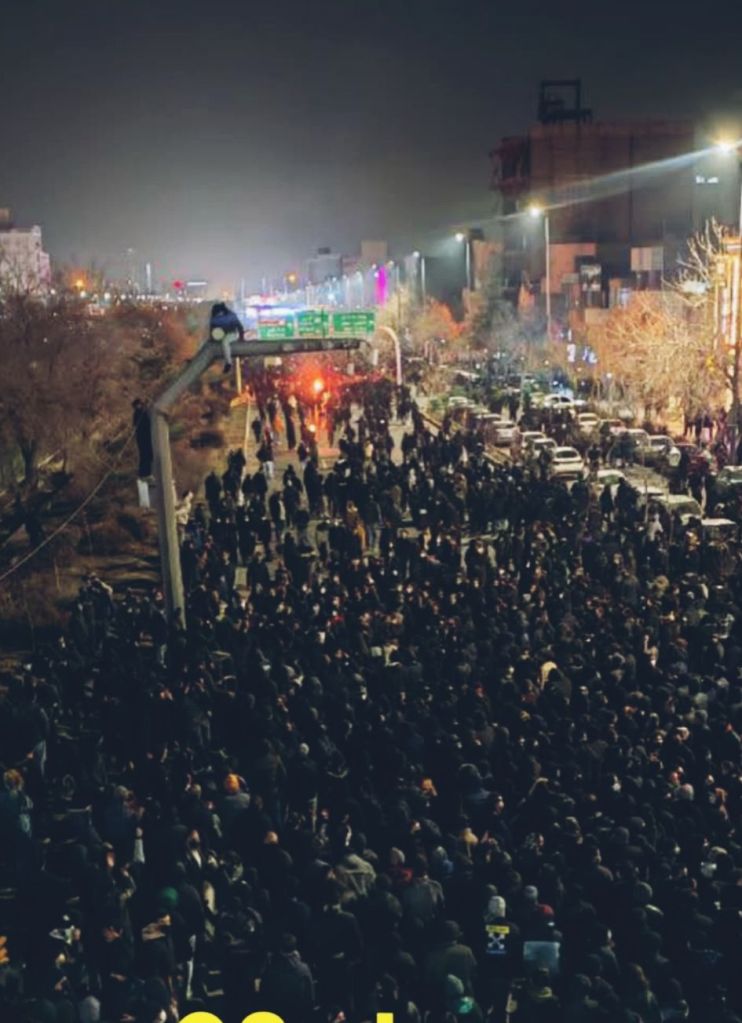
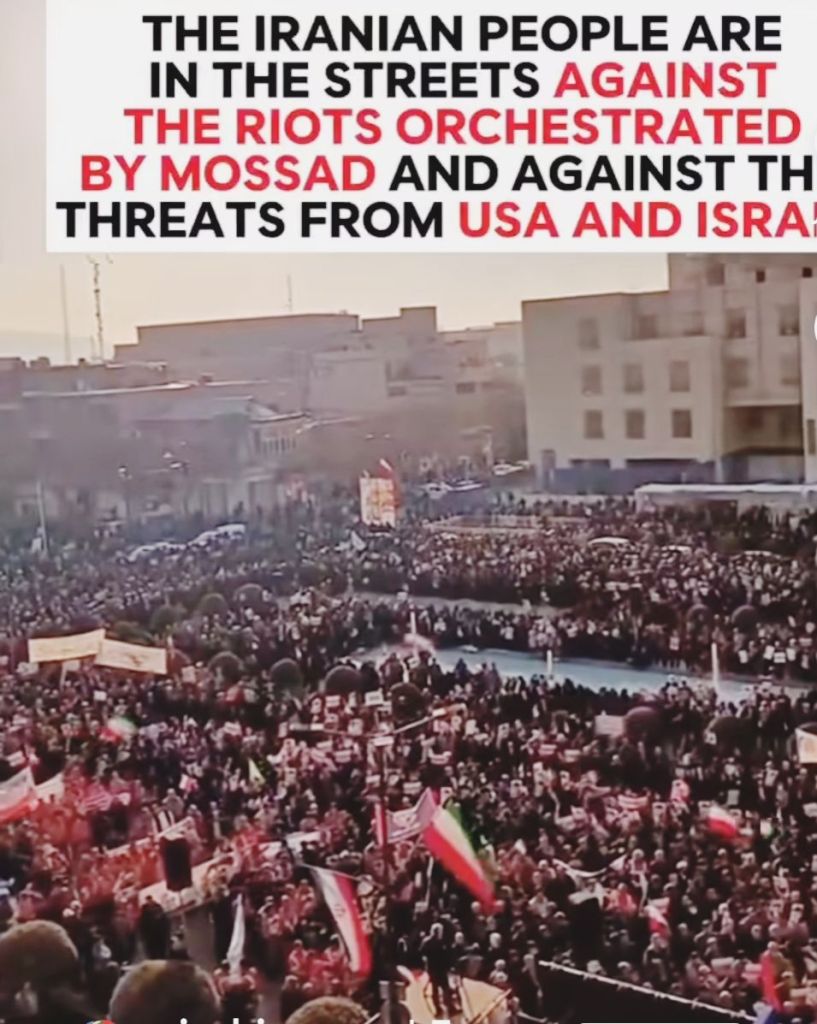
External reactions add another combustible layer. Statements of concern and condemnation from Western capitals provide symbolic encouragement to protesters but simultaneously offer the regime a familiar narrative of foreign interference. Framing dissent as externally orchestrated subversion has historically helped consolidate internal control. But its credibility is thinning. When inflation empties kitchens and unemployment corrodes self-worth, foreign conspiracies lose explanatory power. Economic pain is too immediate, too personal, to be dismissed as imported agitation. Nationalist deflection may still mobilise security elites, but it no longer persuades ordinary citizens.
What ultimately emerges is a state governing increasingly through coercion rather than consent, trapped in a narrowing corridor of options. Repression risks escalation; economic concessions require resources and reforms the system is structurally reluctant to provide. Meanwhile, the protest movement itself remains broad and emotionally unified yet organizationally fragmented. Leaderless movements are difficult to decapitate but also struggle to convert street energy into political outcomes—especially under communication blackouts. Still, the persistence of unrest across regions, classes, and ideologies suggests something deeper than coordination: a shared recognition that the future has been foreclose.
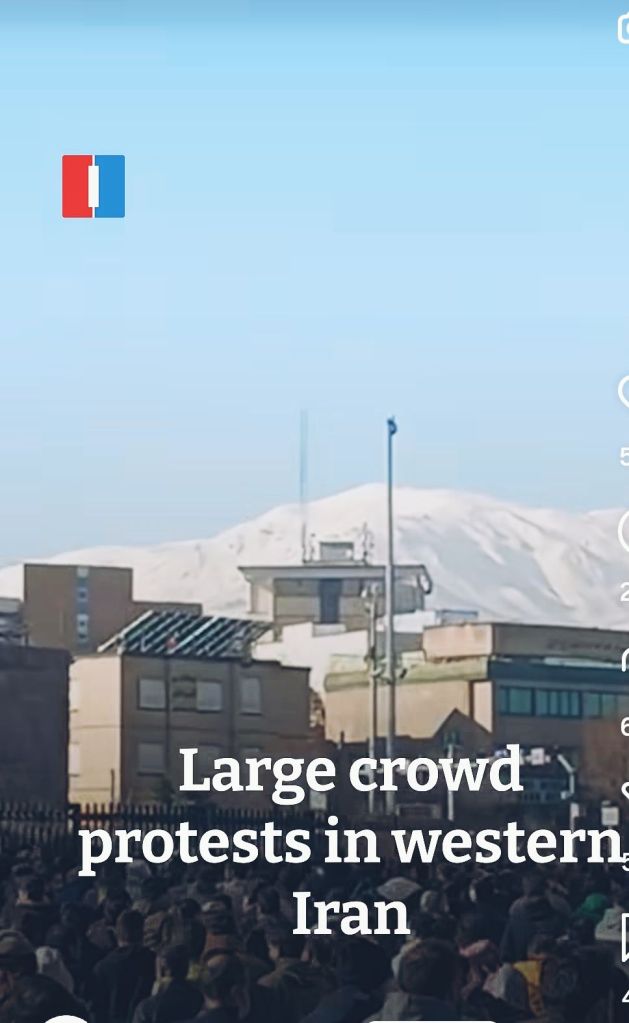
Iran has survived protests before, but this moment is distinct. Currency collapse mirrors moral collapse; digital isolation reflects political isolation. Even if streets are cleared and connectivity restored, the rupture endures. A population can be forced into silence, but it cannot be compelled back into belief. When a nation is unplugged while its money turns to dust, the damage is not temporary—it is remembered. And that memory, more than any slogan, is what makes this crisis a warning rather than an episode.
visit arjasrikanth.in for more insights
 SOCIAL PERSPECTIVES