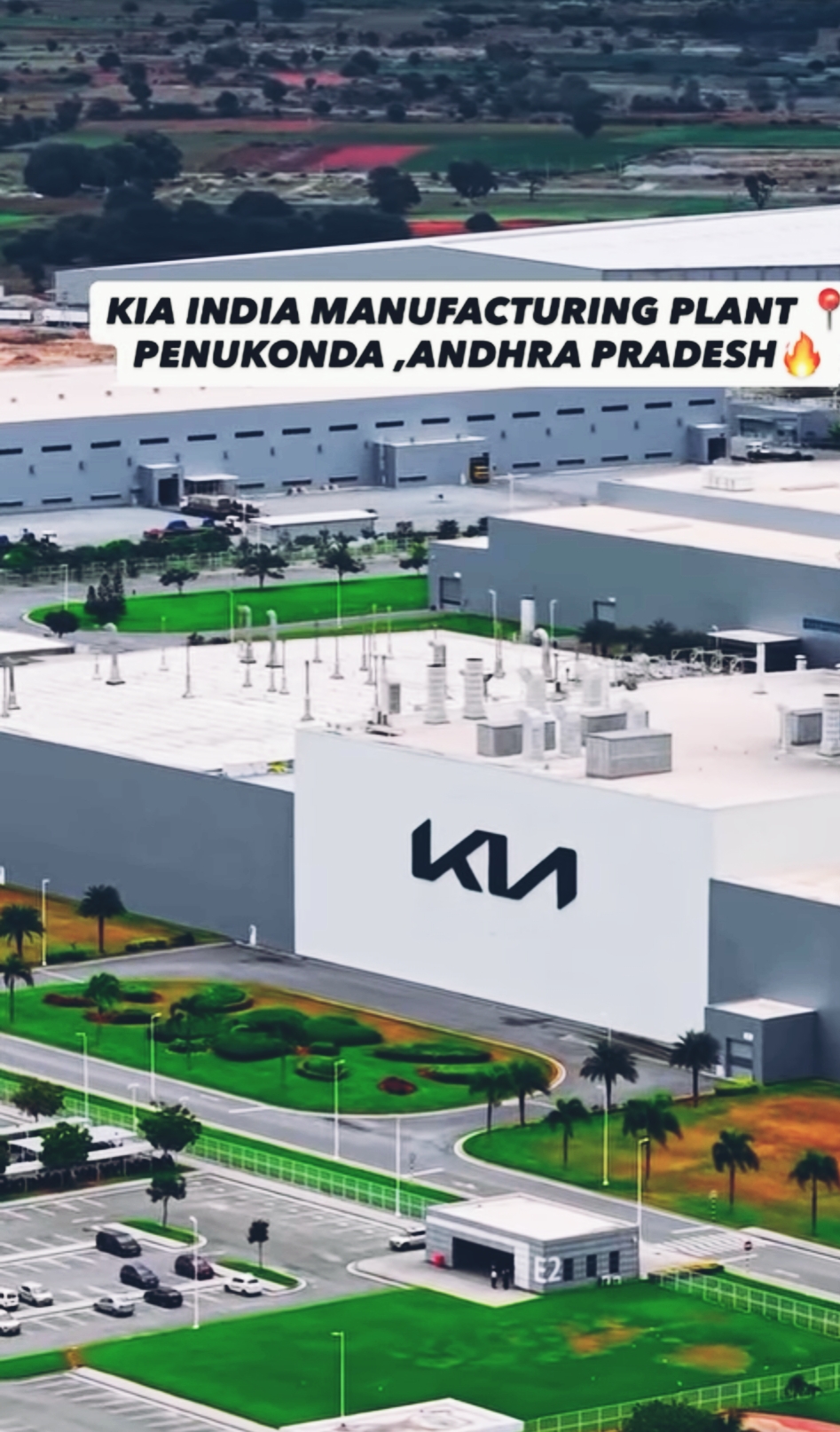
In a land where drought dictated destiny and migration became a rite of passage, the idea that global manufacturing could take root sounded almost utopian. This was a geography known more for empty bus stands than factory gates, more for seasonal despair than permanent opportunity. Yet history sometimes bends not through chance, but through vision backed by nerve. What unfolded here was not an industrial accident or a corporate gamble; it was a deliberate act of statecraft. Chandrababu Naidu, leading a newly formed and economically anxious Andhra Pradesh, chose to defy both geography and conventional wisdom by planting a world-class manufacturing ecosystem in one of the state’s most backward regions—and then ensured it succeeded.

The audacity lay not merely in attracting a global automobile manufacturer, but in deciding where to place it. In 2015, when most policymakers chased safe coastal belts or urban peripheries, Naidu looked inward, toward a drought-scarred, migration-prone district crying for structural change. Land was allotted, credibility was pledged, and risks were absorbed long before headlines followed. This was infrastructure-first economics in its purest form—build confidence first, capital will follow. At a time when the state itself was still defining its fiscal and administrative spine, Naidu wagered that execution, not incentives, would be the real differentiator.

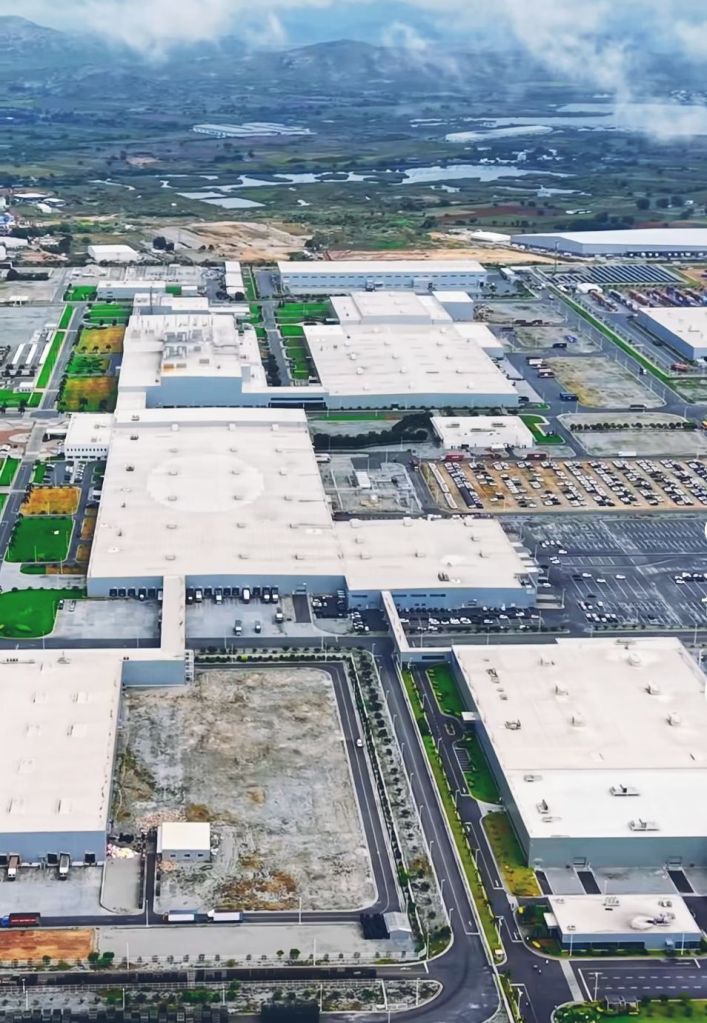
Industrial revolutions are rarely triggered by factories alone; they are born from invisible enablers. Water in a dry zone is not a facility—it is faith. Power is not supply—it is assurance. Roads are not concrete—they are commitments. What separated this project from countless MoUs was speed with seriousness. A reservoir was completed to guarantee water in a region long accustomed to scarcity. Dual power lines ensured uninterrupted electricity where outages were once routine. Roads, logistics corridors, and civil works moved with a sense of urgency unheard of in backward districts. In under fourteen months, a full-scale manufacturing complex rose from scrubland. Within two years, production began—not ceremonially, but competitively, aligned with global benchmarks. The message was unmistakable: backward regions fail not due to lack of potential, but due to lack of execution.

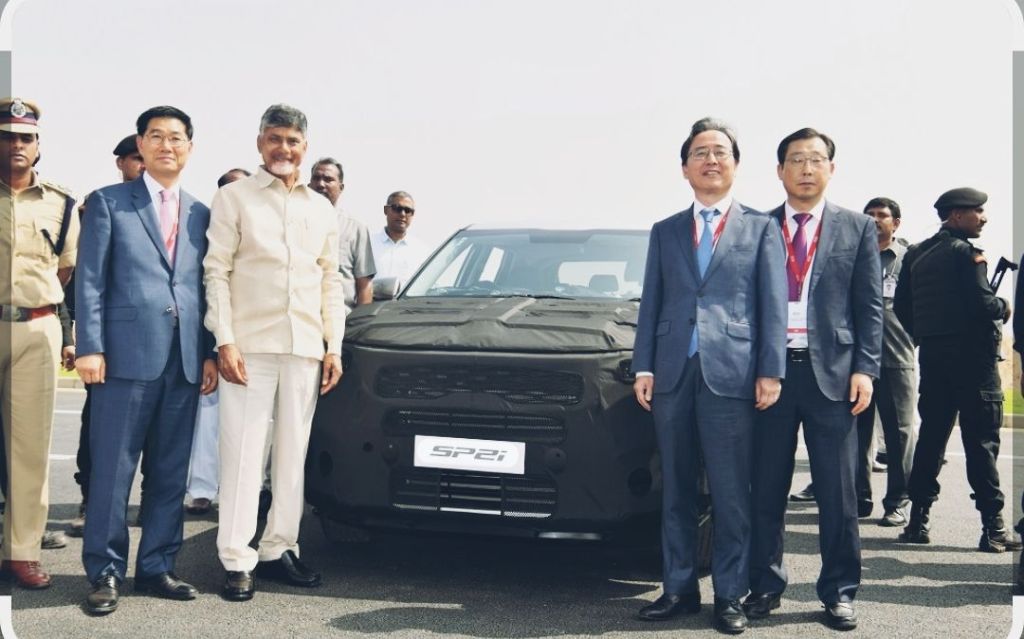
Today, one car rolls out every minute, and over three lakh vehicles are produced annually. Yet the true output is not measured in units, but in lives restructured. Tens of thousands of jobs—predominantly for local youth—emerged directly, many of them first-generation industrial workers who had never imagined a shop floor as a career destination. Around this core grew an ecosystem alive with motion: ancillary units, supplier parks, logistics hubs, training institutes, transport services, and small businesses feeding off continuous economic energy. Drivers became entrepreneurs, helpers became supervisors, and migration quietly reversed—not through subsidies, but through dignity.

The transformation radiated outward. A sixty-kilometre radius that once symbolised stagnation now hums with economic confidence. Land values multiplied, rentals surged, housing layouts mushroomed, and retail followed employment. Infrastructure built for industry lifted communities wholesale—better roads improved connectivity, reliable power altered daily life, and water access expanded beyond factory gates. Hospitals, schools, restaurants, and skill centres followed people, not policies. This was not industrialisation that displaced geography; it reorganised it. A backward district became a reference point, studied by investors and planners across India.
Social change followed economic certainty. Women entered shop floors in significant numbers, challenging inherited norms and reshaping household aspirations. Families invested more aggressively in education, especially technical skills. Exposure to global manufacturing culture altered attitudes toward punctuality, quality, safety, and teamwork. Rising incomes translated into better healthcare, improved housing, and cultural confidence. Corporate social responsibility complemented public effort—supporting education, health, water conservation, and afforestation in one of the state’s most stressed ecological zones. This was not industry as extraction; it was industry as integration.
Critics rightly point to challenges. Growth clustered around a single anchor risks uneven development if not replicated elsewhere. Rising land prices strain affordability for those outside the ecosystem. Dependence on one major industry demands diversification into allied manufacturing and services. Agriculture faced labour shifts, and skill mismatches required correction. These are not indictments; they are predictable side effects of rapid transformation.
What matters is that such challenges are manageable—and worth managing—because the alternative is permanent backwardness.
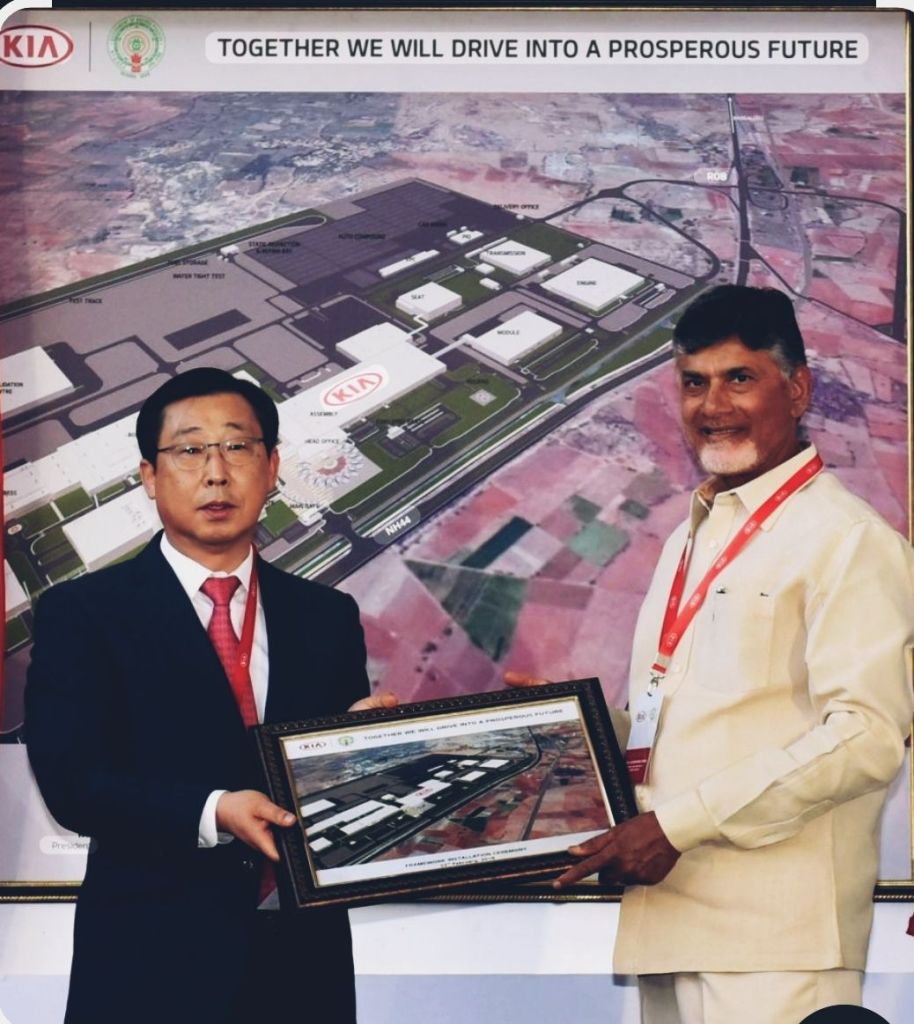
The deeper lesson transcends one factory or one district. It proves that regional inequality is not destiny, that geography is negotiable, and that political vision, when matched with administrative speed, can rewrite economic maps. Chandrababu Naidu’s approach demonstrated that manufacturing need not chase existing prosperity; it can be sent to create it. If replicated deliberately across regions, such ecosystems can become growth poles lifting entire hinterlands.
This story is not about automobiles. It is about intent with courage. It is about believing that backward regions deserve first-class infrastructure, not leftover schemes. And it is about a leadership philosophy that understands a simple truth: when vision meets execution, even a desert can learn to assemble the future—one car at a time.
visit arjasrikanth.in for more insights
 SOCIAL PERSPECTIVES