
Imperialism did not end when colonial flags were lowered; it simply upgraded its operating system. In the twenty-first century, domination rarely arrives by gunboats alone. It moves through spreadsheets and sanctions, servers and standards committees, supply chains and security guarantees. Control is exercised without annexation, obedience extracted without occupation. Developed nations now practice a refined form of imperial aggression that denies its own existence, cloaking coercion in the language of rules, values, and global order even as it quietly hollows out the institutions meant to restrain power. This is empire without responsibility, influence without accountability, and authority without consent.
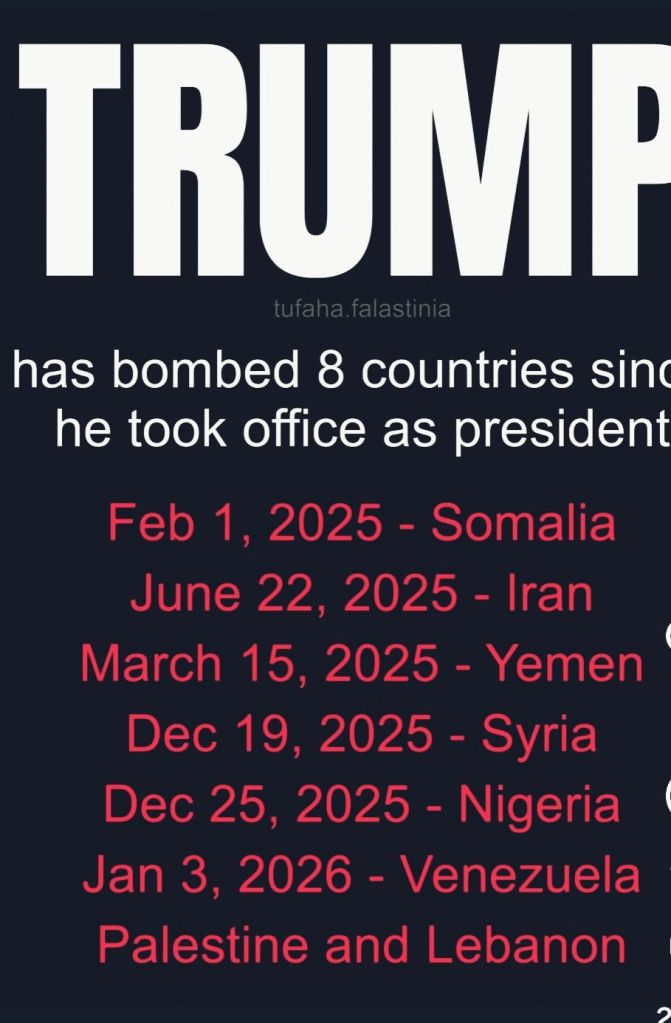
The United States exemplifies this new grammar of dominance through its sanctions regime. By weaponizing the centrality of the dollar and the global financial system, Washington extends its jurisdiction far beyond its borders.

Secondary sanctions on Iran and Venezuela do not merely target governments; they discipline banks, companies, and entire economies in third countries that have no vote in American policy. What is marketed as moral enforcement functions in practice as economic siege warfare, reshaping domestic politics, choking trade, and forcing foreign alignments under the threat of exclusion from global finance. The power of SWIFT, payment clearing, and compliance regimes turns the financial system into a tool of geopolitical obedience, transforming market access into a privilege granted by political favour.
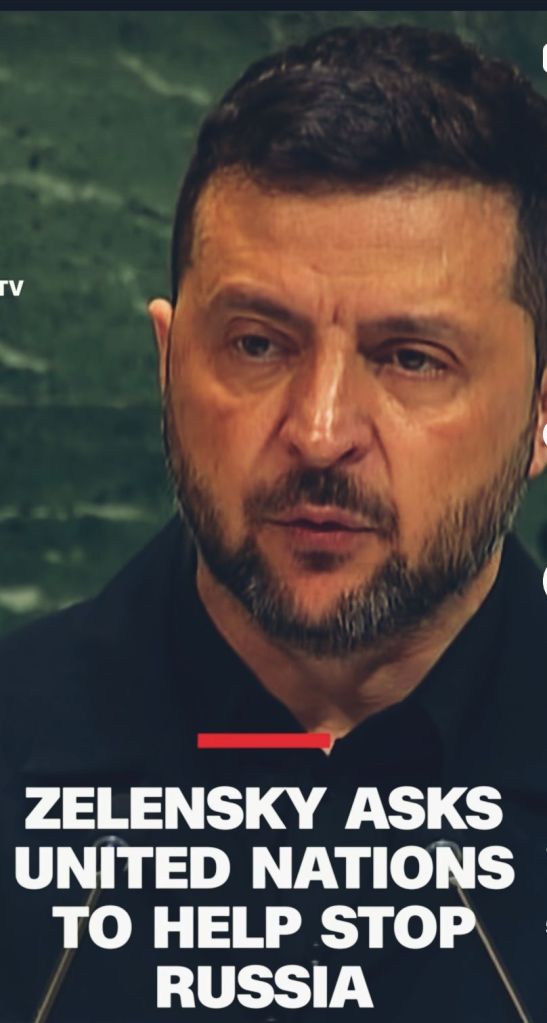
Russia represents a different but complementary strand of modern imperialism. Its annexation of Crimea and invasion of Ukraine are blunt violations of the UN Charter, yet they are reinforced by subtler instruments of control. Cyberattacks, energy blackmail, election interference, and disinformation campaigns fracture societies from within, eroding trust and exhausting resistance. This hybrid warfare blurs the line between peace and conflict, allowing aggression to continue below the threshold that would trigger decisive collective response. It is imperialism adapted to an era where overt conquest is costly but destabilisation is cheap.
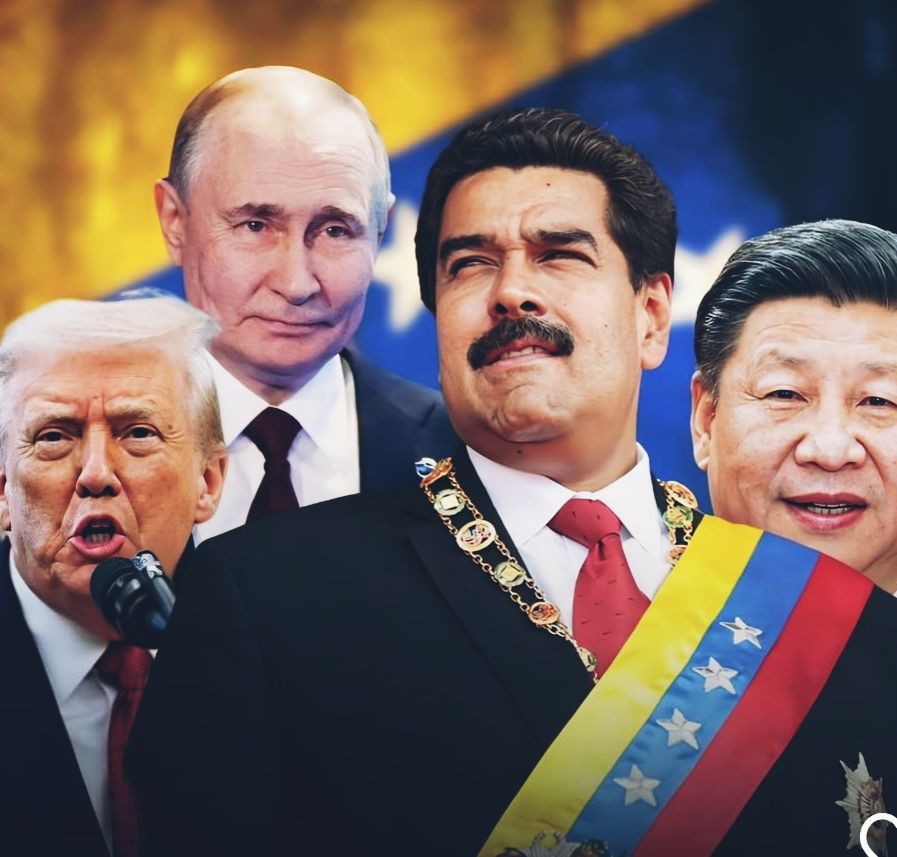
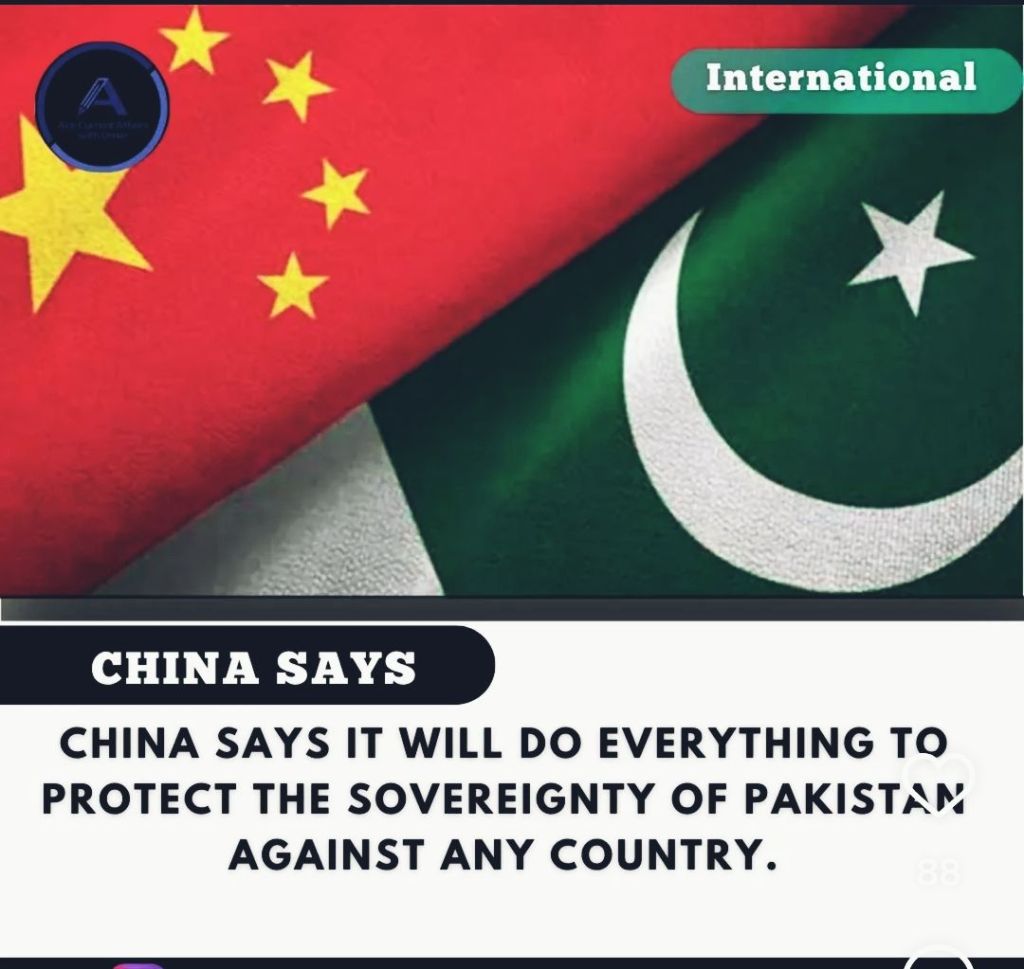
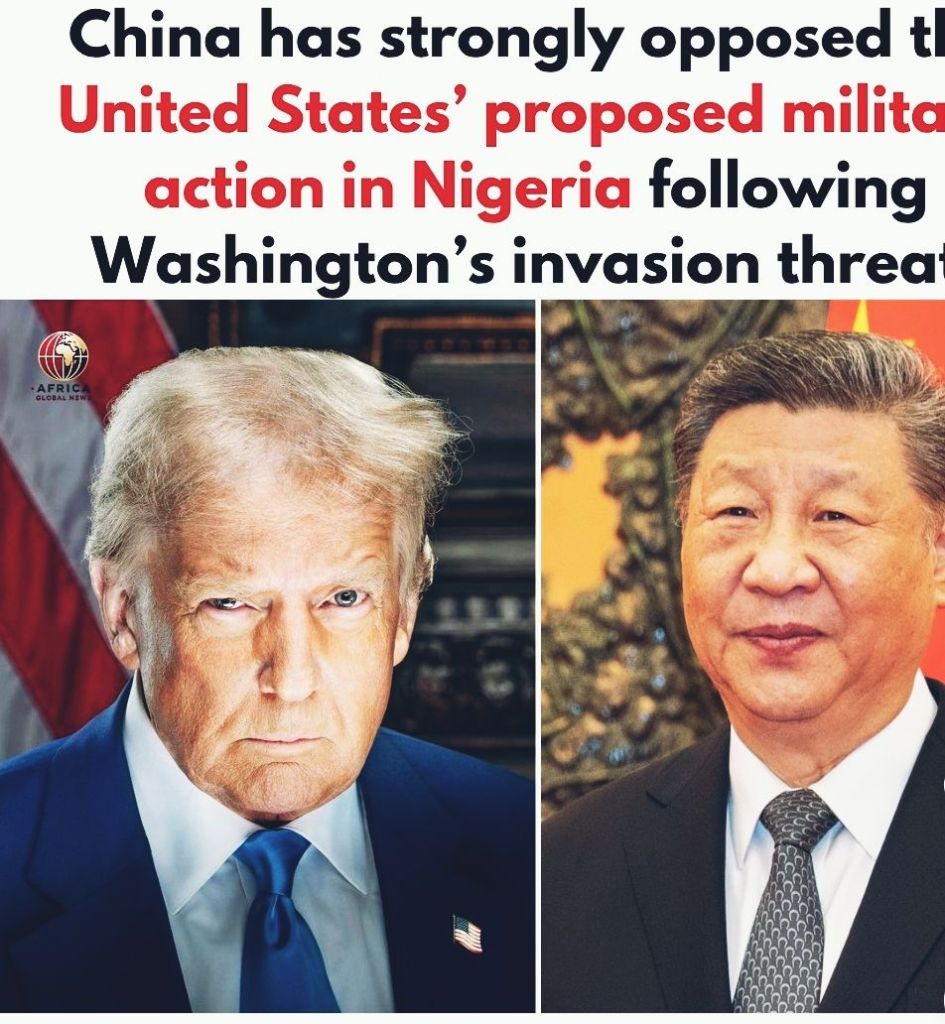
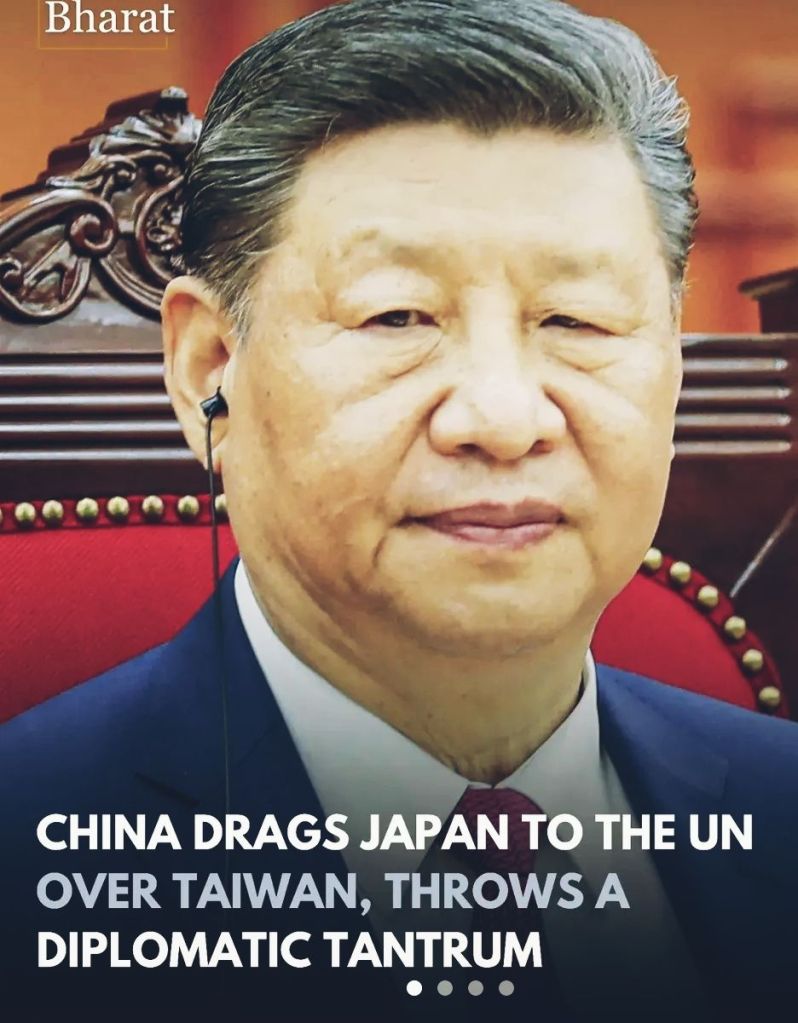
China’s approach is quieter, longer, and often more deniable. Despite international legal rulings, Beijing has militarised the South China Sea, transforming reefs into fortresses and law into suggestion. Simultaneously, the Belt and Road Initiative exports infrastructure finance that often creates asymmetric dependency. Ports, power plants, and highways are presented as development assistance, but the leverage lies in debt, standards, and strategic access. Control emerges not through soldiers, but through contracts and connectivity. Different styles, same outcome: hierarchies of power imposed without the consent of those subjected to them.
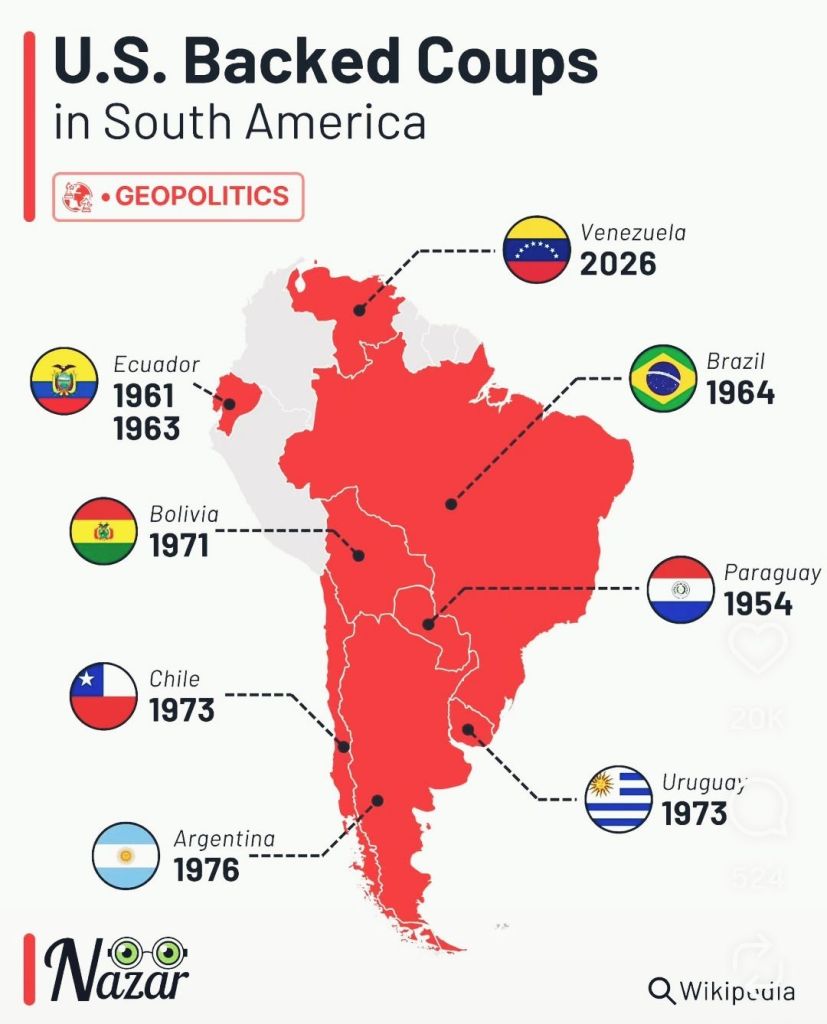
This behaviour is no longer confined to superpowers. Regional actors, sensing the erosion of global norms, pursue their own imperial micro-projects. Saudi Arabia’s intervention in Yemen, sustained by advanced arms imports, and Turkey’s cross-border operations in Syria reveal how middle powers exploit geopolitical ambiguity. These actions flourish because enforcement mechanisms are selective and politicised. When great powers violate norms with impunity, smaller powers learn quickly. International law becomes advisory rather than binding, and sovereignty becomes conditional on strength rather than principle. The global system drifts toward a reality where legitimacy is determined by capability, and legality follows convenience.
The systemic dangers of this order are profound. Decision-making over global public goods—climate stability, financial resilience, cyber security, pandemic response—is concentrated in a handful of capitals. The Global South absorbs consequences without shaping rules. The United Nations, designed as a collective security system, is paralysed by veto politics precisely when permanent members or their allies are involved. This paralysis erodes legitimacy and pushes states toward ad-hoc coalitions that answer to no universal authority. As norms weaken, aggression becomes contagious, and strategic rivalry eclipses cooperation. Existential threats are converted into bargaining chips.
Economic decoupling and rival technology blocs further fracture the system. Competing standards in semiconductors, telecommunications, and digital infrastructure raise costs and fragment supply chains. Developing economies, least able to absorb shocks, suffer the most. The promise of globalisation—shared prosperity through interdependence—is replaced by weaponised interconnection, where vulnerability becomes leverage. Empire, once territorial, is now systemic.
Yet this crisis is structural, not inevitable. The path forward does not lie in nostalgia for a mythical liberal order that never fully existed, but in rebuilding institutions to reflect contemporary power realities. Reforming the UN Security Council—curbing veto abuse and expanding representation—is no longer radical; it is essential for credibility. Middle-power coalitions and forums like the G20 must evolve from talk shops into coordinating engines capable of balancing superpower excesses. Global economic governance requires recalibration, updating IMF and World Bank structures to reflect present-day economic weight and voice. Redundancy in financial systems can reduce vulnerability to unilateral coercion without abandoning transparency or rule-based norms.
The emerging world is neither Pax Americana nor Pax Sinica, but a fragile Pax Competitiva—peace maintained through rivalry, deterrence, and constant brinkmanship. Unless imperial behaviour is constrained by credible institutions, the future points toward spheres of influence, perpetual instability, and collective failure on planetary crises. The choice before humanity is stark: accept a world run by a few powerful states practicing imperialism without flags, or build a genuinely multipolar order where power is disciplined by rules and shared responsibility. History teaches that empires eventually collapse under their own contradictions. The unanswered question is how much damage they inflict before they do.
Visit arjasrikanth.in for more insights
 SOCIAL PERSPECTIVES
One response to “Empire Without Flags: The World’s Richest Nations Colonise the Future While Preaching the Past”
Empire without flags is reduced not by rejection of the world, but by reclaiming control over technology, finance, narratives, and the right to define the future. mainly to change the human thinking
LikeLike