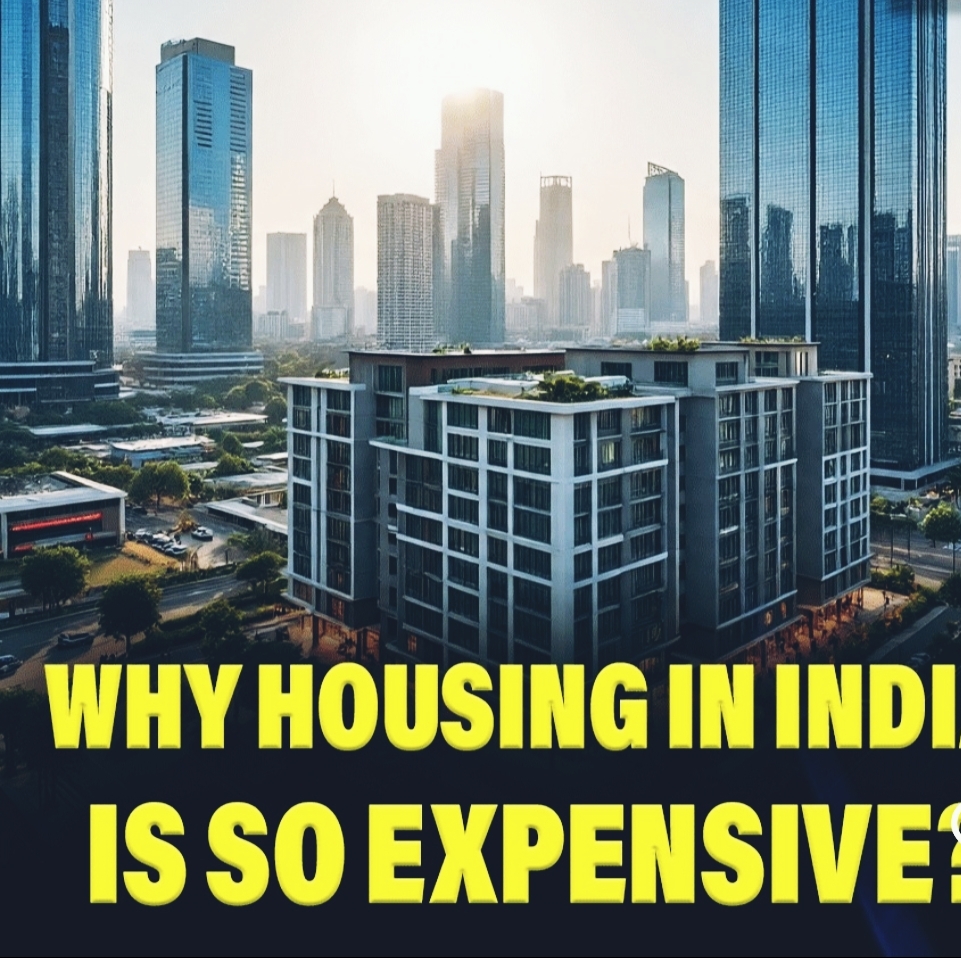
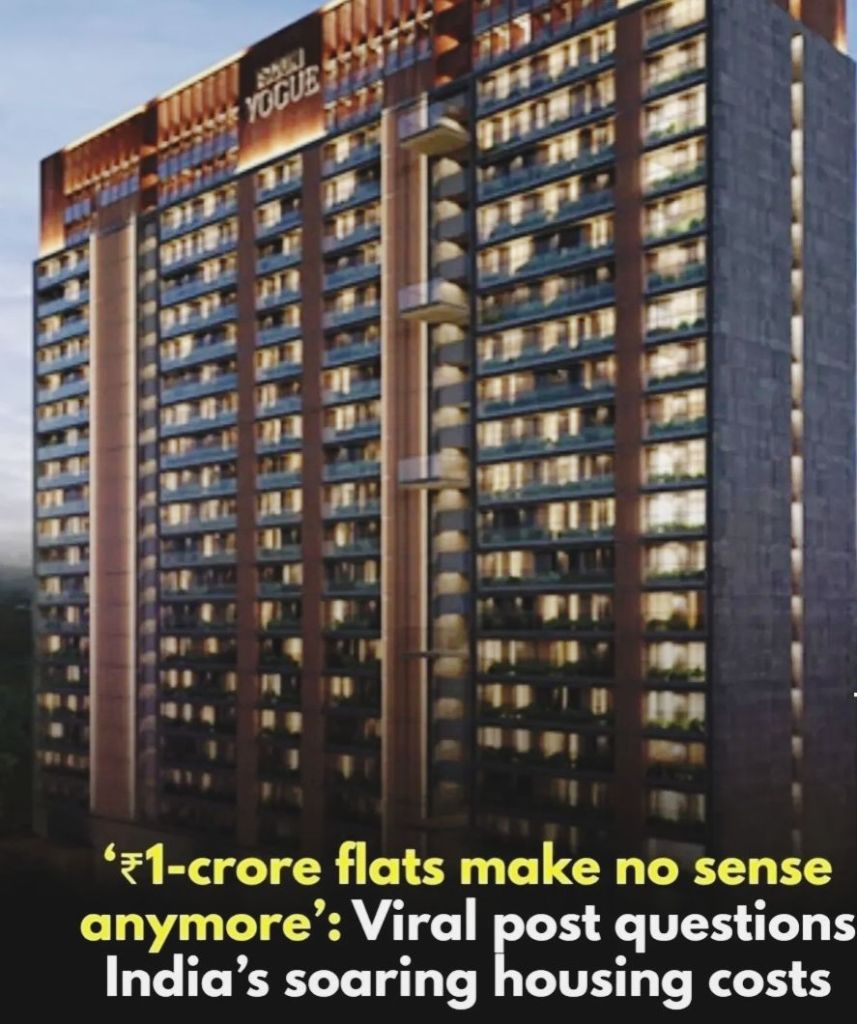
Walk into any major Indian city today—Delhi, Mumbai, Bengaluru, Hyderabad—and you encounter a quiet absurdity masquerading as economic progress. A modest two-bedroom apartment routinely costs over ₹1 crore. Housing has crossed a psychological and material threshold: it is no longer merely expensive, it is structurally exclusionary. What was once a middle-class aspiration has become an arithmetic impossibility, demanding as much as 376 months of salary for ownership. This crisis is no longer confined to the urban poor; it has consumed the middle class and now stalks the upper middle class. That alone should settle the debate: this is not a market malfunction or a temporary bubble. It is a policy-manufactured disaster unfolding in slow motion.
Strip the problem to its economic skeleton and the illusion collapses quickly. A 1,500-square-foot urban flat selling for ₹1 crore typically costs ₹40–45 lakh to construct, often less with scale efficiencies. Even generous estimates rarely exceed ₹3,000 per square foot. The remaining ₹55–60 lakh is not brick, cement, or labour; it is land value, speculative premium, location rent, and profit extraction. Housing prices are not rising because homes are expensive to build, but because land has been converted into a financial instrument. Those who acquire agricultural land cheaply, wait for urban expansion, lobby for higher floor space indices, and monetise density capture enormous windfall gains. The city grows outward and upward, but access shrinks inward.
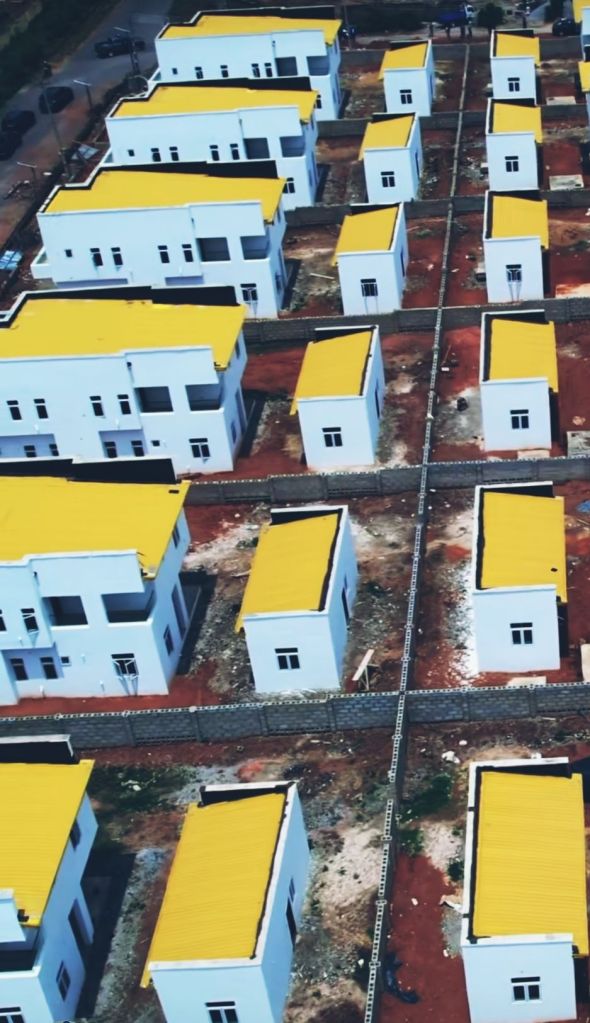
This is where the language of “demand and supply” becomes intellectually lazy. Demand exists because people need shelter near work, transport, and services. Supply, however, is not calibrated to need or purchasing power; it is engineered around developer margins and land-holding elites. Over the last three decades, housing in India has been systematically re-designed from a social necessity into a store of value. Apartments are parked, not lived in. Vacancy coexists with overcrowding. Slums expand even as unsold luxury inventory accumulates. Friedrich Engels identified this contradiction over a century ago, and it remains brutally relevant: the system does not resolve the housing problem; it displaces it spatially and socially.
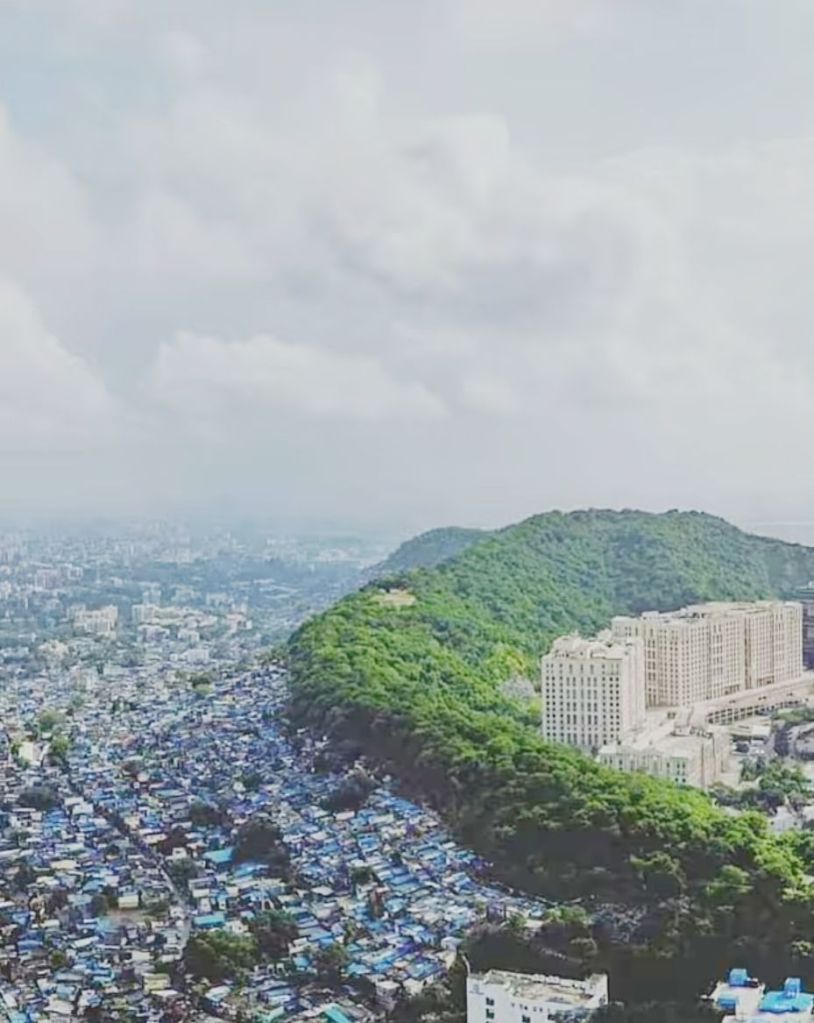
Urban policy bears deep responsibility for this distortion. The state has steadily retreated from its role as provider and regulator, recasting itself as a facilitator of private accumulation. Zoning relaxations, infrastructure subsidies, and land monetisation have been deployed not to ensure affordability, but to inflate transaction values. Planning institutions prioritised order over inclusion, aesthetics over access. Colonial legacies entrenched spatial segregation—elite enclaves, service quarters, informal settlements—and post-liberalisation cities intensified it. Housing outcomes were treated as accidental by-products of growth, not as explicit policy objectives. The result is predictable: over 40 percent of India’s urban population now lives in informal or precarious housing.
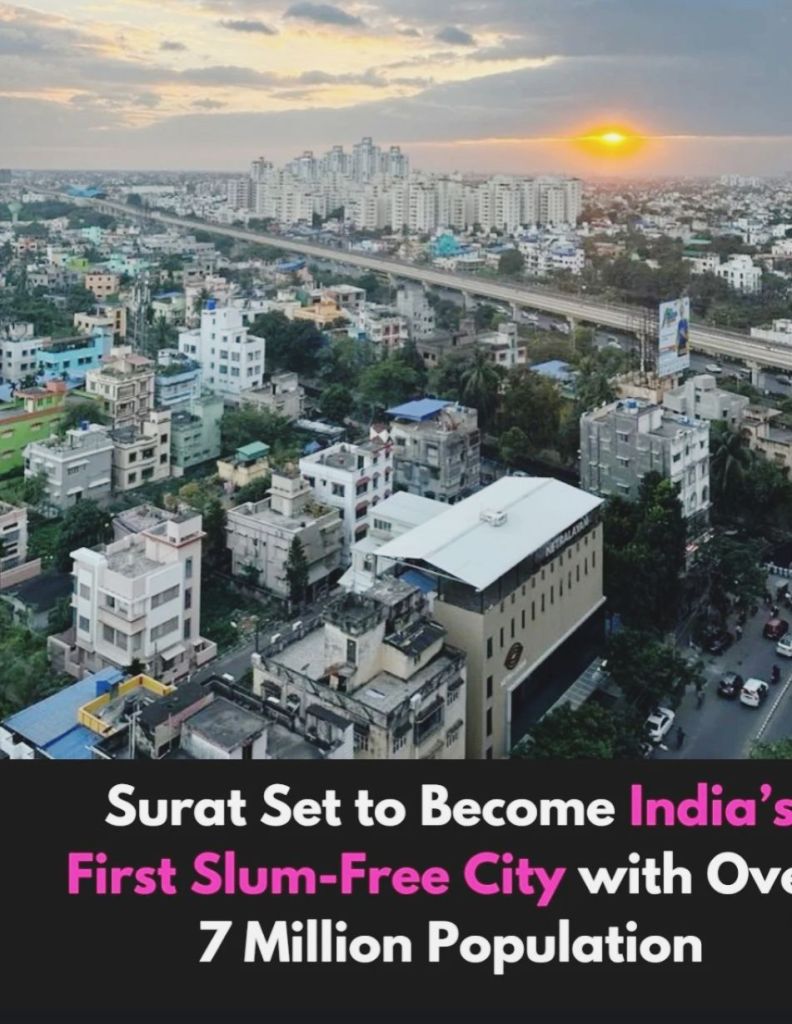
The social consequences are corrosive. When people cannot afford to live near work, cities sprawl, commutes lengthen, and productivity erodes. Migrant workers, sanitation staff, construction labourers, caregivers—the very people who keep cities functional—are pushed to the margins, denied the right to belong. Housing exclusion fractures urban citizenship itself. Belonging becomes contingent on ownership rather than contribution. Children displaced from informal settlements lose educational continuity. Health vulnerabilities multiply. Housing becomes an intergenerational trap instead of a ladder of mobility. Segregation hardens along class, caste, and religious lines, normalising spatial inequality as urban “common sense.”
The crisis, however, is artificial—and therefore solvable. The path forward is clear, even if politically uncomfortable. First, India must abandon the fiction that ownership is the only legitimate housing outcome. A diversified, secure, affordable rental housing market is essential in an economy defined by mobility. Singapore understood this early: over 70 percent of its population lives in well-located public housing integrated with transit, schools, and healthcare. Without that foundation, Singapore’s economic success would collapse. Indian cities need large-scale public rental stock, not token pilot schemes.

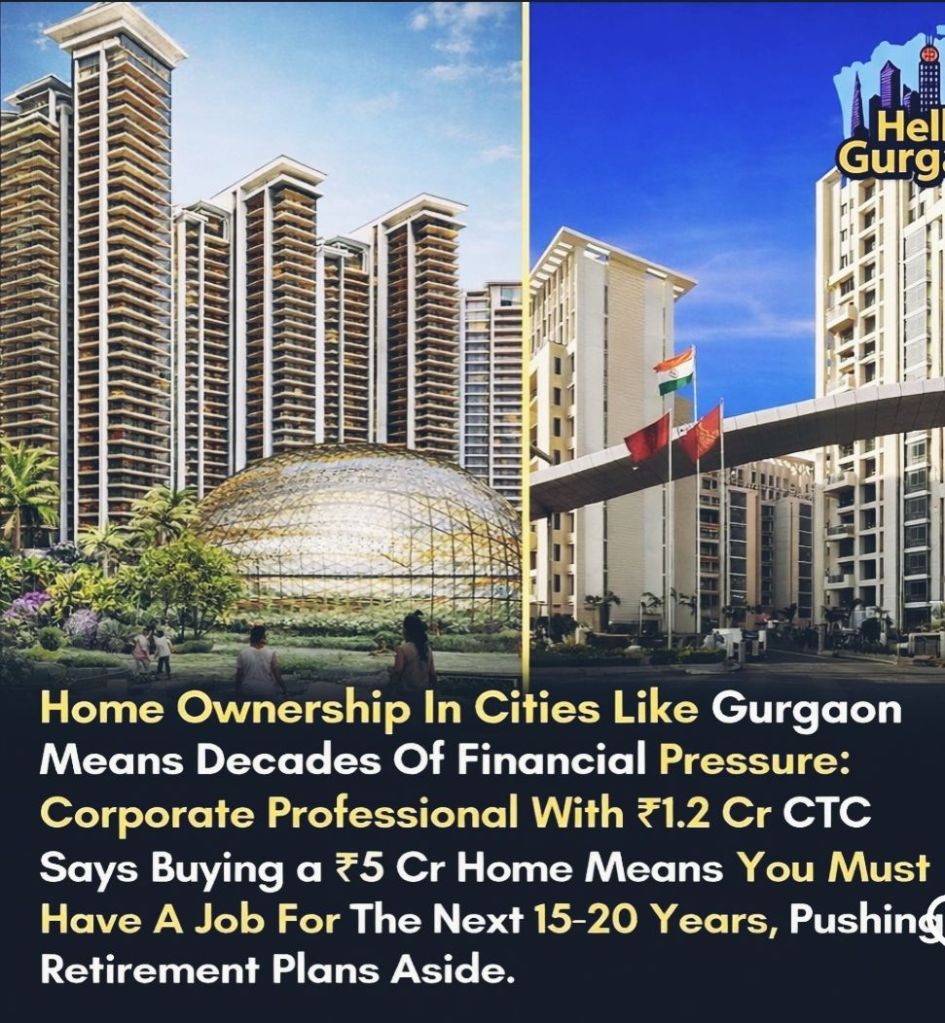
Second, land and housing must be actively de-financialised. Vacancy taxes, land-value capture, inclusionary zoning, and anti-speculation measures are not radical ideas; they are global norms. Kerala’s experiments with taxing vacant houses and Odisha’s urban housing mission demonstrate that states can intervene meaningfully when they choose to. Transparent land records, realistic FSI norms, and strict separation of land appreciation from speculative hoarding can rebalance incentives. Third, planning must pivot from market facilitation to social purpose. Transit-oriented development should mandate affordable housing as a non-negotiable condition of new economic corridors. Gurgaon’s glass towers stand as a warning of what happens when capital is welcomed but shelter is ignored. Informality must be recognised as structural, not aberrational. Community housing, cooperative models, and in-situ upgrading are pragmatic solutions, not compromises. The real question is not whether India can afford affordable housing; it is whether it can afford its absence. Housing is not about bricks and mortar. It is about what kind of society India chooses to build—and who it allows to belong within it.
Visit arjasrikanth.in for more insights
 SOCIAL PERSPECTIVES