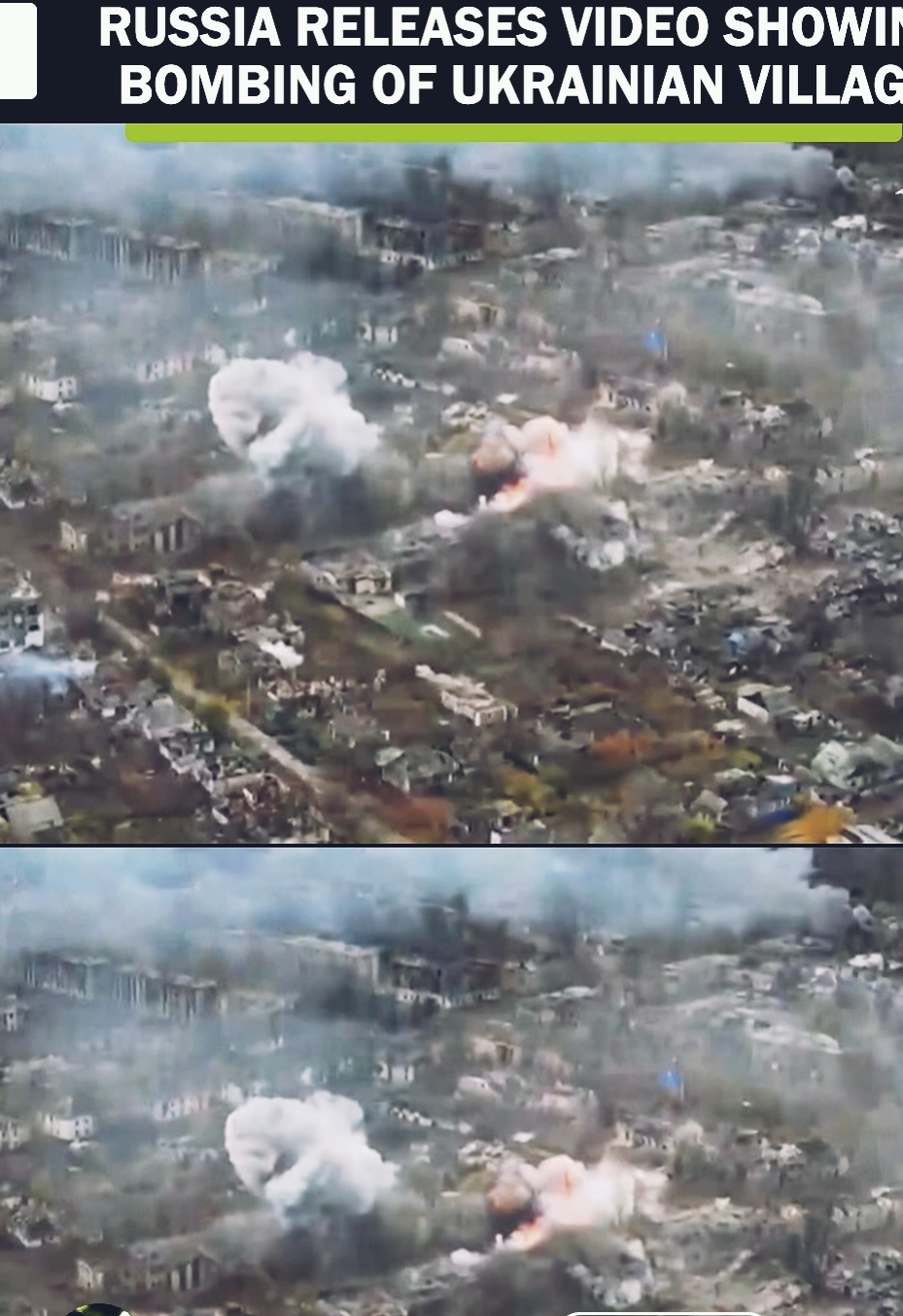
History will rightly record the Ukraine–Russia war as an act of aggression launched by Moscow. That moral clarity will endure. Yet history, being far less sentimental than politics, will also ask a harder and more uncomfortable question: how did Ukraine arrive at February 2022 so strategically exposed, so diplomatically ambiguous, and so structurally unprepared that an invasion turned into a near-existential calamity? Wars are not judged only by who fires the first shot. They are shaped by years of miscalculation, deferred choices, and illusions mistaken for guarantees. Ukraine’s tragedy is not merely that it was invaded, but that it walked into war carrying weaknesses that magnified destruction far beyond what was inevitable.
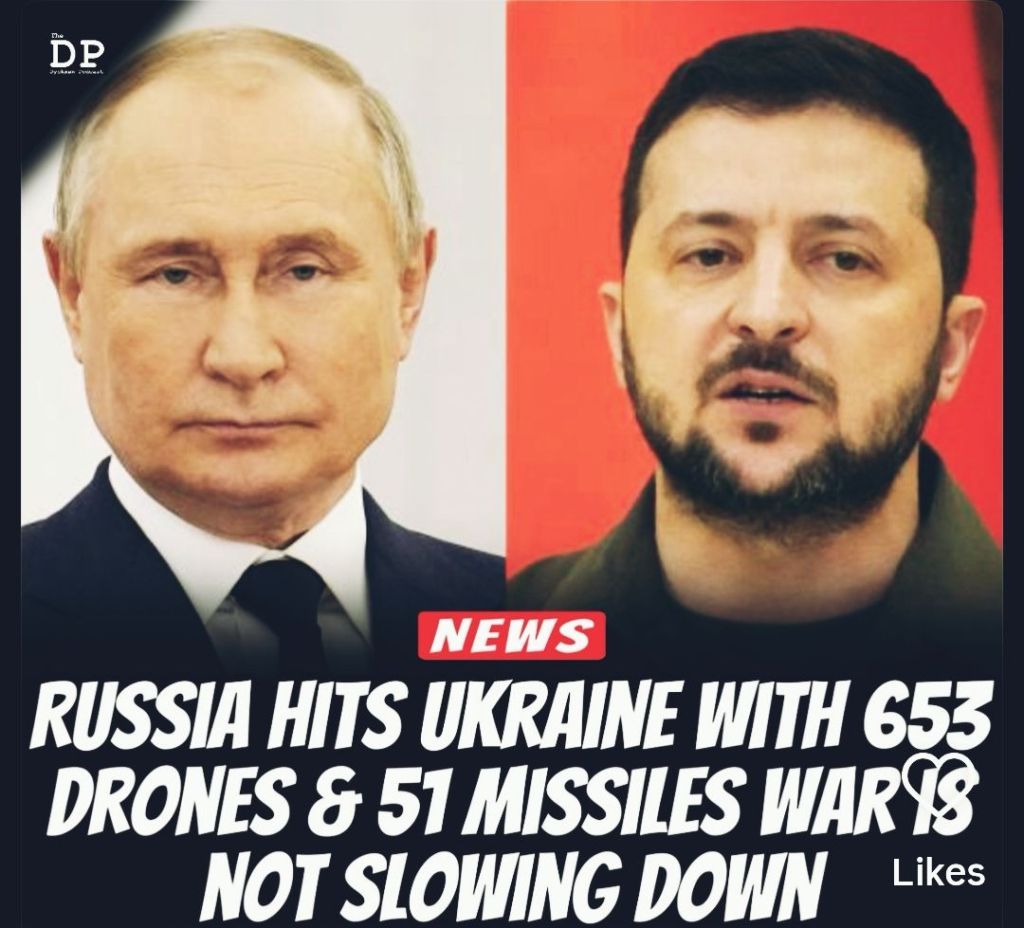
For years, Ukraine pursued NATO membership as a strategic anchor without securing binding security guarantees. This created the worst possible geopolitical posture: enough alignment to provoke Russian threat perceptions, but not enough commitment to deter aggression. Kyiv behaved as though signalling intent could substitute for hard power. In geopolitics, ambiguity does not buy time; it invites testing. The Minsk Agreements of 2014–15 exemplified this drift. Neither rigorously enforced nor decisively abandoned, they froze conflict without resolving it, allowing unresolved tensions to ossify into inevitability. Ukraine remained suspended between war and peace, mistaking paralysis for prudence.
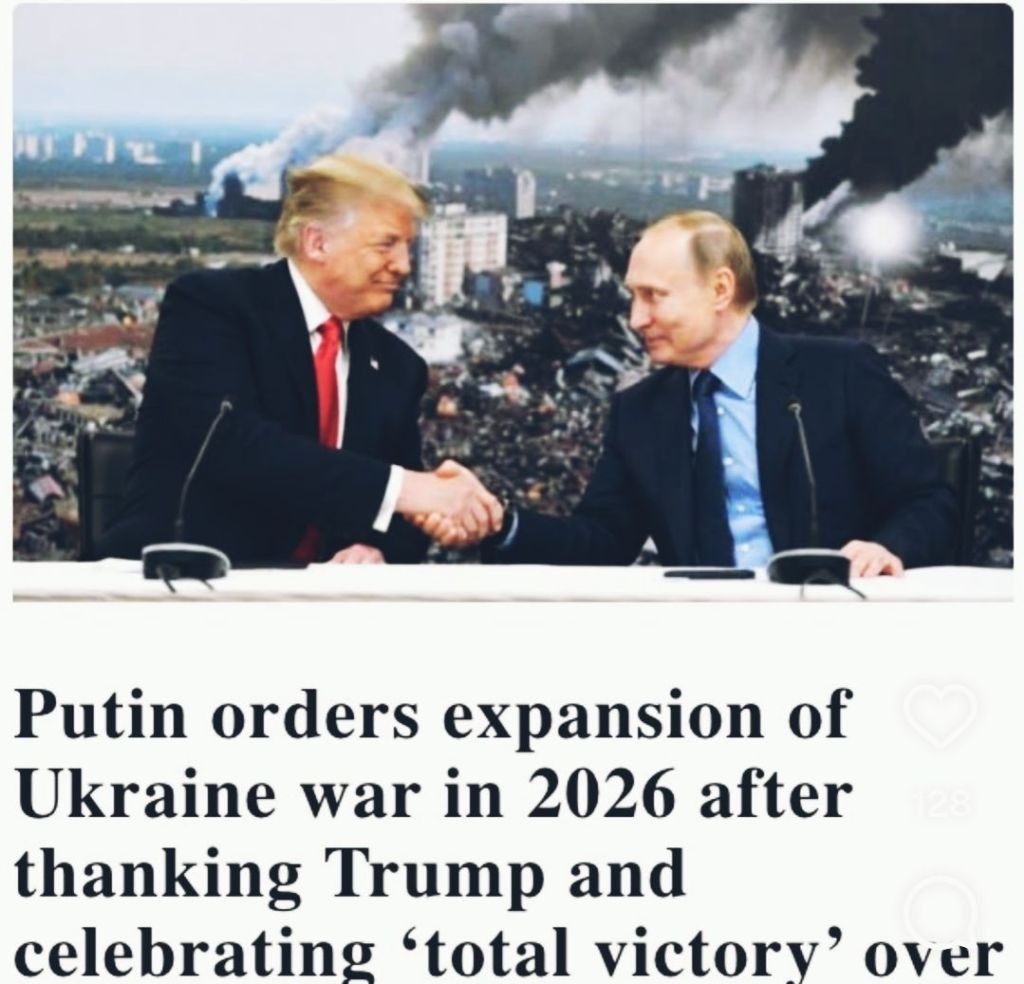
Militarily, Ukraine improved after 2014, but progress delayed is progress denied. Defence reforms remained incomplete when the invasion came. Ammunition stockpiles were inadequate, civil defence systems underdeveloped, and territorial defence structures more aspirational than operational. When war erupted, Kyiv attempted the impossible—defending all territory simultaneously against a concentrated and brutal adversary. This strategic overextension diluted force effectiveness and magnified losses. Requests for advanced Western weaponry surged largely after the invasion began, not during the years when deterrence could still have altered Moscow’s calculus. Ukrainian soldiers fought with extraordinary courage, but courage cannot compensate for delayed preparation.
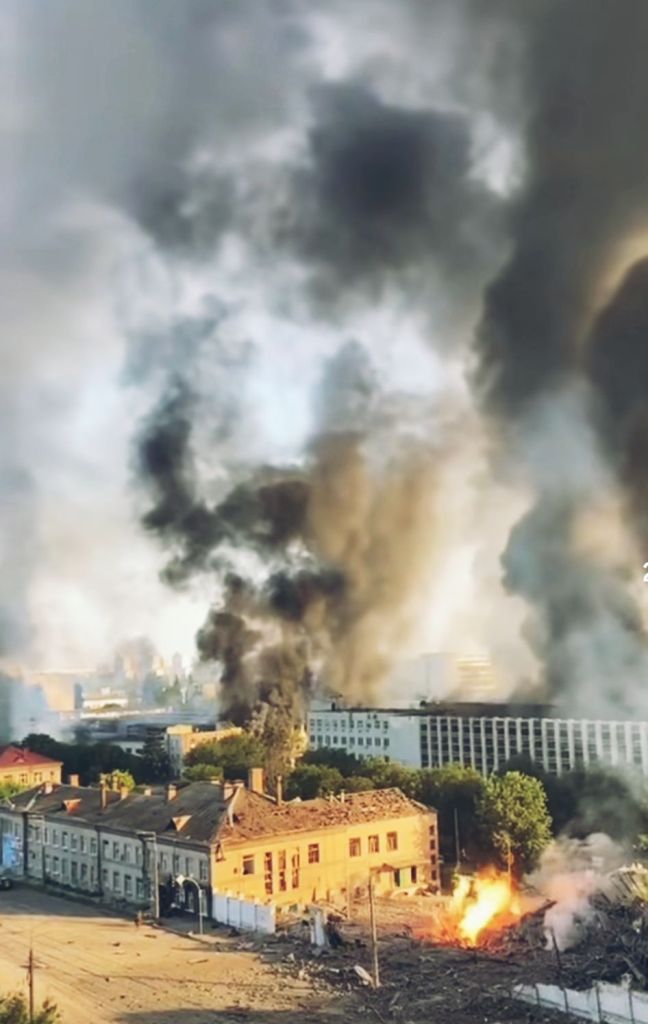
Economic and governance choices further deepened vulnerability. Despite clear warning signs, Ukraine remained entangled with Russian energy infrastructure until 2022, leaving critical systems exposed to coercion and disruption. Anti-corruption reforms, though genuine, moved too slowly to build the institutional resilience required for wartime governance. Corruption is not merely a moral failing in war; it is a logistical and operational weakness. The state entered conflict without sufficient administrative depth for sustained national mobilization, forcing improvisation amid bombardment. War punishes inefficiency ruthlessly, and Ukraine paid that price early.
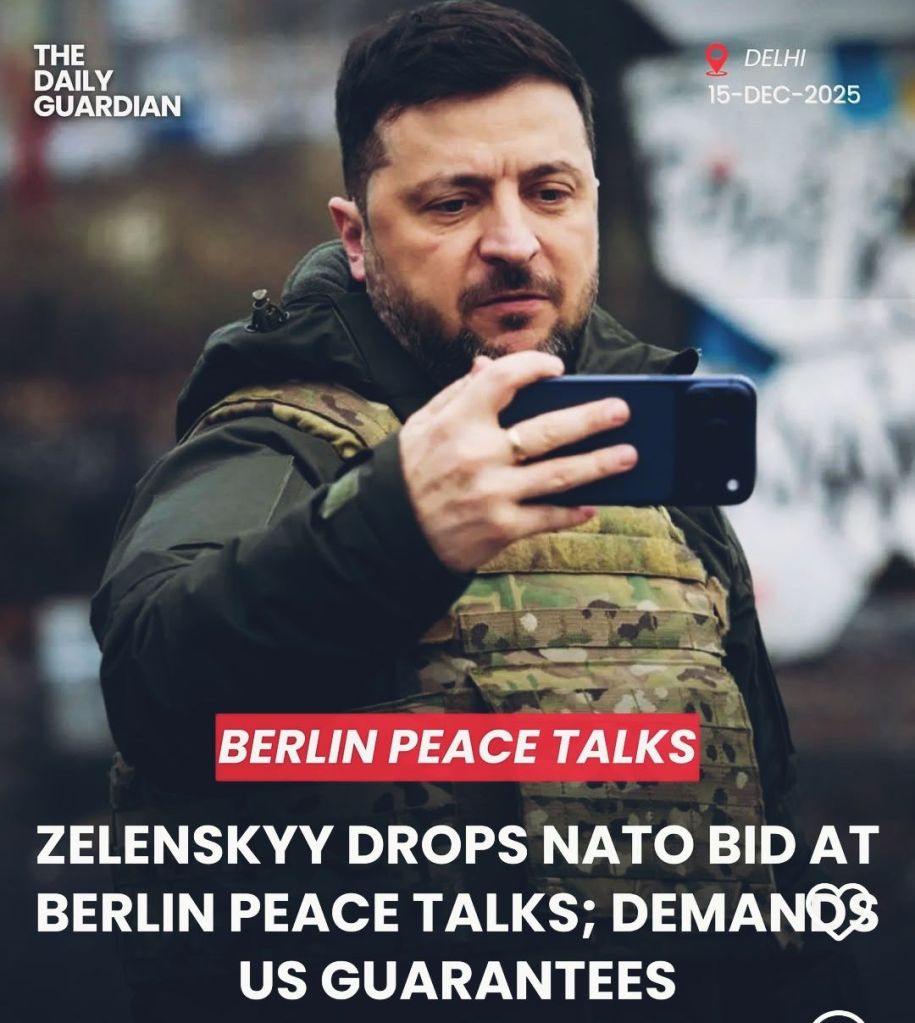
International partners share responsibility, but Ukrainian leadership misread external support with fatal optimism. Incremental Western sanctions between 2014 and 2021 signalled caution, not resolve, yet Kyiv interpreted rhetorical solidarity as strategic insurance. Diplomatic channels between Russia and the West collapsed without Ukraine securing alternative crisis-management mechanisms. The result was a vacuum where deterrence should have stood. When support finally surged, it did so reactively: training programs expanded mid-war, advanced systems arrived late, and early restrictions prolonged Ukraine’s conventional disadvantage. Outsourcing security while postponing self-reliance proved to be a devastating gamble.
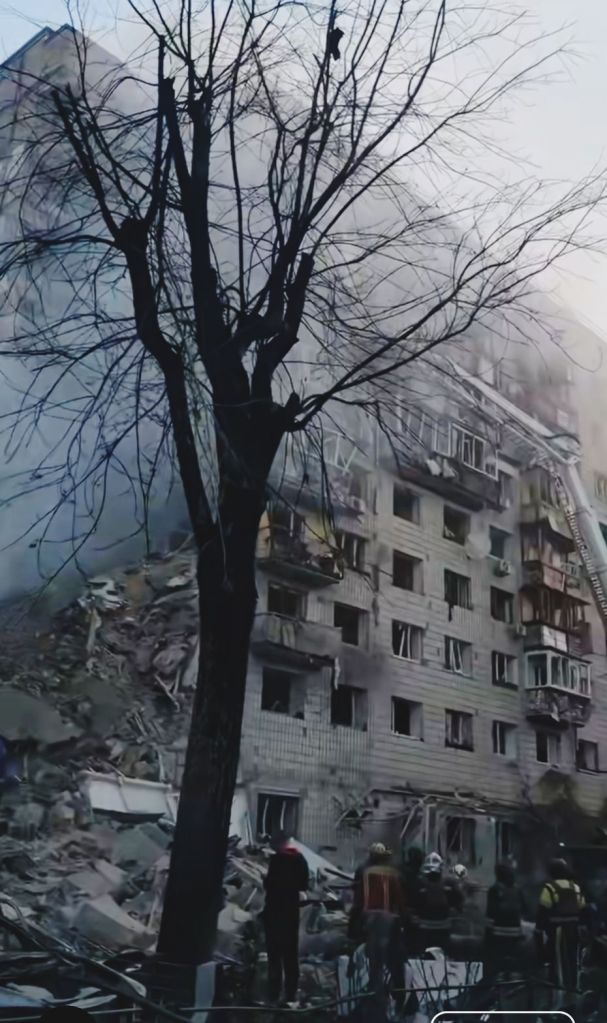
The human cost of these compounded failures is staggering. More than 14 million Ukrainians—nearly one-third of the population—were displaced. Cities were shattered, hospitals and schools reduced to rubble, and cultural heritage deliberately erased. Ukraine’s GDP contracted by roughly 30 percent in 2022 alone, while reconstruction costs now exceed $400 billion. The Black Sea blockade destabilized global food markets, demonstrating that Ukraine’s strategic miscalculations did not merely devastate itself but sent shockwaves across the world. The harsh lesson is unforgiving: modern war punishes ambiguity, delayed deterrence, and strategic adolescence.
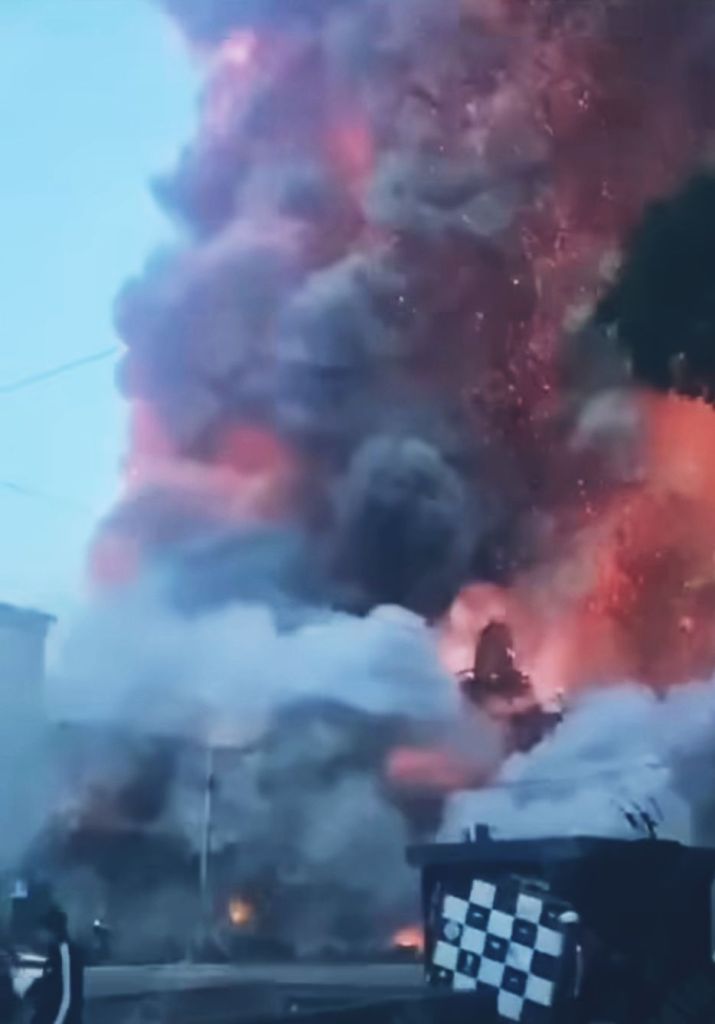
Ukraine’s disaster was not inevitable in scale or duration. Different choices—earlier defence hardening, clearer red lines, genuine energy decoupling, deeper civil preparedness—could not have prevented aggression, but they could have reduced its cost. The courage of the Ukrainian people remains unquestionable, but courage unsupported by strategy becomes sacrifice, and sacrifice without preparation becomes national ruin. The world must learn what Ukraine learned too late: hope is not a defence policy, and ambiguity is the most expensive mistake a nation can make.
Visit arjasrikanth.in for more insights
 SOCIAL PERSPECTIVES