A Tale of Two Strategies — One of Discipline, One of Drift
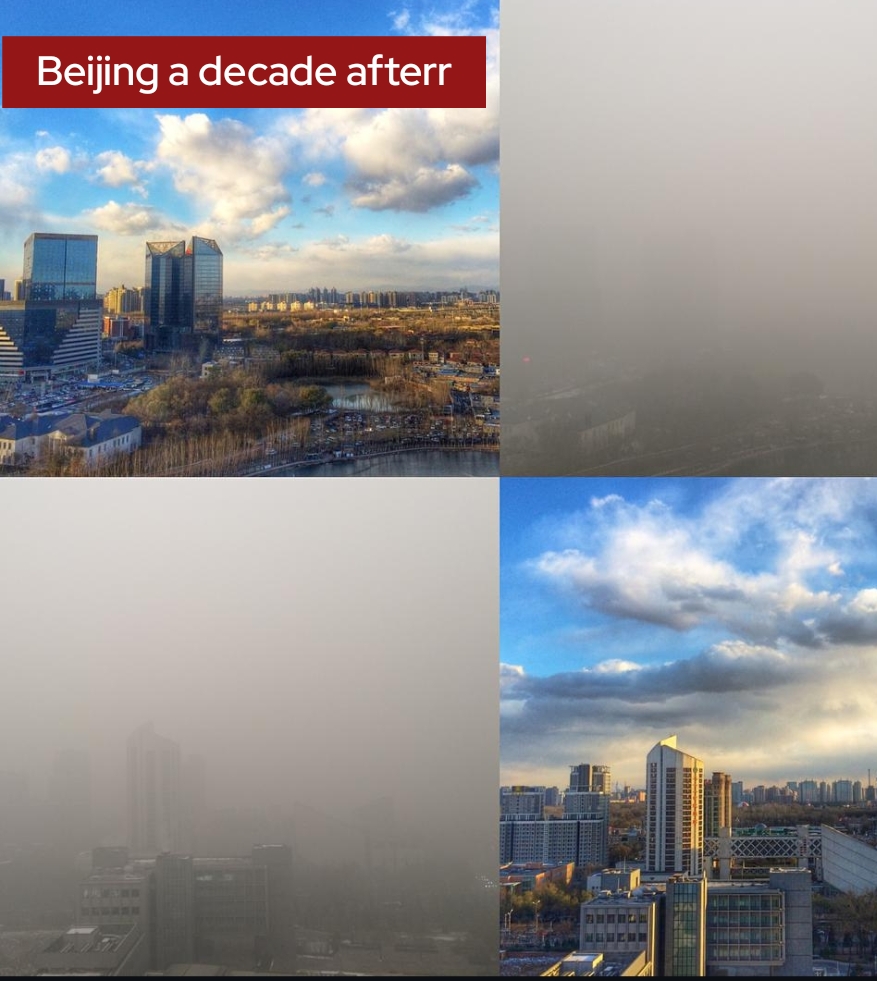
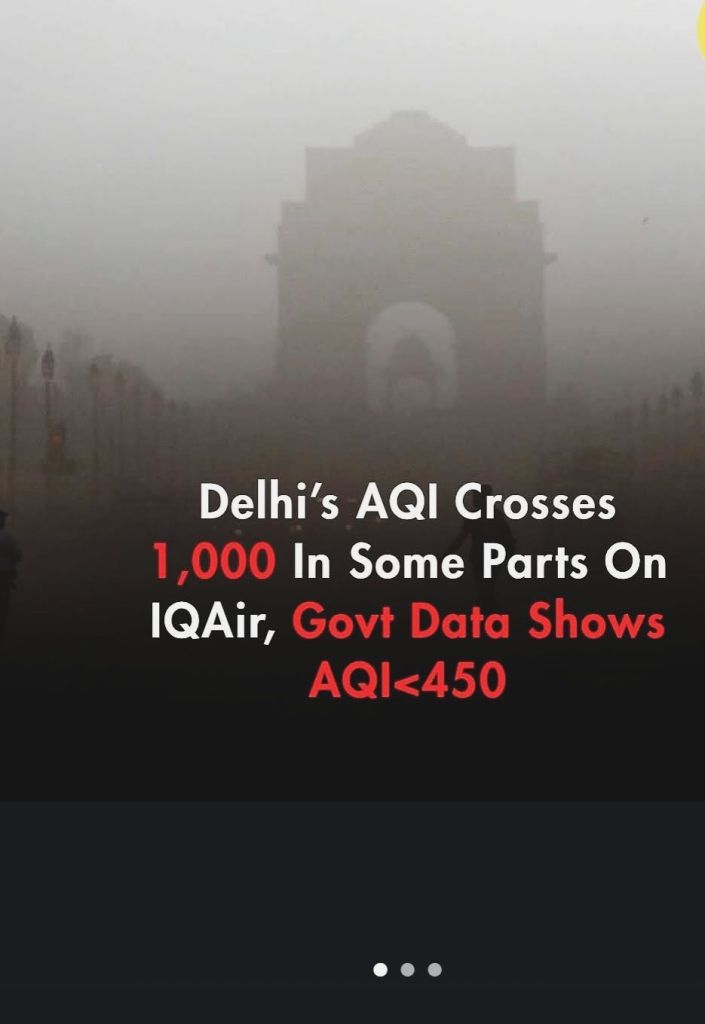
China’s dramatic transformation from some of the world’s most polluted skies to one of the fastest air-quality improvements in modern history has reignited a difficult but necessary debate in India. A recent comment from a Chinese Embassy spokesperson offering China’s “air-quality experience” to India underscored a stark reality: China has achieved what India continues to struggle with—despite India having greater funding access, advanced technology, and rising public awareness. Between 2014 and 2023, China slashed PM2.5 levels by an astonishing 41%. In contrast, India spent nearly 20% of its days with pollution levels ten times above WHO limits, while Delhi endured toxic concentrations six times worse for over 60% of the year. Air pollution now cuts the life expectancy of the average Indian by 3.5 years, and a Delhi resident by 8.2 years, reflecting not a financial deficit but an execution deficit.

The paradox confronting India is not one of resources but of governance. From 2019 to 2023, India received $19.8 billion in air-quality management grants—more than any other country. Yet, according to the Foundation for Ecological Governance, only 52% of NCAP (National Clean Air Programme) funds were utilised, and over half of the states failed to spend even 80% of their allocations. Action plans stalled, monitoring systems expanded without enforcement, and critical interventions remained trapped in administrative slow lanes. Meanwhile, China’s success came from a disciplined governance model anchored in accountability, central coordination, and strict compliance. Its 2013 Air Pollution Prevention and Control Action Plan reshaped energy policies, industrial norms, vehicle standards, and local governance mandates. Bureaucrats were given measurable PM2.5 reduction targets, and non-compliance carried career consequences—a level of administrative seriousness entirely absent in India’s system.
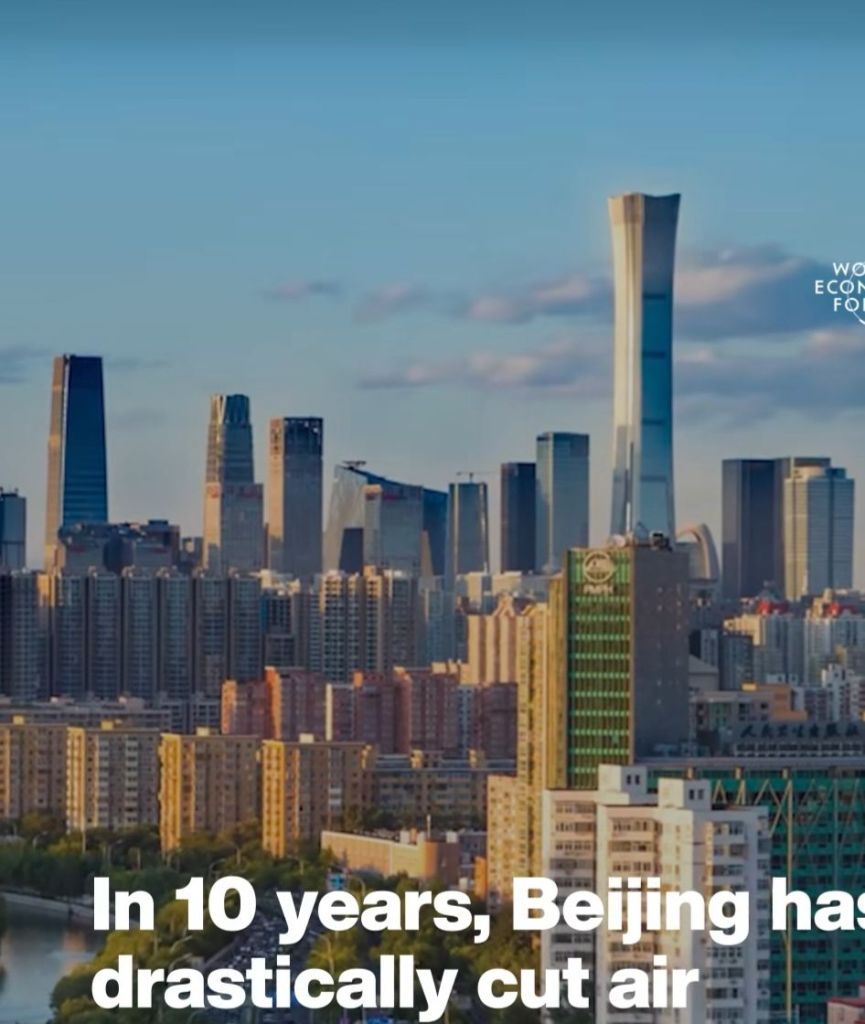
China’s turnaround was not a spontaneous pivot but the result of long-term preparation. As noted by CEEW researchers, Beijing had invested in public transportation since the late 1990s, creating a foundational infrastructure that would later enable its decisive pollution-control push. By 2023, Beijing possessed extensive metro networks, an expanding electric bus fleet, and workable mobility alternatives. When the action plan rolled out, its execution was swift and seamless. India’s NCAP, launched in 2019, aimed for a 20–30% pollution reduction by 2024. Yet, by 2023, average reductions across non-attainment districts stood at just 10.7%. Of 130 districts, only 64 achieved reductions above 20%. India did not lack ambition—only the administrative cohesion required for delivering results.

The most troubling aspect of India’s struggle lies in its pattern of expenditure. CREA data shows that 64% of NCAP spending went to dust mitigation—road sweeping machines, sprinklers, and dust suppression systems—while industrial pollution control received a mere 0.61%. This approach ignores scientific evidence. Dust is visible but not the primary killer; the real threat comes from combustion sources—coal power, biomass burning, diesel generators, transport emissions, and brick kilns. India continues to disproportionately target what is easy and visible rather than what is hard and deadly.

China, by contrast, directly confronted the politically sensitive sectors: shutting down coal plants, relocating steel and cement industries, enforcing ultra-low emissions standards, and restricting vehicle flows in and around major cities. Its approach was uncompromising because the stakes were high—and the political system demanded results.
China’s decade-long transformation proves that a large developing economy can clean its air quickly without stalling economic growth. Its success did not arise from extraordinary technology or vast new funding; it came from governance discipline, clear accountability, and strong institutional backing. India, by contrast, has the scientific expertise, funding, and institutional frameworks but struggles with administrative fragmentation and political hesitation. Air pollution in India is not an environmental mystery but a management failure—a solvable problem allowed to persist because urgency has never matched severity. While Delhi’s recurring smog crises continue to dominate global headlines, the deeper issue is India’s inability to operationalise its own policies at the scale and speed required.
For India to reclaim its air and protect public health, it must draw the strongest lesson from China: air-quality improvement is not merely an environmental programme—it is a governance revolution. India needs an integrated national airshed management authority, strict accountability for state-level implementation, decisive action against combustion sources, and a reorientation of policy away from cosmetic visibility to scientific prioritisation. The nation has the money, expertise, and public alarm; what it needs is the administrative discipline to act with urgency. China has demonstrated that cleaning the air is not about miracles, but about management. India must decide whether it wants clearer skies—or familiar excuses.
visit arjasrikanth.in for more insights
 SOCIAL PERSPECTIVES