For most of the twentieth century, “cool” was a gated estate with security guards. You entered through money, manners, and the quiet performance of having arrived. It was polished, distant, and expensive. Advertisers defined it, institutions sanctified it, and society rewarded those who mastered its choreography. Millennials and Gen Z did not politely ask for membership. They questioned the gate, exposed the illusion, and then walked away. What many elders misread as disengagement or fragility is, in truth, a recalibration of aspiration itself. These generations are not lowering the bar; they are changing the measurement. Status is giving way to substance, perfection to honesty, and accumulation to meaning. This is not cultural decline. It is cultural correction.
The rupture began with economics, not rebellion. Millennials came of age during the Great Recession, inheriting debt instead of dividends and volatility instead of stability. Gen Z followed, watching their older siblings grind without reward, only to be handed a pandemic, inflation, and climate anxiety as default settings. The promise that hard work would lead to comfort collapsed in real time. Home ownership became a gamble, luxury consumption a liability, and linear careers a fantasy. Under these conditions, aspiration shrank from abundance to survival. Security replaced spectacle. Experiences replaced assets. Success became less about “having it all” and more about staying afloat with dignity. This pragmatism is not pessimism; it is realism shaped by broken guarantees.
Simultaneously, these cohorts became fluent in digital illusion. Growing up online taught them that perfection is manufactured and proximity to it is performative. Filters, influencer scripts, and brand storytelling are decoded instantly. Gloss lost credibility; relatability gained power. Platforms that reward rawness—unedited videos, candid confessionals, ordinary moments—signal a rejection of overproduction. Authenticity is no longer a branding strategy; it is a defence mechanism. Anything that feels overly curated triggers suspicion. Today’s “cool” is specificity, vulnerability, and genuine competence within a niche, not mass appeal or corporate polish. The audience has learned to see through the set.
Consumption, too, has been morally reprogrammed. Millennials and Gen Z expect institutions and brands to stand for something beyond quarterly profits. Silence on social issues reads as irrelevance; performative activism reads as deceit. Sustainability, equity, and mental health are not marketing extras but baseline expectations. Thrifting, resale, renting, and upcycling are not just economic adaptations; they are ethical statements. Fast fashion and conspicuous consumption increasingly feel outdated, even embarrassing. Ownership has yielded to access, and permanence to flexibility. A thoughtfully assembled second-hand wardrobe or a carefully curated digital identity can now carry more cultural capital than a closet of logos ever could.
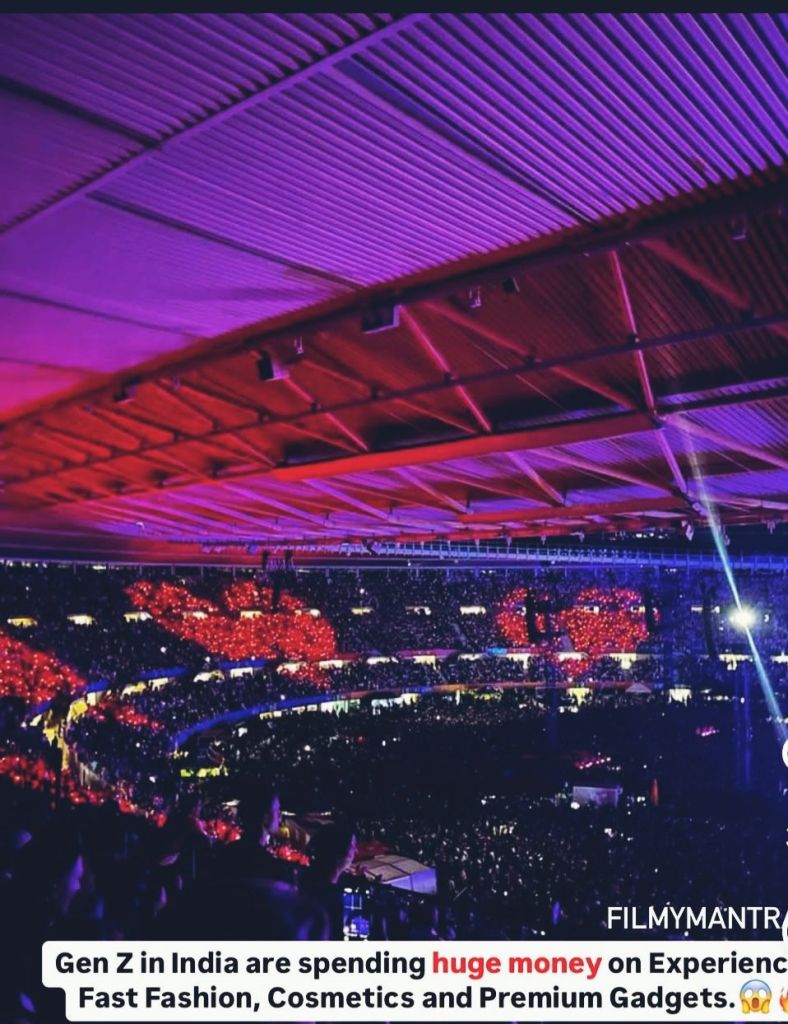
The most radical shift, however, is psychological. Millennials were raised on hustle culture, where burnout was worn as a badge of honor. Gen Z watched the damage and refused to inherit it. Boundaries, therapy, emotional literacy, and the pursuit of a “soft life” are not indulgences; they are acts of resistance against a system that normalized exhaustion. Work is valued less for prestige and more for how little it invades personal life. A job that ends at five is more aspirational than a title that never sleeps. This explains the rise of portfolio careers, passion-driven side projects, and micro-entrepreneurship. Stability no longer means hierarchy; it means adaptability.
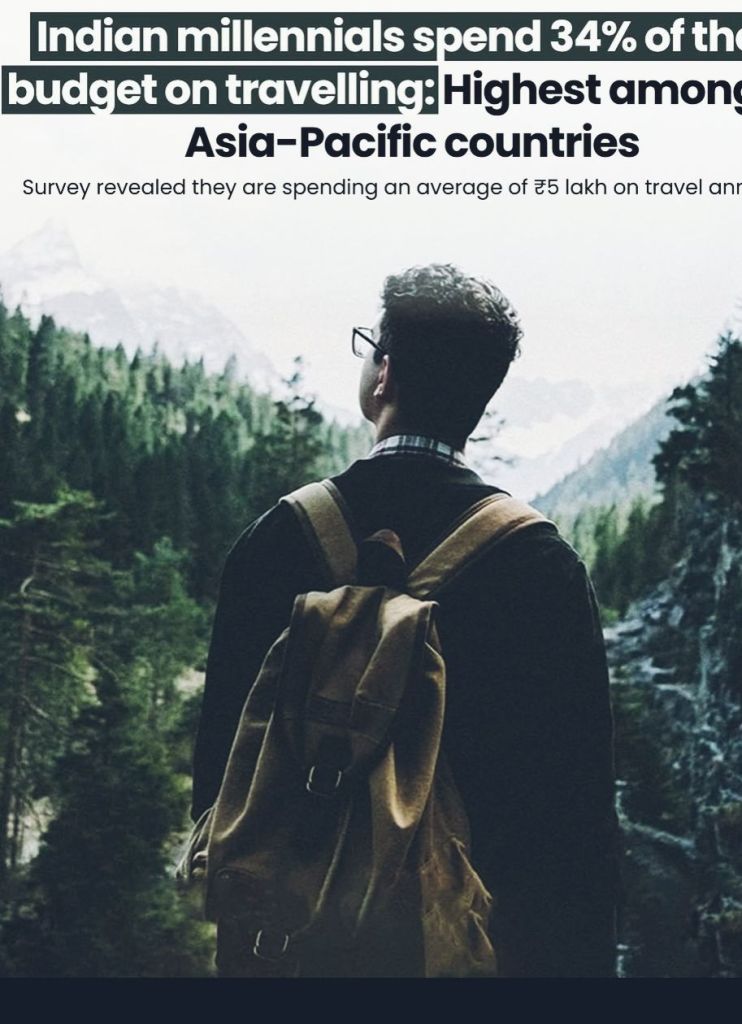
Culturally, cool has decentralized. Mass trends have fractured into micro-communities—Discord servers, fandoms, gaming clans, hyper-specific online subcultures. Identity is fluid, expressive, and self-authored. Pronouns, aesthetic mashups, and personal narratives override rigid templates. Even the much-ridiculed “millennial cringe” reveals something important: a generation shaped by body shaming, magazine ideals, and early social media pressure to perform perfection. Gen Z’s apparent nonchalance is not superiority; it is timing. They arrived after the illusion cracked. Both generations are responding to the same forces, just from different positions on the timeline.
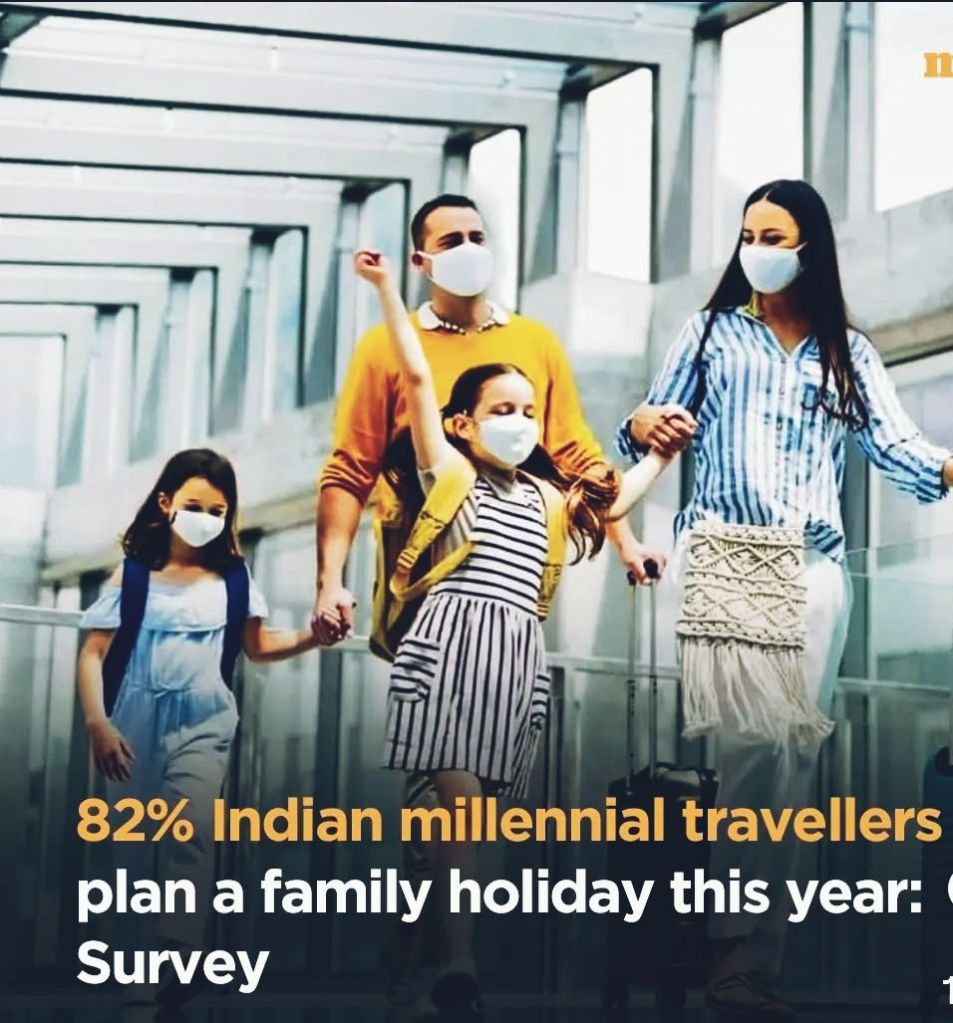
What emerges is not a colder world stripped of ambition, but a warmer one grounded in authenticity, ethical awareness, and psychological safety. The future will favour brands that act before they speak, institutions that trade control for trust, and individuals who measure success beyond income alone. Millennials and Gen Z are not rejecting aspiration; they are humanizing it. They are insisting that the goal is not to look successful, but to live sustainably—economically, emotionally, and socially. Cool is not dead. It has simply stopped pretending.
Visit arjasriknath.in for more insights
 SOCIAL PERSPECTIVES