
Few policy debates in contemporary India expose the fault lines between ideology, administrative capacity, and fiscal necessity as sharply as the storm now raging in Andhra Pradesh over new government medical colleges. What appears on the surface as a partisan shouting match between the ruling Telugu Desam Party–BJP combine and the opposition is, at its core, a far more serious question: how should a fiscally constrained state expand medical education without hollowing out its public character? Chief Minister’s decision to operationalise ten of the remaining eleven sanctioned medical colleges through a Public–Private Partnership has triggered accusations of “backdoor privatisation.” Yet the intensity of the backlash reveals not just political anxiety, but India’s deep historical distrust of private capital in social sectors where equity, access, and accountability are emotionally charged and constitutionally sensitive.

To understand why medical colleges provoke such visceral reactions in Andhra Pradesh, one must revisit the trauma of bifurcation. When Telangana was carved out in 2014, Andhra Pradesh lost Hyderabad—its academic, medical, and technological spine in one stroke. What remained was a residual state forced to rebuild higher education almost from scratch. For medical aspirants, this translated into fewer colleges, tighter domicile quotas, and migration to distant states at enormous personal and financial cost. The previous government’s sanctioning of seventeen new medical colleges in 2021 was therefore politically potent and socially reassuring. But by 2024, only six had become operational; the rest existed as skeletal structures or files stalled by regulatory hurdles, funding gaps, and National Medical Commission scrutiny. The new government’s argument is blunt and uncomfortable: promises without operational capacity are political theatre, not public service.
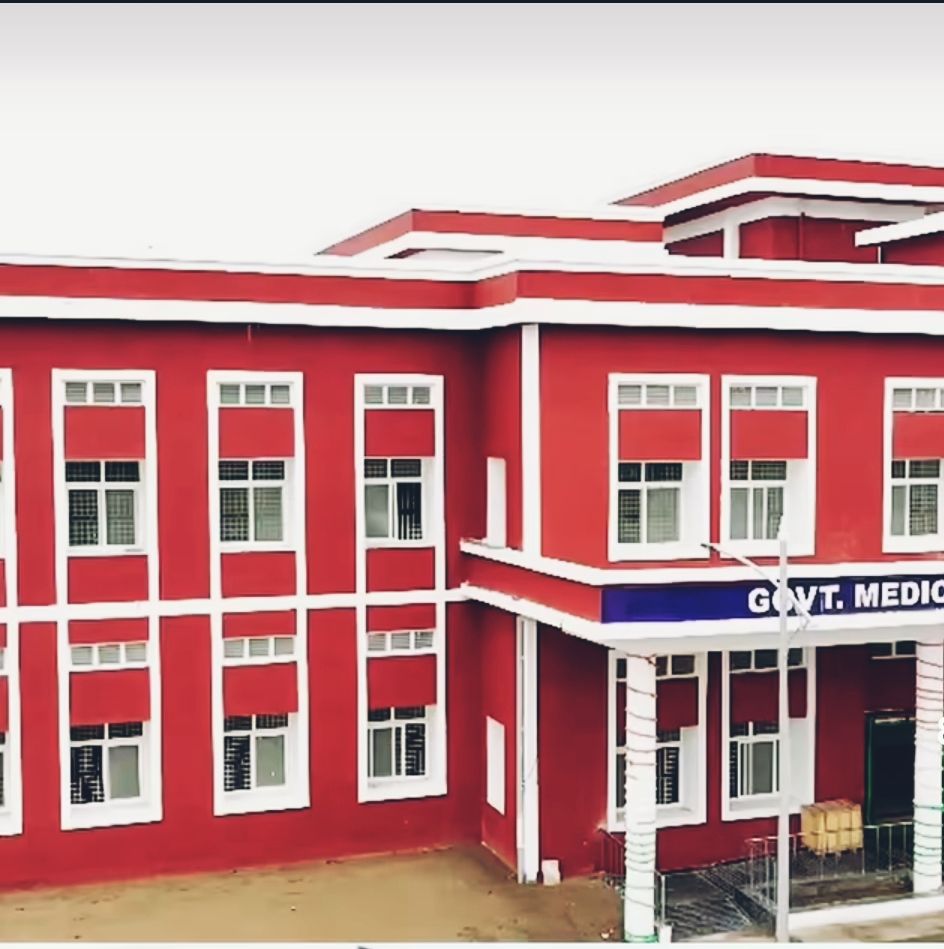
The controversy erupted when the state announced that ten of these unfinished colleges would be developed under PPP, with one advanced project retained under full government control. The opposition’s fear is intuitive—once private players enter, profit motives inevitably follow. Indian experience lends weight to this suspicion. Karnataka’s Kodagu Institute of Medical Sciences collapsed under land disputes and financial mismanagement. Uttar Pradesh and Madhya Pradesh announced ambitious PPP colleges that never took off due to opaque bidding and weak risk-sharing. Punjab’s experiments descended into litigation over fees and seat-sharing. Andhra Pradesh itself has seen PPP attempts marred by political interference and allegations of compromised service obligations. These failures are not ideological myths; they are documented cautionary tales that explain why “PPP” triggers alarm bells in public healthcare.
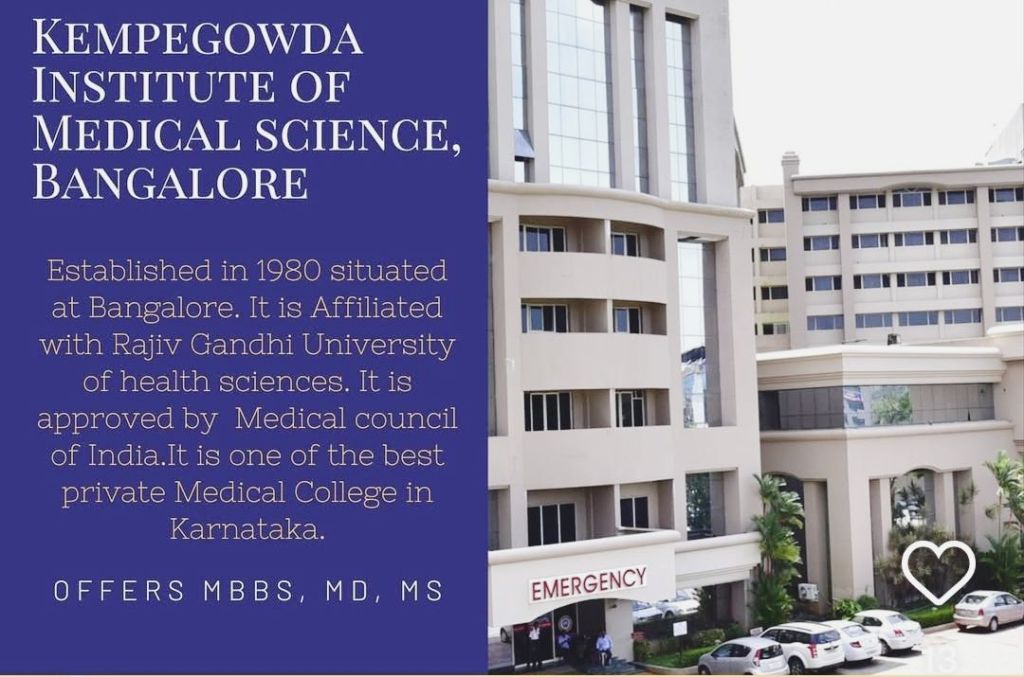
Yet equating PPP automatically with privatisation is analytically lazy. Ownership, admissions, reservations, fee structures, faculty recruitment, and clinical access are the true tests—not the mere presence of private capital. In Andhra Pradesh’s proposed framework, land ownership remains with the government, admissions are routed through state counselling, reservation policies continue, and fees for government quota seats remain regulated. On paper, private partners are confined to infrastructure creation, equipment, hostels, and non-academic facilities. This model is not unprecedented. Tamil Nadu has quietly operated managed-contract hospital systems where ownership and policy control remain public while operations are outsourced. Karnataka’s hub-and-spoke model links private colleges to district hospitals, ensuring patient load without surrendering oversight. Even AIIMS functions on a hybrid logic—public funding paired with operational autonomy. PPP, in itself, is not the sin; poor design is.

The real danger lies in badly drafted contracts and weak governance. Indian healthcare is littered with PPPs where vague exit clauses, asymmetric risk allocation, and unenforced social obligations allowed private partners to extract value while the state absorbed reputational damage. If Andhra Pradesh’s colleges permit differential facilities between government and management quota students, dilute free treatment obligations, manipulate faculty norms, or use regulatory arbitrage to prioritise profit over care, the opposition’s fears will be vindicated. Medical colleges are not degree factories; they are anchors of district healthcare ecosystems. Any model that compromises affordable access to healthcare undermines the very rationale for public investment, no matter how impressive the infrastructure.

At the same time, ideological rigidity carries its own costs. A fully state-funded medical college today demands ₹700–1,000 crore, years of gestation, and relentless compliance with NMC norms on faculty, infrastructure, and patient load. Fiscal realism cannot be wished away. States like Rajasthan have adopted hybrid faculty pools; internationally, countries such as the Philippines mandate private medical colleges to reserve seats for disadvantaged students through subsidised PPP frameworks. The real policy question is not whether the private sector should be involved, but under what rules, with what safeguards, and to whose ultimate benefit. Efficiency without accountability is predatory; public control without capacity is performative.
Andhra Pradesh now stands at a policy crossroads whose implications will travel far beyond its borders. The collection of over a crore signatures against PPP reflects genuine public anxiety, but anxiety alone cannot substitute for governance design. The state’s credibility will rest on radical transparency—placing contracts in the public domain, enforcing social audits, guaranteeing common infrastructure for all students, and binding private partners to measurable public health outcomes. If done right, this experiment could demonstrate that private efficiency and public accountability need not be adversaries. If done poorly, it will confirm every fear about the slow marketisation of public health. In the end, the white coat must remain a public trust, even if the bricks behind it are privately financed.
Visit arjasrikanth.in for more insights
 SOCIAL PERSPECTIVES
One response to “White Coats, Black Ink, and Grey Contracts: Andhra Pradesh’s Medical College Gamble Between Public Trust and Private Bricks”
PPP Concept appears to be good .Provided Public interest ,transparent policies ,accountability by the govt.
But the history of present government speaks about evading promises ,dormant policies in administration,private companies centered interests , least concern to the local students n public health interests.
LikeLike