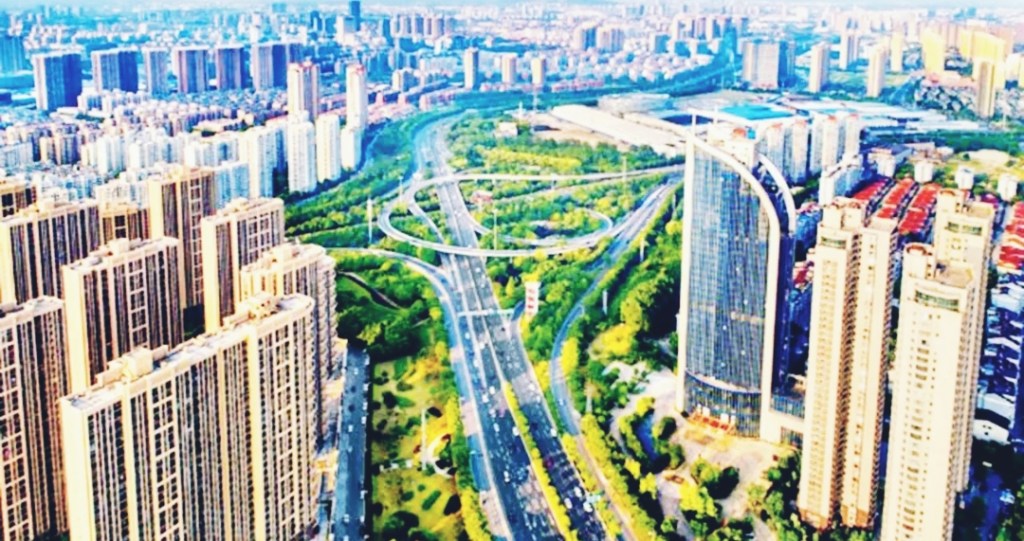
Cities Without Commanders: India’s Urban Engines Became Political Orphans in a Global Age of Mayors
India’s booming cities today resemble high-performance engines built for speed but stripped of steering mechanisms. They generate wealth, create jobs, absorb millions of migrants, and anchor national productivity, yet they remain structurally incapable of delivering the most basic citizen-centric services. Water arrives unpredictably, drainage systems fail seasonally rather than exceptionally, sidewalks disappear without explanation, and no single elected authority carries visible, enforceable responsibility. This is not simply administrative inefficiency; it is structural design failure. While global cities amplify the power and visibility of their mayors, Indian cities operate under a strange political invisibility, where leadership is dispersed, diluted, and deliberately weakened. The urban crisis unfolding today is not rooted in lack of technology or funds, but in a systematic dismantling of municipal authority.
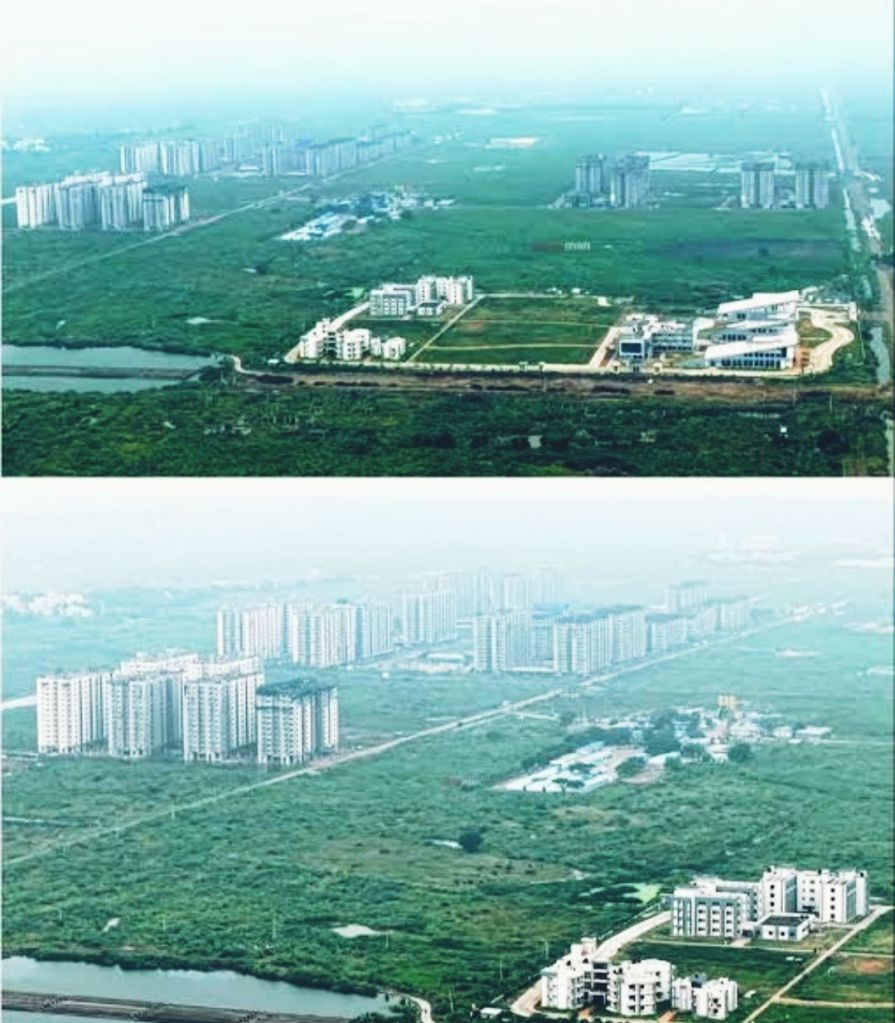
Historically, this collapse was neither natural nor inevitable. India inherited a formidable municipal tradition that preceded many Western systems. The Madras Municipality, established in the seventeenth century, emerged before several celebrated European urban institutions. Bombay’s municipal corporation grew into one of the richest urban bodies in Asia, sometimes commanding budgets larger than those of Indian states. In those early eras, mayors were not ornamental figures but public leaders and political pipelines to national prominence. Over time, however, power migrated steadily from cities to state capitals. Chief ministers became the de facto mayors of every major city, while elected municipal heads were reduced to symbolic placeholders, indirectly elected, frequently replaced, and politically subordinate.

Ironically, the 74th Constitutional Amendment, designed to empower urban local bodies, coincided with their weakening, as political practice overwhelmed constitutional aspiration.
At the heart of the problem lies a culture of structural humiliation. Municipal elections are routinely delayed despite constitutional obligations, and judicial interventions remain inconsistent. Parallel institutions have fragmented governance: development authorities, water boards, transport corporations, housing agencies, and “smart city” SPVs now exercise real power, while elected municipal bodies are left with ceremonial responsibility. Roads, housing, water networks, and infrastructure decisions are designed and executed by state-level bureaucracies rather than city governments. Financial flows are routed through state-controlled entities, bypassing the elected corporation. The city, as a political unit, exists only in fragments. Accountability dissolves into overlapping jurisdictions, and citizens are left navigating a maze where everyone is in charge and no one is responsible.
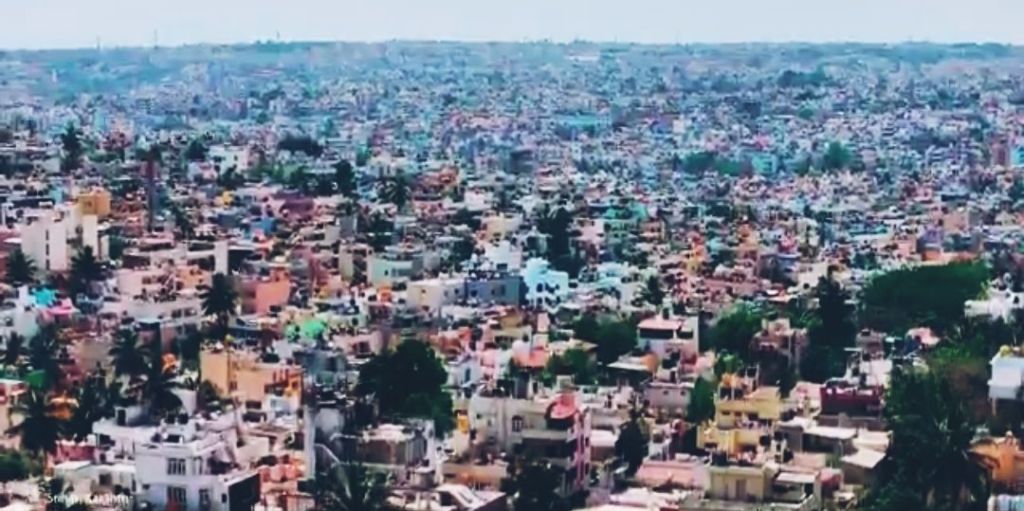
The contrast with global cities is not aesthetic but constitutional. In New York, Chicago, Tokyo, Copenhagen, and Seoul, the mayor is not a ribbon-cutter but the embodiment of the city’s executive authority. Strong-mayor systems allow leaders to appoint teams, control budgets, raise resources, and articulate long-term urban vision. Citizens know exactly who to reward or punish. Elections are fought on transport, housing, water, and safety, not on distant ideological abstractions. Singapore treats water, waste, housing, and transport as a single urban metabolism governed by empowered institutions.

Curitiba reshaped mobility through mayor-driven policy. Barcelona redesigned urban life through accountable local leadership. These cities do not function well because they are wealthier; they function well because power is clearly located and politically respected.

India does possess islands of success, but they thrive in spite of the system, not because of it. Surat transformed itself into a sanitation model after collapse through empowered professional leadership.

Indore pioneered behavioural and institutional reform in waste management. Pune experimented with participatory ward committees. Ahmedabad and Pune tapped municipal bonds, while Hyderabad and Delhi built advanced digital governance platforms. These examples prove that capacity exists within Indian cities. The deeper defect lies in financial and political design. Municipalities depend on discretionary transfers from state and central governments. Property tax systems remain weak, valuation is politicised, and independent taxation powers are almost non-existent. Without financial autonomy, political autonomy cannot exist; without political autonomy, accountability becomes fiction; without accountability, citizen-centric service delivery becomes impossible.
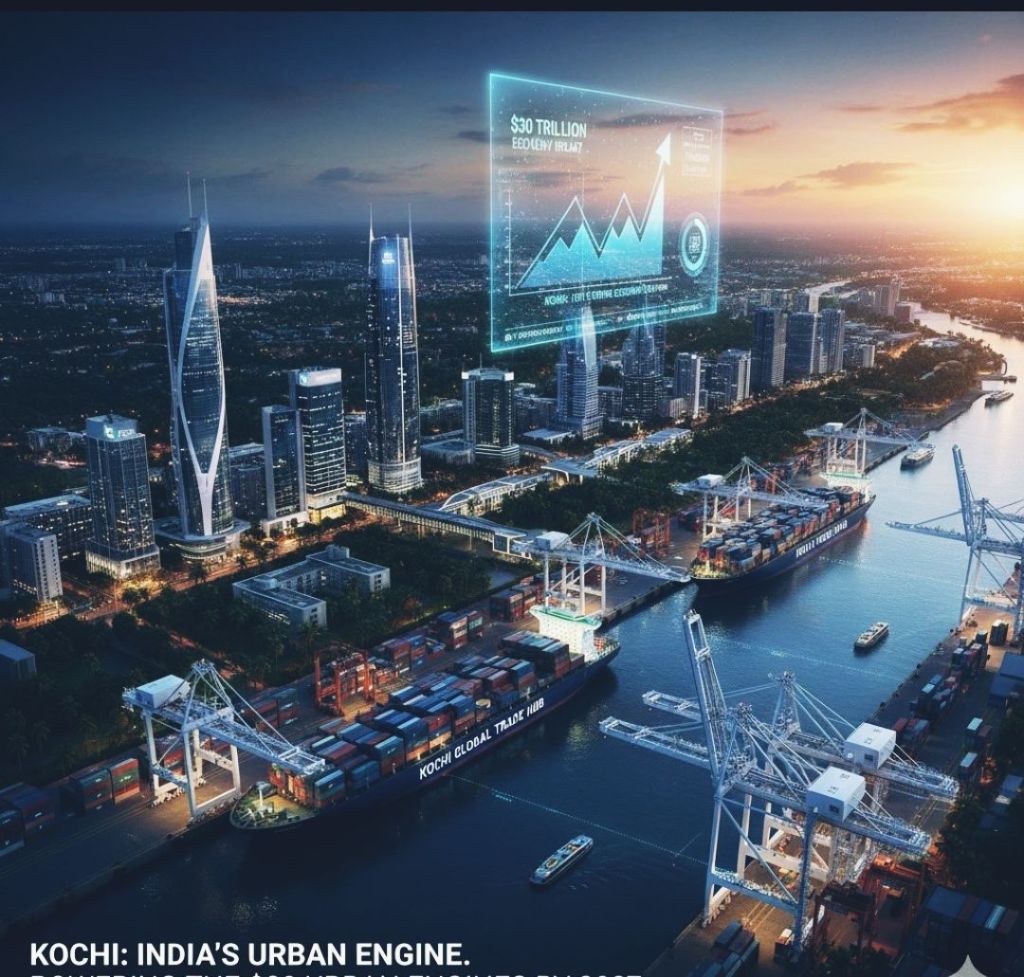
The solution is not a romantic search for heroic mayors but the restoration of cities as real governments rather than administrative departments. Power must decisively shift downward, which necessarily reduces the informal dominance of chief minister offices over city affairs. Municipal bodies must control funds, staff, and functions in practice, not merely in constitutional schedules. Direct election of mayors with five-year, stable terms is not decorative reform but structural necessity. Parallel entities such as SPVs and development authorities must be folded back into transparent municipal accountability. Citizens, too, must be educated to recognise that local government is not ornamental but foundational. Until voters demand empowered cities as a political right, legislatures will never voluntarily surrender control.
India’s urban future will not be determined by taller skyscrapers, faster metro lines, or more sophisticated sensors. It will be determined by whether cities are allowed to become real political entities again. Today, Indian cities are economically powerful but institutionally powerless, wealthy in appearance but hollow in authority. The tragedy is not only administrative but democratic. A civilisation that built some of the world’s earliest municipal traditions now treats its cities as managerial outposts of state politics. Unless this inversion is corrected, India will continue to produce megacities without mayors, infrastructure without accountability, and citizens without a visible government to question, challenge, or believe in.
Visit arjasrikanth.in for more insights
 SOCIAL PERSPECTIVES