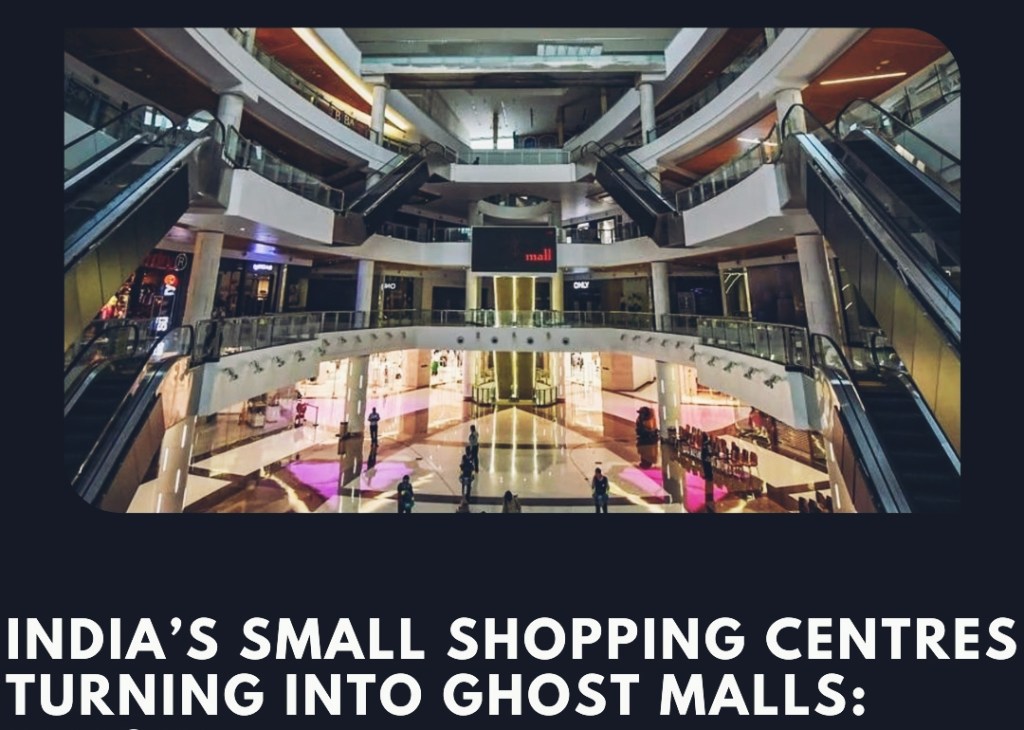
Walk into one of India’s many half-forgotten malls and the silence feels louder than the air-conditioning. The escalators still move, lights obediently flicker on, and a stubborn café survives on nostalgia rather than footfall. Yet the crowds are gone. No families wandering aimlessly, no teenagers killing time, no weekend buzz. These are India’s “ghost malls” — structures that function mechanically but have lost their social meaning. Globally, this is a familiar story. The United States has tracked dying malls for years; China has entire districts of underused commercial space. What makes India’s case intellectually intriguing is that these ghost malls are not merely symbols of failure. They are frozen repositories of land, capital, and urban potential, waiting for a decision rather than demolition.

A recent India Thinker report by a global real estate consultancy urges a shift in perspective: stop treating dead malls as embarrassments and start seeing them as underperforming assets. Before declaring anything dead, the report maps India’s entire organized physical retail universe. It counts 365 operational malls housing around 22,400 stores, alongside 58 major high streets such as Connaught Place, MG Road, and Park Street with nearly 7,900 outlets. Add retail embedded in 17 airports and about 340 stores inside five-star and heritage hotels, and a fuller anatomy of Indian retail emerges. Malls are only one organ in a much larger body, not the body itself.

Once mapped, the consultants applied a ruthless filter. Malls were evaluated on construction quality, tenant mix, management capability, ownership fragmentation, age, and occupancy. Those that were old, poorly managed, over-divided in ownership, and visibly under-occupied were classified as ghosts. A second, more hopeful test followed: could they be fixed? Location, surrounding purchasing power, and the physical adaptability of the structure determined whether revival was realistic or whether the building should be written off entirely.

One counterintuitive finding stands out. Malls dominate organised retail space but not necessarily retail life. Of India’s roughly 105 million square feet of organised retail, nearly 80 million square feet sits inside malls. Yet everyday consumption rhythms still favour streets. High streets thrive on impulse buying, social wandering, and cultural familiarity. India never abandoned the street; it simply layered malls on top of it. Where malls work best is not just commerce but comfort — climate control, cinemas, predictable brands, and curated leisure.

This explains city-level contradictions. In Mangaluru or Lucknow, mall occupancy is high because malls double up as the safest and cleanest public spaces available, functioning almost as civic infrastructure. In contrast, Surat and Ludhiana — wealthy, entrepreneurial cities — appear weak on mall metrics because their traditional markets outperform enclosed retail. Meanwhile, large metros such as Delhi NCR, Mumbai, Bengaluru, and Chennai are not actually mall-saturated when adjusted for population. They are polarised. A handful of elite malls thrive relentlessly, while a long tail of mediocre centres quietly hollow out.

Technically, any mall older than three years with vacancy above 14% begins sliding toward ghosthood. India today has around 15.5 million square feet of such ghost retail, largely concentrated in metro regions rather than small towns. Anyone who has lived in Gurgaon, Noida, or Ghaziabad has watched this slow decay — a cinema or supermarket anchor exits, footfall drops, smaller tenants flee, and the mall collapses inward like a punctured lung.
Why did they die? Rarely for a single reason. Some were built too far from genuine catchments. Others were crippled by fragmented ownership — hundreds of individual shop owners, no unified decision-making, no brand coherence. Competition killed many; a newer mall with better food and design can drain loyalty overnight. Retail is emotional, not rational. Once consumers mentally delete a mall from their routine, revival becomes brutally hard. Overcapacity, a lesson China learned painfully, looms in the background.

Yet the decline is no longer accelerating. Between 2022 and 2024, occupancy improved modestly as some malls were actively repositioned. Bengaluru’s Central Mall was revived through re-anchoring. In Mumbai, dead malls were converted into offices and educational hubs. Of the 15.5 million square feet of ghost space, about 4.8 million square feet — nearly a third — is considered genuinely worth reviving. Reimagined, this could generate roughly ₹357 crore in annual rental income, with South India accounting for nearly two-thirds of the potential.
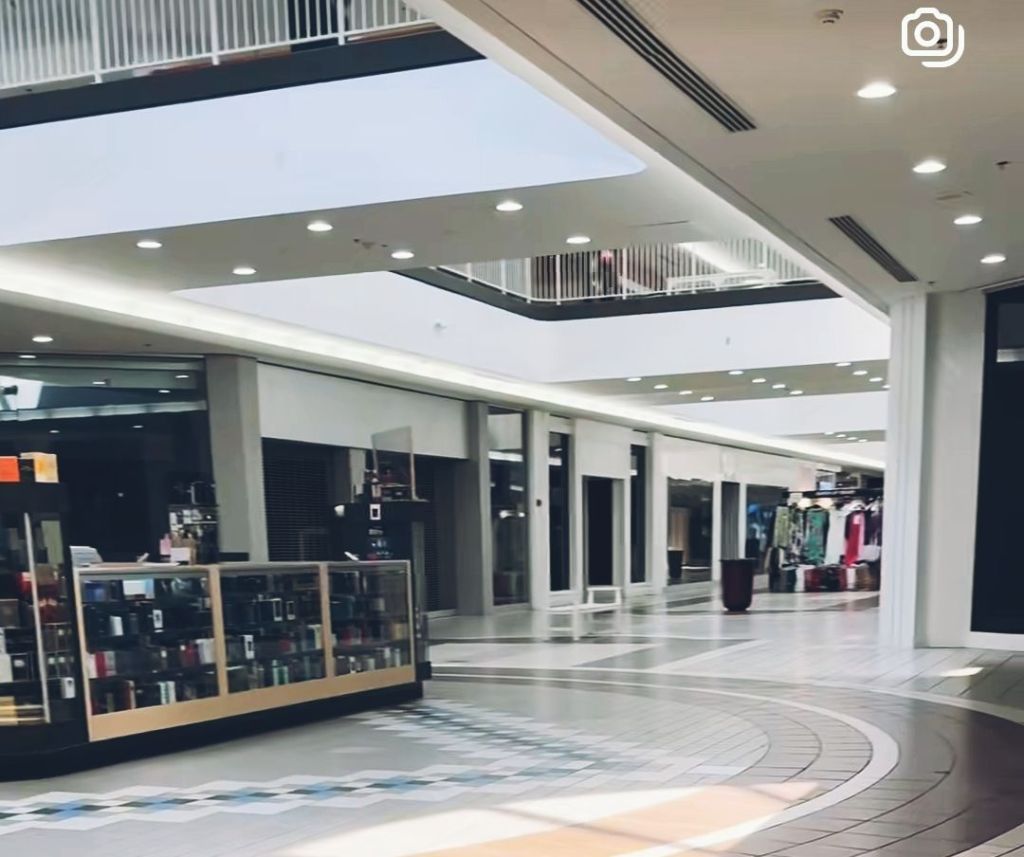
Zoom out further and the lesson becomes philosophical. Buildings do not die mysteriously; they fall out of sync with how people live. Ghost malls are not urban curses but early warning signals of growth pains — reminders that cities evolve faster than concrete. The real question is not whether these malls failed, but what we choose to do next. Let them rot as monuments to miscalculation, or bend them into offices, campuses, healthcare hubs, logistics centers, cultural spaces, or hybrid community anchors. In that choice lies the future texture of India’s cities — not gleaming and perfect, but adaptive, honest, and alive again.
Visit arjasrikanth.in for more insights
 SOCIAL PERSPECTIVES
One response to “Air-Conditioned Ruins: India’s Ghost Malls Are Not Dead, Just Waiting for Their Second Life”
A good piece on shifting consumer loyalties
LikeLiked by 1 person