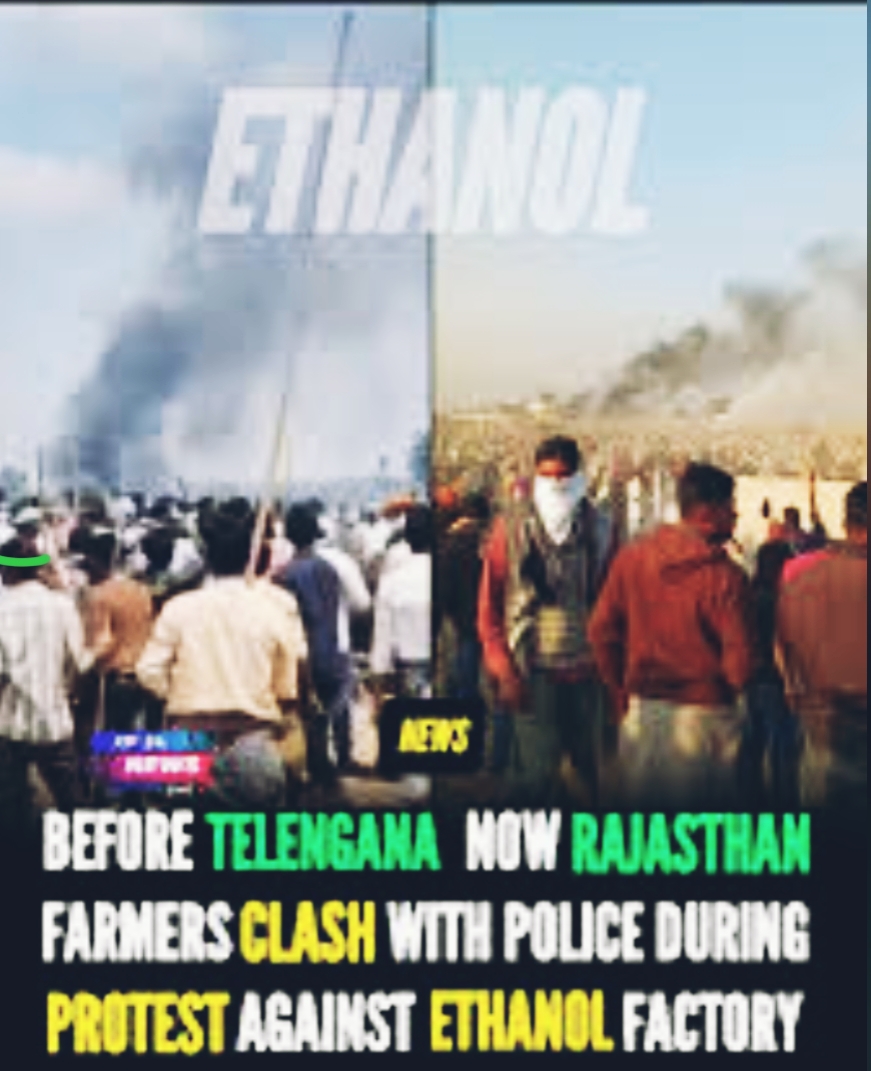
India’s development imagination still operates on a perilous belief: that once an industrial project is approved on paper, people on the ground will eventually fall in line. Hanumangarh, in Rajasthan, has shattered that illusion with force and clarity. The recent violent clash between farmers and police over a proposed ethanol plant was not a spontaneous breakdown of order; it was the predictable outcome of ignoring consent, ecology, and lived realities. Development does not descend on blank spaces of a map. It arrives on fields that feed families, aquifers that sustain generations, and communities that remember past betrayals. When policy treats land as vacant and people as obstacles, conflict is not an exception—it is the design flaw.
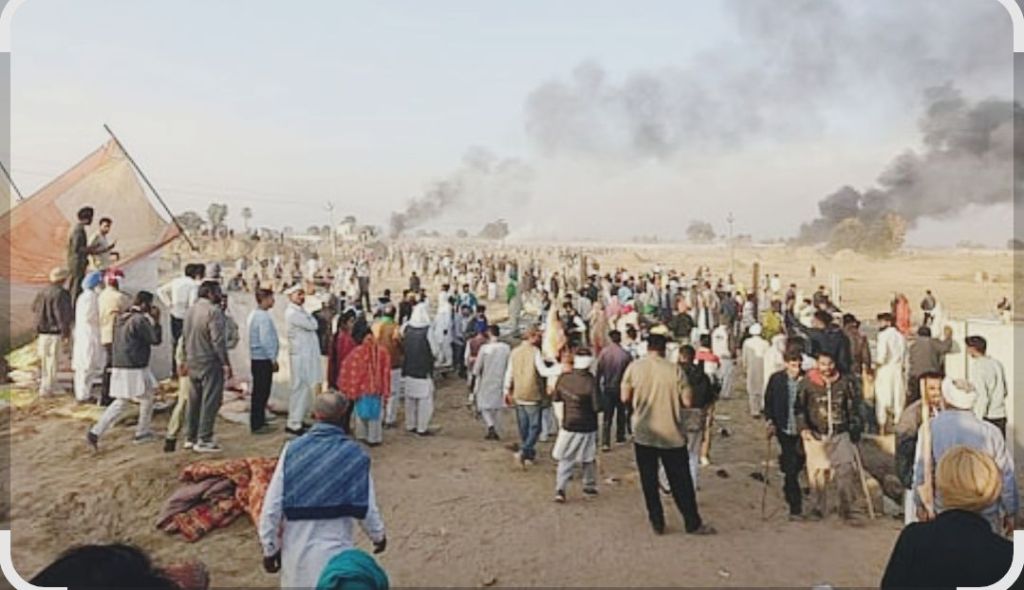
The farmers of Hanumangarh were not resisting progress; they were resisting dispossession disguised as green transition. The irony is sharp: the ethanol plant was promoted precisely because the region is groundwater-rich. Yet that “abundance” is the very reason farmers objected. Ethanol production is among the most water-intensive industrial processes. In Rajasthan’s so-called green bowl, where cotton, grains, fruits, and vegetables thrive, groundwater is not excess—it is survival capital. For over sixteen months, farmers warned that daily extraction of millions of litres would drain aquifers, degrade soil quality, and destabilise agriculture permanently. When tempers finally exploded, it was not ideology that breached factory boundaries, but exhaustion at being systematically ignored.
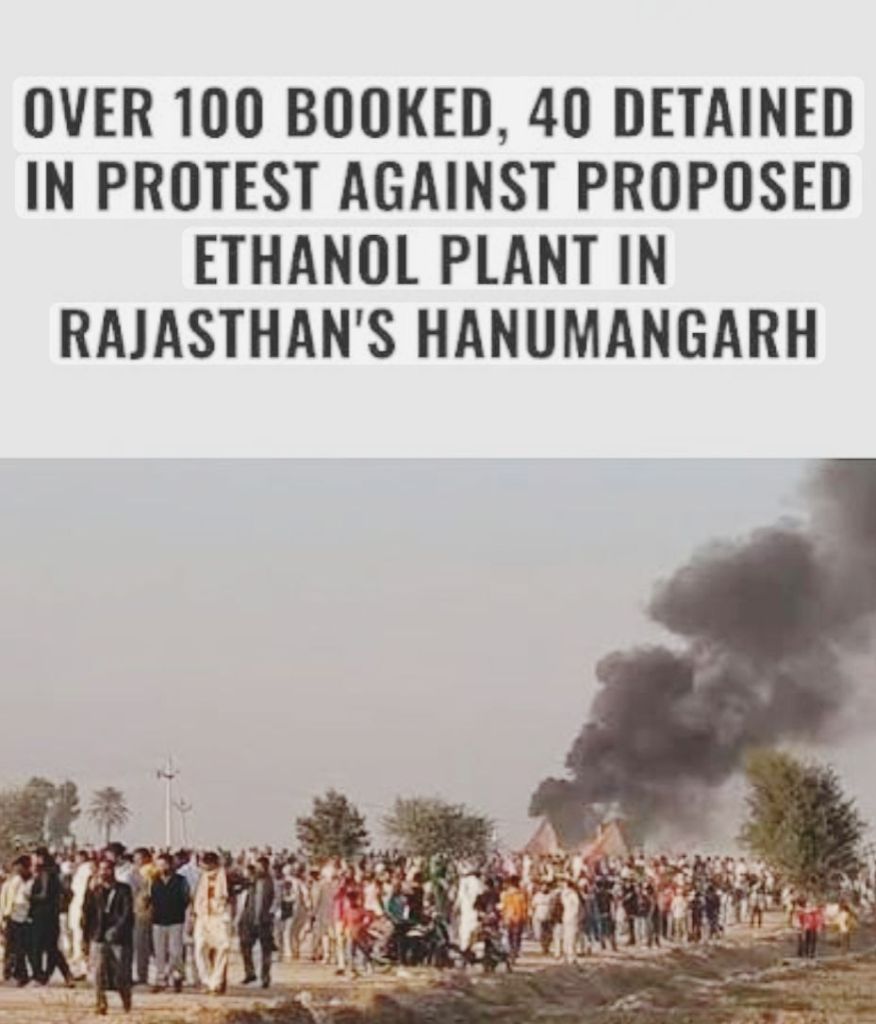
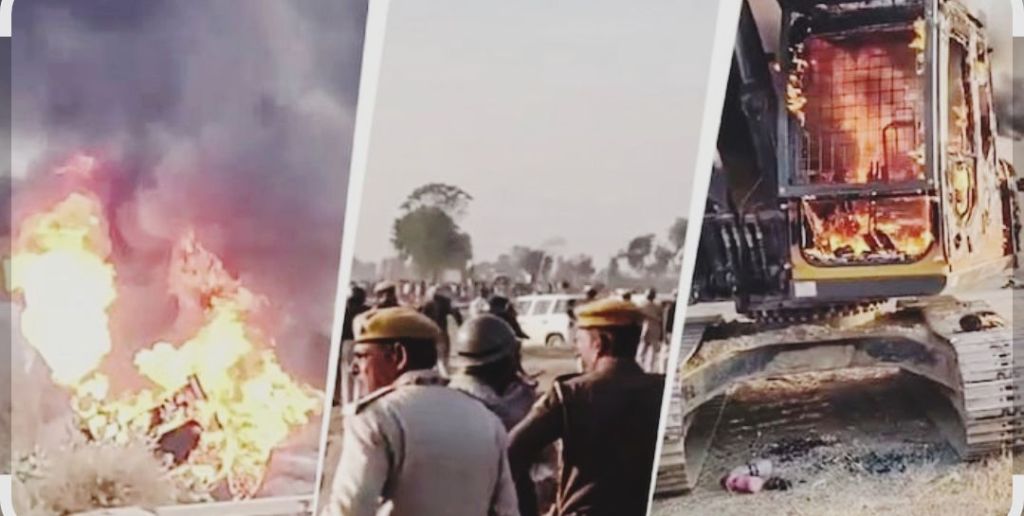
What followed exposed a deeper governance failure. The state treated the crisis as a law-and-order problem, not a legitimacy crisis. Lathi charges, tear gas, FIRs against hundreds, burnt vehicles, injured farmers and policemen, and officials rescued from balconies painted a picture of administrative collapse. Security reinforcements arrived faster than environmental answers. Yet no amount of policing can answer the central question haunting the protest: why place a water-guzzling, pollution-prone industry in one of the most fertile agricultural belts of the state? When force replaces dialogue, the state may regain control of territory, but it forfeits moral authority.
The fears driving the protest are neither emotional nor speculative; they are grounded in precedent. Across North India, ethanol and distillery units have repeatedly violated environmental norms. Groundwater contamination, toxic effluents, foul odours, and unbreathable air are not hypothetical risks; they are documented outcomes. Regulatory interventions have often come only after irreversible damage—polluted tube wells, abandoned farmland, and collapsing rural economies. Ethanol plants emit volatile organic compounds, generate hazardous waste, increase heavy truck traffic, and rely on zero-liquid-discharge systems that frequently function better in reports than in reality. For villagers living next door, pollution is not a metric—it is a daily assault on lungs, soil, and water.
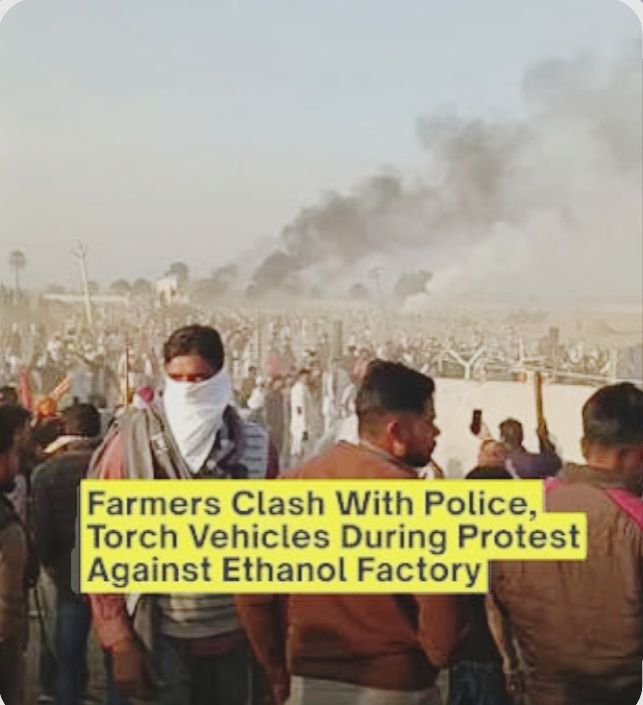
Economically, the ethanol promise also rings hollow at the local level. These plants are capital-intensive, automated, and generate limited long-term employment relative to the land and water they consume. The supposed trade-off—industrial investment versus agricultural continuity—is bad economics masquerading as progress. Fertile land converted to industrial use is rarely restored. Depleted aquifers may take decades to recharge, if they recover at all. In districts like Hanumangarh, farming is not merely an occupation; it is identity, inheritance, and insurance. The fear is existential: today ethanol, tomorrow unproductive land.
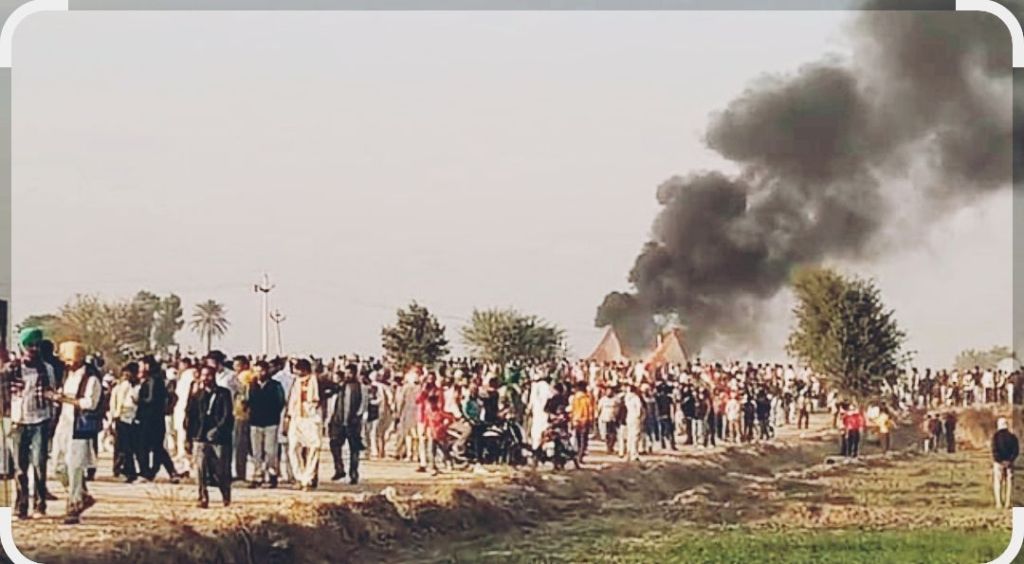
The December 17 Mahapanchayat, expected to draw nearly 20,000 farmers, confirms that this is no longer about one factory. It has become a referendum on India’s version of the green transition. The interim halt to construction and the promise of a joint committee offer temporary relief, but they cannot substitute for trust. Environmental impact assessments conducted after land allocation and political signalling are widely perceived—often correctly—as procedural rituals rather than genuine safeguards. Consent obtained after decisions are made is not consent; it is compliance theatre.
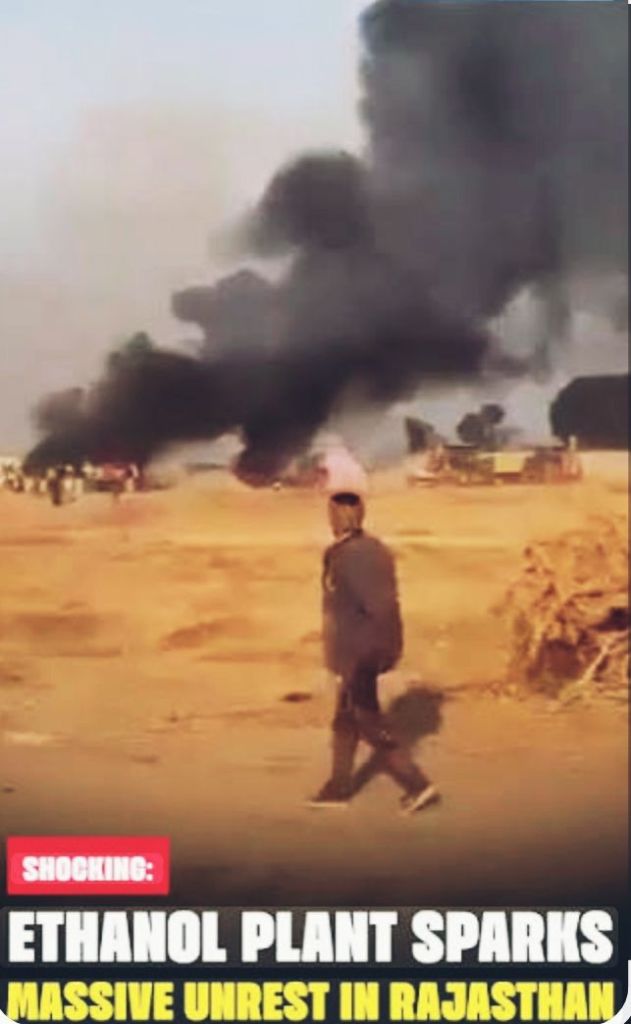
Hanumangarh delivers an uncompromising lesson. Industries that threaten air, water, and soil cannot be socially engineered into acceptance, especially on fertile land. Biofuel policy may be national, but its consequences are brutally local. If ethanol plants are to exist, they must be located on non-fertile land, governed by strict water caps, transparent monitoring, and genuine community approval—not persuasion enforced by police presence. Development that silences farmers may boost balance sheets, but it erodes democracy. And when people who live off the land decide it is worth defending, no factory wall—temporary or permanent—can contain the resistance.
Visit arjasrikanth.in for more insights
 SOCIAL PERSPECTIVES