
India today is not short of ambition, slogans, or spectacle. It is short of something far more elemental: political accountability. For the Indian middle class, the feeling of being a stakeholder in the republic is steadily eroding. Taxes rise with clockwork precision, compliance tightens through digital surveillance and procedural rigidity, yet public returns diminish year after year. What once resembled a social contract—contribute to the state and receive basic services—has quietly mutated into a one-sided extraction. Citizens increasingly feel less like participants in governance and more like passive subjects, trapped in systems they neither control nor can meaningfully challenge. Accountability, the invisible spine of democracy, has weakened, leaving institutions upright in form but hollow in function.
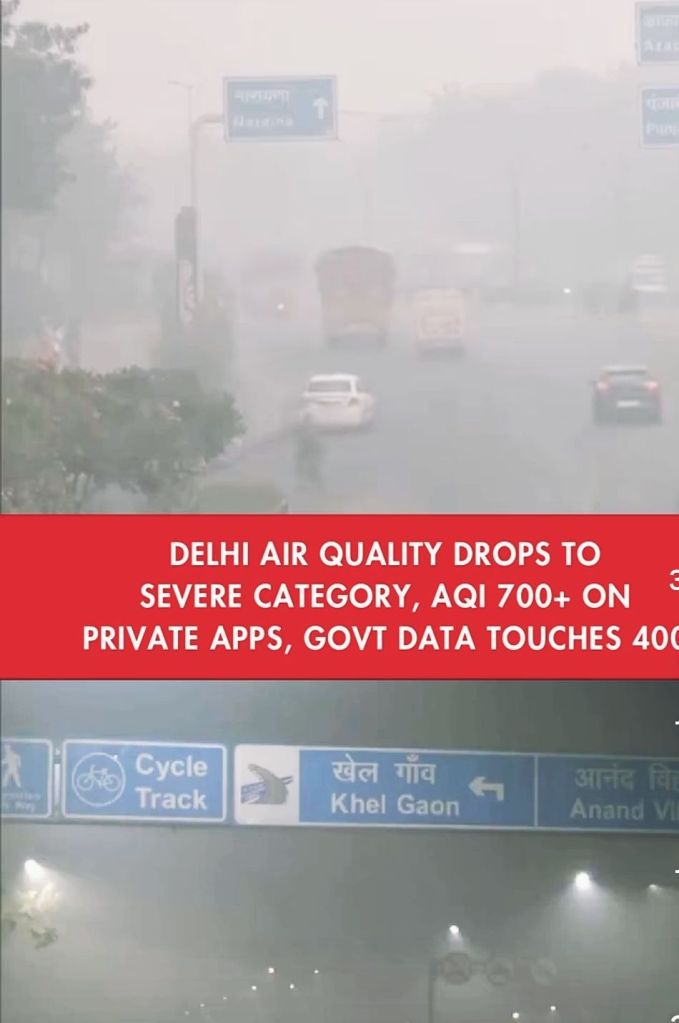
Nothing captures this collapse more viscerally than the air in Delhi. Breathing should be the most apolitical human act, yet in the national capital it has become a health hazard shaped almost entirely by policy failure. Politicians blame geography, weather patterns, or seasonal stubble burning—factors that existed decades ago without producing today’s near-toxic permanence. Since the 1990s, expert committees, court directives, action plans, and emergency measures have accumulated like bureaucratic sediment, yet enforcement remains selective and hesitant. The reason is rarely technical; it is political. Meaningful solutions inconvenience powerful lobbies—construction interests, transport unions, industrial operators—who fund campaigns and shape electoral arithmetic. Accountability dissolves the moment policy begins to hurt donors. Governance responds by explaining endlessly but acting reluctantly, while citizens inhale the consequences without consent.

This pattern is not confined to environmental collapse; it extends seamlessly into economic regulation. India’s aviation sector offers a textbook case of regulatory indulgence disguised as market efficiency. Repeated airline failures have left the country with dangerously concentrated market power, yet political silence remains deafening. Chronic understaffing, capacity mismanagement, passenger distress, and systemic fragility provoke no serious parliamentary scrutiny. Not a single senior political voice speaks consistently of compensation frameworks, regulatory accountability, or structural reform. When businesses know they are “too dominant to fail,” governance quietly shifts from oversight to indulgence. Accountability dies not only in corruption, but in complacency—when regulators forget that they exist to protect citizens, not to preserve balance sheets or investor optics.
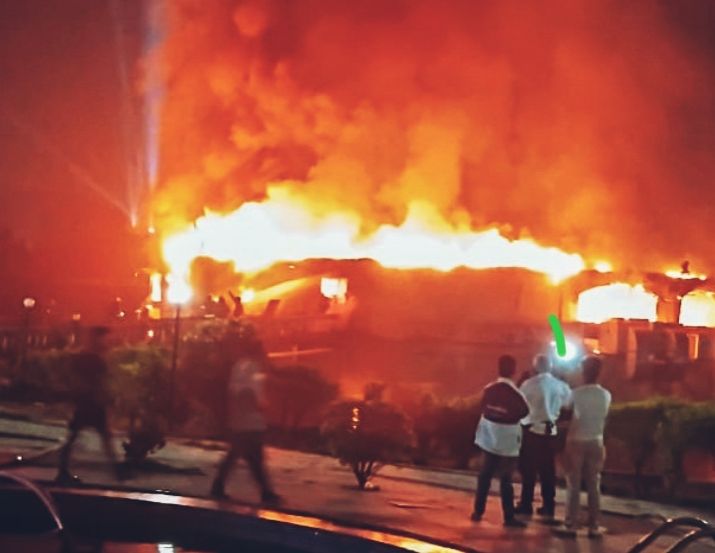
Tourism and urban development reveal the same pathology with even graver human costs. Goa, once a carefully balanced destination, is being hollowed out by unplanned construction, ecological damage, and regulatory compromise. Illegal structures proliferate, licenses multiply, and environmental norms bend—provided the price is right. When disasters strike, whether through collapsing infrastructure or deadly fires in illegally operated establishments, the script is depressingly familiar. Lives are lost because safety norms were optional, exits were blocked, and inspections were ceremonial. Responsibility dissolves into committees, inquiries, and compensation announcements, but no enduring accountability follows. In such a system, human life becomes collateral damage in a transactional state.
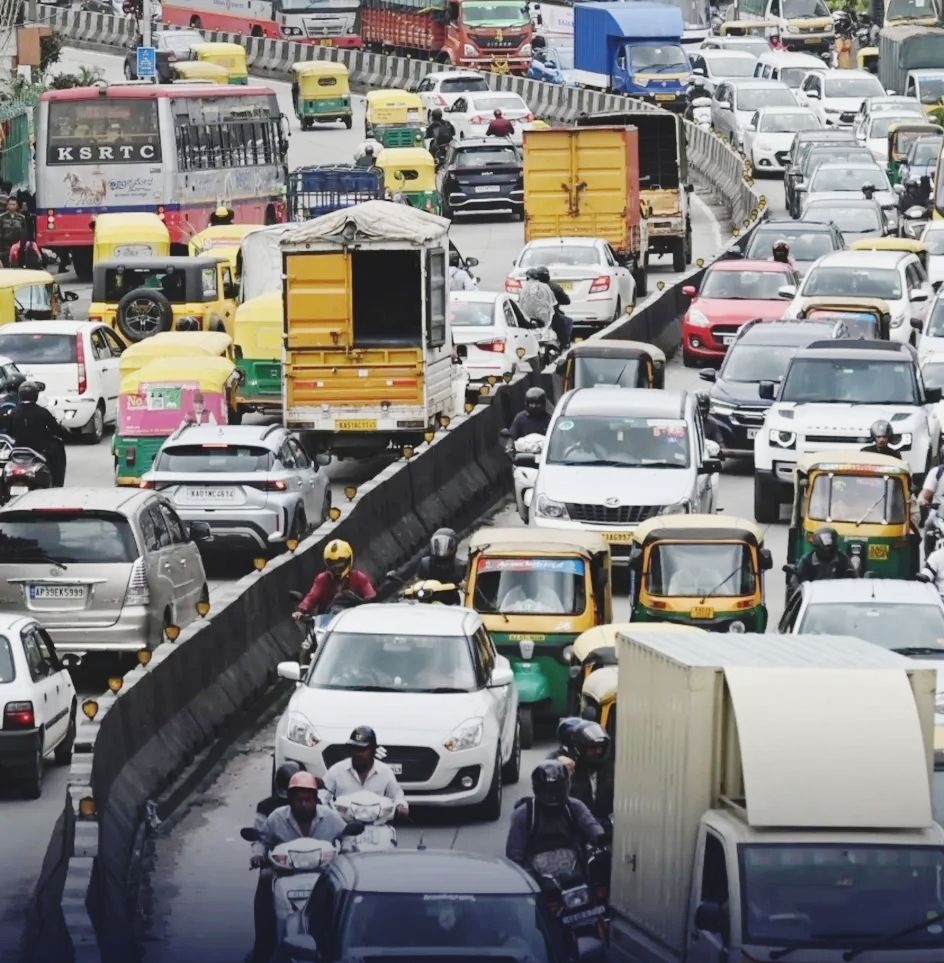
The deeper tragedy is psychological. Citizens slowly internalize helplessness. Roads decay, public transport deteriorates, pollution worsens, and corruption normalizes as ambient background noise. Elections come and go, yet governance failures persist regardless of party labels or ideological packaging. Parliamentary time is consumed by symbolic outrage, performative disruption, and cultural skirmishes, while the unglamorous work of service delivery, regulatory reform, and administrative responsibility remains untouched. Accountability is sacrificed at the altar of sentiment, identity, and noise. Politics becomes theatre, governance an afterthought, and the voter is remembered during campaigns but forgotten during crises.
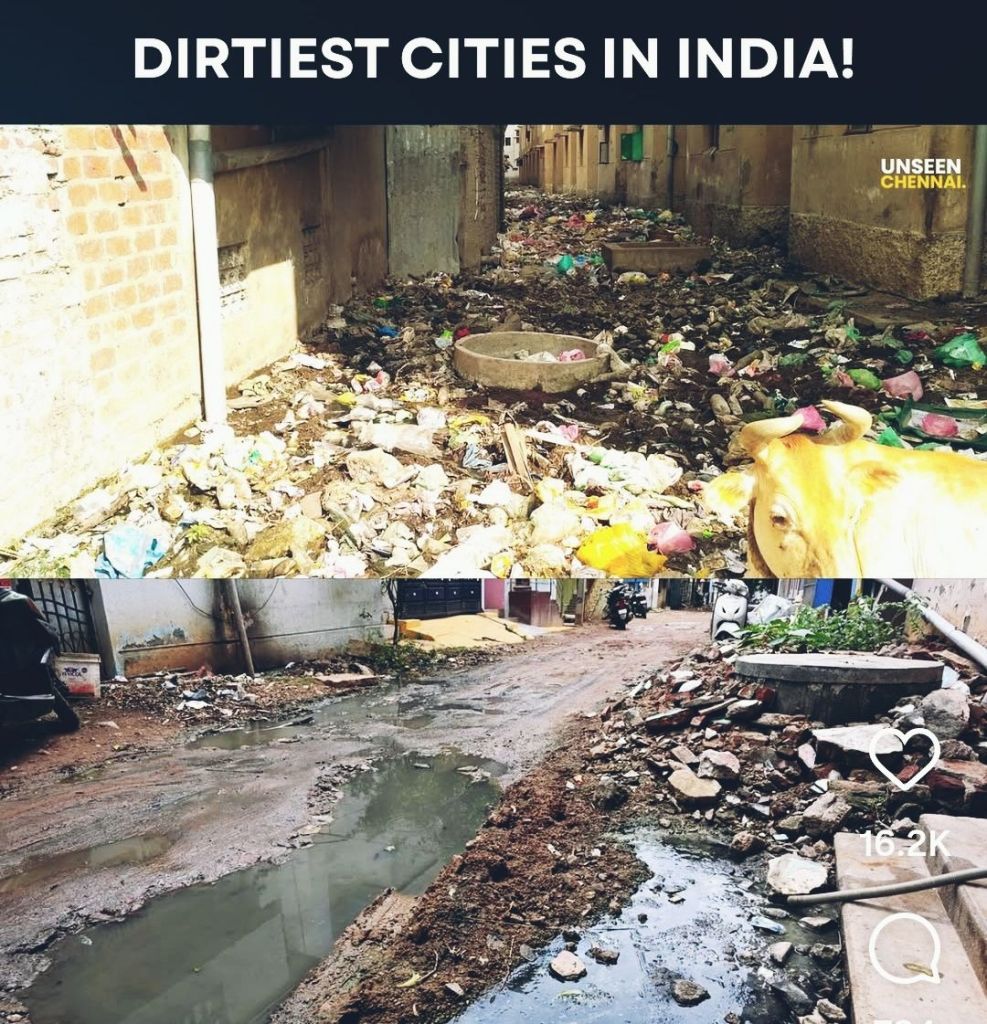
Political accountability is not about perfection; it is about consequence. Democracies endure not because leaders never fail, but because failure carries cost. In India today, that cost is conspicuously absent. Ministers rarely resign, regulators rotate quietly, and institutions absorb blame without reform. Until accountability is restored—through transparent regulation, independent oversight, enforceable standards, and voter insistence on performance—the republic will continue to suffocate, both literally and metaphorically. The greatest loss is not polluted air or broken infrastructure, but the erosion of citizen agency itself. When a democracy cannot guarantee clean air, safe travel, or basic dignity, it is not merely misgoverned. It is unaccountable. And that, more than any slogan or spectacle, should alarm us all.
visit arjasrikanth.in for more insights
 SOCIAL PERSPECTIVES