
The Children Who Forgot How to Breathe: India’s Silent Teen Crisis in a Screaming Digital Age
India is confronting a psychological emergency hiding in plain sight—an adolescent crisis unfolding behind school walls, inside bedrooms, and across the glowing surfaces of a billion screens. The death of a Class 10 student at Delhi’s St. Columba’s School was not an isolated tragedy but a stark rupture that exposed the fractures widening beneath India’s teenage landscape. In the days that followed, Jaipur saw fresh suicides, Delhi recorded rising self-harm, and counsellors described children who walked in sleeved, bruised, breathless, and emotionally numb. These are not abstract data points—they are young lives crumbling under humiliation, algorithmic pressure, and unprocessed turbulence. Teenagers today speak fluently in the vocabulary of despair—“panic attack,” “burnout,” “boundary,” “trauma”—yet cannot recognise or articulate their own hurt. They are emotionally raw, digitally drenched, and frighteningly fragile, collapsing under pressures no generation has ever been forced to confront.
The crisis is not a product of one overwhelming force but a convergence of multiple shocks—emotional vulnerability, digital acceleration, and deeply disrupted development. Today’s children spend nine or more hours online, absorbing hyper-sexualised content, curated perfection, body-shaming cues, and the addictive machinery of comparison. Even eight-year-olds speak of weight loss and irrelevance, parroting insecurities crafted by algorithms rather than real experiences. Social cues have eroded—teasing turns into bullying in seconds, conflict escalates instantly, and identity is shaped by digital choreography rather than lived interactions. Algorithms now manufacture aspirations, self-worth, and attention long before identity has fully formed. The result is a generation whose minds develop at high speed while emotional maturity crawls painfully behind, leaving them unprepared for distress they cannot name, process, or regulate.
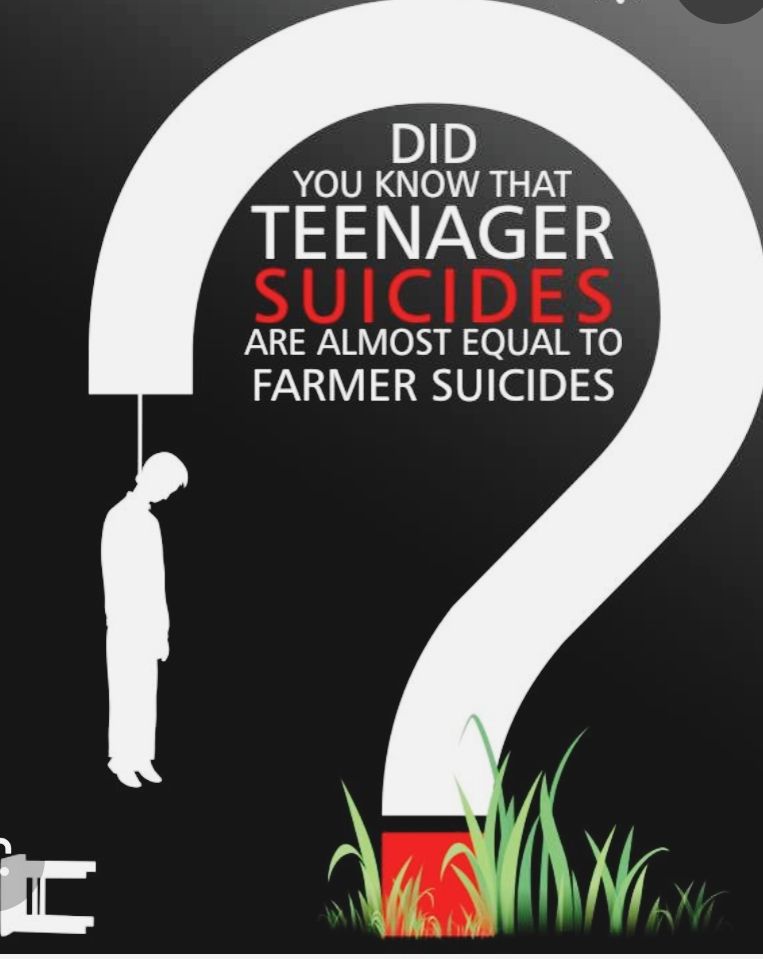
Home, which should have anchored children, has instead become another storm zone. Terrified of provoking emotional backlash, many parents have surrendered authority altogether. The post-pandemic child is articulate but unanchored—accustomed to negotiating with adults, detached from routine, and hyper-reactive to structure. A reprimand becomes a crisis, a confiscated phone becomes a threat, and a boundary becomes an attack. Nuclear families, guilt parenting, and overprotection have created children unfamiliar with limits and parents who no longer know how to impose them. The pandemic erased two years of peer interaction, stripping children of basic skills—conflict resolution, patience, empathy, and emotional self-regulation. Many adolescents today struggle not because they are defiant but because they genuinely do not know how to navigate friction, boredom, or disappointment.
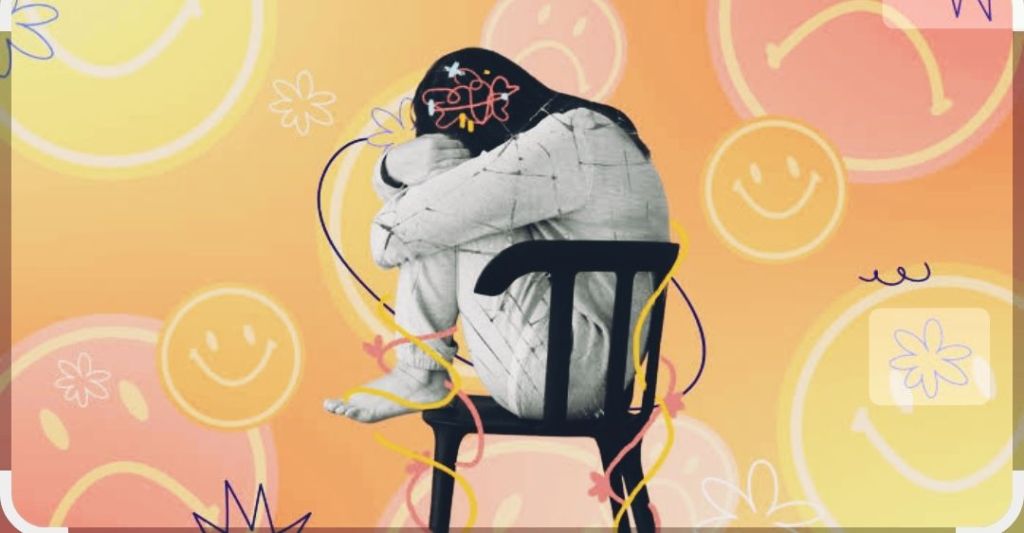
Layered onto this emotional disarray is the technological rupture shaping modern distress. Teenagers now arrive in counselling “pre-diagnosed” by Google searches, reels, or AI summaries, reciting psychological jargon without understanding the roots of their pain. They are over-informed yet under-supported—emotionally literate but emotionally unstable. A 15-year-old in Delhi recently revealed months of self-harm hidden under full sleeves, unnoticed by parents drowning in their own pandemic fatigue. Some adolescents mimic online suicide scripts; others punch walls, snap rubber bands against their skin, or retreat silently into digital voids. Pandemic trauma—loneliness, grief, parental stress—still leaks through their behaviour, hidden like cracks beneath a freshly painted wall. The contradictions are heart breaking: children who appear confident yet crumble under pressure, who call themselves “burnt out” yet cannot articulate why, who seem connected yet feel unbearably alone.
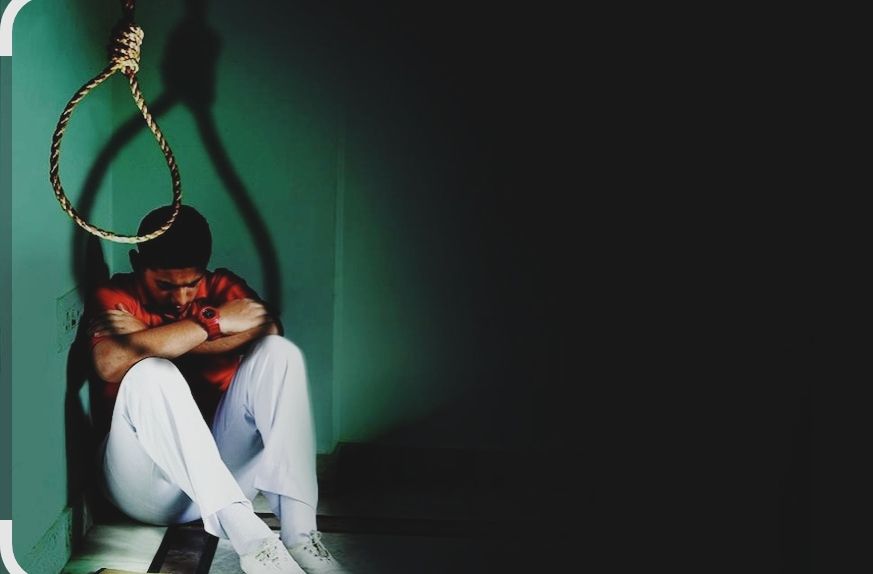
Yet from within this heartbreak emerges a fragile but unmistakable hope. Teenagers, for the first time in India’s social history, are actively seeking help. Counselling rooms have become safe harbours where stigma dissolves and vulnerabilities breathe. Adolescents are speaking, crying, confessing panic, and asking for emotional rescue. Schools are listening; counsellors are trusted; confidentiality provides a refuge adults often cannot. For all their digital armour, teenagers still crave the most ancient human comfort: a space where they are heard without judgment, held without pressure, and understood without conditions. This quiet shift signals that the crisis, though urgent, is not insurmountable—provided we move with intention, empathy, and structural clarity.

The way forward is neither abstract nor unreachable—it requires rebuilding the emotional ecosystems that children depend on. Psychologists insist that parents must reclaim gentle authority: consistent routines, rational boundaries, structured screen time, and the courage to say “no” without guilt. Homes must become environments where emotional conversations are normal and the pressure to perform is secondary to the freedom to fail. Schools must scale counselling systems, integrate emotional-literacy curricula, and rebuild weakened social skills.

Policymakers must recognise this not as a behavioural issue but a systemic fallout demanding integrated mental-health frameworks, digital-safety protocols, and accessible youth-support mechanisms. The goal is not to shield children from discomfort but to equip them to face it.
India’s teenagers are speaking in the loudest silence society has ever heard. They are overwhelmed, overstimulated, and dangerously under-supported. Their distress may not always look like tears—it may appear as withdrawal, anger, defiance, isolation, or addiction to screens. Our responsibility—as families, institutions, and a nation—is to listen before headlines replace conversations. Because when a child becomes a statistic, the failure is not theirs—it is ours. And the question confronting India today is simple, urgent, and unforgiving: will we hear them before the silence becomes permanent?
Visit arjasrikanth.in for more insights
 SOCIAL PERSPECTIVES
2 responses to “A Generation Is Drowning in Noise We Mistake for Normal”
Good morning, sir. Your articles are super informative and hit close to home 😊. Policy makers and parents should definitely give this a thought! 👍
LikeLike
the burning problem which has to he addressed immediately. Nice article. Very much informative.
LikeLike