
Rebuilding Governance in an Age of Distraction
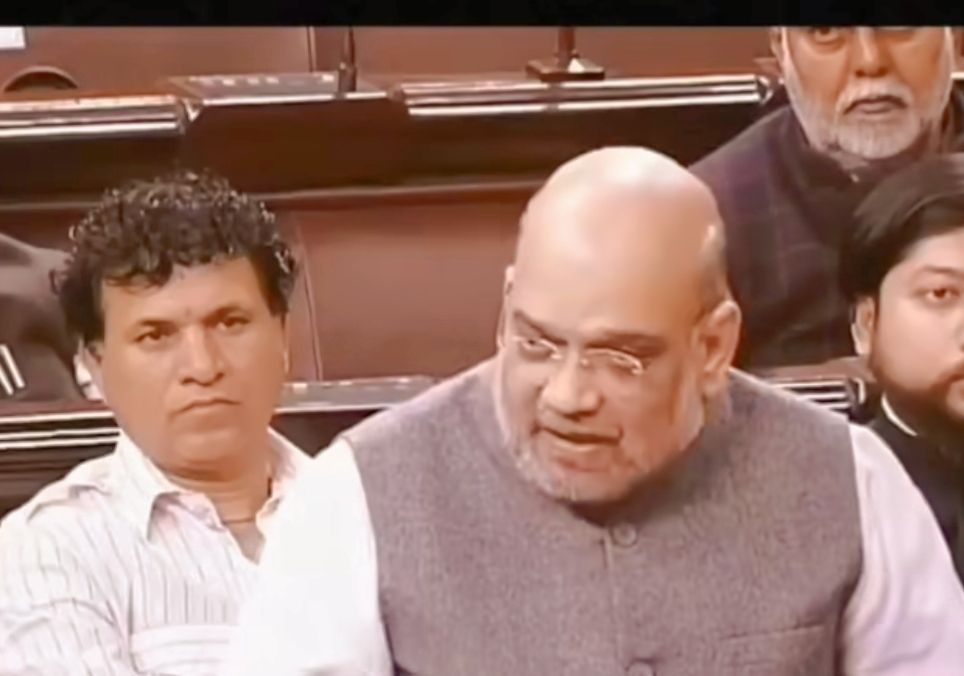
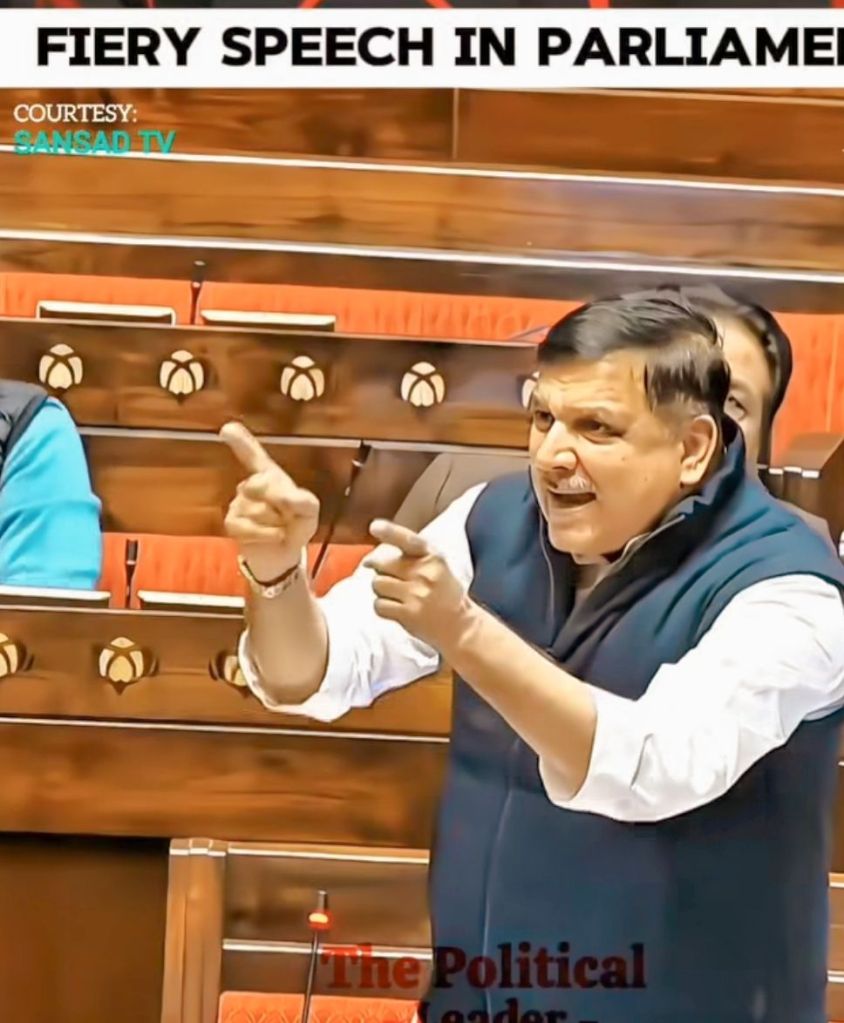
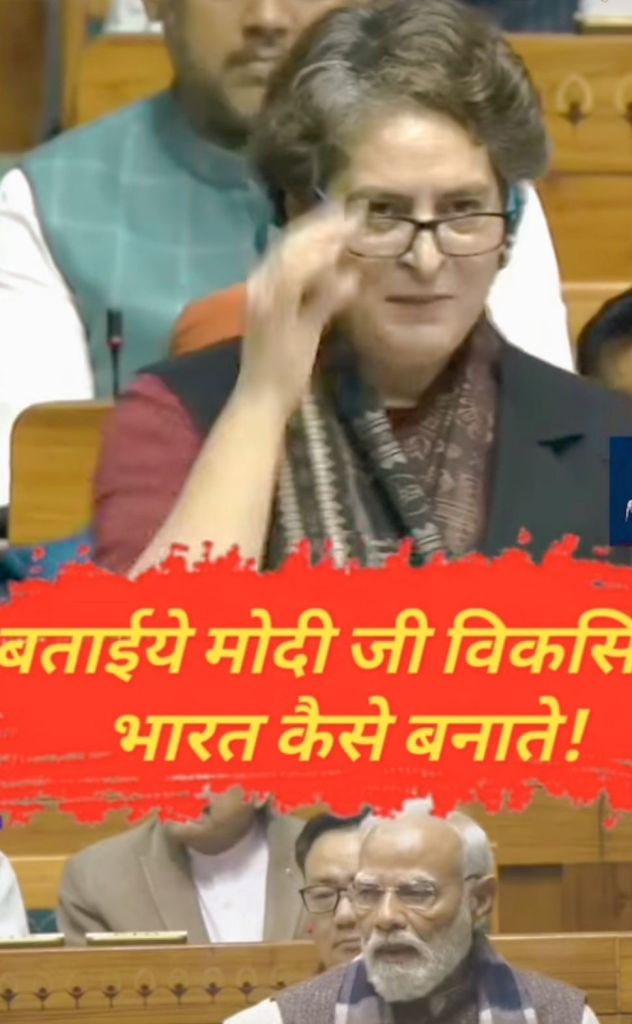
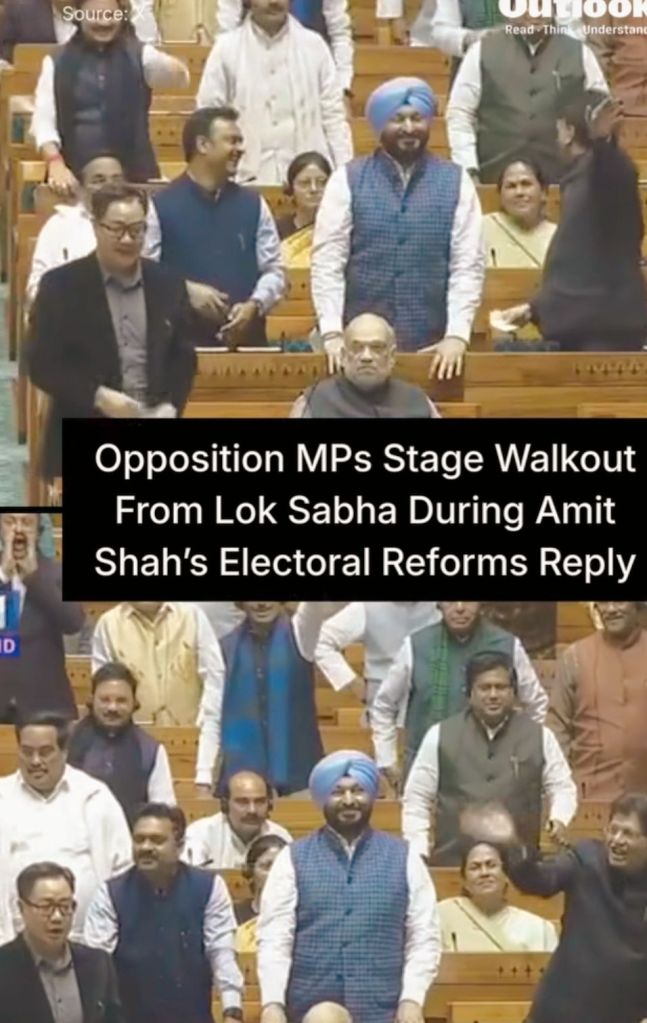
India today finds itself caught between spectacle and survival, a nation of extraordinary promise wrestling with an extraordinary contradiction. Televised debate rooms crackle with intensity over historical semantics, ideological symbolism, and political point-scoring, while the real scaffolding of everyday life creaks under the pressure of unattended problems. Parliamentary hours drain away in theatrical duels as Manipur continues to smoulder, borders remain tense, and millions of young Indians wait in quiet frustration for concrete answers. The choreography of public discourse dazzles, but the script forgets the audience. What emerges is not mere distraction but a structural misalignment—a system where noise overwhelms nuance and optics overshadow outcomes, creating a democracy rich in decibels but poor in prioritisation.
Beneath this dramatic surface, the lived economic crisis cuts sharply across households. Unemployment—especially among the educated—has taken the shape of a generational anxiety, reducing degrees to fragile assurances and futures to uncertain wagers. Inflation has become the silent intruder at every dining table, where rising prices of essentials destabilise budgets far more violently than any headline index suggests. Farmers continue to navigate debt traps, climate-related crop failures, and volatile markets. And although GDP numbers offer celebratory headlines, they obscure the widening chasm where billionaires soar while the informal workforce—the backbone of India’s economic engine—grapples with precarious livelihoods, absent safety nets, and limited mobility. The pandemic’s deep scars still pulse beneath the glossy narrative of post-crisis recovery.
This economic fragility is mirrored by the strain on social infrastructure, which remains India’s most under-discussed fault line. Public healthcare, stretched far beyond its intended capacity, leaves the poor jostling for basic treatment and the middle class slipping into medical debt. Education, once the ladder that lifted entire families into prosperity, now risks entrenching inequality through learning losses, digital divides, and uneven quality. Generations of children carry weakened foundational abilities that could slow India’s demographic dividend. Social cohesion itself grows vulnerable as caste tensions flare, communal anxieties simmer, and gender-based violence remains distressingly routine. Meanwhile, everyday urban crises—water scarcity, toxic air, broken drainage, congestion, sinking infrastructure—are overshadowed by ribbon-cutting ceremonies and headline-friendly mega-projects.
At the heart of these intertwined challenges lies a deeper governance crisis, defined by the gradual weakening of institutions. Corruption continues to function as both lubricant and poison—speeding up administrative processes while simultaneously corroding public trust. Judicial delays, with over fifty million pending cases, stretch justice into multi-decade ordeals. Environmental governance has all but collapsed, with cities suffocating under hazardous air, rivers turning into industrial drains, and natural ecosystems sacrificed for unregulated expansion. In this vacuum, polarised politics thrives. Debates shift from accountability in the present to grievances from the past, turning identity and history into perpetual political weapons. It is easier to argue about centuries-old events than to address today’s urgent failures.
The emerging threats only intensify this fragility. Climate change is no longer a looming future risk but a present force—manifesting in unlivable heatwaves, crop-destroying droughts, and floods that erase neighbourhoods. The brain drain of talented young professionals reflects a troubling vote of no confidence in domestic fairness and opportunity. The digital divide grows wider as millions remain technologically excluded while those online face surveillance, misinformation, and algorithmic manipulation. Adding to this, a silent mental-health crisis spreads across age groups, under-recognised and under-resourced. These are not peripheral challenges; they define what state capacity must look like in the 21st century.
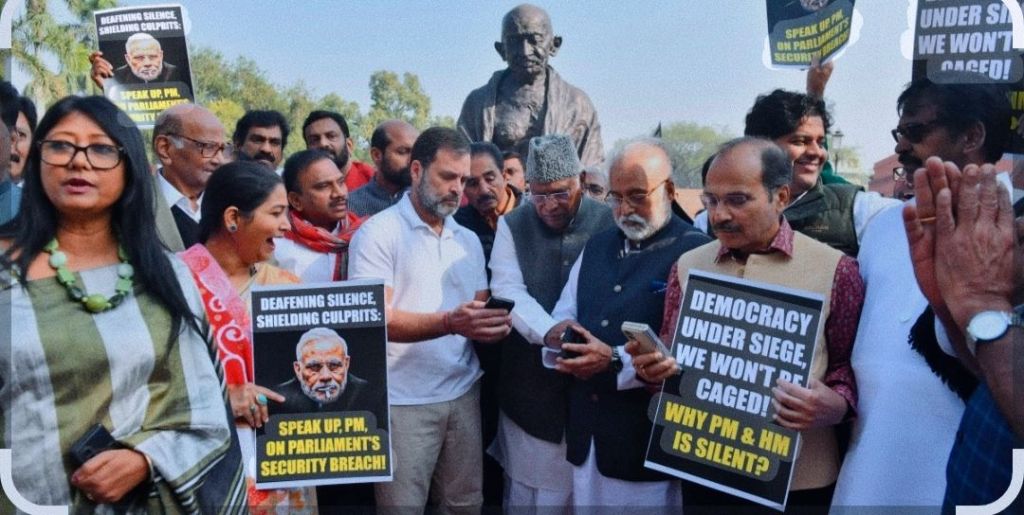
Yet the Indian story remains one of divergence rather than despair—a widening gap between what is celebrated and what is essential. The real question is not whether the problems are known; they are widely documented and intimately felt. The real test is whether political leadership can shift from symbolic theatrics to structural transformation. While ideological debates dominate Parliament, citizens crave livelihood, dignity, and breathable air. The young Indian is not searching for patriotic choreography; he is searching for a fair opportunity. Farmers do not need cultural commentary; they need predictable prices and institutional support. Urban residents gasping through pollution are unmoved by rhetorical triumphs.
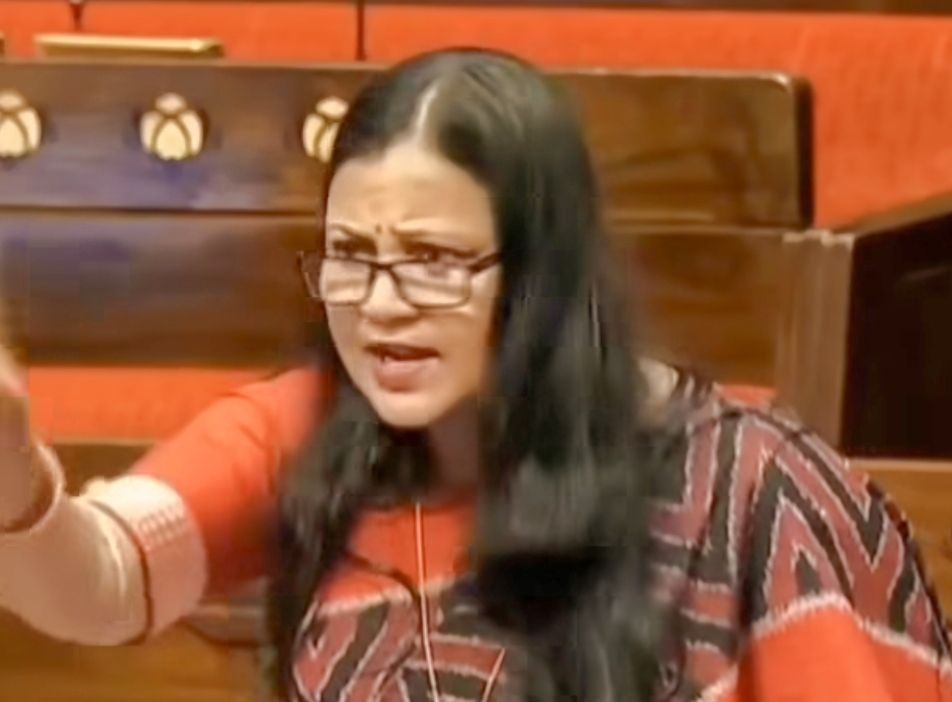
Nationhood, ultimately, is measured not by the loudness of speeches but by the quiet efficiency of institutions. India must transition from performance governance to problem-solving governance, from symbolic assertions to systemic action. This demands transparency, accountability, and a political culture that rewards competence over spectacle. It requires policymakers to confront reality, not perform around it.
The larger lesson is both cautionary and hopeful: democracies do not collapse because of noise—they collapse when the noise replaces substance. India now stands at such a crossroads. The country does not need louder slogans; it needs deeper listening. It does not need more dramatic narratives; it needs disciplined, evidence-based governance. The future will belong not to those who dominate the microphone but to those who strengthen the foundations. If India can reclaim seriousness in governance, prioritise citizen well-being, and resist the seduction of political theatre, the nation will move beyond the crisis of noise. It will rise with a quiet strength that no spectacle can overshadow.
Visit arjasrikanth.in for more insights
 SOCIAL PERSPECTIVES