Inferno Nation: India’s Fire Disasters Keep Repeating a Script of Silence, Greed and Deadly Negligence
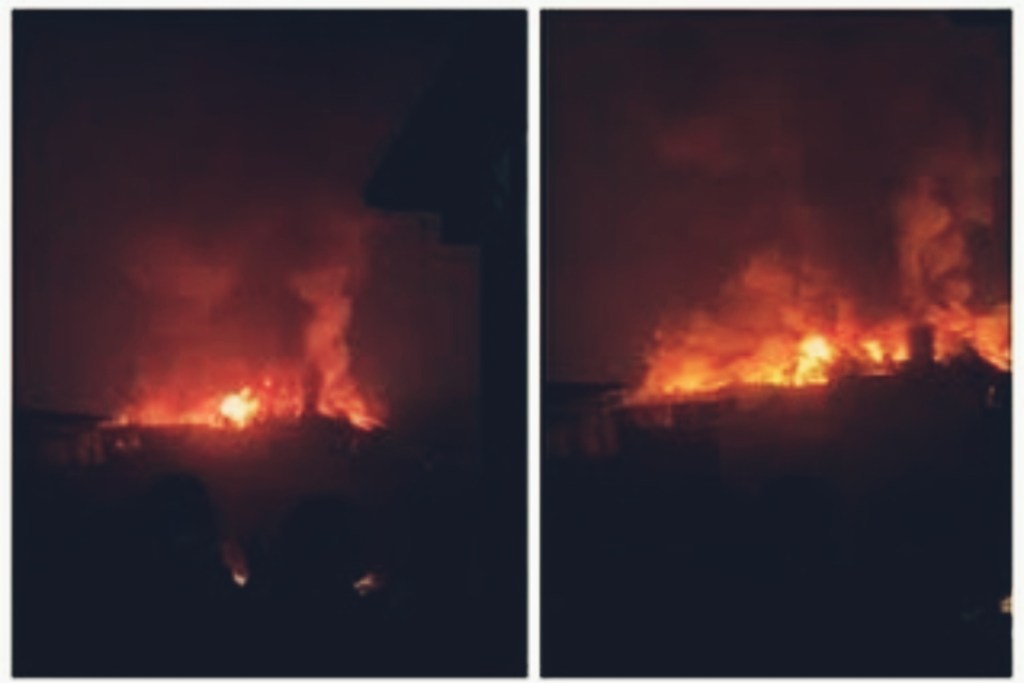
Last night’s horrific fire tragedy in Goa was not an accident; it was a structural crime disguised as a mishap. The blaze that erupted around 11:45 PM at the illegally constructed “Romeo Lane” venue on a salt pan turned a minor ignition into mass devastation within minutes. A small pyro device allegedly triggered the spark, but the real accelerant was illegality: bamboo frameworks, fibre partitions, synthetic decorative panels and sealed basement spaces that converted flame into a weapon. At least 26 people were injured and multiple lives lost, including tourists, young revellers, and a family from Delhi. Victims did not primarily die from burns. They died from smoke — carbon monoxide flooding enclosed spaces so rapidly that consciousness was lost before escape was even possible. This is not random disaster; this is predictable death.

The chilling echo of the Uphaar Cinema fire in New Delhi hangs over this incident like an unanswered indictment. In 1997, 59 lives were lost not because fire could not be fought, but because exits were locked, electrical standards mocked, and inspectors silent. Three decades later, the story has not changed. Illegal structural modifications, fire certificates missing or ignored, zoning laws violated, and enforcement agencies asleep. In Goa, demolition notices had already been issued against the property, yet the club continued to operate with impunity. This is no longer about rogue entrepreneurs. It is about institutional complicity. When closure orders exist but businesses function openly, the state becomes a silent partner in the crime.
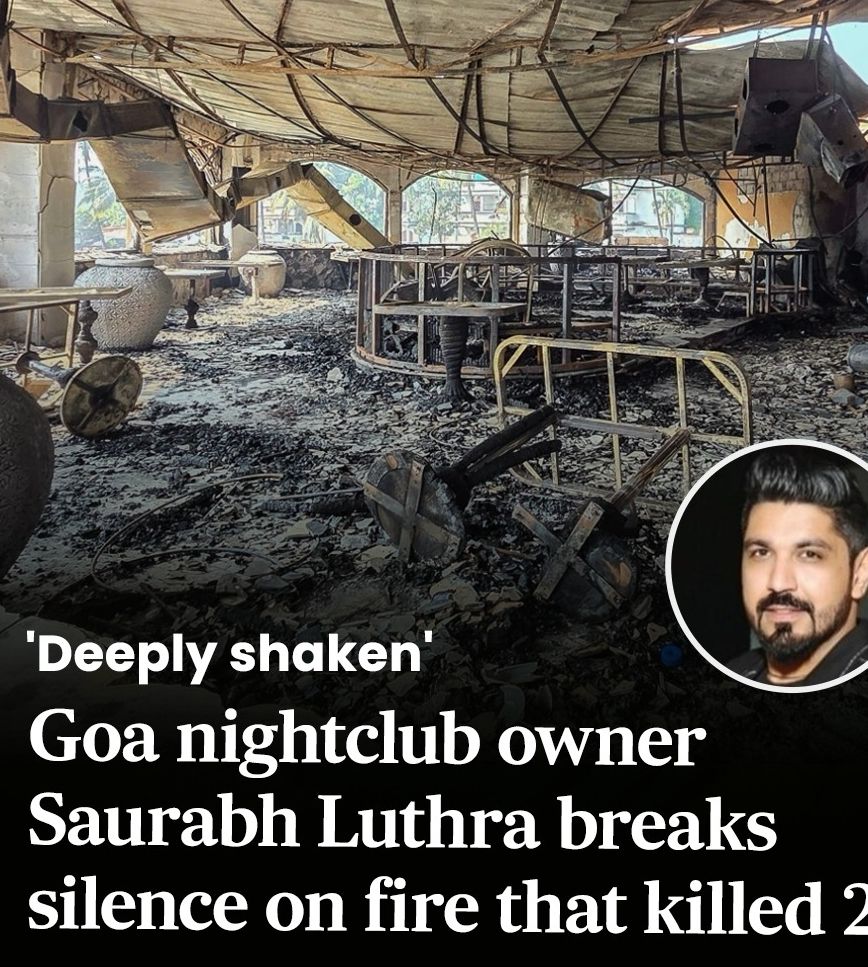
The physical infrastructure failure at the tragedy site exposes a deeper layer of collapse. Fire tenders reportedly had to halt almost 400 metres away because access roads in one of India’s most lucrative tourism zones were unplanned and obstructed. These are not peripheral errors; these are fatal design flaws. Survivors spoke of the eerie absence of alarms, no public address systems, no illuminated exit signage and staff paralysed by fear rather than trained for emergency protocols. A venue that advertised itself as modern collapsed into chaos within seconds. India’s so-called world-class tourism infrastructure revealed its true character: decorative, superficial, and operationally fragile. When preparation does not exist, panic becomes procedure. When training is absent, instinct turns lethal.
The state’s response was swift in appearance but reflective of damage already inflicted. Suspensions were ordered. Magisterial and forensic inquiries were announced. State-wide audits of nightlife establishments were promised. Arrests followed. Connected properties were sealed.
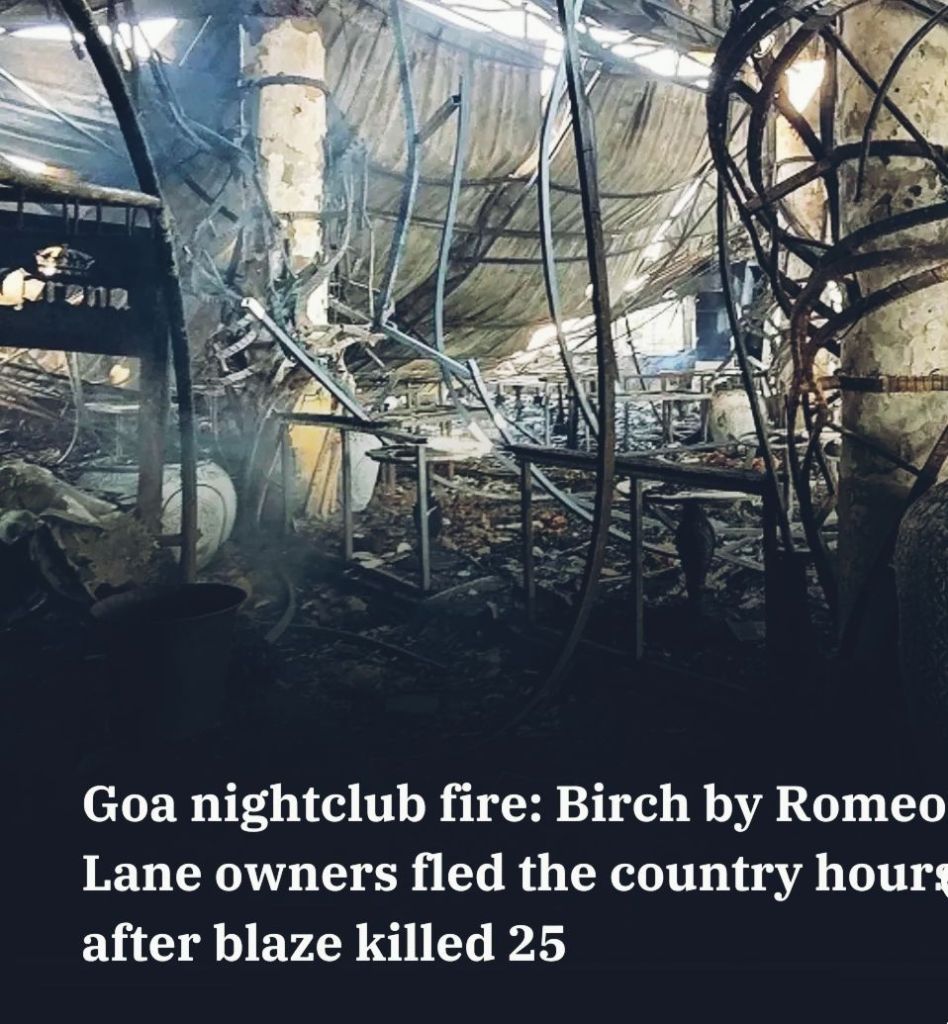
Compensation packages of ₹5 lakh per deceased and ₹50,000 for the injured were declared, supplemented by relief support from national funds. These actions, while necessary, are also symbolic admissions of failure. Compensation is never a policy achievement; it is a confession. Money follows death because prevention failed in life. Political optics cannot disguise administrative collapse when families are counting the dead. The truth buried beneath the flames is more disturbing. India’s regulatory framework in high-density urban and tourism corridors operates on an unspoken economic bargain. Revenue is prioritised over risk. Footfall outweighs fire exits. Licences are treated as negotiable instruments rather than safety guarantees.
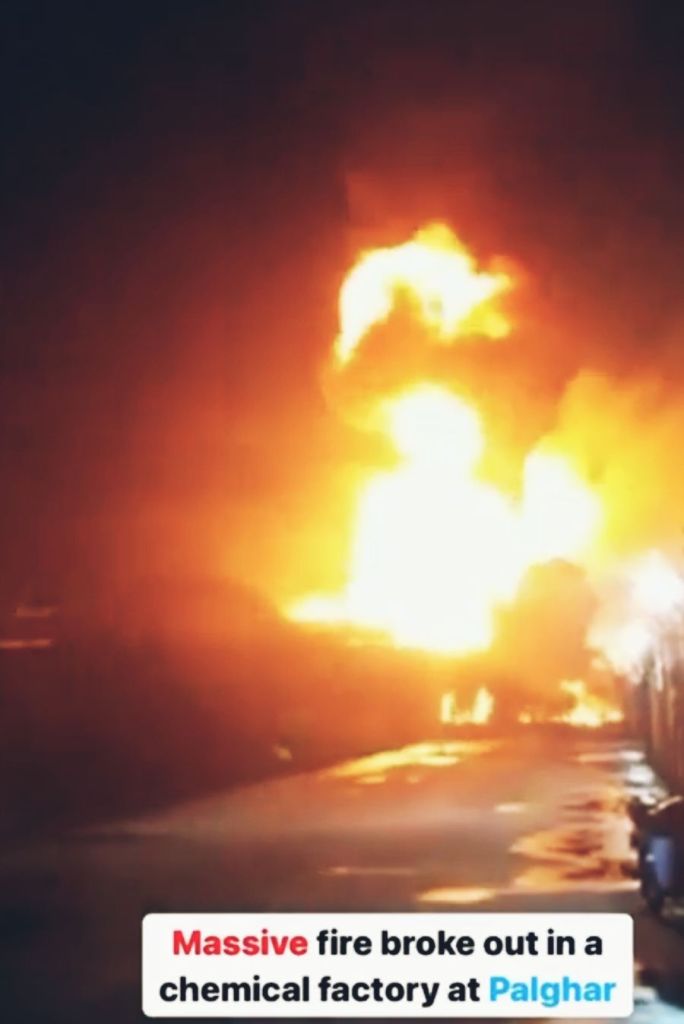
Developers and operators gamble that profits will exceed penalties and, historically, the data has rewarded their gamble. Demolition notices are reduced to bureaucratic theatre. Fire safety certificates become assets to be purchased or postponed. This pattern is not new. It has repeated from Uphaar Cinema to Kumbakonam schools, Kamala Mills, hospital fires, factory explosions and warehouse infernos. The architecture of negligence is national, not local.
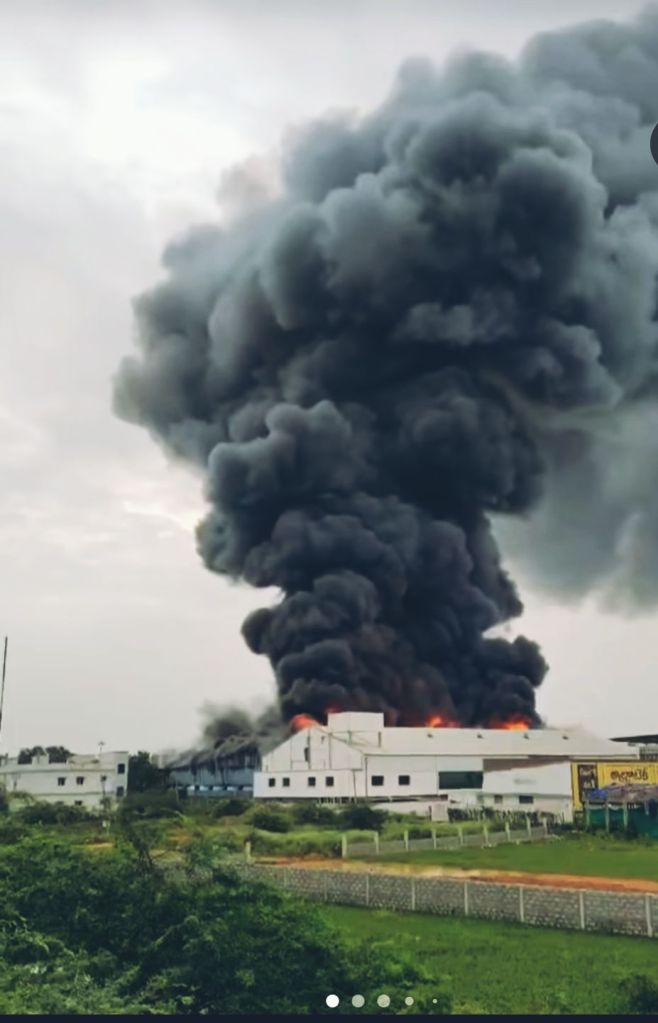
What this moment demands is not ritualistic outrage or headline-driven governance but surgical structural reform. Fire safety must shift from checklist culture to criminal liability. Officers who sign unsafe permissions must face prosecution, not transfers. Demolition notices must be executed, not archived. Emergency access infrastructure must be treated as essential urban organs, not optional planning features. Without this, Goa will not remain an exception; it will merely become another timestamp in India’s long chronicle of preventable death. The country does not lack rules, technology, or expertise. It lacks the political courage to enforce. And until that deficit is corrected, every illegally built structure remains a waiting furnace and every crowded night becomes a countdown to tragedy.
Visit arjasrikanth.in for more insights
 SOCIAL PERSPECTIVES